When your dog hurts, it’s hard to watch them suffer. You want to help them heal without causing more pain or stress. Ultrasound therapy for dogs is a gentle way to help pets recover from injuries, ease pain, and feel better without surgery or medicine. This therapy uses high-frequency sound waves that pass through the …

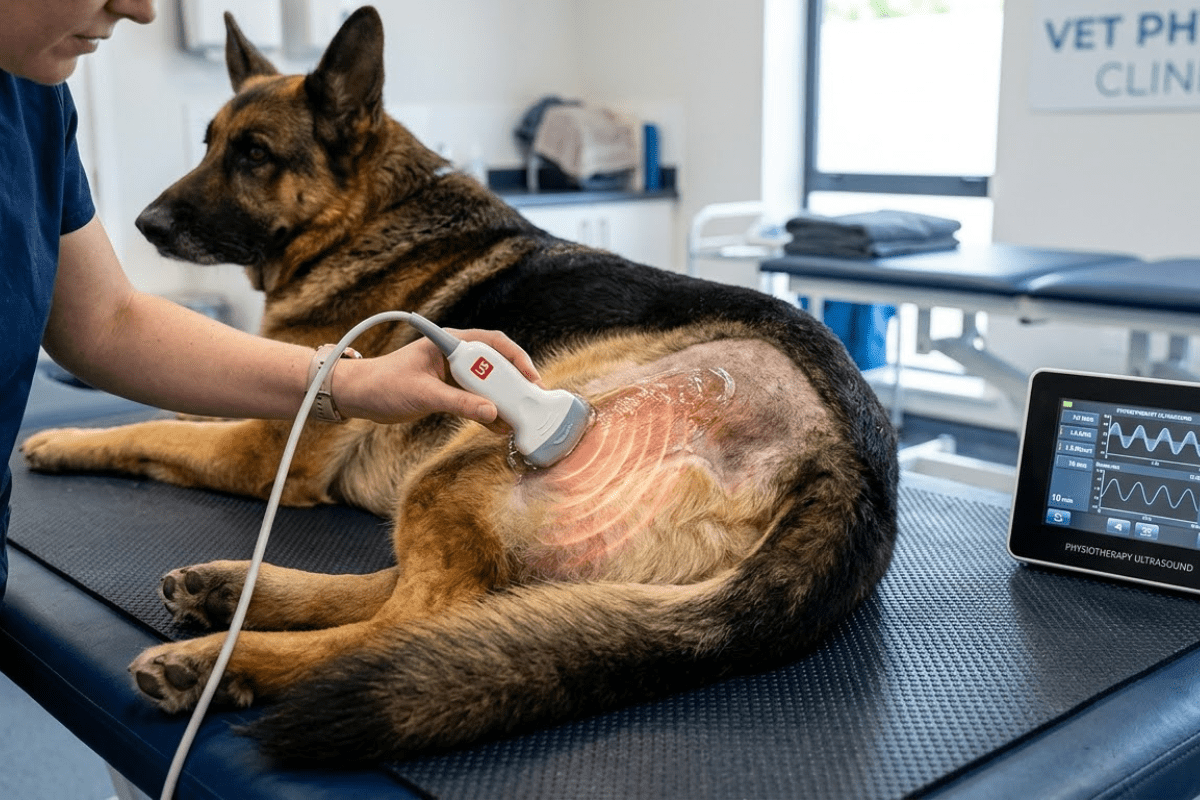
When your dog hurts, it’s hard to watch them suffer. You want to help them heal without causing more pain or stress. Ultrasound therapy for dogs is a gentle way to help pets recover from injuries, ease pain, and feel better without surgery or medicine. This therapy uses high-frequency sound waves that pass through the skin to reach muscles, joints, and soft tissues deep inside your pet’s body.
These sound waves create tiny vibrations that gently warm the tissues. This warmth helps blood flow better, bringing oxygen and nutrients where your pet’s body needs them most. The result? Faster healing and less pain. Most dogs and cats stay calm and relaxed during ultrasound treatment. Many even enjoy the warm feeling on their skin. After a few sessions, pets often move more easily and show less discomfort. In this blog, you will learn the benefits of ultrasound therapy for pets.
Safe and Non-Invasive Care
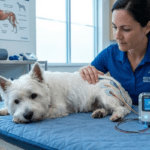
One of the best things about ultrasound therapy is how safe it is. It does not involve needles, cuts, or medicine. There is no need for anesthesia or drugs. Your pet simply lies down while a trained therapist moves a small device, called a probe, over the area that hurts. This treatment is painless and comfortable for most pets. It works well for many common problems, like joint stiffness, muscle soreness, and soft tissue injuries.
Because it is so gentle, ultrasound therapy is a good choice for older pets or those who cannot take certain medicines. The therapy is customized to each pet. The therapist adjusts how strong the sound waves are and how long the treatment lasts. This helps make sure your pet gets exactly the right care they need.
How It Helps Healing
Ultrasound therapy for dogs supports your pet’s healing process. When tissues get injured, they need extra blood flow to bring healing nutrients and oxygen. Ultrasound helps by increasing circulation in the treated area. This extra blood flow speeds up how fast wounds close and muscles repair themselves. It also helps reduce swelling, which can make moving painful or difficult. When swelling goes down, your pet can walk, stretch, and play more easily.
Ultrasound therapy is especially helpful for:
- Muscle strains or sprains from overexertion or accidents
- Joint pain caused by arthritis or old injuries
- Injuries to tendons or ligaments from sudden twists or pulls
- Soft tissue damage after surgery or trauma
Pets often show signs of improvement after just a few treatments. They move more freely and seem happier.
Relief from Pain and Stiffness
The warmth from the ultrasound waves helps relax tight muscles. It also eases stiffness in joints that makes movement hard. This means your dog or cat may feel less pain during daily activities. For pets with long-term conditions like arthritis, ultrasound therapy for dogs offers a way to reduce discomfort without using medicines.
Many older animals have trouble taking painkillers, or they may have side effects from drugs. Ultrasound therapy provides drug-free relief. As tight muscles relax and joints loosen up, pets can return to activities they enjoy. Dogs that once limped might run again. Cats that stopped jumping may start climbing.
Boosts Flexibility and Mobility
Ultrasound therapy for dogs doesn’t just reduce pain. It helps improve how well joints and muscles move. Over time, tight scar tissue or stiffness can make it hard for pets to stretch or walk normally. The sound waves help break down this scar tissue and increase joint flexibility.
This makes moving easier and less painful. Pets can climb stairs, jump on furniture, and stay active. If your dog or cat has arthritis or if they are recovering from surgery, ultrasound therapy can speed up their return to normal life. It helps them stay limber and mobile.
Supports Tissue Repair
When your pet’s muscles, tendons, or ligaments get injured, cells in these tissues work hard to fix the damage. Ultrasound therapy stimulates these repair cells, helping them work faster. The therapy encourages stronger healing, which lowers the chance of future injuries. Well-healed tissues also reduce pain and improve strength. By supporting tissue repair, ultrasound therapy helps your pet regain full use of their injured body parts sooner.
What Equipment Is Used in Ultrasound Therapy?
Veterinary clinics use special machines designed just for animals to give ultrasound treatment. Each part of the equipment has a job to make the therapy safe and effective.
Ultrasound Machine
This device creates the high-frequency sound waves needed for therapy. These waves travel deep into your pet’s body to treat injured tissues. Machines used for pets have safety features to protect your animal from harm.
Probe or Transducer
The probe is the small, hand-held piece that touches your pet’s skin. It sends the sound waves into the body. Probes come in different sizes to fit various parts of your pet’s body, such as large hips or small paws. A trained therapist moves the probe slowly over the sore area.
Gel for Better Contact
Before treatment, a water-based gel is applied to your pet’s skin. This gel helps the sound waves pass smoothly from the probe into the body by removing air gaps. The gel is safe, easy to wash off, and feels cool on your pet’s skin.
Comfortable Table and Settings
Your pet lies on a soft, padded table to keep them calm during treatment. The therapist controls the machine’s power and timing based on your pet’s needs. These settings ensure the therapy is gentle but effective.
Are There Any Risks or Side Effects?
Ultrasound therapy is very safe, but it’s important to understand some minor risks.
Mild Discomfort
Some pets might feel slight discomfort if the area is tender or sore. However, most pets stay relaxed and enjoy the warm sensation.
Temporary Skin Redness
Sometimes the treated skin looks pink or feels warm after a session. This redness usually fades quickly and does not cause problems.
Overheating the Tissue
If the machine’s settings are too high or the treatment goes on too long, tissues could overheat. This is very rare, especially with trained professionals managing the therapy.
Not Suitable for All Conditions
Ultrasound therapy is best for soft tissue injuries and inflammation. It doesn’t work well for bone fractures or nerve damage. Your vet will guide you on whether this therapy is right for your pet’s condition. Always follow your vet’s instructions and tell them if you notice any changes in your pet after treatment.
When Should My Pet Get This Therapy?
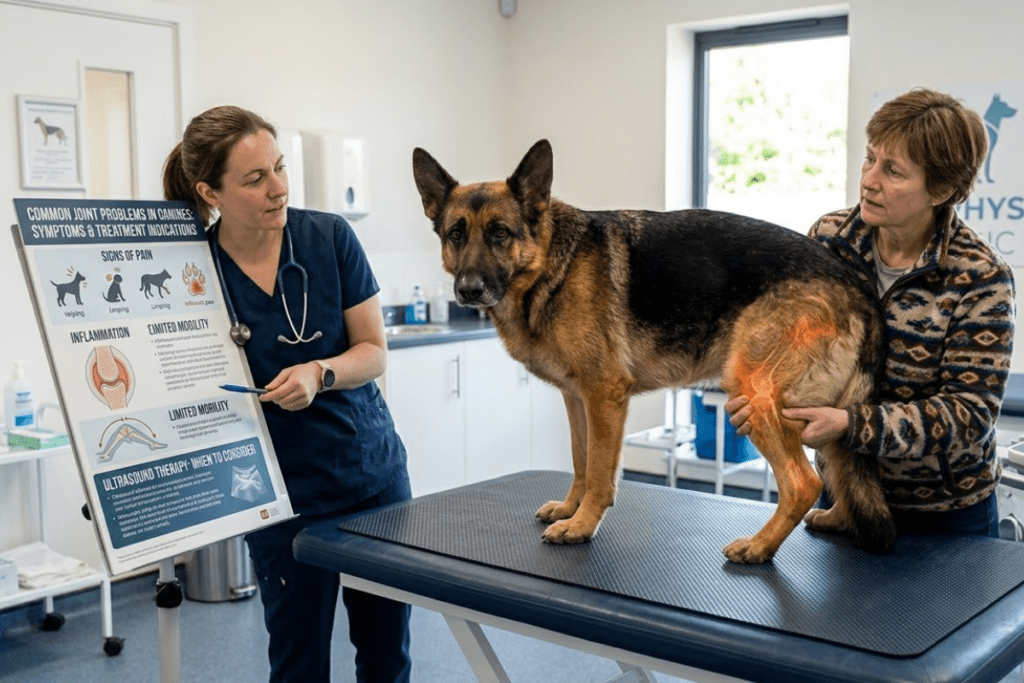
After Surgery
Ultrasound helps reduce swelling and speeds healing after operations. It also keeps muscles flexible during recovery.
For Chronic Pain
Pets with arthritis or long-term joint pain may benefit from regular therapy sessions. This helps them stay active without heavy medicines.
Following an Injury
Soft tissue injuries like muscle strains or tendon tears respond well to ultrasound therapy. It shortens healing time and lowers the risk of lasting damage. Ask your vet if ultrasound therapy fits your pet’s recovery plan.
Conclusion
Ultrasound therapy for dogs offers a gentle, drug-free way to help dogs and cats heal faster. It improves blood flow, reduces swelling, eases pain, and relaxes muscles. Because it is non-invasive, it is a good choice for pets that cannot take certain medicines or need extra care. Whether your furry friend has had surgery, suffers from arthritis, or is healing from an injury, ultrasound therapy may help them move better and feel happier.
Don’t let pain hold your pet back. Give them the relief and comfort they deserve. Ultrasound therapy is safe, gentle, and proven to help pets heal faster. Talk to your vet today or book a session with Vitailix. Let’s help your furry friend feel like themselves again. Book your appointment now at Vitailix.
Benefits of Ultrasound Therapy for Dogs Frequently Asked Questions
- Can You Use Ultrasound Therapy on a Dog?
Yes. Many dogs benefit from ultrasound therapy. It is often used after surgery or to treat muscle pain. - Is It Safe for Cats?
Yes. Cats also receive ultrasound treatments for joint pain, wounds, or soft tissue injuries. - How Often Is Therapy Needed?
Most pets start with two to three sessions per week. The exact number depends on how your pet responds. - Are There Disadvantages?
Ultrasound works best on muscles, tendons, and ligaments. It may not help bone or nerve issues. Also, therapy requires special equipment and trained staff. - How Much Does It Cost?
Costs vary by clinic and region. Ask your vet for a clear estimate before starting therapy.