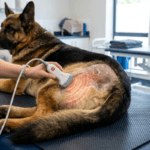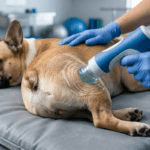
Canine proprioception exercises are gentle movements that help your dog understand where their body is in space. That may sound simple, but it’s a very important skill. Your dog uses this ability every time they walk, run, jump, or even shift their weight to stand still. Proprioception is a natural sense that helps the brain …

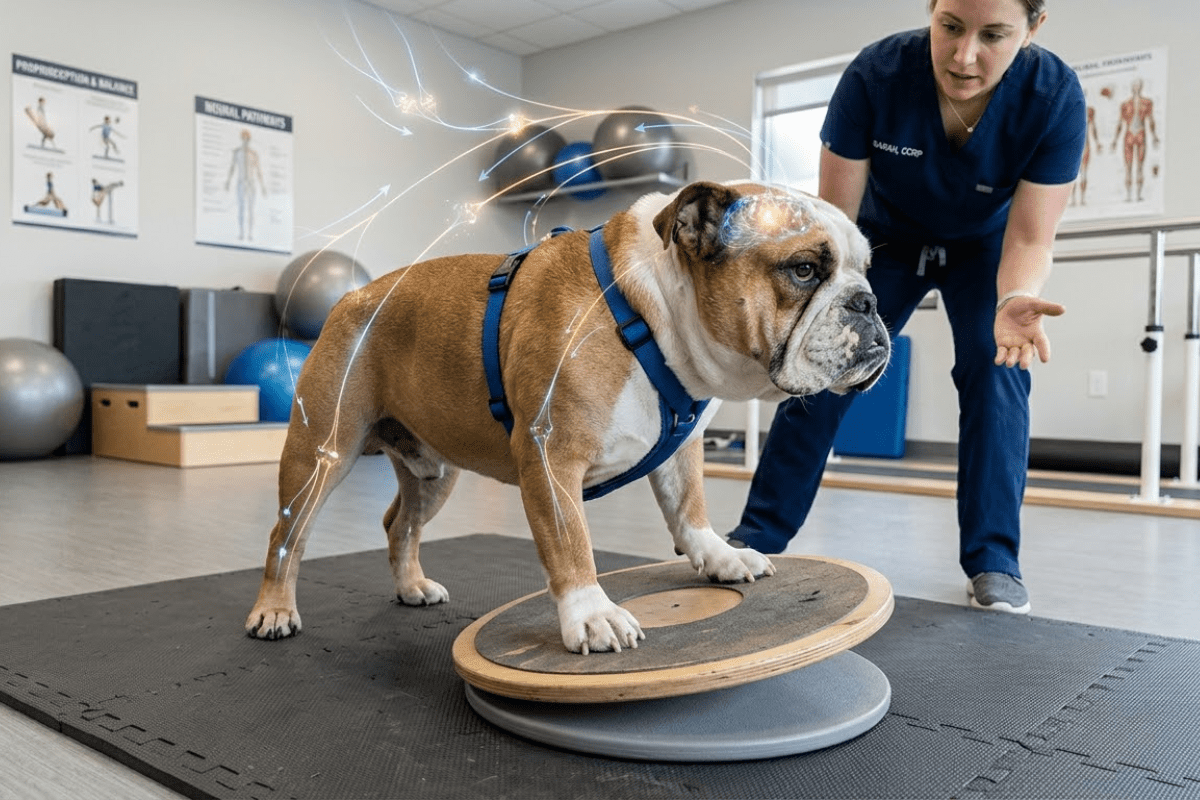
Canine proprioception exercises are gentle movements that help your dog understand where their body is in space. That may sound simple, but it’s a very important skill. Your dog uses this ability every time they walk, run, jump, or even shift their weight to stand still. Proprioception is a natural sense that helps the brain know where each part of the body is without needing to look. It works like a silent communication system between the brain, the nerves, the muscles, and the joints. But when a dog has an injury, surgery, or begins to age, this connection can get weak. The brain and body stop “talking” clearly.
When that happens, dogs may trip, lose balance, or seem unsure about movement. That’s where proprioception exercises help. These gentle exercises are part of rehabilitation programs that wake up the body’s awareness. They rebuild strength, coordination, and body control without putting too much pressure on the joints. At Vitailix, we build special programs for each dog. Our focus is helping pets recover safely, move better, and feel strong again—whether after an operation, due to arthritis, or simply because they’re getting older.
Why Body Awareness Matters for Dogs
Body awareness helps dogs move safely. It means your dog knows exactly where their legs, paws, and tail are at all times—even if they’re not looking. It helps them walk across the floor without slipping, climb stairs without hesitation, and jump on the couch with control. When a dog loses this awareness, they might seem clumsy or unsure. They may walk in a strange way, limp, or avoid certain movements. These are signs that the brain and muscles are not working together well.
Dogs with poor body awareness may:
- Struggle to stand up from lying down
- Drag their paws or shuffle their feet.
- Avoid stairs or corners.
- Seems fearful or confused when walking.
This can be scary for your dog. It makes them feel unsafe in their own body. Canine Proprioception exercises gently fix this problem. They re-teach the brain to understand what the body is doing. These movements reconnect the nervous system so your dog learns how to walk with confidence again. Over time, dogs stop tripping or stumbling. They move more smoothly and trust their steps. It’s like learning to walk again—but faster and without fear.
How Canine Proprioception Exercises Help Your Pet
These exercises don’t just work on muscles. They work on the brain, too. That’s why they’re so powerful. After surgery, dogs often avoid using a sore leg. When this happens, the muscles weaken, and the brain “forgets” how to use that leg. Proprioception activities bring it back slowly. They help your dog put weight on the leg, build muscle again, and improve coordination.
For arthritis, these exercises are perfect because they loosen stiff joints without causing more pain. They get the body moving gently. As the joints begin to move more freely, pain goes down, and movement becomes easier.
Older dogs who are afraid of slipping or falling benefit too. Their muscles may not be as strong, and their balance might be poor. These exercises help them regain control. They start to believe in their own body again. That trust leads to better posture, less fear, and more energy. Proprioception work also reduces stress. Dogs feel happier when they move better. Their mood improves, and so does their sleep.
Types of Canine Proprioception Exercises for Dogs
Many types of exercises help dogs improve balance, strength, and control. At Vitailix, we choose each one based on your dog’s condition.
Balance Training
This involves standing on a soft or uneven surface, like a cushion, foam pad, or wobble board. The unstable ground makes your dog’s muscles work harder to stay balanced. This builds core strength and improves joint control. At first, your dog may only stand still, but later, we add slow movements to increase difficulty.
Obstacle Work
Dogs walk through courses made of cones, pillows, or toys. They learn to step over things or weave around them. This helps the brain focus on paw placement. It builds awareness and coordination with each step.
Targeting a Limb
We ask your dog to lift one leg and place it on a small box or pad. This isolates one limb so the dog learns how to control that joint. It’s especially useful after an injury or surgery on a single leg.
Walking on Uneven Surfaces
Grass, sand, and rubber mats feel different underfoot. These textures challenge the muscles and nerves. They force your dog to adjust with each step. This helps strengthen balance and confidence on all types of flooring.
Weight Shifting
We help your dog shift their weight from one side to another while standing. This teaches balance and control. Sometimes we use a balance disc or a peanut-shaped ball. This keeps the session fun while still working on core muscles. Each session starts slowly. We increase the time or difficulty only when your dog is ready. That way, healing stays safe and stress-free.
When Should Dogs Do These Exercises?
Your vet or rehab therapist will tell you when to begin, but proprioception work can start in many stages of life. It’s not just for injured dogs.
These exercises are perfect when:
- Your dog is recovering from surgery (like ACL or hip surgery)
- They show signs of joint pain or stiffness.
- They struggle to walk or rise from rest.t
- Their balance has gotten worse.e
- They are aging and becoming weak.r
Even healthy, active dogs benefit. Sports dogs, such as those in agility or flyball, use proprioception drills to stay strong and avoid injuries. It helps keep their joints healthy and their movements clean and precise. You don’t need to wait until your dog struggles. Starting early prevents bigger problems later.
Medical Conditions That Improve with Proprioception Training
Canine proprioception exercises help treat many health issues. It’s more than just exercise—it’s a tool for healing.
Surgery Recovery
After procedures like TPLO, hip replacement, or spinal surgery, dogs often lose strength. These exercises bring that strength back and improve control.
Arthritis
Joint pain and stiffness cause dogs to move less. That leads to more weakness. Gentle exercises help reduce stiffness and encourage pain-free movement.
Nerve or Spine Problems
Conditions like degenerative myelopathy or disc disease damage the brain-body connection. Proprioception activities help retrain those pathways.
Muscle Loss
Dogs in a crate, or older pets, lose muscle quickly. Proprioception helps keep muscles working even when movement is limited.
Injury Prevention
Dogs who move poorly are more likely to trip or tear a ligament. Training their awareness helps them avoid awkward steps or falls.
Senior Dog Care
Older pets need extra help staying strong. These exercises keep their balance steady and their posture upright. That prevents falls and boosts confidence. At Vitailix, we match each exercise with your dog’s diagnosis so the therapy is both safe and effective.
What the Science Says
Canine proprioception exercises may seem simple, but they’re backed by strong science. Many animal rehab studies show that these gentle exercises make a real difference in how dogs heal, move, and feel. Let’s break down what the research tells us and why experts trust these techniques.
Improves Muscle Control
When a dog loses balance or avoids using a leg, certain muscles stop working properly. Over time, these muscles shrink or weaken. Proprioception exercises help turn those muscles back on. They activate the right groups of muscles during movement and help your dog use their body the correct way again.
For example, a dog recovering from knee surgery might stop putting weight on that leg. With balance exercises, we help that leg get used to bearing weight again. This brings muscle strength back. Over time, the leg starts to work just like it used to—smooth and steady. Scientists call this neuromuscular re-education. It’s the process of teaching muscles to “fire” in the right order again, just like before the injury.
Reduces Pain Through Better Movement
When joints move correctly, there’s less strain and rubbing. That means less pain. Many dogs limp or shift their weight because they’re trying to avoid hurting. But moving the wrong way can cause more pain over time. Proprioception training gently guides the joints and muscles to move in a healthy, pain-free way.
Instead of avoiding movement, dogs learn how to move properly. This reduces pressure on sore joints and muscles. Some studies even show that pain signals sent to the brain get weaker when the body moves in the right patterns. So not only does the dog feel better physically, but they also perceive less pain as they heal.
Speeds Up Healing
Healing takes time, but moving the body in the right way helps tissues repair faster. That’s because controlled movement improves blood flow to muscles and joints. Blood brings oxygen and nutrients that the body needs to fix damaged tissue. Proprioception training gives your dog the right kind of activity, not too much, not too little. It keeps muscles working just enough to help healing without causing more injury.
This is why vets and rehab experts often start proprioception exercises shortly after surgery or an injury. Research shows that dogs who do guided physical therapy recover faster than dogs who rest alone. Their wounds heal quicker, their energy returns sooner, and their bodies grow stronger in less time.
Enhances Brain-Body Communication
One of the biggest benefits of proprioception training is how it wakes up the nervous system. After surgery, injury, or aging, the brain sometimes stops getting strong messages from the limbs. That’s when dogs drag their feet, hesitate, or lose balance. These exercises rebuild those connections.
Every time your dog steps over a cone, shifts their weight, or walks on soft mats, the brain gets a signal. That signal says, “Here’s where your paw is. Here’s what your leg is doing.” The more signals the brain gets, the better it controls the body. Over time, this leads to faster reaction times, sharper coordination, and smoother movement. Your dog becomes more connected to their body again. That builds both skill and confidence.
Lowers Anxiety by Improving Physical Confidence
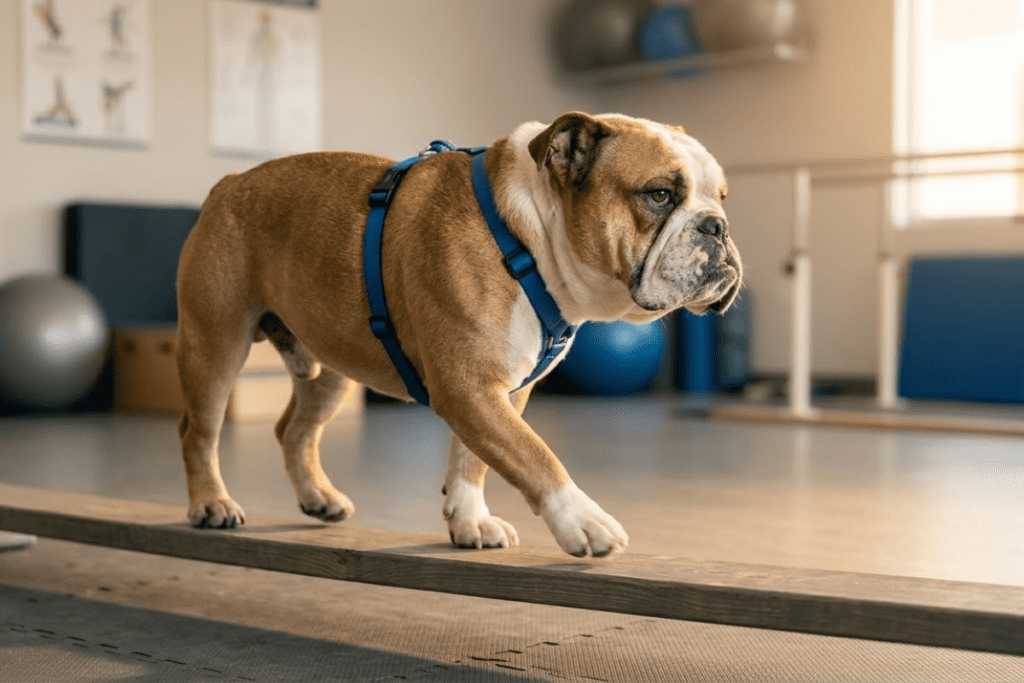
Many dogs become nervous after an injury or surgery. They feel unsure of their body. They may refuse to walk, avoid stairs, or hesitate before jumping onto the couch. This isn’t always about pain—it’s often about fear of falling or getting hurt again. As dogs do proprioception exercises, they relearn how to move safely. Each success—like stepping over an obstacle or walking across a padded mat—builds confidence.
The more they practice, the more they trust their body. This helps reduce anxiety. Dogs stop second-guessing their movements. Their posture improves. They begin to explore more. They play more. Their lives have changed because they’re no longer afraid to move. This is especially helpful for older dogs, who often slow down because of fear, not just stiffness. Proprioception exercises help them feel young and brave again.
Benefits You’ll See Over Time
The results of proprioception training don’t take long to notice. After just a few weeks of regular sessions, many dogs start to show small but powerful changes. These changes grow over time and can truly transform your pet’s daily life.
You may begin to see that:
- Your dog doesn’t stumble as often. Their steps are steady and sure. They lift their paws higher and place them with purpose.
- They rise from the floor more easily. Getting up no longer takes several tries or causes them to wobble. Their back legs start to feel stronger.
- Their legs and bodies look more toned. You may notice less muscle shaking when they stand and more even movement when they walk.
- They’re not afraid of stairs or slick floors. Confidence grows as balance improves. Dogs become more willing to explore the house again.
- They play longer and nap more peacefully. Moving better makes them happier and less tired, in a good way. This leads to deeper, more restful sleep.
- They seem happier and more relaxed. Less pain and better movement can change a dog’s whole mood. They wag more, cuddle more, and enjoy life again.
You might also notice your dog becoming more alert and interactive. When they can move without fear, they feel safer in their world. Their energy returns. Their curiosity grows. They may even act years younger. It’s important to remember that just walking your dog isn’t enough to build this kind of strength. While walking supports heart health, it doesn’t challenge balance or coordination.
Proprioception drills are different. They target deep muscles and nervous system pathways that everyday activities miss. That’s why they work so well. They’re not about speed or distance—they’re about connection and control. With practice, these exercises give your dog a strong, steady body and a calm, happy mind.
How Vitailix Can Help?
At Vitailix, we believe every dog should be able to move without pain or fear. That’s why we create special exercise plans that match your pet’s needs. Our programs are easy for you to follow at home and include gentle, hands-on help when you visit our clinic. As your dog gets stronger, we change the exercises to keep them just right.
Every session is made to feel safe, fun, and rewarding for your pet. We also work closely with your vet to make sure your dog gets full, complete care. Whether your dog is healing from surgery or just needs help staying strong with age, we’re here to help. With love, care, and expert training, we’ll guide your dog back to better movement and a happier life.
Final Thoughts
Proprioception exercises may seem simple, but they are life-changing for many dogs. They help your pet reconnect with their body, move more freely, and enjoy life again. Whether your dog is recovering, aging, or just needing more strength, these exercises bring big benefits in small steps. They heal more than the body—they rebuild trust, comfort, and joy. Start early. Stay consistent. And always move with care.
If your dog is slowing down, recovering from injury, or showing signs of poor balance, don’t wait. Proprioception training can help them move strongly, play longer, and live better. Book an appointment with Vitailix today. Let our caring team create the perfect recovery plan for your pet. Help your dog walk tall, feel strong, and wag with joy again.
Proprioception Exercises for Dogs: Frequently Asked Questions
1. What are proprioception exercises?
They help dogs improve balance, coordination, and body awareness after injury or with age.
2. Why does my dog need proprioception exercises?
These exercises rebuild strength, prevent falls, and support safe, confident movement.
3. What are examples of proprioception exercises for dogs?
Walking on cushions, stepping over poles, or standing on balance discs are common drills.
4. Are these exercises safe for all dogs?
Yes—when guided by a vet and tailored to your dog’s age, injury, or health.
5. How often should my dog do proprioception exercises?
Start with 5–10 minutes, 3 to 5 times a week, or as your rehab vet advises.