When your pet is hurt, weak, or in pain, it's hard to watch. Dogs and cats may limp, avoid walking, or seem tired all the time. You want to help them heal fast and stay safe. One way to do that is with electrical therapy for dogs, especially using NMES and TENS. These safe, non-drug …

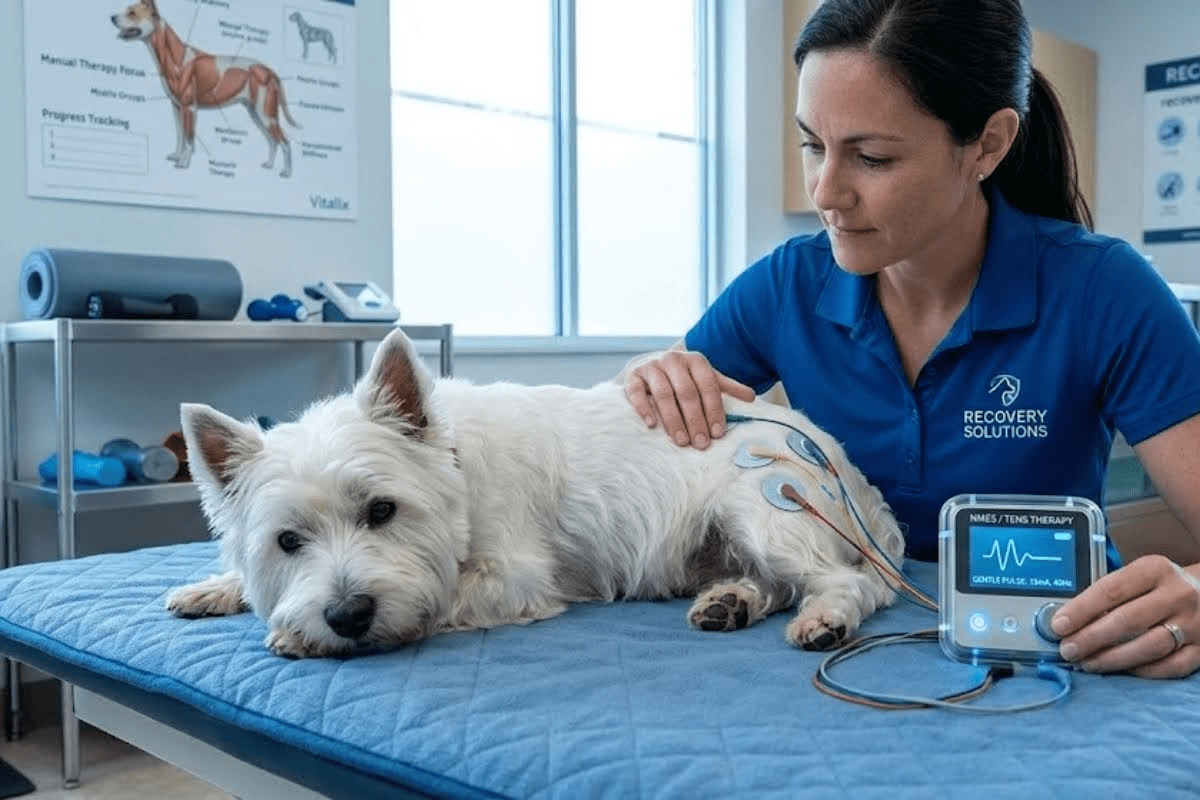
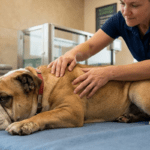
When your pet is hurt, weak, or in pain, it’s hard to watch. Dogs and cats may limp, avoid walking, or seem tired all the time. You want to help them heal fast and stay safe. One way to do that is with electrical therapy for dogs, especially using NMES and TENS. These safe, non-drug methods support your pet’s body as it heals. They are easy, gentle, and often used in vet clinics to help pets recover from pain, injury, or surgery. NMES and TENS help rebuild strength, improve comfort, and make movement easier.
Let’s break it down so you can fully understand what this kind of therapy is, how it works, and how it can help your furry friend feel better.
What Is NMES & TENS?
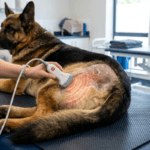
NMES stands for Neuromuscular Electrical Stimulation. It uses a small device to send gentle electrical signals through pads placed on your pet’s skin. These signals tell the muscles to contract. When a muscle contracts, it becomes stronger over time. NMES is helpful for pets who are too weak to move on their own or who are recovering from surgery. It helps maintain muscle tone, improves blood flow, and prevents the muscles from shrinking.
TENS means Transcutaneous Electrical Nerve Stimulation. It is also done with a machine and skin pads, but instead of strengthening muscles, it helps manage pain. TENS works by blocking the pain messages from nerves before they reach your pet’s brain. The result is a gentle, drug-free pain relief.
Both treatments are non-invasive. That means no surgery, no stitches, no cuts. The sessions are short and painless. Your pet might feel a light tickle or gentle buzz, but it won’t hurt them. Most pets feel calm during the session and may even nap. Many clinics, like RehabVet Clinic, use these therapies daily to treat pets safely.
How NMES & TENS Improve Quality of Life
Pets that are injured or in pain may not be able to enjoy the things they love. They may stop running, jumping, or even standing. NMES and TENS can help them live a full and comfortable life again.
Muscle Strengthening
When muscles are not used, they get weaker. It’s called muscle atrophy. NMES stops this from happening. It sends small pulses to the muscles to make them tighten and relax. This keeps muscles active and growing, even if the pet can’t walk yet. With stronger muscles, pets can support their body better and start walking sooner.
Pain Relief
Pain makes pets stop moving. It also makes them sad and tired. TENS helps reduce pain without needing medicine. The signals from the TENS machine block pain signals before they reach the brain. This lets your pet move more freely. Pets with arthritis, joint pain, or surgery pain feel better with TENS.
Faster Recovery
After an injury or surgery, recovery can be slow. Electrical therapy for dogs works together to speed it up. NMES brings blood to the sore area, which helps the body heal. TENS helps by making your pet more comfortable during rehab. With less pain and stronger muscles, your pet recovers faster.
No Drugs Involved
Some pets can’t take certain medicines. Others may have side effects. NMES and TENS are drug-free. They don’t affect the liver or kidneys. You can use them with other treatments or alone. They are safe for long-term use.
Improved Movement
With strong muscles and less pain, pets can move better. They can go for walks, play outside, and climb stairs. This boosts their mood, appetite, and overall health. A pet that moves freely is happy.
What Conditions Can NMES & TENS Treat?
Both NMES (Neuromuscular Electrical Stimulation) and TENS (Transcutaneous Electrical Nerve Stimulation) can help your dog or cat with many health problems. These therapies use gentle electrical currents. They can bring relief and help pets get better.
Easing Chronic Pain
Many pets live with pain every day. This is called chronic pain. It can come from old age, like arthritis, which makes joints stiff and sore. Old injuries can also cause lasting pain. NMES and TENS can help with this kind of discomfort. They work by either blocking pain signals or by helping muscles stay active. This means your pet might feel less pain when they walk or play. They might even move more easily.
Helping After Surgery
Pets often need time to recover after an operation. Post-surgery recovery can be painful. Their body also needs to heal the tissues that were cut. Electrical therapy for dogs can be a big help here. TENS can manage the pain right after surgery. This makes your pet more comfortable. NMES can gently make muscles work. This helps keep them strong even while your pet rests. It also encourages the healing process.
Preventing Muscle Wasting
When a pet gets hurt, they might not use a leg or a part of their body for a while. This can cause muscle wasting, where muscles get smaller and weaker. NMES is very good for this. It sends small electrical signals to the muscles. This makes them gently contract. It is like giving the muscle a tiny workout, even if your pet cannot move it on their own. This helps keep the muscle from shrinking too much. It means your pet will be stronger when they are ready to move again.
Supporting Neuromuscular Problems
Some pets have issues with their nerves or how their brain talks to their muscles. These are called neuromuscular problems. It might mean they have nerve damage. Or they might have poor muscle control, making it hard to walk straight. NMES and TENS can help these pets. NMES can stimulate the nerves and muscles to work better together. TENS can help with any pain caused by nerve issues. This therapy can make a big difference in how well these pets move and live.
Healing Sprains and Strains
Sprains happen when ligaments, which connect bones, get stretched or torn. Strains happen when muscles or tendons get stretched or torn. These are common injuries for active pets. Both NMES and TENS can speed up healing from these injuries. TENS can reduce the pain and swelling right away. NMES can then gently work the injured muscles. This helps them heal faster and get strong again. It can get your pet back to playing sooner.
Aiding Spinal Injuries
Injuries to the spine can be very serious for pets. They can cause weakness or even paralysis in the legs. Spinal injuries need careful treatment. NMES can be especially helpful here. Even if a pet cannot move their back or leg muscles well, NMES can help keep those muscles active. This helps maintain muscle strength and blood flow. It is important for recovery. It helps prevent further weakening.
If your pet is having trouble moving, seems weak, or avoids playing like they used to, it might be time to think about this therapy. Ask your vet if NMES or TENS could help your furry friend. They can tell you if it is the right choice for your pet’s specific needs.
How Does Electrotherapy Work?
The body uses electrical signals to control muscles and feel pain. When your pet gets injured or has surgery, those signals don’t work the same way. Electrotherapy helps by sending safe electrical pulses through the skin using a small device. These pulses support healing by either blocking pain or helping muscles contract. The two most common types of electrotherapy used in pets are electrical therapy for dogs. Each one has its job but works toward the same goal—helping your pet feel better and move again.
TENS: For Pain Relief
TENS, short for Transcutaneous Electrical Nerve Stimulation, focuses on stopping pain. A small machine sends low electrical signals into your pet’s skin using sticky pads. These signals travel along nerve pathways and stop pain from reaching the brain. It doesn’t heal the injury, but it does reduce how much pain your pet feels.
TENS is often used after surgery, during physical therapy, or for chronic pain conditions like arthritis. Pets may feel a light buzz or tingle during treatment, but it’s not painful. Some dogs even relax or fall asleep during sessions. After TENS, many pets can move better, rest easier, and take part in therapy without stress. Pain relief usually lasts 30 minutes to an hour.
NMES: For Muscle Strength
NMES stands for Neuromuscular Electrical Stimulation. This therapy helps weak muscles get stronger. After an injury or surgery, pets often stop using certain muscles. Over time, these muscles shrink. NMES prevents this by making the muscles contract without your pet needing to move.
The therapy uses a machine similar to TENS. However, instead of blocking pain, NMES works the muscle. It gently forces the muscle to tighten and relax, which improves strength and blood flow. This helps the injured area heal faster. Most sessions last 15 to 20 minutes and are repeated two or three times each week. Over time, pets gain back strength, balance, and mobility.
Why Electrotherapy Matters in Pet Rehabilitation & Recovery
When a dog is recovering from surgery or dealing with illness, they often stop moving as much. Pain, weakness, and stiffness can make simple tasks like walking or climbing stairs feel impossible. Muscles begin to fade, and joints become tight.
Natural Healing Support
Electrotherapy helps restart healing. It increases circulation, which brings more oxygen and nutrients to sore or damaged areas. It also lowers swelling, which allows joints to move more freely. Because it works without medicine, it’s especially helpful for pets that can’t tolerate drugs or need long-term care. Electrotherapy helps pets feel stronger and more like themselves again, without added stress on their body.
How Does the Machine Know What to Do?
Electrotherapy machines are smart and easy to adjust. The vet or therapist sets the machine to match your pet’s needs. They choose how fast the signals go, how strong they feel, and how long each pulse lasts. These settings are based on your pet’s size, condition, and comfort level.
One key setting is called ramp time. This controls how slowly the signal builds up. A soft, gradual increase helps keep pets calm and prevents sudden discomfort. Since pets can’t explain what they feel, ramp time protects them from shocks that are too strong or fast. By using the right settings, therapy becomes safe, gentle, and effective.
Real Science Behind NMES in Pets
This isn’t guesswork—it’s backed by research. In 2013, a study led by Distefano tested NMES on animals with muscle injuries. After four weeks of treatment, the number of healthy muscle fibers doubled. That means muscles got stronger in less time. The study also showed better blood flow in the injured areas. This helped pets heal faster and move better. Even pets who didn’t get other treatments improved just by using NMES. It helped them walk better, reduced muscle fatigue, and improved strength. This shows NMES is more than a support tool—it actively helps the body rebuild.
When Should NMES or TENS Be Used?
Vets often suggest electrical therapy for dogs right after surgery to control pain and protect the muscles. These therapies can also be used during a rehab program to speed up progress. They’re safe, easy to apply, and often make pets more willing to take part in therapy.
For Aging and Injured Pets
Older pets with arthritis or weak muscles benefit from regular sessions. Dogs with joint problems or muscle loss often show better movement and less stiffness after just a few treatments. TENS and NMES can also help pets who can’t take pain medicine due to other health issues.
Always Talk to Your Vet First
It’s important to remember that electrotherapy must be used under a vet’s guidance. Each pet is different, and the wrong settings or placement could cause harm. A trained therapist will know how to create a plan that fits your pet’s needs and safety.
Are There Any Risks or Side Effects?
Electrotherapy is very safe when done by a professional. But there are a few times when it shouldn’t be used. Pets with metal implants in the treatment area should avoid it, since the electricity can interact with the metal. The same goes for pets with pacemakers or heart issues.
Sometimes pets feel tired after a session. This is normal and often a sign that the body is reacting well to treatment. After a short rest, most pets feel better, move more easily, and act more like themselves. Always follow your vet’s guidance, and report any changes after therapy to ensure your pet stays safe.
How Often Are Sessions Needed?
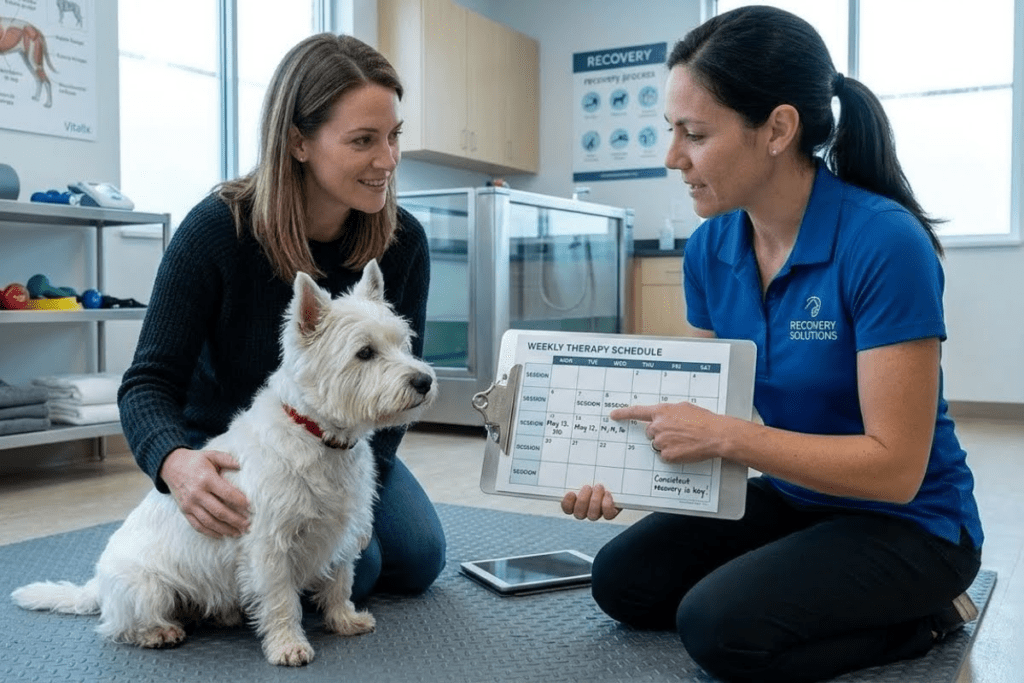
Most pets start with two to three sessions per week. These sessions are short, around 15 to 20 minutes each. That’s enough to make a difference without wearing out the pet. Electrotherapy fits easily into most rehab programs and adds support without causing stress.
Progress Over Time
As your pet improves, the number of sessions may go down. Some pets recover in just a few weeks, while others need long-term care. The frequency depends on how your pet responds. Your vet will watch their progress and change the plan if needed. Over time, therapy can shift from regular sessions to an as-needed basis. The goal is always steady, safe improvement.
Final Thoughts
Pets deserve to feel good every day. Electrical therapy for dogs is a way to help them heal from pain, injury, or muscle loss. These gentle treatments support the body without drugs or surgery. Whether your dog is bouncing back from surgery or your cat is losing strength, this kind of therapy can help. It makes muscles stronger, eases pain, and improves movement. Most importantly, it helps your pet feel like themselves again—active, playful, and full of life. If your pet is struggling, NMES and TENS may be the safe, natural choice to bring back their energy and comfort.
NMES & TENS Therapies Frequently Asked Questions
What is NMES treatment for dogs?
It is a safe method using small electric pulses to make weak muscles contract and grow stronger.
Can a TENS machine be used on dogs?
Yes, under a vet’s care. It helps reduce pain in dogs with arthritis or after surgery.
What is NMES in animals?
It helps animals rebuild muscle and restore movement after injuries or illness.
What are the disadvantages of NMES?
It should not be used near metal implants, and some pets may feel tired after treatment.
Is it safe to use a TENS machine daily?
Yes, when done under supervision. However, too much use without breaks can cause pets to become sore.