Taking care of a dog means wanting the best for them. When they hurt or have trouble moving, it can be hard to watch. Manual therapy for dogs offers a gentle way to help them heal. This hands-on treatment can ease pain, reduce swelling, and improve how your pet moves every day. It supports natural …

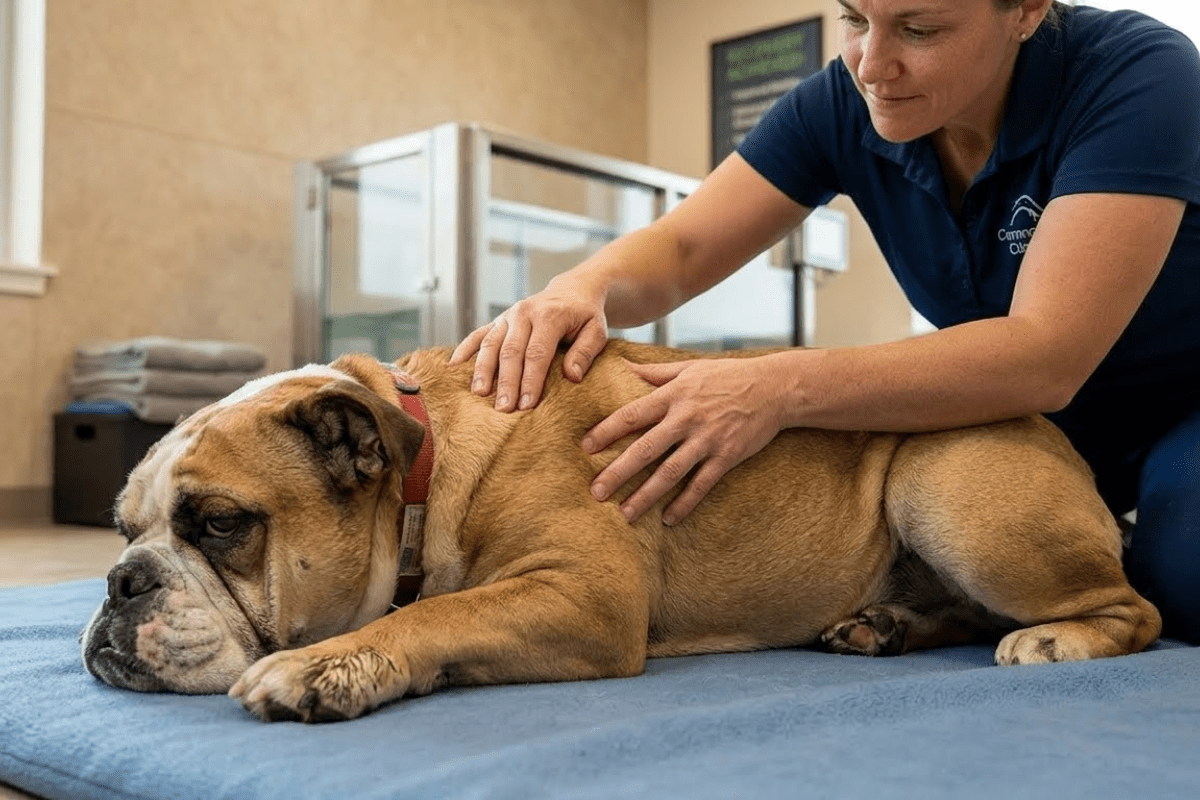
Taking care of a dog means wanting the best for them. When they hurt or have trouble moving, it can be hard to watch. Manual therapy for dogs offers a gentle way to help them heal. This hands-on treatment can ease pain, reduce swelling, and improve how your pet moves every day. It supports natural healing without harsh medicines or surgeries.
In this guide, you’ll learn what manual therapy is, how it works, and why it matters for your furry friend. We’ll explain the benefits, types of therapy, and conditions it treats. Plus, you’ll find tips on how to help your pet get the best results.
What Is Manual Therapy for Dogs?
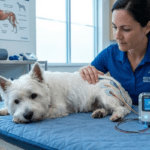
Manual therapy is a type of hands-on treatment used by trained professionals to help pets feel better and move more easily. It involves using the therapist’s hands to gently work on your pet’s muscles, joints, tendons, and soft tissues. The goal is to reduce pain and improve how your pet’s body functions.
This therapy is not just a massage. It includes many techniques such as moving joints slowly to increase motion, pressing on tight muscles to release tension, and stretching areas that have become stiff. Therapists use what’s best for each pet based on their health and needs.
At places like RehabVet Clinic, therapists work closely with pet owners. They check your pet’s movement and design a plan that fits their condition. They also teach owners simple exercises to do at home. Manual therapy helps pets feel more comfortable and live happier lives.
How Does Manual Therapy Work?
Manual therapy works by helping your pet’s body heal itself. When an injury happens or pain builds up, muscles tighten, and joints may become stiff. This can make movement painful or limited. Manual therapy targets these problems directly with gentle pressure and movement.
For example, if your dog has arthritis, their joints may hurt and swell. The therapist will slowly move the joint to keep it flexible. They might massage nearby muscles to relax tight spots and improve blood flow. This helps the joint stay healthier longer. Another way it works is by reducing inflammation. Swollen areas have extra fluid that can cause pain. Manual lymphatic drainage is a light massage technique that encourages fluid to move out. This eases swelling and helps your pet feel better faster.
Manual therapy also supports the nervous system. For pets with nerve problems, careful touch can help nerves work better. This can improve balance and muscle control. All these effects combined create an environment where healing happens naturally. The body starts to repair damaged tissues and regain strength. Manual therapy encourages this process without the need for drugs or invasive treatments.
Benefits of Manual Therapy for Dogs
Manual therapy offers many important benefits to pets. Here are some of the main ways it helps:
Pain Relief
One of the biggest reasons to try manual therapy is to ease pain. Conditions like arthritis or injuries cause aches that make pets uncomfortable. The hands-on techniques help lower the pain signals sent to the brain. This gives your pet relief and lets them move more freely.
Better Mobility
Pets with stiff or sore joints often limit how much they move. Manual therapy improves joint flexibility and muscle strength. This means your pet can walk, run, or jump with less trouble. Improved mobility also helps prevent falls and further injuries.
Faster Recovery
After surgery or injury, healing takes time. Manual therapy speeds this by increasing blood flow and reducing swelling. It helps broken tissues heal stronger and quicker. For example, pets recovering from knee surgery can regain function faster with therapy.
Reduced Inflammation
Swelling slows healing and causes pain. Manual lymphatic drainage moves fluid away from swollen areas. This reduces inflammation and speeds up recovery. It also helps pets with chronic conditions where swelling builds up over time.
Muscle Relaxation
Tight muscles can cause stiffness and pain. Manual therapy loosens these muscles by stretching and massage. Relaxed muscles support joints better and reduce spasms. This is especially helpful for pets with muscle injuries or neurological issues.
Improved Performance
Manual therapy isn’t just for sick or injured pets. Athletic or working animals benefit too. By keeping muscles and joints in good shape, therapy boosts endurance and strength. This helps dogs who run, jump, or do special tasks stay at their best.
Works Well With Other Therapies
Manual therapy often works together with other rehab treatments. These include hydrotherapy (water exercises), laser therapy, and therapeutic exercises. Combining therapies creates a complete healing plan that covers all needs.
Types of Manual Therapy Used in Veterinary Care
Several hands-on techniques make up manual therapy. These methods target different parts of your pet’s body to support healing.
Joint Mobilization
This technique involves gentle movements that stretch and glide joints. The goal is to increase the range of motion and reduce stiffness. Mobilization can ease joint pain and improve function. It’s especially useful for arthritis or after surgery.
Soft Tissue Mobilization
Soft tissue refers to muscles, tendons, and ligaments. Therapists use massage and myofascial release to ease tightness in these tissues. This improves blood flow and breaks up scar tissue. It helps pets recover from muscle injuries and spasms.
Stretching Exercises
Therapists guide pets through safe stretches to lengthen muscles and tendons. Stretching keeps joints flexible and prevents injury. Pets who do regular stretching often have better movement and less stiffness.
Manual Lymphatic Drainage
This is a light, rhythmic massage that moves fluid in the lymph system. It helps reduce swelling and improves immune function. It is especially good for pets with swelling after surgery or injury.
Passive Range of Motion (PROM) Exercises
In PROM, the therapist gently moves your pet’s limbs without them actively moving. This keeps joints from getting stiff when pets can’t move easily on their own. PROM helps maintain flexibility and prevents muscle loss. Each pet gets a unique mix of these therapies based on their condition. The therapist adapts techniques to match your pet’s size, health, and comfort.
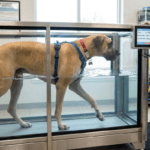
Hydrotherapy Treadmill
The hydro treadmill is a water-filled treadmill that helps pets walk while feeling lighter. The water supports their body, reducing stress on joints. It builds muscle, improves movement, and is very useful for pets with arthritis, injuries, or weight problems. Each pet gets a custom mix of these therapies. The therapist adjusts the plan based on your pet’s needs, comfort, and healing stage.
Conditions That Benefit From Manual Therapy
Dogs who use the hydro treadmill for dogs often show visible improvement in just a few weeks. Their walking gets smoother, they move more easily, and they seem happier.
Arthritis
Arthritis causes joint pain and stiffness. Manual therapy helps ease discomfort and improve joint function. Pets with arthritis often move more easily and show less limping after therapy.
Post-Operative Recovery
After surgery, pets need help healing their muscles and joints. Manual therapy speeds recovery by improving blood flow and reducing scar tissue formation. It also prevents stiffness from a lack of movement.
Sports Injuries
Dogs who are active or in working roles can get muscle strains or ligament injuries. Manual therapy helps reduce pain and supports tissue repair. It also restores normal function faster.
Neurological Disorders
Conditions like nerve damage or spinal issues can cause muscle weakness and coordination problems. Manual therapy helps keep muscles strong and supports nerve function. This improves balance and mobility.
Chronic Pain
Pets with ongoing pain from conditions like hip dysplasia benefit from manual therapy. It helps manage pain signals and keeps muscles relaxed. This improves their quality of life.
Muscle Stiffness and Spasms
Muscle problems cause stiffness and spasms that limit movement. Manual therapy stretches and massages tight muscles. This reduces spasms and makes pets feel more comfortable.
What Happens During a Manual Therapy Session?
When you bring your pet for manual therapy, the process is clear and caring. First, the therapist reviews your pet’s health history. They ask about injuries, surgeries, and how your pet moves at home. Next, the therapist observes your pet walking and standing. They gently feel muscles and joints to find areas that hurt or are tight. They may test joint flexibility to see how much movement is possible.
After the evaluation, the therapist explains the treatment plan. Sessions usually last 30 to 60 minutes. During treatment, the therapist uses hands-on techniques to address problem areas. They may do joint mobilization, massage muscles, or guide stretches. The therapist also shows you how to do simple exercises at home. These help keep progress going between visits. Most pets need several sessions to see the best results. Regular therapy builds strength and reduces pain over time.
How to Help Your Pet at Home
Your role at home is key to success. Doing recommended exercises daily can speed healing. These might include gentle stretches or range-of-motion moves. Keep your pet’s activity level steady. Avoid too much jumping or running until the therapist says it’s safe. Soft bedding and ramps can help pets avoid extra strain.
Watch for signs of pain or changes in movement. If your pet limps more or seems stiff, tell your therapist. They can adjust treatment to help better. Also, be patient. Healing takes time, especially with chronic problems. With care and therapy, most pets improve little by little.
Why Choose Vitailix for Manual Therapy?
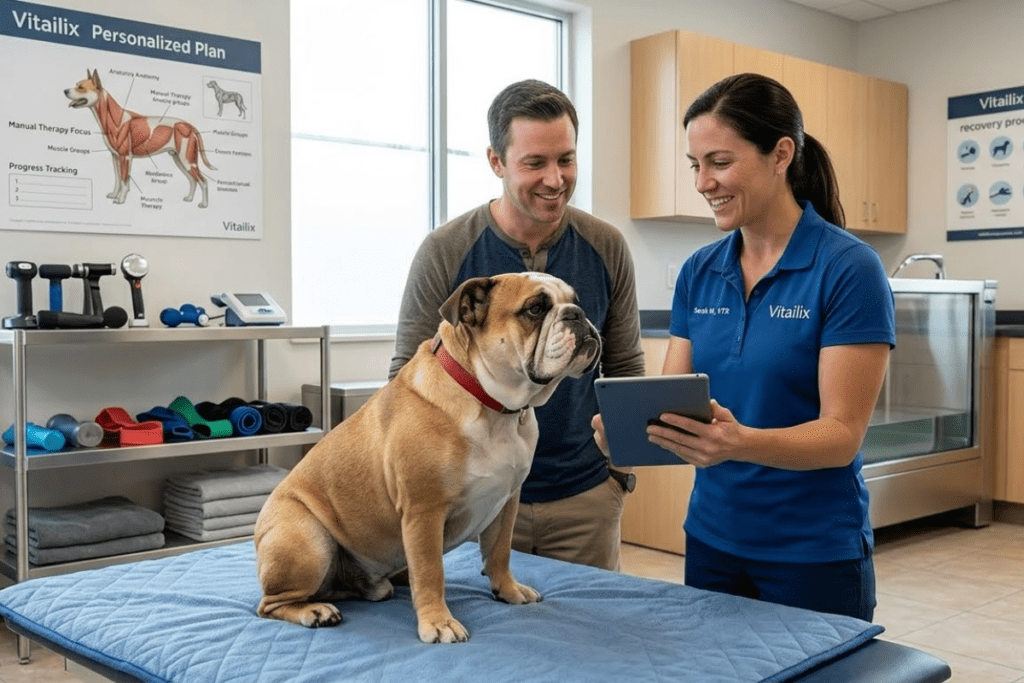
At Vitailix, expert therapists focus on your pet’s needs. They combine manual therapy with other treatments like laser or hydrotherapy. This gives pets a complete healing approach. We use proven methods that help pets recover faster and feel better. Our team tracks progress and updates your plan regularly. We also teach owners how to support their pets at home. Choosing Vitailix means your pet gets gentle, effective care. Our goal is to help pets live active, happy lives without pain.
Conclusion
Manual therapy for dogs offers a gentle, natural way to heal. It relieves pain, improves movement, and speeds recovery. This hands-on care works on muscles, joints, and tissues to support your pet’s health. Whether your pet has arthritis, an injury, or nerve issues, manual therapy can help.
At Vitailix, Skilled therapists create personalized treatment plans. They guide you through every step to make sure your pet gets the best care possible. By combining manual therapy with other rehab methods, your pet’s healing journey becomes easier and more complete.
Call to Action
Is your dog struggling with pain or limited movement? Don’t wait to help them feel better. Contact Vitailix today to book a manual therapy appointment. Our caring therapists will design a hands-on plan just for your pet. We’re here to support your furry friend’s natural healing every step of the way. Call now and give your pet the care they deserve!
Manual Therapy for Dog Frequently Asked Questions
1. What is manual therapy for dogs?
Manual therapy is a hands-on treatment where a trained therapist gently moves your pet’s joints and muscles to help them feel better.
2. Does manual therapy hurt my pet?
No, it doesn’t hurt. The movements are slow and gentle, and most pets feel relaxed during the session.
3. How long before I see results from manual therapy?
Many pets feel better after a few sessions, but it depends on their condition and how often they get therapy.
4. Can manual therapy be used with other treatments?
Yes! It works well with hydrotherapy, laser therapy, and home exercises as part of a full healing plan.
5. Is manual therapy safe for older pets?
Yes, it’s very safe for seniors. It can ease joint pain and help them move more comfortably.