Taking care of a pet recovering from an injury or surgery is not easy. Many pet owners focus only on medications or physical therapy. But weight control plays a big role in helping pets heal faster. Whether your dog, cat, or another pet is going through rehab, keeping their weight in check can make a …

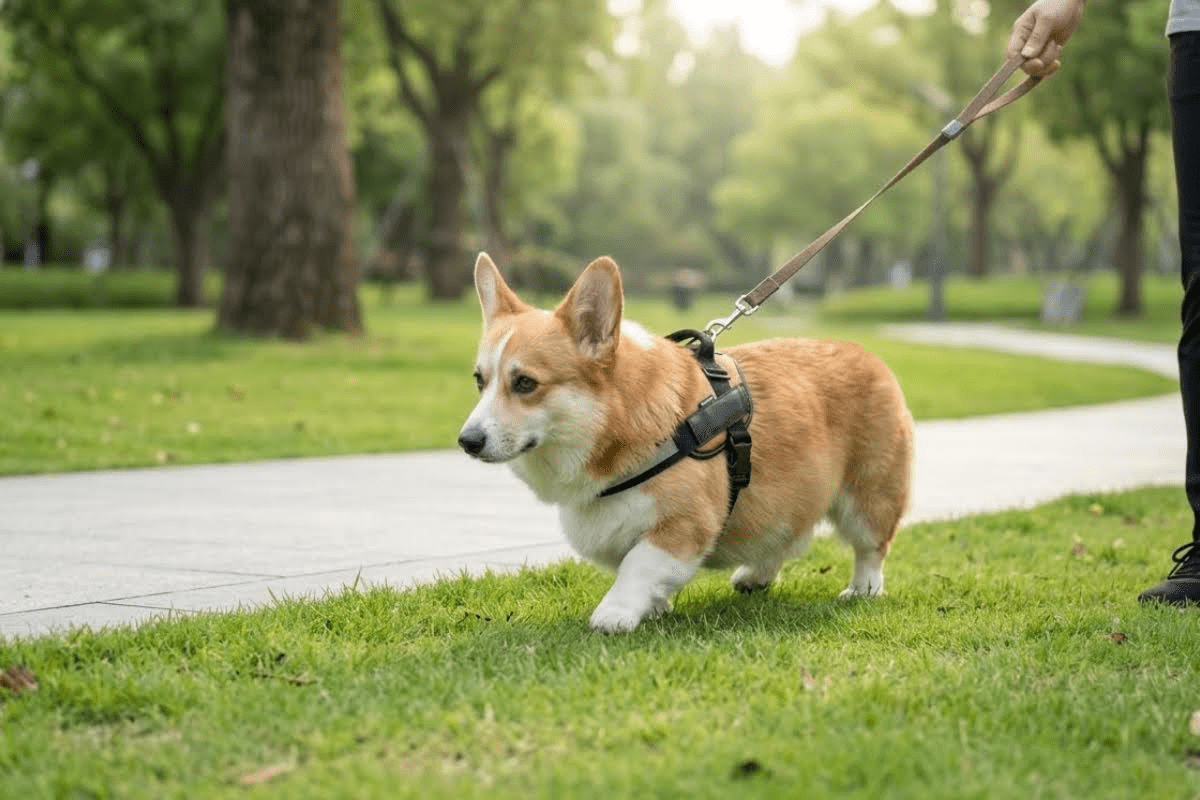
Taking care of a pet recovering from an injury or surgery is not easy. Many pet owners focus only on medications or physical therapy. But weight control plays a big role in helping pets heal faster. Whether your dog, cat, or another pet is going through rehab, keeping their weight in check can make a real difference. This blog will explain why managing weight is important during pet rehabilitation, how it affects recovery, and the best ways to keep your pet healthy.
Why Weight Matters in Pet Rehabilitation
When a pet is injured or has surgery, their body needs extra care to heal well. Carrying too much weight adds pressure to their joints and muscles. This slows down the recovery process and causes more pain. On the other hand, if a pet is too thin or weak, it may not have enough strength to participate in rehabilitation exercises. Weight control during rehabilitation helps pets move more easily. It lowers the chance of extra injuries. It also supports heart and lung health, making sure pets have enough energy to heal.
How Weight Affects Joint Health
Every extra pound on your pet adds stress to their joints. For pets recovering from joint surgery, arthritis, or injury, this can be a big problem. Extra weight increases inflammation and pain. It can cause slower healing or even damage the joint further. By keeping your pet’s weight healthy, you reduce the load on their joints. This helps them regain movement more quickly. Less pressure means less pain, and less pain means pets are more willing to exercise and stay active. Exercise, in turn, speeds up recovery.
Weight and Mobility During Rehabilitation
Mobility is key during pet rehabilitation. Pets need to move and stretch to build strength and flexibility. Overweight pets often struggle to move well. They may become tired fast or avoid activity because it hurts. When a pet’s weight is controlled, they can move more freely. This leads to better participation in physical therapy, like walking, stretching, and hydrotherapy. It also helps improve muscle tone and balance. Moving more improves circulation, which supports healing.
Impact of Weight on Heart and Lung Health
Like people, pets with extra weight have to work harder to breathe and keep their hearts pumping. This can be dangerous during rehabilitation when pets need steady oxygen and energy. Overweight pets may have higher blood pressure and slower recovery. Weight control helps reduce the strain on the heart and lungs. Pets can breathe easier and keep up with therapy sessions without getting tired. A healthy heart and lungs help pets stay active and recover faster.
Effective Weight Management Strategies During Rehabilitation
Keeping your pet’s weight on track requires a careful plan. This plan includes healthy eating, safe exercise, and regular monitoring. Below are some tips that pet owners can follow during rehabilitation.
Balanced Nutrition
Food is a major factor in weight control. Feeding your pet the right kind and amount of food is important. Choose diets rich in protein, vitamins, and minerals that meet your pet’s specific needs. Avoid overfeeding or giving too many treats. It’s best to consult a pet nutritionist or your veterinarian. They can recommend a diet plan that supports healing and keeps your pet at a healthy weight. Sometimes special prescription diets are needed to manage weight and joint health.
Controlled Exercise
Even during recovery, pets need to stay active. Controlled and gentle exercise helps burn calories and build muscle. Hydrotherapy or underwater treadmill therapy is especially helpful. These exercises provide resistance while reducing pressure on joints. Always work with your veterinarian or rehabilitation therapist before starting any exercise routine. They will suggest safe activities suited to your pet’s condition.
Regular Weight Checks
Monitoring your pet’s weight regularly is essential. Weigh your pet weekly or monthly to track progress. If weight changes are noticed, adjust the diet or exercise routine accordingly. Use a home scale if possible, or visit the vet for accurate readings. Keeping records helps spot any problems early and keeps your pet on track.
Why Professional Help Is Important in Pet Rehabilitation
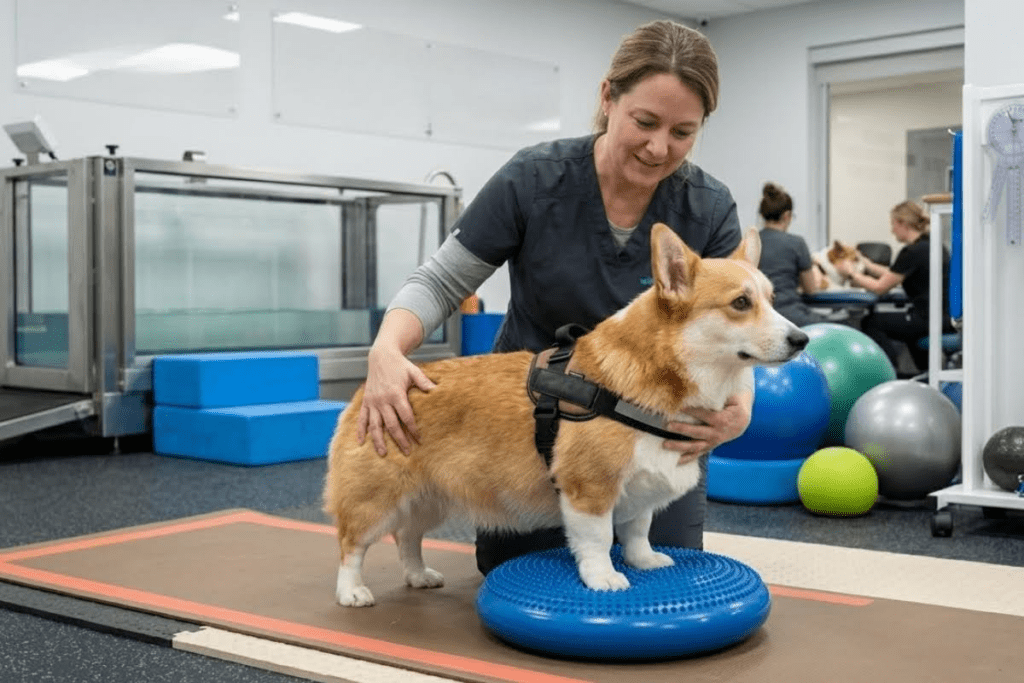
Pet rehabilitation is a complex process. Every pet is unique and requires personalized care. Professionals, such as veterinarians and certified rehab therapists, have the training to guide your pet’s recovery safely. They will evaluate your pet’s health, suggest the right treatments, and design a weight management plan. Professionals also monitor your pet’s progress and make changes as needed. Relying on expert care ensures your pet recovers well without risking further injury or health issues.
Conclusion
Managing weight during pet rehabilitation is critical. It supports joint health, mobility, and heart function, all of which influence how quickly your pet recovers. Balanced nutrition, gentle exercise, and regular weight monitoring form the foundation of successful rehab.
Always work closely with veterinarians and rehabilitation specialists. Their expertise ensures your pet gets the best care while maintaining a healthy weight. Your pet’s well-being matters most. Keep their weight in check to give them the best chance for a smooth recovery and a happier, healthier life.
Is your pet recovering from injury or surgery? Don’t wait to take control of their health! Contact Vitailix today to learn how our expert team can support your pet’s rehabilitation journey. Schedule your consultation now and give your furry friend the care they deserve!
Pet Weight Control During Rehab Frequently Asked Questions
1. How can I tell if my pet is overweight?
Look for signs like difficulty feeling their ribs, a sagging belly, or reduced activity. Your vet can confirm if your pet is at a healthy weight.
2. How does weight affect my pet’s rehabilitation?
Excess weight stresses joints, lowers mobility, and strains the heart. A healthy weight helps speed healing and improves therapy outcomes.
3. Can my pet exercise during rehabilitation?
Yes, but only under professional supervision. Low-impact exercises like hydrotherapy are safe and effective.
4. What should I feed my pet during rehabilitation?
Feed a balanced diet recommended by your vet or nutritionist, focusing on nutrients for healing and weight control.
5. How often should I weigh my pet during rehab?
Weekly or biweekly weight checks help track progress and adjust care plans.