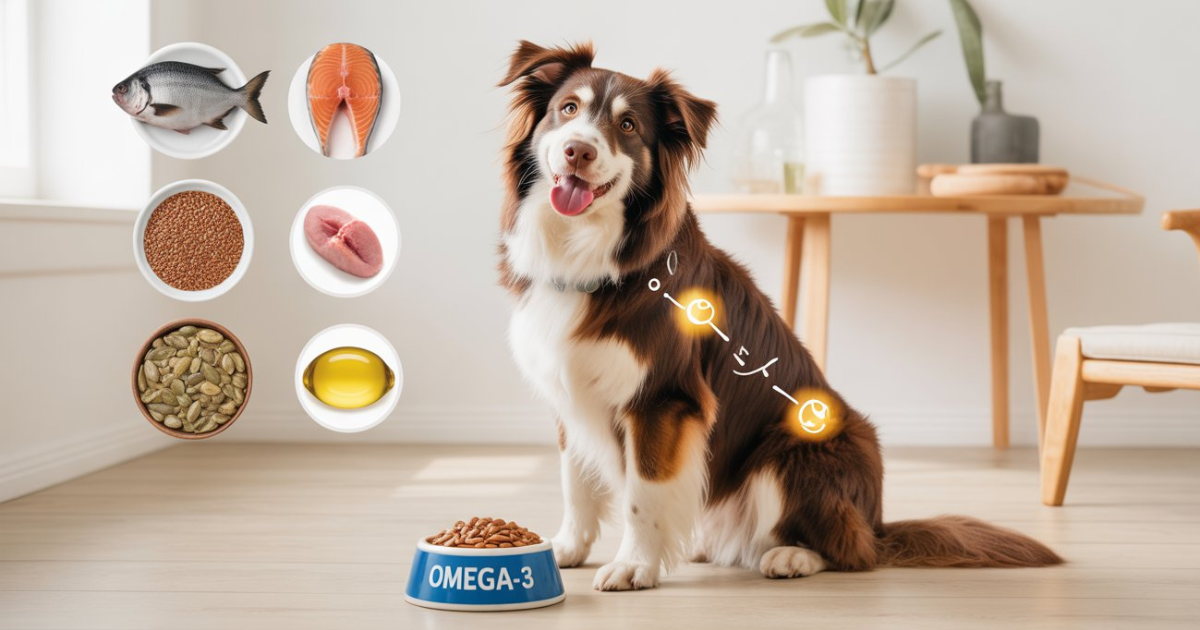
Your dog’s health starts with what you put in their bowl. While high-quality dog food forms the base of a good diet, adding nutrient-rich foods can provide a major boost. The best superfoods for dogs offer natural nutrition that supports their immune system, joints, digestion, and overall vitality. Many of these canine superfoods are already …

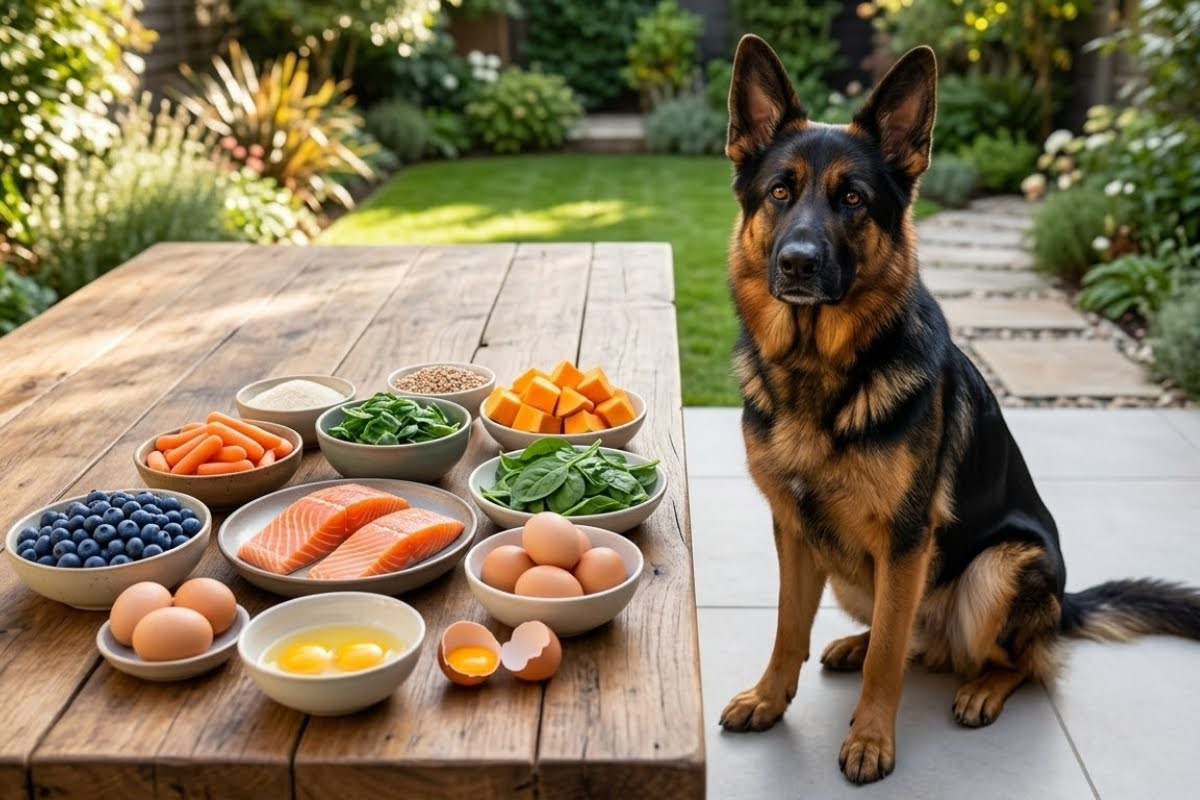
Your dog’s health starts with what you put in their bowl. While high-quality dog food forms the base of a good diet, adding nutrient-rich foods can provide a major boost. The best superfoods for dogs offer natural nutrition that supports their immune system, joints, digestion, and overall vitality. Many of these canine superfoods are already in your kitchen or easily available at your local grocery store. Packed with vitamins, minerals, antioxidants, and fiber, these foods don’t just help your dog live longer; they also help them feel better every day.
What Makes a Food a Superfood for Dogs?
A superfood is a natural food source rich in nutrients and known to offer health benefits. For dogs, these foods can improve energy, reduce inflammation, promote a shiny coat, and strengthen the immune system. The best superfoods for dogs are whole foods that support their wellbeing without artificial additives or fillers.
Canine superfoods are safe, nutrient-dense, and support functions like digestion, joint health, and brain activity. They’re easy to prepare, and most dogs love the taste!
1. Pumpkin
Pumpkin is one of the top canine superfoods. Rich in beta-carotene (Vitamin A) and fiber, it supports digestion and helps with both constipation and diarrhea. Plus, dogs love its slightly sweet taste. It also helps soothe sensitive stomachs and can firm up loose stools. Just a spoonful can do wonders when mixed into meals.
2. Sweet Potatoes
Sweet potatoes are loaded with Vitamin C, manganese, and fiber. Their slow-burning carbs give dogs energy throughout the day. This food is also excellent for maintaining healthy blood sugar levels. They’re gentle on digestion and full of antioxidants that protect cells from damage.
3. Blueberries
These tiny fruits pack a nutritional punch. They contain antioxidants, Vitamin C, and fiber.
Blueberries are known to slow cognitive aging in senior dogs and help fight disease. They’re also low in calories and easy to use as healthy, bite-sized treats.
4. Broccoli
Broccoli is high in Vitamin C and fiber. It helps regulate digestion and supports your dog’s immune system. Feed it steamed and in moderation to avoid gas. It also provides cancer-fighting compounds and can add crunch to meals when served raw in small bits.
5. Kale
Kale is rich in Vitamins C and K, calcium, and magnesium. It’s full of antioxidants that help protect your dog’s cells and immune system. A small serving goes a long way. It also promotes detox and bone strength, making it a great leafy green for aging dogs.
6. Carrots
Carrots offer beta-carotene and are great for dental health when served raw. They’re also low in calories, making them ideal for training treats. Their crunch helps clean teeth, and they’re rich in fiber to support gut health.
7. Apples
Apples provide fiber and Vitamin C. Always remove the seeds and core before feeding. They support digestion and make a crunchy, low-fat treat. Apples also freshen breath naturally and offer hydration due to their high water content.
8. Chia Seeds
Tiny but powerful, chia seeds are rich in omega-3 fatty acids, fiber, and protein.
They help with hydration and promote a glossy coat. Chia seeds also support heart health and offer slow-burning energy throughout the day.
9. Sardines
Sardines are rich in omega-3s, calcium, and Vitamin D. Feed them fresh or canned in water.
They’re a great alternative to fish oil supplements. Sardines help reduce inflammation and support brain and joint health in aging dogs.
10. Chicken
Chicken is a clean, low-fat protein that supports muscle development. Always serve cooked and without seasoning. Dogs love it, and it’s easy to digest. Chicken also contains B vitamins that help maintain energy levels and promote healthy skin.
11. Spinach
Spinach contains iron, Vitamin A, C, and K. It’s also loaded with antioxidants. Serve lightly cooked to reduce oxalates and help with absorption. Spinach supports eye health and helps protect cells from free radical damage.
12. Coconut Oil
Coconut oil supports skin health, cognitive function, and digestion. Start with a small amount to avoid digestive upset. It also has antibacterial properties and can improve coat shine and reduce hot spots.
13. Green Beans
Green beans are low in calories but high in fiber. Great for overweight dogs or as a crunchy snack, they also contain Vitamin C, Iron, and Vitamin A. Their texture makes them a fun treat, and they help dogs feel full longer.
14. Eggs
Eggs are a complete protein source and offer essential fatty acids. Cooked eggs are a safe and nutritious food to support healthy muscles and coat. They also contain biotin, which helps with skin and cell health.
15. Plain Greek Yogurt
Greek yogurt is full of probiotics that aid digestion. It also provides calcium and protein. Choose plain, unsweetened versions to avoid added sugars. It can also calm upset stomachs and improve gut balance.
Why You Should Add Superfoods for Dogs to Their Diet
Feeding your pup nutrient-dense foods helps more than just their energy levels. The best superfoods for dogs support a strong immune system, improve digestion, reduce inflammation, and contribute to healthy aging. Even better, many of these foods are easy to mix into your dog’s regular meals.
Adding just a few of these powerful ingredients can improve your dog’s health and happiness. As a dog owner, it is your responsibility to take care of your dog’s health, ensure they receive supplements in their diet.
How to Safely Introduce Canine Superfoods?
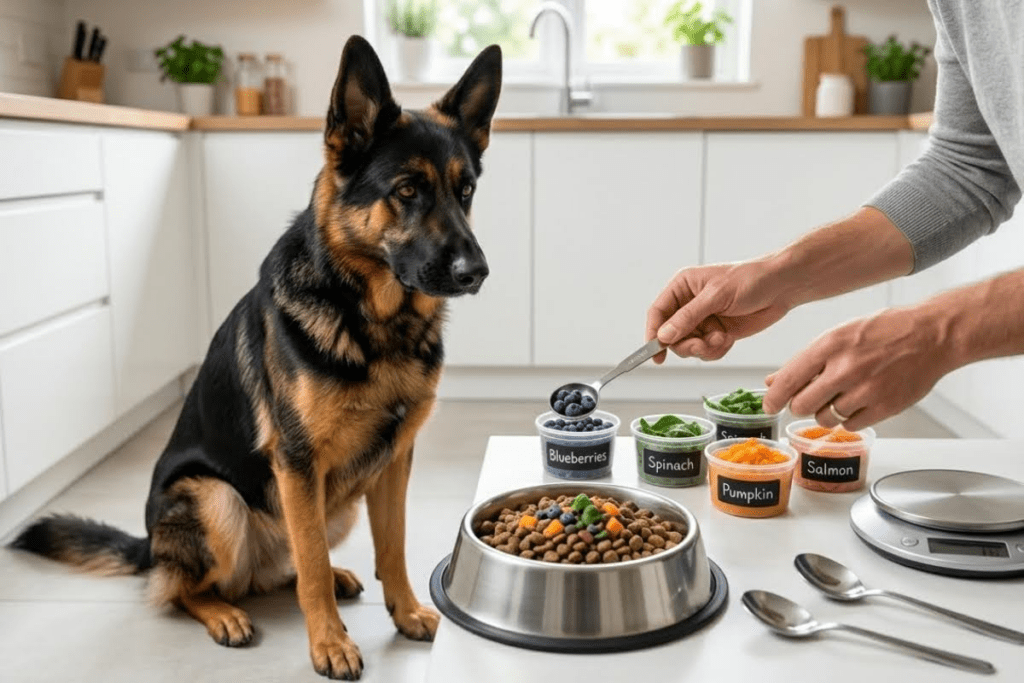
Start with small portions. Introduce one new food at a time to monitor for any reactions. Avoid seasoning, salt, and harmful additives. Consult your vet before making major changes to your dog’s diet, especially if they have existing health conditions. Adding superfoods is great, but it’s also vital to know what to AVOID. Never feed your dog.
- Grapes or raisins
- Onions or garlic
- Chocolate
- Xylitol (found in sugar-free products)
- Cooked bones
Stick to the best superfoods for dogs and steer clear of harmful items.
Conclusion
Feeding your dog well is a powerful way to keep them healthy and happy. The superfoods for dogs provide a natural, nutrient-rich boost to their daily diet. From crunchy carrots to omega-rich sardines, these foods are more than just treats—they’re tools for better health. Dogs that eat well live longer, feel better, and have more energy to play, explore, and love. Adding these 15 canine superfoods into your pup’s meals is a simple and affordable way to invest in their lifelong wellness.
Give your furry friend the nutrition they deserve! Start including the best superfoods for dogs in their diet today and help them live a longer, healthier life.
Best Superfoods for Dogs Frequently Asked Questions
1. Can I feed all 15 superfoods to my dog daily?
No. Rotate them and introduce them gradually. Some, like yogurt and sardines, are best in moderation.
2. Are raw vegetables better for dogs than cooked ones?
Some are fine raw (like carrots), but others (like spinach or broccoli) are easier to digest when lightly cooked.
3. Is it safe to give coconut oil to my dog every day?
Yes, but in small doses. Too much can cause diarrhea. Start with a small amount and monitor.
4. Can puppies eat the best superfoods for dogs too?
Yes, but consult a vet first. Puppies have different nutritional needs from adult dogs.
5. How do I know if my dog is allergic to a new food?
Watch for signs like itching, vomiting, or loose stool. Introduce one new food at a time for easier monitoring.