When your dog has surgery, the road to recovery can be tough. Healing takes more than just rest and medicine. What your pet eats after surgery plays a big part in how fast and how well they recover. A proper post-surgery pet diet helps the body rebuild tissue, fight off infection, lower swelling, and stay …

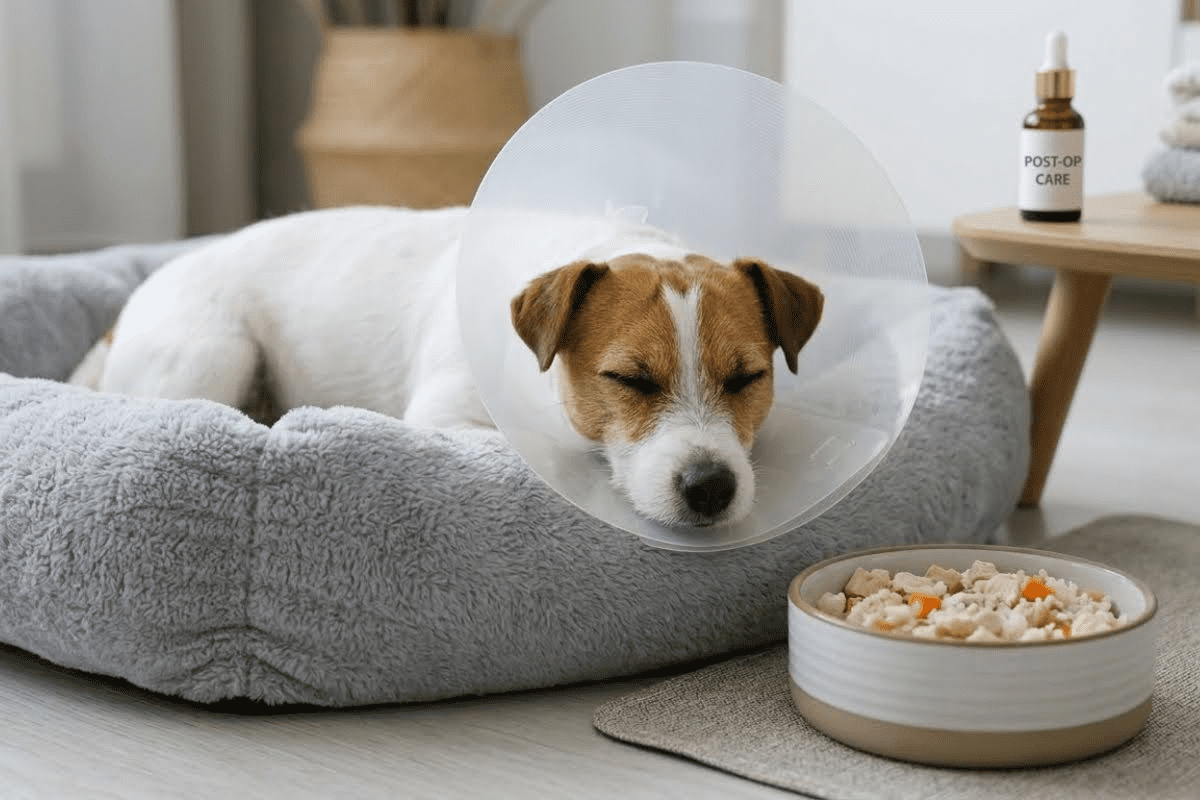
When your dog has surgery, the road to recovery can be tough. Healing takes more than just rest and medicine. What your pet eats after surgery plays a big part in how fast and how well they recover. A proper post-surgery pet diet helps the body rebuild tissue, fight off infection, lower swelling, and stay energized.
Just like people, pets need special food when healing. Some pets might be bouncing back from tumor removal. Others could be recovering from broken bones or joint surgery. Each situation is different, and that means their food should be different too. Picking the right diet means giving your pet the right food at the right time. This helps the healing process and keeps them strong.
In this blog, we’ll guide you step-by-step on how to choose the best post-surgery diet for dogs. We’ll also explain how good nutrition and proper weight make a big difference in your pet’s recovery.
Why Nutrition is Important After Surgery
When your pet has surgery, their body works hard to fix the damage. This takes energy and nutrients. Protein helps fix muscles and tissues. Fats provide energy. Vitamins and minerals keep the immune system strong. Without the right foods, your pet’s body can’t do its best job.
Proper nutrition can help your pet avoid infections and heal wounds more quickly. It also helps pets feel less tired and get back to their normal selves sooner. If your pet doesn’t get enough nutrition, they might take longer to heal or feel weak. Weight is also very important. If your pet is too heavy, it can put extra strain on their healing joints and tissues. If they are too thin, they might not have enough strength to recover well. A balanced diet helps keep your pet at a healthy weight while they heal.
What Makes a Good Post-Surgery Pet Diet?
Choosing a post-surgery pet diet is not just about feeding more or less food. It’s about feeding the right kinds of foods that support healing.
High-Quality Protein is Key
Protein is one of the most important nutrients after surgery. It helps repair tissues and build muscle. Pets that get enough protein heal wounds faster and keep their muscles strong. Not all protein is the same. Fresh meats like chicken, turkey, or fish, especially when gently cooked, give your pet the best kind of protein. These proteins are easier for your pet’s body to use. Processed foods like dry kibble or canned food often have less digestible protein.
Healthy Fats Help Recovery
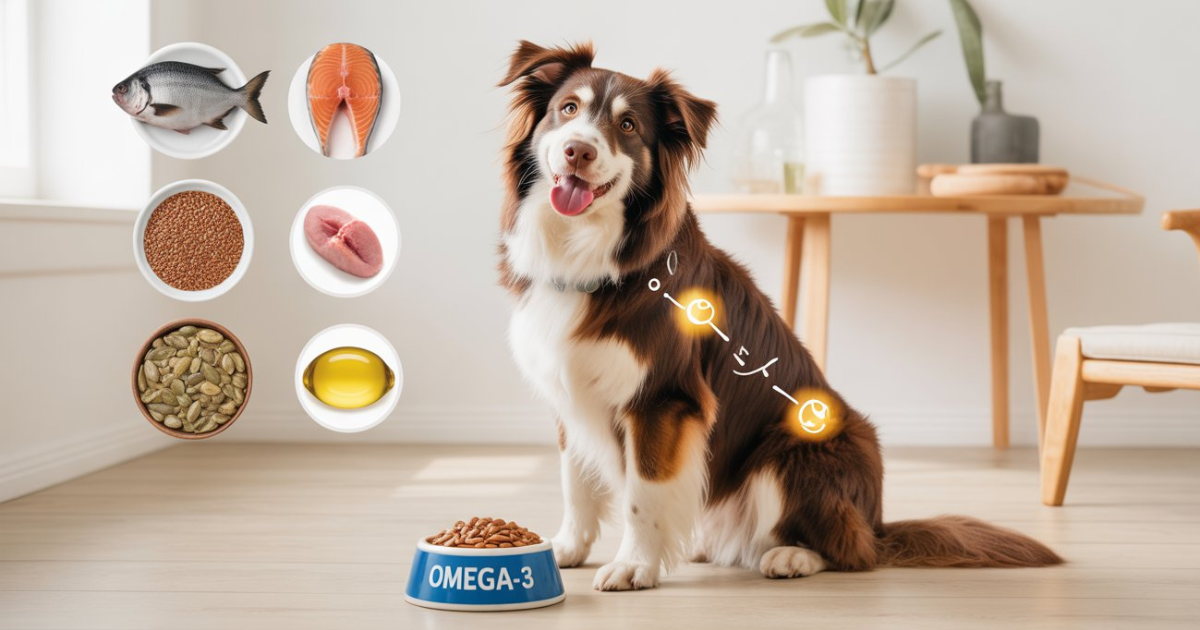
Fats give your pet energy. Some fats also help reduce inflammation, which is swelling and pain. Omega-3 fatty acids, found in fish like salmon, are especially good. They support joint health and keep your pet’s coat shiny. However, too much fat can cause problems, especially for pets that have issues like pancreatitis. The diet should have enough fat to provide energy, but not too much to cause problems.
Watch the Carbohydrates
Carbohydrates give energy, too, but too many can be harmful during recovery. Foods like rice, potatoes, and grains are common carbs. For pets recovering from cancer or joint problems linked to obesity, high-carb diets can slow healing. Cancer cells often use sugar from carbs to grow. Extra carbs can also cause weight gain, making joint pain worse. So, for some pets, a lower-carbohydrate diet with more protein and fats is better.
How Weight Affects Recovery
Keeping your pet at a healthy weight is very important during recovery. Extra weight puts stress on joints and slows down healing. For example, if your dog had surgery on a leg or hip, carrying too much weight can make it harder to move and cause more pain. On the other hand, if your pet loses too much weight after surgery, they might become weak and slow to heal. That is why weight management is a balance. Your vet can help you decide the right weight goal for your pet.
Feeding Strategies for Post-Surgery Recovery
Your pet’s appetite might change after surgery. Sometimes they eat less because of pain or medicines. Here’s how you can help:
- Offer small, frequent meals instead of big ones. This can be easier on their stomach.
- Warm the food slightly to make it smell better.
- Use fresh, whole foods that are tasty and easy to digest.
- Avoid foods that might upset your pet’s stomach or cause allergies.
It is very important to monitor your pet’s weight during recovery. Weigh your pet regularly at home or the vet. This helps you know if you need to change their food amount or type.
Avoiding Allergens and Food Sensitivities
Surgery can make your pet’s immune system more sensitive. Some ingredients in pet food can cause allergies or digestive upset. Feeding your pet foods they tolerate well can help prevent extra stress on their body. If you notice symptoms like itching, vomiting, or diarrhea, talk to your vet. They might suggest a special limited-ingredient diet. These diets use just one protein source and one carb source to help identify allergens.
Natural Foods Over Supplements
Many pet owners think about giving supplements after surgery. While some pets may need supplements, whole foods usually work better. Natural foods like liver, kidney, or cartilage provide vitamins, minerals, and nutrients that are easy to absorb. These nutrients help rebuild joints and tissues without overloading your pet’s system. Supplements should only be used when recommended by a vet. Overusing supplements can cause side effects or nutrient imbalances.
How to Work with Your Vet?
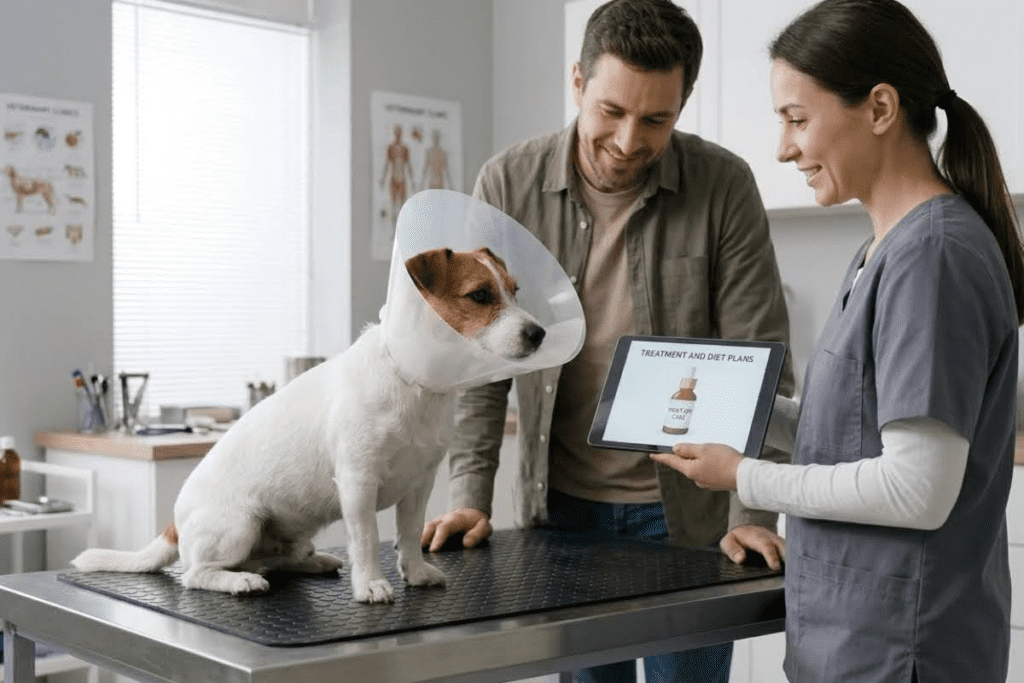
Your veterinarian knows your pet best. They can assess your pet’s health and recovery needs. They will help you create a diet plan that fits your pet’s medical condition and weight goals. Your vet might suggest specific foods, feeding schedules, or tests to monitor nutrition. Follow their advice closely. This teamwork helps your pet heal faster and stay healthy.
Conclusion
Choosing the right post-surgery pet diet is a big part of helping your pet get better. A balanced diet with high-quality protein, healthy fats, and the right amount of carbohydrates helps repair tissue and keeps your pet strong. Weight control is just as important. Keeping your pet neither too heavy nor too thin makes healing faster and easier. Avoid allergens and choose whole foods over too many supplements. Always work with your veterinarian to find the best diet for your pet’s unique recovery needs. Good nutrition plus proper care means your pet will have the best chance for a smooth and healthy recovery.
Your pet’s health depends on the right food after surgery. Don’t wait, talk to your vet today about the best post-surgery pet diet. Support your furry friend with meals that help them heal, gain strength, and feel their best. Take action now and make your pet’s recovery a top priority!
Post Surgery Diet For Dogs Frequently Asked Questions
1. What should I feed my pet after surgery?
Feed soft, high-protein, easy-to-digest meals that support healing and are gentle on the stomach.
2. Can I give my pet treats during recovery?
Yes, but choose healthy, low-fat treats and keep portions small to avoid upsetting your digestion.
3. How do I know if my pet’s eating enough after surgery?
Watch for steady weight, normal energy, and regular appetite; if unsure, consult your vet.
4. Can my pet return to their regular food after surgery?
Yes, but only after your vet confirms it’s safe and your pet is healing well.
5. What if my pet has food allergies or won’t eat?
Try bland, allergy-safe foods and contact your vet if your appetite doesn’t return in 24–48 hours.