Feeding your dog a raw diet is a great step toward natural, unprocessed nutrition. But is it enough? Raw food often lacks critical nutrients that your dog needs for long-term health and vitality. That’s where supplements come in. In this guide, we’ll explore the must-have vitamins for dogs on a raw diet and help you …


Feeding your dog a raw diet is a great step toward natural, unprocessed nutrition. But is it enough? Raw food often lacks critical nutrients that your dog needs for long-term health and vitality. That’s where supplements come in. In this guide, we’ll explore the must-have vitamins for dogs on a raw diet and help you make sure your furry friend stays healthy and balanced at every stage of life.
Why Raw Isn’t Always Complete?
Raw diets offer several health benefits. They reduce exposure to preservatives, fillers, and artificial ingredients. But no matter how carefully prepared, a raw diet isn’t automatically complete. Many pet owners assume raw feeding alone covers everything. However, some essential nutrients are either missing or unstable in raw food. That’s why understanding the right vitamins for dogs on a raw diet is so important, especially for puppies, seniors, and dogs with special needs.
Essential Fatty Acids: The Anti-Inflammatory Powerhouse
Omega-3s Support Brain, Heart, and Joint Health
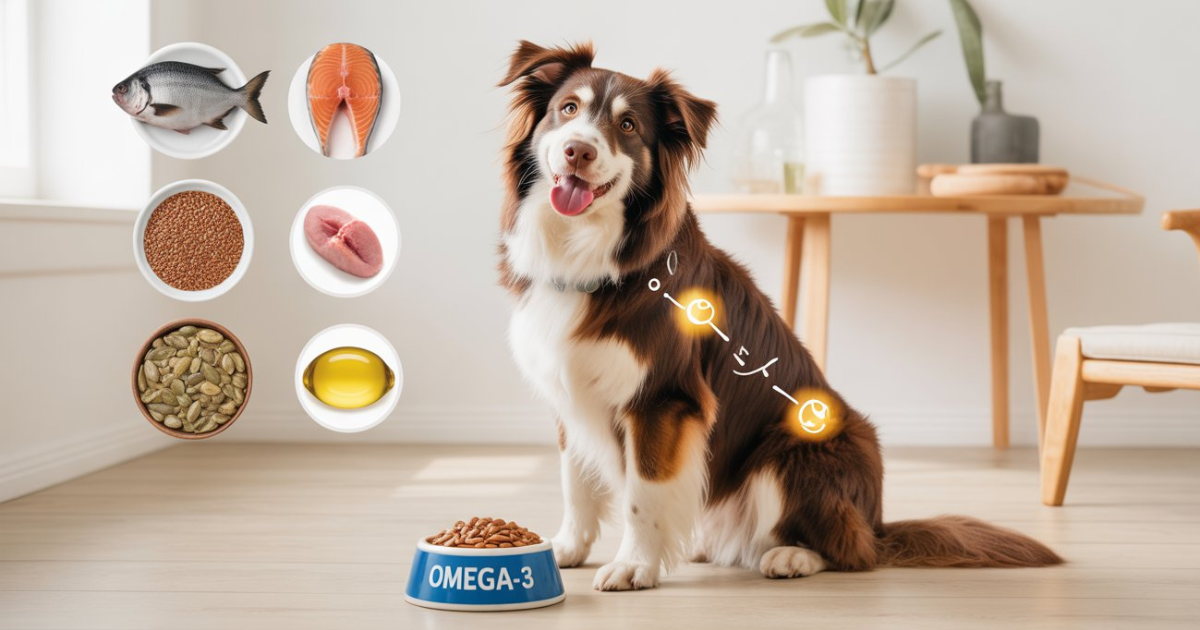
Essential fatty acids, particularly Omega-3, play a vital role in your dog’s overall health, especially when following a raw diet. These healthy fats support proper brain and heart function, help reduce joint inflammation, and improve mobility. They also nourish the skin and coat, reduce itching, and enhance coat shine. In addition, Omega-3s benefit kidney and liver function and help manage inflammation in the digestive system, making them a true anti-inflammatory powerhouse.
Fresh, Natural Sources of Omega-3s
To ensure your dog receives enough Omega-3s, include fresh sources like canned sardines with no added salt, raw salmon or herring, and high-quality, dog-safe fish oil supplements. Phytoplankton and small fish like anchovies are also great options. Since Omega-3 oils degrade quickly when exposed to air or freezing, always use fresh sources and store them properly.
Calcium and Phosphorus: For Strong Bones and More

Crucial for Bone, Joint, and Muscle Health
Calcium and phosphorus are essential minerals that work together to build and maintain strong bones and teeth. They also play a key role in nerve transmission, muscle contraction, and joint development. An appropriate balance of these minerals is especially important for puppies, as too much or too little can lead to growth and skeletal issues.
Safe Alternatives to Raw Bones
If your dog cannot chew bones, you can safely provide these minerals through alternatives like ground eggshell powder (for adult dogs), bone meal, or raw bone powder. Canned fish with soft bones, such as sardines or salmon, can also contribute natural calcium and phosphorus. Commercial pet-specific supplements are another reliable option to help maintain the correct ratio.
Antioxidants, Micronutrients, and Trace Minerals
Protection Against Inflammation and Disease
While raw diets provide many macronutrients, they may fall short on antioxidants, phytonutrients, and trace minerals that are essential for long-term health. These nutrients help reduce inflammation, strengthen the immune system, and protect your dog from chronic diseases by neutralizing free radicals and supporting detoxification processes.
Nutrient Boosts from Fruits and Vegetables
To round out your dog’s nutrient intake, add ground vegetables such as carrots, spinach, kale, and broccoli to meals. Incorporate antioxidant-rich fruits like blueberries and blackberries in moderation. Whole-food supplements like spirulina or kelp powder can provide valuable trace minerals, while small servings of unsalted fermented vegetables can boost gut and immune health.
Probiotics: Supporting Gut and Immune Health
Digestive and Immune Benefits
A balanced gut microbiome is crucial for your dog’s digestion and overall wellness. Probiotics—beneficial bacteria—improve digestion, help your dog absorb nutrients more effectively, and enhance immune function. They are especially useful for dogs experiencing loose stools, bloating, or recovering from antibiotic use. Probiotics can also help manage skin conditions linked to gut imbalance.
Easy Ways to Add Probiotics
You can add probiotics to your dog’s diet through canine-specific powders or capsules that contain strains like Lactobacillus acidophilus and Bifidobacterium. Other options include plain kefir or yogurt (for non-lactose-sensitive dogs), mild fermented vegetables, and probiotic-enriched treats formulated for pets.
Best Sources of Vitamins for Dogs on a Raw Diet
Key Vitamins Often Missing in Raw Diets
Dogs on a raw diet may not get enough of certain essential vitamins, especially those that are heat- or light-sensitive. Therefore, it is essential to add vitamins for dogs on a raw diet.
- Vitamin D is important for bone development and immune strength
- Vitamin E acts as an antioxidant and supports muscle and heart health. B-complex vitamins are vital for energy, metabolism, and nerve function.
- Vitamin A promotes healthy skin, vision, and immune defenses.
- Vitamin K helps manage calcium in the body, supporting both bone and cardiovascular health.
Natural and Supplemental Vitamin Sources
Natural food sources include fatty fish, liver, eggs, and nutritional yeast. Fermented foods and dog-specific multivitamin supplements can also help fill any nutritional gaps and ensure your dog receives all necessary vitamins in bioavailable forms.
Tips for Safe Supplementation
Avoid Common Supplement Mistakes
While supplements can greatly improve your dog’s health, it’s important to use them correctly. Always consult a veterinarian or a qualified canine nutritionist before introducing any new supplements. Human supplements should be avoided, as they often contain ingredients or dosages unsafe for dogs. Always use pet-specific products designed with appropriate levels and safe ingredients.
Best Practices for Supplement Use
Follow all label instructions carefully to avoid overdosing, and monitor your dog for any signs of adverse reactions, such as vomiting, lethargy, or appetite changes. Introduce new supplements gradually to watch for tolerance and effectiveness.
When to Start Supplementing
Different Life Stages Have Different Needs
Supplementing should be based on your dog’s life stage, activity level, and health status. Puppies require additional support for growth, including calcium, phosphorus, and Vitamin D. Senior dogs benefit from joint support and immune-boosting nutrients like Omega-3s and antioxidants. Working or highly active dogs have increased nutritional demands and may need added B vitamins, joint protectants, and energy-supporting nutrients.
Customize Based on Health and Testing
Dogs with chronic health conditions, such as kidney issues or digestive disorders, may benefit from targeted supplementation. Regular veterinary check-ups and blood work can help identify any deficiencies and allow for a personalized supplementation plan to improve your dog’s quality of life.
Raw Diet Is Great—But Mind the Gaps
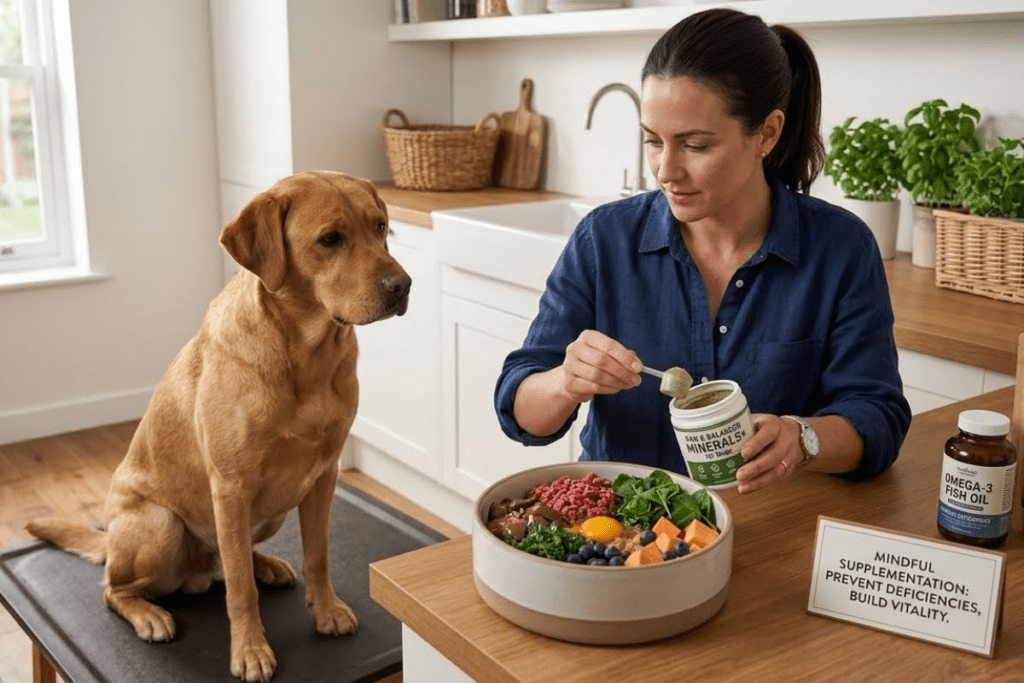
If you feed raw, don’t assume it’s automatically balanced. Paying attention to vitamins for dogs on a raw diet is key to ensuring long-term health and vitality. A thoughtful supplement plan can prevent issues down the road and help your dog thrive. From Omega-3s and calcium to probiotics and B vitamins, each nutrient plays an essential role in your dog’s wellbeing.
Conclusion
Feeding a raw diet is a fantastic way to give your dog wholesome, nutrient-dense food. But it’s crucial to understand that raw feeding often lacks several key nutrients. The right vitamins for dogs on a raw diet are essential to fill those gaps and maintain optimal health. From essential fatty acids and calcium to antioxidants and probiotics, each supplement has its purpose. Consult your vet, start slowly, and always monitor your dog’s health. A balanced raw diet, paired with smart supplementation, can support a long and vibrant life for your beloved pet.
Give Your Raw-Fed Dog the Nutritional Boost They Deserve—Add Essential Vitamins Today for a Healthier, Happier Life. Visit Vitailix and Shop Now!
Vitamins for Dogs Frequently Asked Questions
1. Do all dogs need supplements on a raw diet?
Not all, but many do. Puppies, seniors, and dogs with special health needs often benefit from added nutrients.
2. Can I use human supplements for my dog?
No. Human supplements may contain harmful ingredients or incorrect dosages for dogs.
3. How can I tell if my dog has a vitamin deficiency?
Watch for signs like a dull coat, fatigue, skin issues, or digestive problems. A vet visit and blood test can confirm deficiencies.
4. Are natural food sources better than vitamins for dogs?
Whole foods are ideal, but supplements can help meet nutritional needs when certain foods aren’t available.5. How often should I give probiotics to my dog?
Daily is best for most dogs, especially if they have sensitive stomachs or a history of digestive issues.