Many pet owners don’t realize how vitamin D affects their dog’s health. Some think more vitamins always mean better health. That’s not true for dogs. Unlike some vitamins, extra vitamin D doesn’t get flushed out. It stays in the body and can build up to risky levels. In this blog, we’ll look at surprising facts …

Many pet owners don’t realize how vitamin D affects their dog’s health. Some think more vitamins always mean better health. That’s not true for dogs. Unlike some vitamins, extra vitamin D doesn’t get flushed out. It stays in the body and can build up to risky levels.
In this blog, we’ll look at surprising facts about vitamin D for dogs. You’ll learn what helps, what harms, and what most owners miss. This will help you keep your dog safe, strong, and full of energy, without taking chances with their health.
Why Dogs Need Vitamin D
Vitamin D plays a big role in your dog’s health. It helps control calcium and phosphorus levels. These minerals are needed for strong bones and teeth. Without enough vitamin D, your dog could develop bone issues and weak muscles. Vitamin D also supports the immune system. It helps dogs fight off illness and stay active.
Dogs can’t make enough vitamin D from sunlight like humans do. That’s why they need it from food or supplements. Puppies, senior dogs, and large breeds often need more careful vitamin support. Their bones grow faster or wear down more easily.
Giving the right dog vitamin D dose is key. Most quality dog foods include safe levels of vitamin D. But if your dog eats a homemade diet, they might not be getting enough. That’s when a vet might suggest adding a trusted vitamin supplement.
Symptoms Owners Often Miss
Sometimes, the signs of too little or too much vitamin D for dogs go unnoticed. These symptoms may look like small behavior changes, but can point to something serious.
- Weak posture or limping: Dogs with low vitamin D may have poor balance or stand awkwardly, especially large breeds.
- Loss of interest in food or play: If your dog avoids eating or seems tired all the time, vitamin D may be too low or too high.
- Excess drooling or shallow panting: High vitamin D levels affect nerves and glands, causing odd drooling or changes in breathing.
- Dental changes or bad breath: Poor tooth growth or foul-smelling breath may signal a vitamin D issue or a lack of calcium balance.
- Frequent peeing or vomiting: Too much vitamin D can damage the kidneys, leading to excess urination or an upset stomach.
Risks of Vitamin D Deficiency
A lack of vitamin D for dogs can lead to serious health problems. One of the first signs is weak or soft bones. Puppies may grow slowly or develop crooked legs. Older dogs might limp or have stiff joints. Vitamin D deficiency in dogs can also cause low energy and muscle loss.
Your dog may sleep more or avoid walks and playtime. Some dogs lose their appetite or have poor teeth. In more serious cases, your dog could develop Rickets. This is a disease that affects bone growth. It causes pain, swelling, and poor movement.
Joint inflammation is also common. Heart health can suffer too. Some studies show that low vitamin D levels may lead to heart issues over time. Feeding a complete and balanced dog food can prevent all this. But if your dog eats homemade meals, talk to your vet about vitamin needs.
Can Too Much Vitamin D Harm?
Yes. While vitamin D is needed, too much can hurt your dog. This vitamin is stored in fat, not passed out in urine. So it builds up over time. Signs of vitamin D overdose include vomiting, drooling, or diarrhea. Your dog may act tired or show signs of pain.
Some may limp or have a slow heartbeat. Others may pee more than usual. Too much vitamin D can damage the kidneys and bones. It can even destroy other vitamins like E. Dogs fed high-vitamin foods and also given supplements are at high risk.
According to AAFCO, the safe limit is 2,272 IU per pound of dog food. Anything above that can cause vitamin D toxicity. That’s why it’s never safe to guess the dog’s vitamin D dose. Always ask your vet before starting any supplement, even natural ones.
Natural Sources You Can Trust
Vitamin D for dogs can come from natural foods, but not all dogs get enough this way. Still, these food sources help:
- Egg yolks: They contain small but useful amounts of vitamin D. Only feed cooked yolks to avoid health risks.
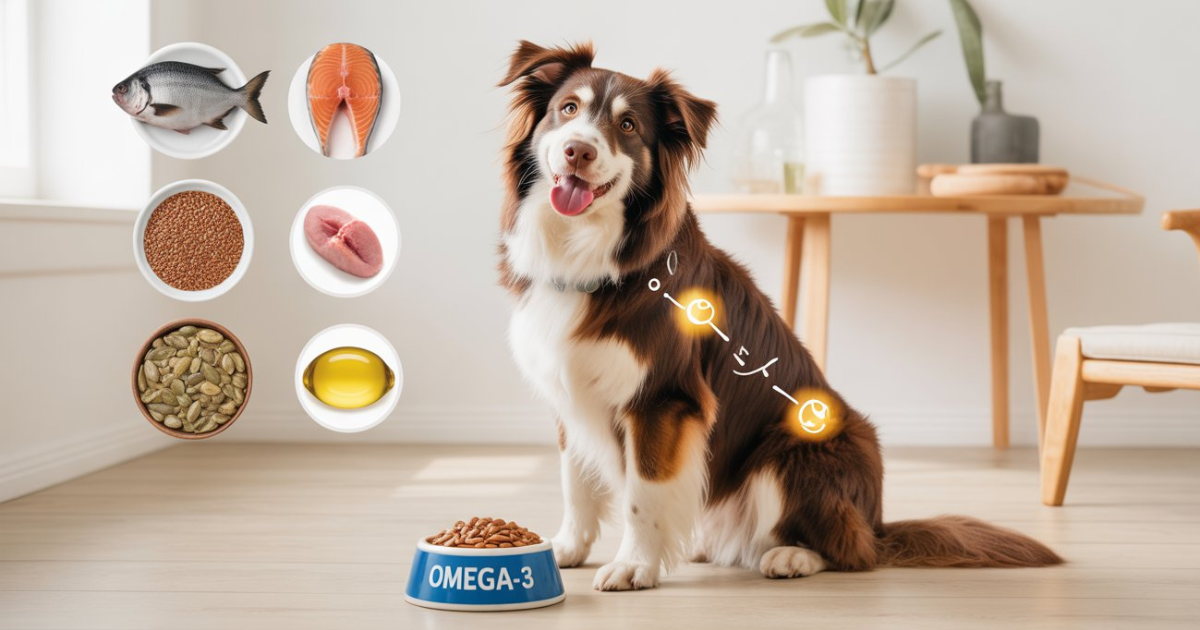
- Fatty fish like salmon or sardines: Rich in vitamin D and omega-3s. These support both bone and brain health.
- Liver and organ meats: These meats offer vitamin D, but should only be fed in small amounts to avoid overdose.
- Dairy products: Cheese and yogurt may offer some vitamin D, but many dogs have trouble digesting lactose. Use with care.
- Sunlight: Dogs with short hair may absorb some vitamin D from the sun, but not enough to rely on.
Pro Tip: The safest option is feeding high-quality dog food with vitamin D. Check the label or ask your vet to make sure it meets daily needs.
Choosing Safe Supplements for Dogs
Before using any supplement, speak to your vet. Some dogs don’t need extra vitamins if their food is already complete. Never use human vitamins for pets. These may contain unsafe levels or added fillers that harm dogs. Even natural ingredients can be toxic to animals if the dose is wrong.
Look for vet-recommended dog vitamin supplements made specifically for pets. These are tested for safe ingredients and proper strength. Your vet can guide you on how much vitamin D3 your dog needs. This is called the vitamin D3 dog dosage, and it depends on size, age, and health.
Always track how your dog reacts to supplements. If you see vomiting, tiredness, or changes in behavior, stop at once and call your vet. Supplements help only when used with care, not guesswork.
Vet Tips on Proper Dosage
Giving your dog the right amount of vitamin D is key. Here’s what vets suggest:
- Check food labels: Most complete dog foods already meet daily needs for vitamin D. Don’t double-dose.
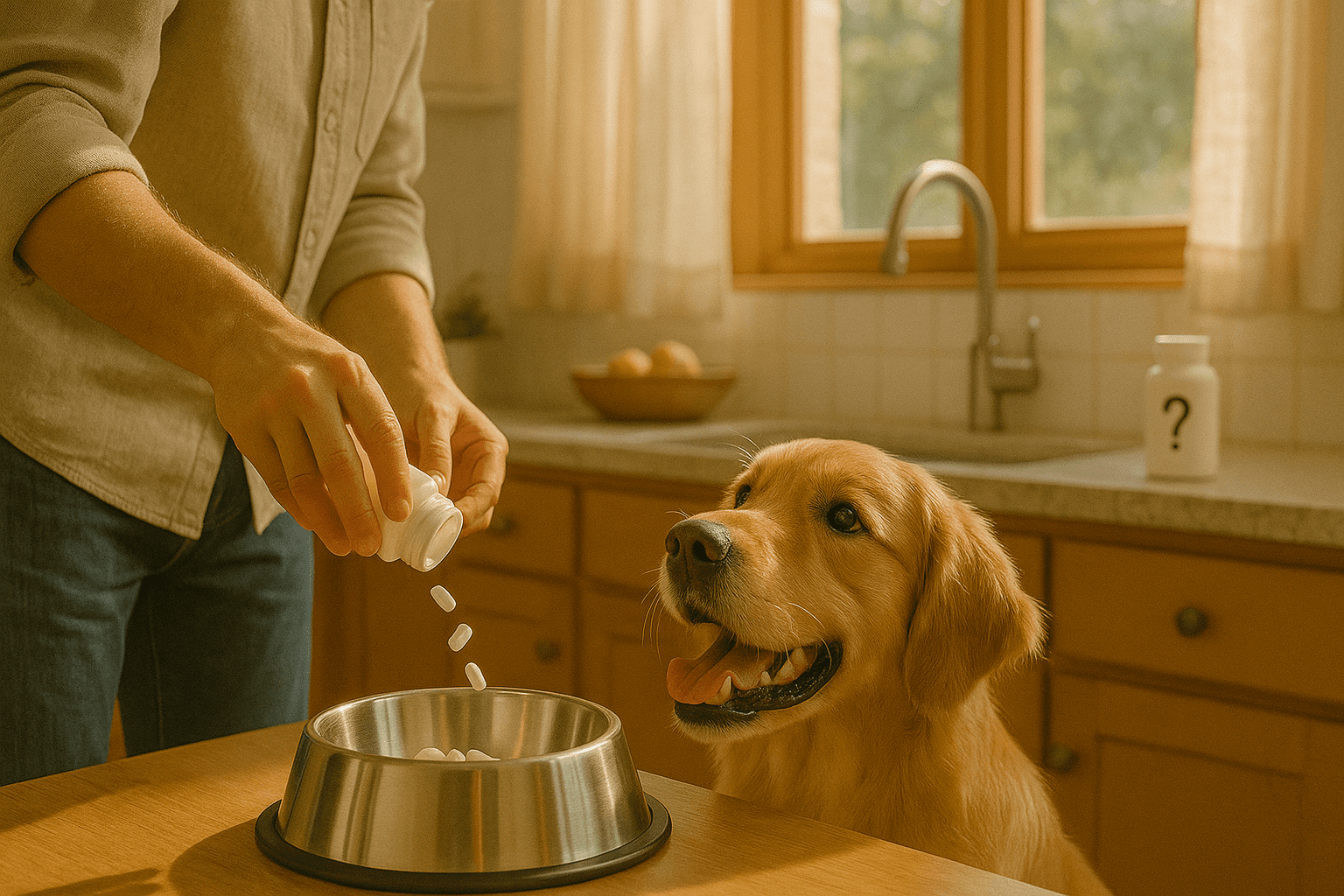
- Weigh your dog first: Vets base the vitamin D3 dog dosage on body weight. Never guess. Let your vet confirm the IU needed.
- Avoid mixing supplements: Using more than one supplement at a time can lead to toxic levels. Stick to one trusted product.
- Track changes in your dog: Look for signs like tiredness, vomiting, or too much urination. These may mean the dose is too high.
- Schedule vet check-ups: Regular blood work can catch low or high vitamin D early. Prevention is safer than a cure.
Your vet will always give the safest advice based on your dog’s diet and health.
Best Practices for Supporting Vitamin D Needs
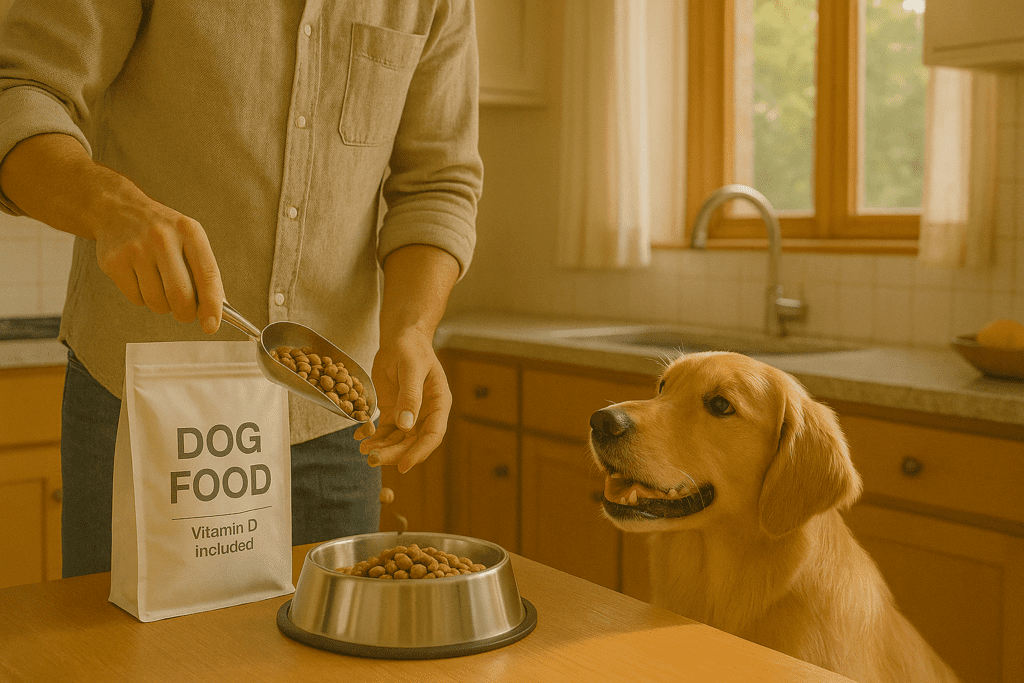
Giving your dog the right support starts with the basics. Always begin with a high-quality, complete dog food that lists vitamin D on the label. This is often enough for healthy dogs. If you’re feeding a homemade or raw diet, work with a vet to plan proper vitamin support. Avoid adding multiple supplements without guidance, as this increases the risk of overdose.
When choosing a vitamin D product, look for those made just for dogs. These follow safe guidelines for strength and ingredients. Avoid any supplement made for humans, even if the label looks safe.
Also, track your dog’s energy, appetite, and movement. These signs tell you if something’s off. Regular check-ups and open talks with your vet are the best way to keep your dog healthy long-term, with or without supplements.
Looking Ahead
Vitamin D for dogs plays a big role in your dog’s health. The right amount builds strong bones, good muscles, and sharp nerves. The wrong amount brings risk. With vet guidance and the right food or supplement, you can keep your dog safe, active, and happy.
Support your dog’s health with vet-approved supplements from Vitailix—trusted, safe, and made just for dogs who deserve only the best, every day.
Vitamin D For Dogs Frequently Asked Questions
1. How much vitamin D does my dog need daily?
The AAFCO recommends 227 IU per pound of dry dog food. Always check the label or ask your vet.
2. Can too much vitamin D hurt my dog?
Yes. Excess vitamin D can cause vomiting, bone pain, or kidney issues. Toxicity is dangerous and needs vet care.
3. What food has natural vitamin D for dogs?
Fatty fish, egg yolks, and organ meats contain vitamin D. But amounts vary—ask your vet before changing diets.
4. Is human vitamin D for dogs safe to use?
No. Human vitamins may be too strong or contain harmful additives. Only use dog-specific supplements.
5. When should I give my dog a supplement?
If your dog eats homemade food, has health issues, or is low on energy, your vet may recommend a safe supplement.