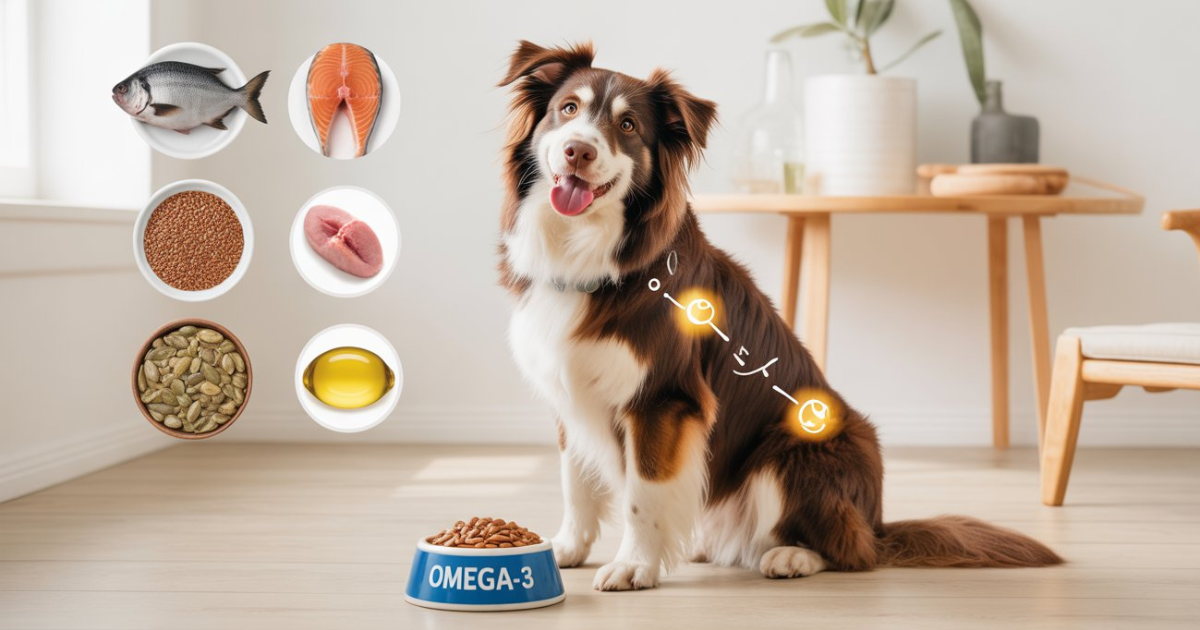
Vitamin B12 is a key nutrient your dog needs to stay healthy and active. It helps the brain work well, keeps their nerves strong, and supports blood production. Without enough B12, dogs can feel weak, confused, or tired. Some dogs, especially certain breeds, may not absorb this vitamin well and can face health problems. Many …

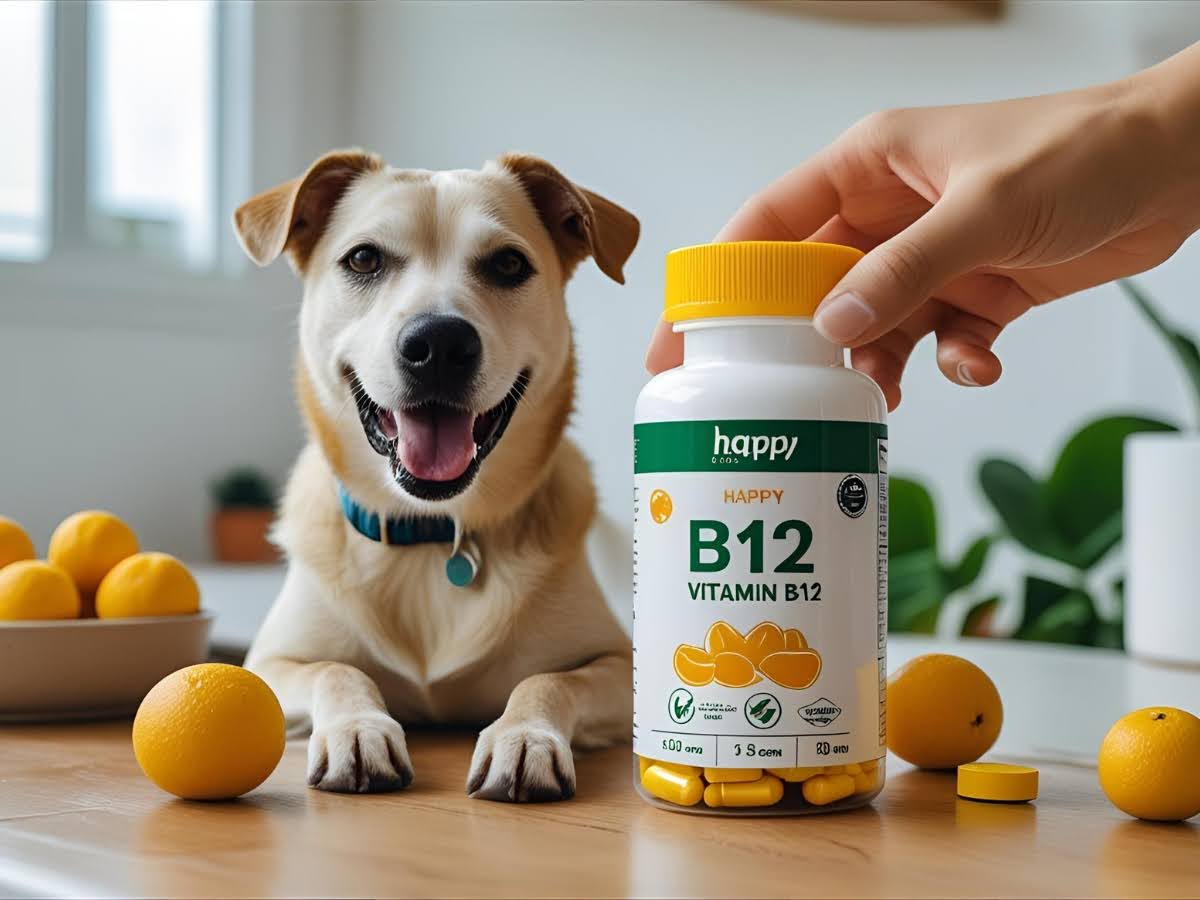
Vitamin B12 is a key nutrient your dog needs to stay healthy and active. It helps the brain work well, keeps their nerves strong, and supports blood production. Without enough B12, dogs can feel weak, confused, or tired. Some dogs, especially certain breeds, may not absorb this vitamin well and can face health problems.
Many dog foods have enough B12, but dogs with certain health issues or special diets might need more. Knowing why B12 matters and how to spot signs of a deficiency can help keep your dog feeling their best every day. This guide explains everything you need to know about Vitamin B12 for dogs and how to help your furry friend stay healthy.
Why Do Dogs Need Vitamin B12?
Vitamin B12 plays a crucial role in keeping dogs healthy. It is essential for making DNA, the blueprint of all cells, which helps the body grow and repair itself. B12 also aids in producing red blood cells that transport oxygen to organs and muscles, giving dogs the energy they need.
This vitamin supports the nervous system by keeping nerves healthy and helping the brain function properly. Without enough B12, dogs can become weak, tired, or suffer nerve problems, which can affect their movement and coordination. Some dog breeds, like Giant Schnauzers, Border Collies, and Beagles, are genetically prone to difficulty absorbing B12, increasing their risk of deficiency.
Additionally, dogs with digestive problems or those fed low-quality or homemade diets may not get enough B12 from food alone. For these dogs, extra supplementation or vet care might be necessary to maintain their health and vitality.
Signs of B12 Deficiency in Dogs
Spotting a B12 deficiency early can prevent bigger problems. Watch for these common signs your dog might be low on this vitamin:
Digestive and Appetite-Related Symptoms
Dogs lacking enough Vitamin B12 often experience digestive issues like vomiting and diarrhea. They might also lose their appetite and refuse to eat their regular meals. These symptoms show that their body isn’t absorbing enough nutrients, which can weaken their overall health and lead to more serious problems if untreated.
Behavioral and Mental Changes
When dogs don’t get enough Vitamin B12, their brain function can suffer. They may become confused, tired, or less responsive to commands and surroundings. Some dogs show signs of irritability or unusual behavior. These mental changes occur because B12 supports nerve health, and a deficiency affects how their brain and nervous system work.
Physical Appearance and Weight
Vitamin B12 deficiency often leads to weight loss in dogs, even if they eat well. Their coat may become dull, dry, or thin, losing its usual shine. Puppies with low B12 might fail to grow properly, showing stunted development. These physical signs highlight the importance of sufficient Vitamin B12 for overall dog health.
Causes of B12 Deficiency in Dogs
Some dogs are born with genes that make it hard to absorb B12. This is common in certain breeds like Beagles and Border Collies. Understanding the aforementioned causes helps vets decide the best treatment.
- Genetic predisposition: Some dog breeds, like Beagles and Border Collies, inherit genes that reduce their ability to absorb Vitamin B12 properly, leading to a higher risk of deficiency at any age.
- Digestive diseases: Conditions like Exocrine Pancreatic Insufficiency (EPI) damage the pancreas, which reduces enzyme production and hinders the absorption of Vitamin B12 in the intestines.
- Poor diet: Feeding dogs low-quality or unbalanced food lacking sufficient animal proteins can lead to Vitamin B12 deficiency, as this vitamin is mainly found in animal-based sources.
- Homemade meals without balance: Homemade dog food that doesn’t include proper amounts of Vitamin B12-rich ingredients may cause dogs to miss out on this essential nutrient.
- Intestinal damage: Inflammation or infections in the gut can damage the lining where Vitamin B12 is absorbed, making it difficult for dogs to get enough from their food.
- Age-related absorption decline: Older dogs may naturally absorb less Vitamin B12 due to aging digestive systems, increasing their need for supplements or diet adjustments.
Best Natural Sources of Vitamin B12
Dogs get most of their Vitamin B12 from animal foods. Here are the main sources you should include in their diet.
Meat and Organ-Based Sources
Organ meats like liver and kidney are some of the richest sources of Vitamin B12 for dogs. Chicken and beef also contain good amounts. Including these meats in your dog’s diet helps ensure they get enough B12, which supports energy, brain function, and healthy blood production naturally and effectively.
Dairy and Seafood Options
Eggs, cheese, and fish such as salmon provide Vitamin B12 and add variety to your dog’s diet. These foods are excellent alternatives for dogs who may not eat much meat. Including dairy and seafood can help maintain B12 levels, supporting overall health without relying solely on typical meat sources.
Ideal Homemade Diet Additions
Adding boiled eggs, ground turkey, or canned sardines to homemade meals boosts your dog’s Vitamin B12 intake. These ingredients are easy to prepare and digest, making them great for dogs on fresh diets. They offer natural, bioavailable B12, helping keep your dog’s nervous system and energy levels balanced every day.
How Much B12 Does Your Dog Need?
The amount of Vitamin B12 your dog needs depends on their size, age, and health. Smaller dogs require less B12 than larger breeds. Puppies growing quickly may need more to support development. Dogs with medical issues like digestive problems or genetic conditions might require higher doses. However, proper dosage ensures your dog gains all the benefits without side effects. Knowing the right “B12 dog dosage” helps keep your dog active, healthy, and mentally sharp every day.
Size-Based Dosage Guidelines
Small dogs need less Vitamin B12 than larger dogs due to their size. For example, a small dog may require 50 to 100 micrograms daily, while larger dogs might need 500 micrograms or more. Dosage varies, so it’s important to adjust based on your dog’s weight and health needs.
Special Needs Dosage
Dogs with health issues like Exocrine Pancreatic Insufficiency (EPI) or genetic absorption problems require higher B12 doses. These doses often come from vet-prescribed supplements or injections to maintain healthy levels. Regular monitoring ensures the dog receives enough B12 to support energy, digestion, and nervous system health.
Importance of Vet Advice
Always consult your vet before starting Vitamin B12 supplements for your dog. Proper dosage depends on health, age, and breed. Too little won’t correct deficiencies, while unnecessarily high doses might cause mild side effects. Vet guidance helps ensure safe and effective treatment tailored to your dog’s needs.
When Supplements or Shots Are Needed
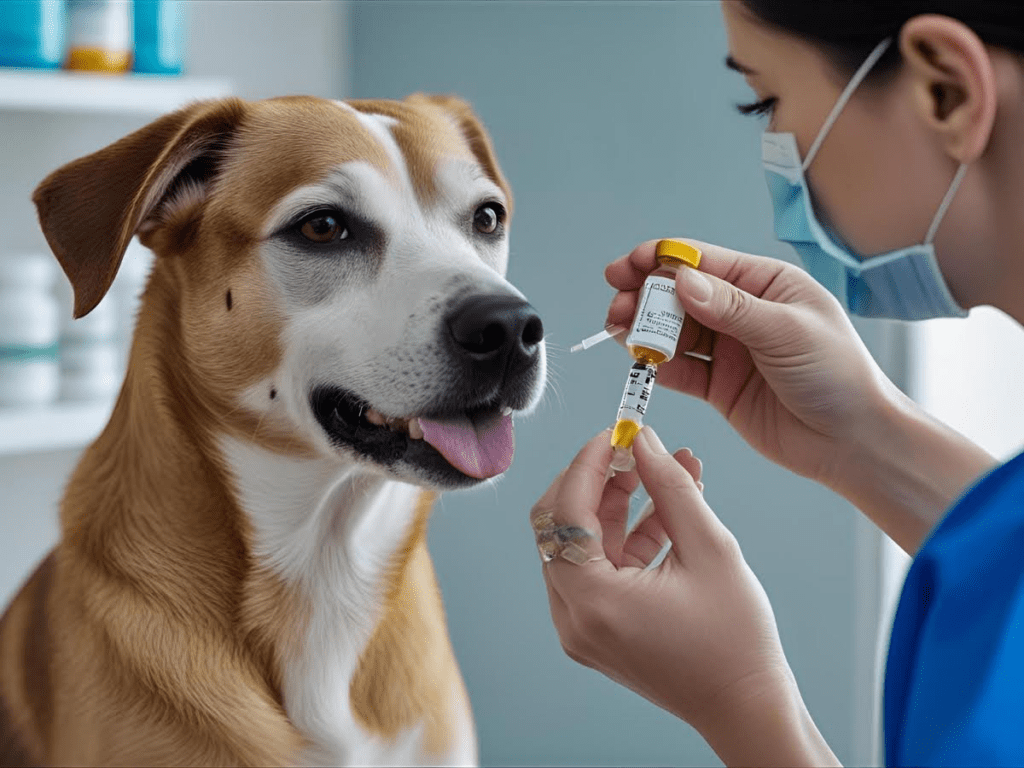
Sometimes, dogs do not get enough Vitamin B12 from their food alone. This can happen if they have digestive problems or genetic issues. In such cases, Vitamin B12 for dogs supplements or injections may be necessary to maintain healthy levels. Supplements come in pills, powders, or food toppers that are easy to give at home.
For more severe cases, vets may recommend a Vitamin B12 injection for dogs. These shots deliver the vitamin directly into the bloodstream for quick absorption. Deciding between oral supplements and injections depends on your dog’s health and vet advice. Proper treatment can improve energy, appetite, and brain function in dogs struggling with low B12.
Injections are often given when dogs cannot absorb B12 through their gut. Shots quickly raise B12 levels and help treat severe deficiencies. A vet must administer these injections safely. B12 shots act fast and work well for serious cases. However, they require vet visits and can cause discomfort. Oral supplements are easier but take longer to raise levels. Your vet will guide the best option.
Before You Go
Vitamin B12 for dogs plays an essential role in their overall health. It supports energy levels, brain function, and the immune system. Deficiency can cause serious problems like weakness, digestive issues, and confusion. Most dogs get enough B12 from high-quality diets, but some breeds or dogs with health issues need supplements or injections. Always consult your vet before adding B12 supplements to your dog’s routine.
Keep your dog healthy and energized with Vitailix! Explore our trusted Vitamin B12 supplements designed for dogs’ well-being. Visit us today!
Vitamin B12 for Dogs Frequently Asked Questions
1. What are the signs of Vitamin B12 deficiency in dogs?
Common signs include vomiting, diarrhea, weight loss, lethargy, confusion, and poor appetite.
2. Can I give my dog too much Vitamin B12?
Vitamin B12 is water-soluble, so excess is usually excreted. Toxicity is rare but consult your vet for proper dosage.
3. How is Vitamin B12 given to dogs?
It can be given orally through supplements or by injection when absorption is poor.
4. Which dog breeds are prone to B12 deficiency?
Breeds like Giant Schnauzers, Border Collies, and Beagles often have trouble absorbing Vitamin B12.
5. Can homemade diets provide enough Vitamin B12 for dogs?
Homemade diets can provide B12 if they include enough animal proteins like liver, eggs, and fish. Vet guidance is recommended.