Easing long-term pain in pets often requires more than just medicine or surgery. Gentle, hands-on approaches like massage, targeted exercises, and hydrotherapy can help improve mobility and reduce discomfort. These methods support the body’s natural healing process. With the help of animal physiotherapy, pets can regain strength and enjoy walking, playing, and moving more freely. …

Easing long-term pain in pets often requires more than just medicine or surgery. Gentle, hands-on approaches like massage, targeted exercises, and hydrotherapy can help improve mobility and reduce discomfort. These methods support the body’s natural healing process.
With the help of animal physiotherapy, pets can regain strength and enjoy walking, playing, and moving more freely. This kind of rehabilitation often reduces the need for medications or invasive procedures. Each pet receives personalized care from trained professionals. In this blog, you’ll discover how physical therapy can ease chronic pain and improve your pet’s quality of life.
Understanding Animal Physiotherapy and Its Role in Managing Chronic Pain
Chronic pain in animals affects more than just their bodies; it changes their behavior, limits what they can do, and impacts their overall happiness. This pain might come from arthritis, injuries, surgery recovery, or other long-lasting conditions. Pet rehabilitation therapy provides specialized care aimed at tackling these challenges.
This form of physical therapy for animals uses a variety of treatments designed to reduce pain and improve movement. Unlike quick fixes or medication alone, it focuses on improving the function of muscles, joints, and nerves to make lasting changes. By addressing the root cause of pain rather than just the symptoms, physiotherapy supports an animal’s long-term well-being.
The goal is simple: to help pets move better, feel less pain, and live fuller lives. Physiotherapists work closely with veterinarians to create plans that suit each animal’s unique condition and needs. Through consistent care, many animals regain the strength, balance, and comfort that they may have lost.
The Benefits of Pet Physical Therapy for Chronic Pain
Pet physical therapy brings many advantages that go beyond just easing pain. Here are some key benefits that make it a preferred option for managing chronic pain in pets:
Effective Pain Relief
Many physiotherapy treatments gently reduce pain by improving blood flow, relaxing muscles, and releasing natural painkillers in the body. This reduces the need for heavy medications that sometimes cause side effects.
Better Mobility and Flexibility
Physiotherapy helps animals move with less stiffness and discomfort. Exercises and manual therapies stretch and strengthen muscles and joints, improving their range of motion. This makes everyday activities like walking, climbing stairs, or playing much easier.
Faster Healing and Tissue Repair
Techniques like laser therapy and ultrasound stimulate cell regeneration and reduce inflammation. This encourages quicker healing from injuries and surgeries.
Prevention of Future Issues
Regular physiotherapy can help prevent problems before they start. By keeping muscles strong and joints flexible, animals are less likely to develop further injuries or complications.
Non-Invasive and Safe
Animal physiotherapy avoids surgery and invasive treatments. Most therapies are gentle and customized to the animal’s comfort level, reducing risks and stress.
Improved Quality of Life
Above all, physiotherapy supports an animal’s overall happiness by allowing them to engage more fully with their environment and family. Pets often show improved mood, energy, and willingness to play or exercise.
Common Techniques Used in Pet Physiotherapy
Animal physiotherapists use a variety of methods to help pets manage chronic pain. These approaches are often combined to give the best results for each animal. Let’s explore some of the most widely used techniques:
Manual Therapy
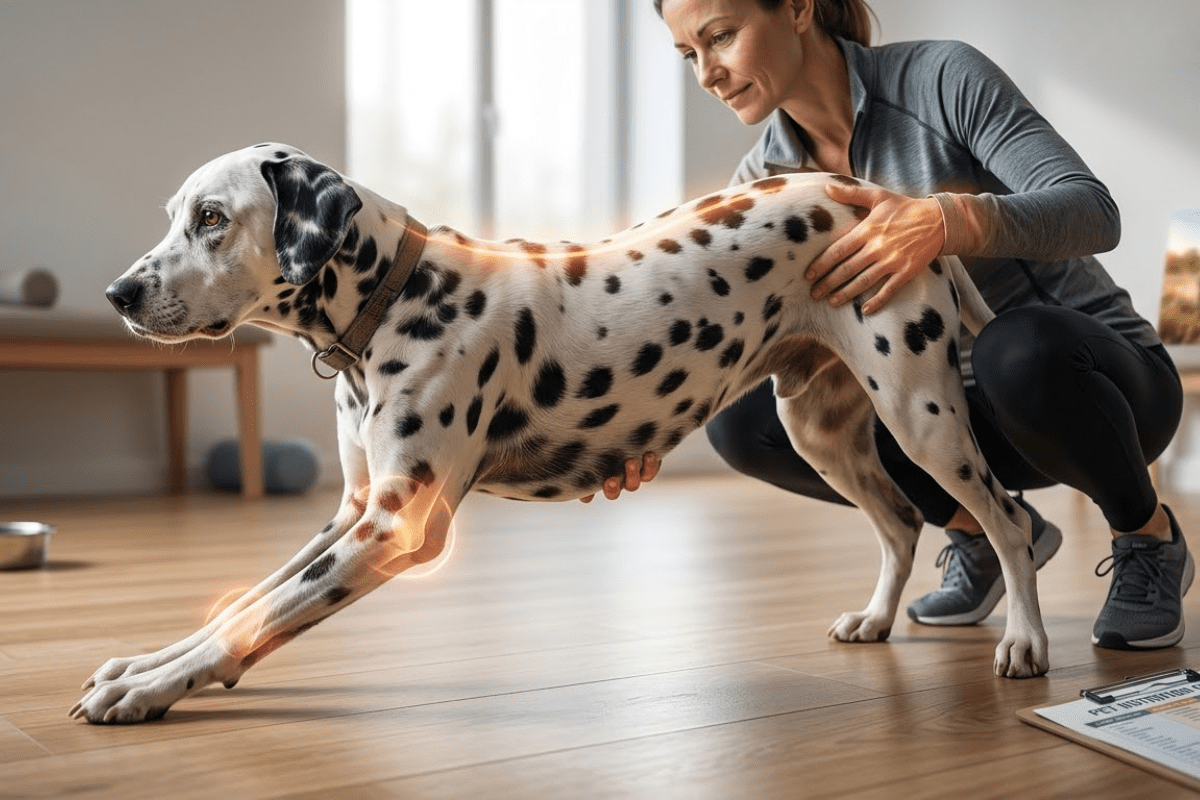
Manual therapy involves hands-on work by the physiotherapist. They use massages, stretching, joint mobilizations, and soft tissue techniques to reduce muscle tension and increase joint movement. This therapy helps ease stiffness and improve blood flow, which supports healing. Many pets find manual therapy relaxing, and it often reduces pain immediately after treatment.
Hydrotherapy
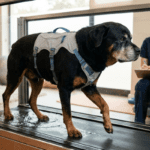
Hydrotherapy is a popular option where animals exercise in water, usually in a specially designed pool or underwater treadmill. The water’s buoyancy supports the pet’s weight, making movement easier and less painful. This low-impact exercise strengthens muscles without stressing joints, and it also boosts cardiovascular health. Hydrotherapy is especially helpful for pets recovering from surgery or those with arthritis.
Therapeutic Exercises
Customized exercises form a key part of physiotherapy plans. These might include balance training, controlled walking, or specific stretches and movements designed to improve strength and coordination. Over time, these exercises help stabilize joints and rebuild muscle, reducing the chance of pain flare-ups.
Electrotherapy
Electrotherapy applies gentle electrical currents to targeted areas of the body. This can stimulate nerves and muscles to reduce pain, calm inflammation, and promote healing. Treatments such as Transcutaneous Electrical Nerve Stimulation (TENS) and Neuromuscular Electrical Stimulation (NMES) are common. These methods are safe and painless when applied by trained professionals.
Laser Therapy
Laser therapy uses focused light beams to reach deep tissues. This stimulates cells to repair themselves faster and reduces swelling. Pets often feel immediate relief after laser sessions, as it blocks pain signals and speeds recovery from injuries or chronic inflammation.
Acupuncture
Acupuncture is an ancient practice adapted for animals. Thin needles are inserted at specific points on the body to trigger the release of endorphins, the body’s natural painkillers, and relax muscles. Many animals respond well to acupuncture, showing less pain and improved energy levels after treatment.
What to Expect from a Pet Physiotherapy Session
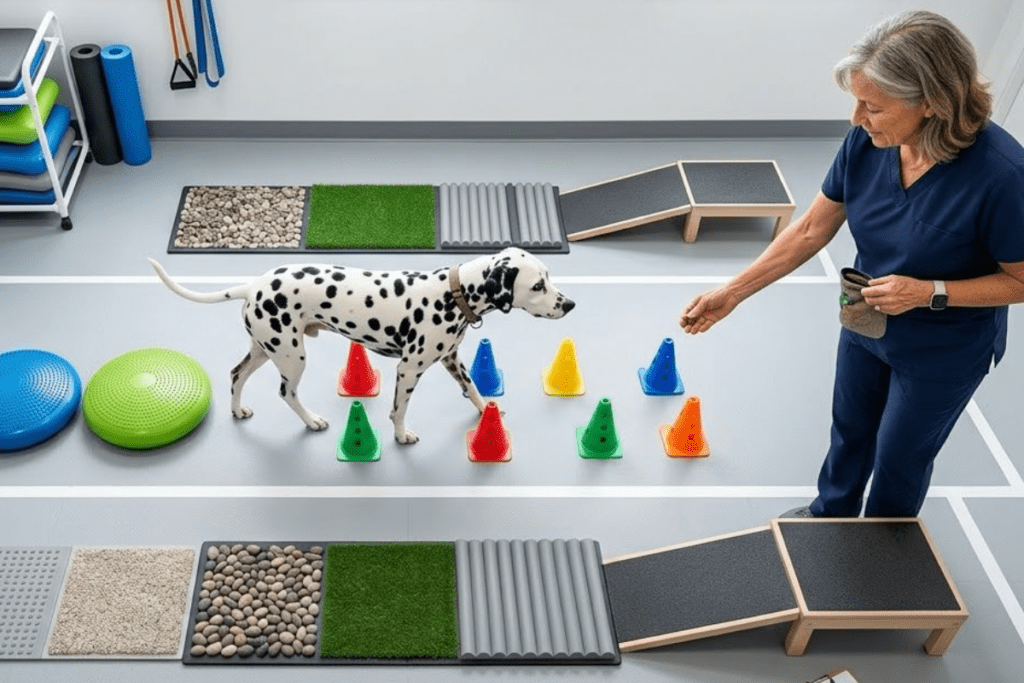
A typical pet rehabilitation therapy session begins with a thorough assessment of the animal’s condition, mobility, and pain levels. The therapist will observe gait, posture, and muscle tone to identify problem areas. Based on this evaluation, a personalized treatment plan is developed.
During the session, the animal will undergo various therapies such as manual manipulation, guided exercises, or hydrotherapy, depending on their needs. The physiotherapist closely monitors the animal’s responses to ensure comfort and effectiveness.
Sessions usually last between 30 and 60 minutes and are scheduled regularly to track progress and adjust the plan as needed. Pet owners may also be instructed on exercises or care techniques to continue at home, maximizing treatment benefits.
Conclusion
Animal physiotherapy is a helpful way to manage long-term pain and improve your pet’s quality of life. It works by treating the main causes of pain using gentle, non-invasive methods. This helps pets heal, move better, and feel healthier overall. Physiotherapy can be used alongside or instead of medicine and surgery, often lowering the need for risky treatments. If you want a caring and effective way to ease your pet’s chronic pain, pet physical therapy can bring real benefits. With expert support and customized care, your pet can feel comfortable again, enjoy playing, and live happily.
Ready to give your pet the relief they deserve? Visit vitailix to learn more about how animal physiotherapy can transform your companion’s life and schedule a consultation today.
Physiotherapy For Pets (FAQs)
Q: Can pet rehabilitation therapy help with all kinds of long-term pain?
Pet rehabilitation therapy works well for many types of ongoing pain, especially those linked to joints, muscles, or recovery after surgery. But not every case is the same. A vet should check your pet first to decide if this treatment is a good fit.
Q: When will I start seeing changes in my pet?
It depends on your pet’s condition. Some pets move better and feel less pain after just a few sessions. Others may take a few weeks to improve. Being consistent with treatment makes a big difference.
Q: Can physiotherapy be used with medicine or after surgery?
Yes, it can. Physiotherapy often works alongside medicine or surgery. It may help your pet heal faster or need fewer drugs. A vet and physiotherapist will work together to make the right plan for your pet.
Q: Are there any risks or side effects of animal physiotherapy?
When conducted by qualified professionals, pet physiotherapy is generally safe. Minor temporary soreness may occur after sessions, but serious side effects are rare. It’s important to communicate any unusual signs to the therapist promptly.