Helping a pet recover after an injury, surgery, or illness takes more than just medical care; it requires a thoughtful approach to their whole health. While treatments like physiotherapy and hydrotherapy are well-known for aiding pet rehabilitation, one key factor often overlooked is diet. The food your pet eats during recovery can be just as …


Helping a pet recover after an injury, surgery, or illness takes more than just medical care; it requires a thoughtful approach to their whole health. While treatments like physiotherapy and hydrotherapy are well-known for aiding pet rehabilitation, one key factor often overlooked is diet. The food your pet eats during recovery can be just as important as their medicine and exercise routines.
Nutrition fuels the healing process, supports immune function, and helps pets regain strength. Without the right nutrients, a pet’s recovery may slow down, and complications can arise. This blog dives deep into the role of diet in pet rehabilitation and recovery, explaining why it matters and how to feed your pet for the best results.
Why Nutrition Is Essential in Pet Rehabilitation
When your pet is injured or sick, their body is working hard to repair damaged tissues, fight inflammation, and regain normal function. Proper nutrition provides the building blocks needed for this repair. Think of nutrition as the foundation for all other treatments your pet is receiving. Without strong support from their diet, even the best therapies may not reach their full potential.
During rehabilitation, your pet’s energy needs may change. They might move less due to pain or healing, but their body requires more nutrients to rebuild muscle and heal wounds. Balancing these needs can be tricky, but it is essential to avoid weight gain or malnutrition.
A diet rich in key nutrients helps:
- Boost the immune system to prevent infections
- Speed up tissue repair, like muscle, ligaments, and bones.
- Reduce harmful inflammation that slows healing.
- Maintain a healthy weight that doesn’t stress joints.
When you think about pet rehabilitation, diet is the invisible hand guiding your pet’s recovery every step of the way.
Important Nutrients That Support Recovery
Certain nutrients play critical roles during pet rehabilitation. Feeding your pet foods rich in these can make a big difference.
Protein: The Healing Powerhouse
Protein is the cornerstone of recovery. It provides amino acids needed to rebuild muscle, repair damaged tissues, and create enzymes and hormones vital to healing. Without enough protein, pets may lose muscle mass and heal more slowly.
High-quality proteins come from sources like lean meats, poultry, eggs, and fish. These are easier for your pet to digest and absorb. During rehabilitation, protein intake should be adequate but balanced to avoid putting stress on organs like the kidneys.
Omega-3 Fatty Acids: Nature’s Anti-Inflammatory
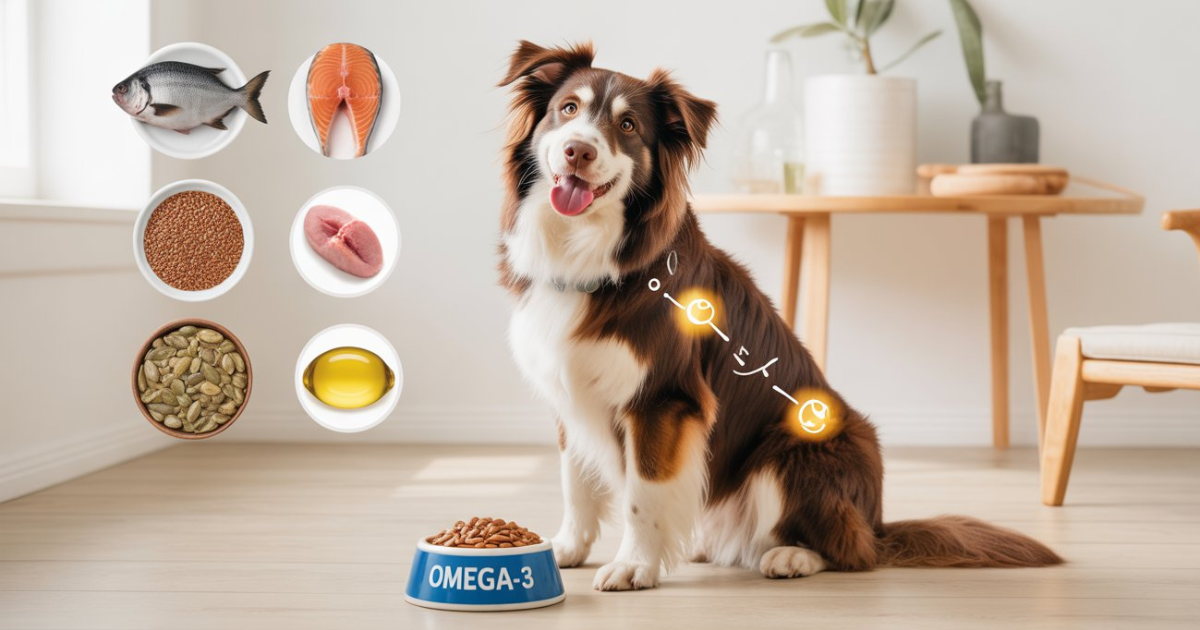
Omega-3s are fats that help reduce inflammation and support joint health. Chronic inflammation can make pain worse and delay recovery, so omega-3s act like a natural soothing balm inside your pet’s body. Fish oil supplements or fatty fish such as salmon and sardines are excellent omega-3 sources. Adding these to your pet’s diet can improve mobility and comfort during rehabilitation.
Vitamins and Minerals: Essential Helpers
Vitamins and minerals support various body functions important to recovery. For example:
- Vitamin C helps protect your pet’s cells by fighting off harmful free radicals and supporting immune health.
- Vitamin E works to maintain healthy skin, muscles, and nerves by shielding cells from oxidative damage.
- Calcium and phosphorus help rebuild bones.
- Zinc supports skin and wound healing.
Ensuring a balanced supply of these micronutrients is crucial, which is why many commercial diets designed for recovery are fortified with them.
Antioxidants: Defenders Against Damage
Healing tissues produce harmful molecules called free radicals, which can slow repair. Antioxidants neutralize these free radicals, protecting cells and supporting a faster recovery. Colorful fruits and vegetables such as blueberries, carrots, and spinach provide antioxidants. Some specialized pet diets include these ingredients or their extracts.
How to Adjust Your Pet’s Diet During Rehabilitation
Every pet’s rehabilitation journey is unique, and their dietary needs may change during recovery. Paying attention and adjusting their food can improve outcomes.
Managing Caloric Intake
Because pets in rehab may move less, their calorie needs often decrease. But if calorie intake drops too low, they won’t have enough healing energy. The key is to find the right balance—enough calories to fuel repair but not so many that your pet gains unhealthy weight. Overweight pets put extra strain on healing joints and may experience more pain.
Regularly monitoring your pet’s weight and body condition helps determine if calorie adjustments are needed. Work with your veterinarian to set the right calorie target for your pet’s stage of recovery.
Feeding Smaller, More Frequent Meals
Dividing your pet’s daily food into smaller portions served several times a day can help maintain steady energy levels and support digestion. Smaller meals reduce the risk of bloating and help keep blood sugar stable, which can be important during recovery. This approach also allows your pet to absorb nutrients more efficiently, supporting the healing process.
Considering Nutritional Supplements
Sometimes, extra supplements may be recommended to fill nutritional gaps or provide additional healing support. For example, glucosamine and chondroitin are often used for joint support, and antioxidants or fish oil may be suggested for inflammation.
Never add supplements without veterinary guidance because some can interfere with medications or cause side effects.
Working with Professionals to Optimize Diet
Creating the right diet plan during pet rehabilitation requires expert knowledge. Veterinarians and veterinary nutritionists specialize in crafting diets that meet the unique needs of recovering pets. They consider factors such as:
- Your pet’s age, breed, and size
- The type and severity of injury or illness
- Current health status and any underlying conditions
- Appetite and food preferences
By working closely with your pet’s healthcare team, you confirm that their diet supports every step of recovery without unintended risks. Veterinarians can also recommend therapeutic diets designed specifically for rehabilitation, which provide balanced nutrition with added healing benefits.
Watching and Responding to Your Pet’s Progress
Recovery is a dynamic process, so your pet’s nutritional needs may shift over time. Keep a close eye on:
- Weight changes, gain or loss, can signal the need for diet adjustments
- Appetite, a poor appetite, may require more palatable or energy-dense foods
- Energy levels and mobility improvements
- Overall health and mood
Regular veterinary check-ups and communication help catch issues early and keep your pet on the right track.
Real-Life Success Stories

Many pet owners have seen how changing their pet’s diet can speed up healing and make life better during recovery. For example, one dog had surgery on its knee and did much better after eating a diet full of protein and foods that reduce inflammation, just like the vet suggested. The dog got stronger muscles faster and felt more energetic and happy.
Another story is about an older cat with arthritis. After adding special oils called omega-3s and antioxidants to its food, the cat had less pain and could move around more easily. These stories show that good nutrition does more than just feed pets; it helps their bodies heal and feel better.
Conclusion
When we think about helping pets heal, we often focus on therapies and medicine, but diet quietly plays a starring role behind the scenes. Proper nutrition fuels every process involved in pet rehabilitation and recovery, from tissue repair to inflammation control to immune defense. A balanced, nutrient-rich diet supports your pet’s strength and comfort, giving them the best chance for a successful recovery.
Ready to Support Your Pet’s Recovery with Better Nutrition? Helping your pet heal is a journey, and diet is one of the most powerful tools you have. Explore expert advice and quality nutrition plans that complement pet rehabilitation at Vitailix. Visit today to give your pet the fuel they need for a strong recovery and a joyful life ahead.
Recovery & Rehabilitation Diet For Dogs Frequently Asked Questions
Q: How soon after injury should I change my pet’s diet?
It’s best to consult your vet as soon as possible after injury or surgery. They can guide any immediate changes needed to support healing.
Q: Can homemade diets meet my pet’s rehabilitation needs?
Homemade diets can work, but require careful planning to confirm all essential nutrients are included. Always consult a veterinary nutritionist for guidance.
Q: Is weight loss important during rehabilitation?
Maintaining a healthy weight is crucial. Overweight pets can experience more joint pain and slower recovery, so weight management is often part of rehab.
Q: Are there risks to feeding too much protein?
Excess protein can strain organs like the kidneys, especially in older pets. Balance is key, so follow your vet’s recommendations.
Q: What if my pet refuses to eat during recovery?
Loss of appetite is common but concerning. Try warming food, offering favorite treats, or feeding smaller meals. If it persists, seek veterinary advice.