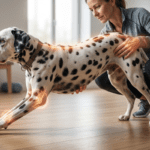
Dog physiotherapy focuses on improving strength, flexibility, balance, and mobility through targeted, low-impact movements. It’s especially valuable for senior dogs dealing with arthritis, muscle stiffness, or past injuries. Much like physical therapy in humans, dog physiotherapy aims to relieve pain, prevent further deterioration, and support a better quality of life without relying solely on medications. …

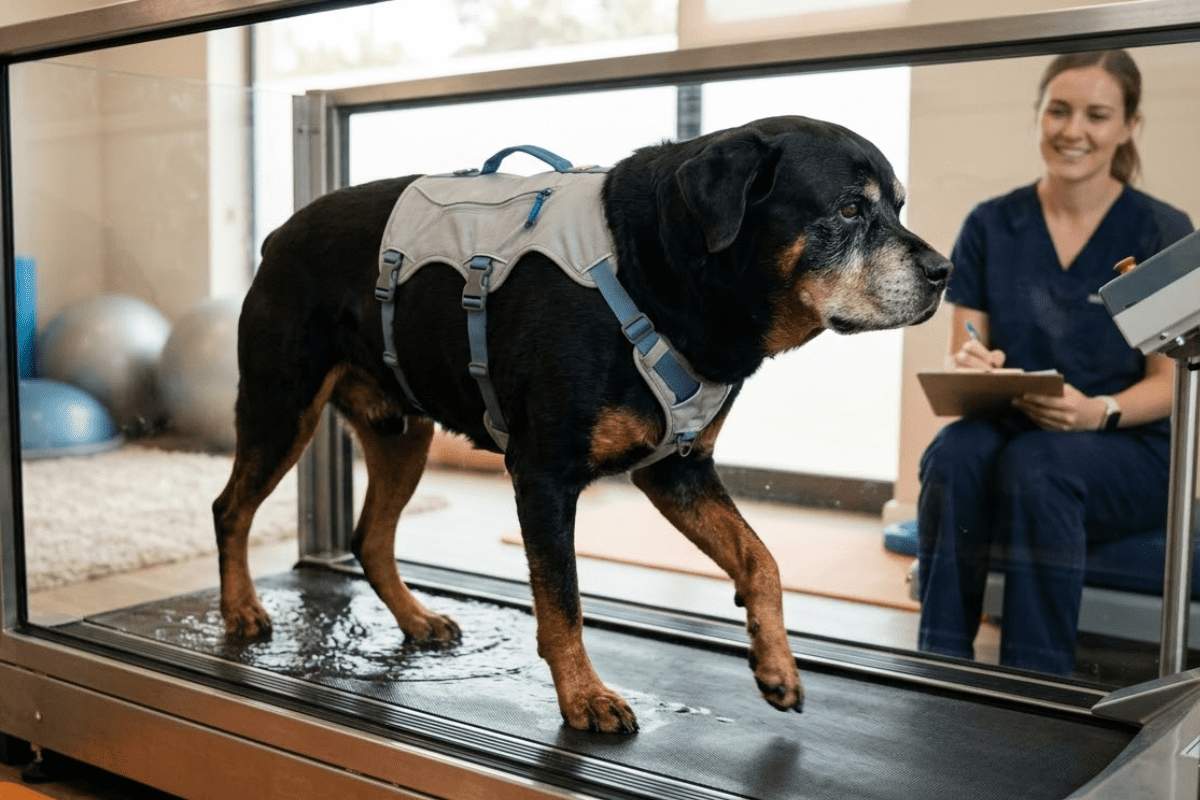
Dog physiotherapy focuses on improving strength, flexibility, balance, and mobility through targeted, low-impact movements. It’s especially valuable for senior dogs dealing with arthritis, muscle stiffness, or past injuries. Much like physical therapy in humans, dog physiotherapy aims to relieve pain, prevent further deterioration, and support a better quality of life without relying solely on medications. From gentle stretches to underwater treadmill sessions, every technique is tailored to your dog’s specific needs and abilities.
One of the most powerful aspects of physiotherapy is its ability to restore confidence. When dogs can walk without pain or hesitation, their personalities often return in full force, tail wags, happy trots, even zoomies. It’s not just about treating symptoms; it’s about helping your dog feel like themselves again. Whether your dog is recovering from surgery or simply slowing down with age, integrating physiotherapy into their routine can be a turning point in their comfort and mobility journey.
What Are the Benefits of Dog Physiotherapy?
Here are some of the main benefits of physiotherapy for dogs:
- Pain reduction: Techniques like joint mobilisation, massage, and cold laser therapy help ease discomfort from injuries or chronic joint conditions.
- Improved mobility and flexibility: Helps loosen stiff joints and muscles, making it easier for dogs to walk, climb stairs, and play.
- Faster recovery: Dogs heal more quickly from surgery or injury when given structured therapy to rebuild strength and circulation.
- Better quality of life: Dogs who move comfortably are more active, playful, and emotionally engaged.
- Non-invasive and natural: Avoids the need for long-term medications or invasive procedures, making it safer and gentler on the body.
What Conditions Can Be Treated with Dog Physiotherapy?
Dog physiotherapy can help manage and improve a variety of health issues, including:
- Arthritis: Reduces joint inflammation, restores flexibility, and builds supporting muscle strength.
- Post-surgical recovery: Helps dogs regain mobility, balance, and muscle tone after operations like TPLO, spinal, or orthopedic surgery.
- Neurological disorders: Aids in treating spinal cord injuries, degenerative myelopathy, and paralysis by improving coordination and balance.
- Sports injuries: Active dogs can benefit from rehab to recover from sprains, strains, or repetitive use injuries.
- Back and neck pain: Helps relieve tension and improve range of motion in dogs with spinal discomfort or intervertebral disc issues.
What to Expect During a Dog Physiotherapy Session
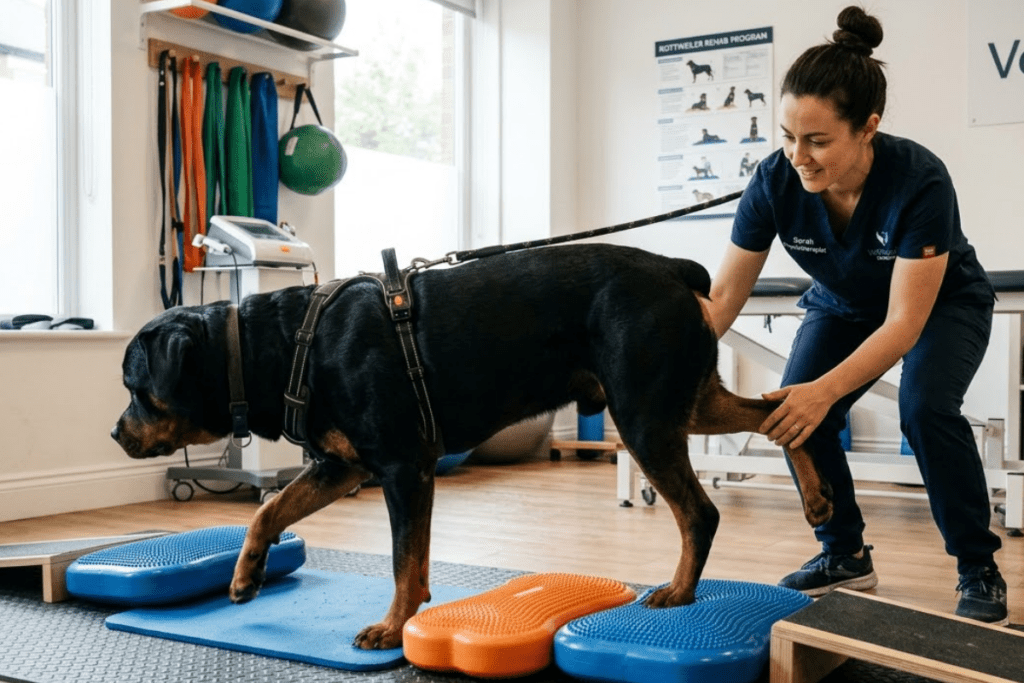
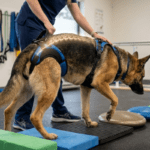
A typical dog physiotherapy session begins with a hands-on assessment of your dog’s joints, muscles, and gait. The therapist evaluates stiffness, pain response, muscle strength, and coordination to tailor each session to your dog’s needs. Treatments are gentle and designed to make your dog feel safe, relaxed, and supported. Most dogs adjust quickly to therapy and even begin to enjoy the sessions over time.
Depending on your dog’s condition, the physiotherapist may use a combination of techniques. These can include soft tissue massage to ease tension, therapeutic stretches to improve flexibility, and guided movements to restore balance. Advanced tools like cold laser therapy, hydrotherapy, or balance boards may also be used to strengthen muscles while minimizing strain. Each session builds on the last, helping your dog regain mobility step by step.
Signs Your Dog Might Need Physiotherapy
Not sure if your dog would benefit from physiotherapy? These common signs can indicate a need for professional support:
- Difficulty getting up or lying down
- Reluctance to climb stairs or jump onto furniture
- Limping or favoring one leg
- Noticeable muscle loss or weakness
- Stiffness after rest or exercise
- Change in posture or walking pattern (e.g., wobbling, dragging paws)
- Slower walks or reduced interest in physical activity
- Recovering from surgery, injury, or chronic illness
If you’ve noticed any of these issues, physiotherapy could be the key to improving your dog’s comfort, confidence, and mobility.
Conclusion
Getting older doesn’t have to slow your dog down. With the right care, your pup can enjoy walks, playtime, and snuggles without pain or stiffness. Dog physiotherapy offers a gentle, natural way to boost strength, ease aches, and improve your dog’s daily life. It’s safe, proven, and can make a world of difference. From arthritis relief to post-surgery recovery, these therapies give your senior dog the tools to stay active and happy.
Ready to Help Your Dog Move Better and Feel Happier? Don’t wait for pain to slow your pup down. Book a dog physiotherapy session today with Vitailix and give your furry friend the gift of comfort, strength, and joy in every step.
Dog Physiotherapy Frequently Asked Questions
1. Is dog physiotherapy safe for older dogs?
Yes! Dog physiotherapy is gentle and low-impact. Each session is designed around your dog’s age, condition, and comfort level.
2. How long does it take to see results?
Many dogs show improvement within a few sessions. However, results depend on the condition being treated and how often therapy is done.
3. Does my dog need a vet referral for physiotherapy?
In many cases, yes. A referral ensures that the physiotherapist works in sync with your vet’s diagnosis and treatment plan.
4. Will my dog be in pain during therapy?
No. Physiotherapy should never cause pain. It’s designed to reduce discomfort. Most dogs find sessions relaxing and enjoyable.
5. Can I do dog physiotherapy exercises at home?
Yes, a qualified physiotherapist can show you safe, easy exercises to do between sessions. This boosts progress and keeps your dog feeling good every day.