Disc disease can drastically affect a dog’s mobility, mood, and overall well-being. The condition may start with stiffness or pain, but can progress to partial or full paralysis if left untreated. For pet owners, watching a beloved companion struggle to walk is heartbreaking. Thankfully, animal rehabilitation has become a powerful tool in treating disc disease …

Disc disease can drastically affect a dog’s mobility, mood, and overall well-being. The condition may start with stiffness or pain, but can progress to partial or full paralysis if left untreated. For pet owners, watching a beloved companion struggle to walk is heartbreaking. Thankfully, animal rehabilitation has become a powerful tool in treating disc disease in dogs, offering a drug-free, supportive path to healing and strength. In this guide, Vitailix explains how animal rehab restores function, reduces pain, and brings joy back to our four-legged friends.
What Is Animal Rehabilitation?
Animal rehabilitation is a medically guided approach to restoring strength, flexibility, and mobility in pets affected by injury, surgery, or chronic illness. It involves a customized blend of physical therapy, hydrotherapy, acupuncture, massage, and lifestyle coaching tailored to a dog’s unique condition and response to treatment. This holistic process does more than treat symptoms. It addresses root causes, supports nervous system recovery, and rebuilds musculoskeletal function through carefully monitored techniques.
Understanding Disc Disease in Dogs
Disc disease, also known as intervertebral disc disease (IVDD), affects the cushioning discs between the vertebrae. These discs can rupture or degenerate, leading to nerve compression and pain.
Key Symptoms to Watch For:
- Stiffness or reluctance to jump
- Crying out when touched or moved
- Dragging of hind limbs or sudden lameness
- Loss of coordination or bladder control
Early signs should never be ignored. Disc disease is progressive, but early action significantly improves outcomes.
Types and Causes of Disc Disease
There are two primary forms of disc disease in dogs.
Hansen Type I involves a sudden rupture of the disc, which is more common in small breeds like Dachshunds and Shih Tzus.
Hansen Type II, on the other hand, is a gradual bulging of the disc that tends to affect larger or older dogs over time. Several factors can contribute to the development of either type.
Causes
Genetics play a key role, as certain breeds are more prone to spinal issues. Obesity, weak muscle tone, and lack of regular exercise also increase the risk. Additionally, frequent jumping or age-related degeneration can put extra stress on the spine. Recognizing these causes early allows for better prevention and faster care if symptoms appear.
Diagnostic Process and Why Timing Matters
The sooner disc disease is diagnosed in dogs, the better their chances of recovery. Delays in treatment can lead to lasting nerve damage and reduced mobility. Diagnosis typically begins with a physical and neurological exam, followed by tests that assess reflexes and pain responses. To confirm the condition, veterinarians often use imaging tools like X-rays, MRIs, or CT scans. These help locate the exact disc problem and guide the best treatment plan—whether that includes rehabilitation, surgery, or a combination of both. Early detection is key to preserving your dog’s quality of life.
Treatment Options
Not every case of disc disease requires surgery. Mild to moderate cases often respond well to a non-invasive treatment plan built around animal rehabilitation.
Surgical treatment in case of:
- There’s complete paralysis or no deep pain perception
- The disc rupture is severe or involves multiple areas
- Immediate decompression is necessary to prevent further damage
For most cases, or after surgery, rehabilitation becomes essential to restoring function and preventing recurrence.
How Animal Rehabilitation Supports Healing
Rehab is not just about movement; it’s about healing. At Vitailix, our rehab protocols are progressive, starting with pain relief and passive range-of-motion exercises and advancing to active strength-building and coordination work.
Physiotherapy for Strength and Balance
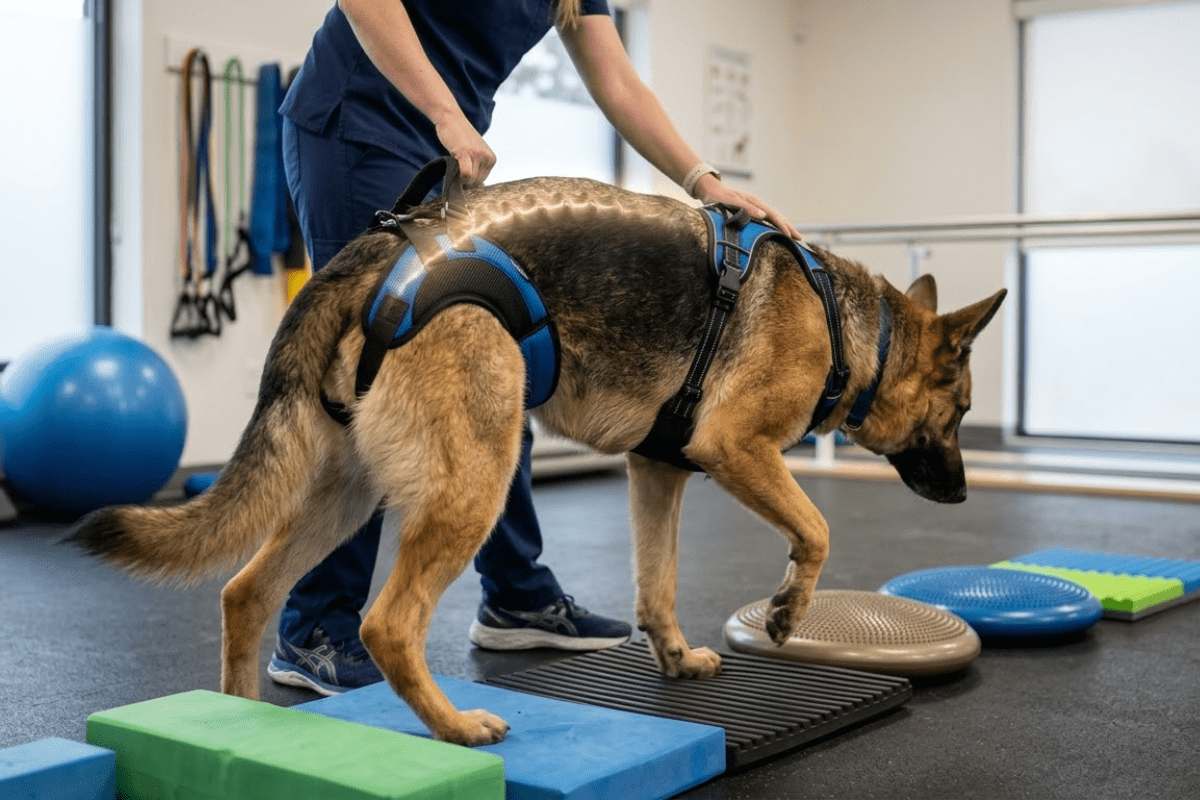
This involves guided exercises that rebuild muscle tone, realign posture, and restore limb coordination. Each movement is closely monitored for safety and steady progress. Over time, pets gain strength, stability, and better control of their movements.
Hydrotherapy for Low-Impact Mobility
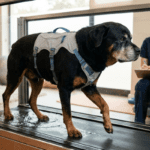
Water-based therapy allows dogs to move with less pressure on their spine and joints. The buoyancy supports weak limbs while improving circulation and muscle tone. It’s especially helpful for dogs recovering from surgery or dealing with chronic pain, as it builds confidence without strain.
Acupuncture for Pain and Nerve Repair
By stimulating specific points, acupuncture promotes the release of endorphins, improves blood flow to damaged areas, and supports nerve regeneration. It can reduce inflammation, ease chronic discomfort, and help restore nerve function in dogs with spinal or disc injuries.
Massage Therapy for Tension Relief
Muscle knots and tight fascia often develop after injury. Massage helps break down tension, increase flexibility, and relax the nervous system. It also improves oxygen flow to sore muscles, speeding up recovery and boosting overall comfort.
Each therapy is tailored to your dog’s needs, creating a holistic plan that encourages healing from the inside out.
Nutrition’s Role in Recovery
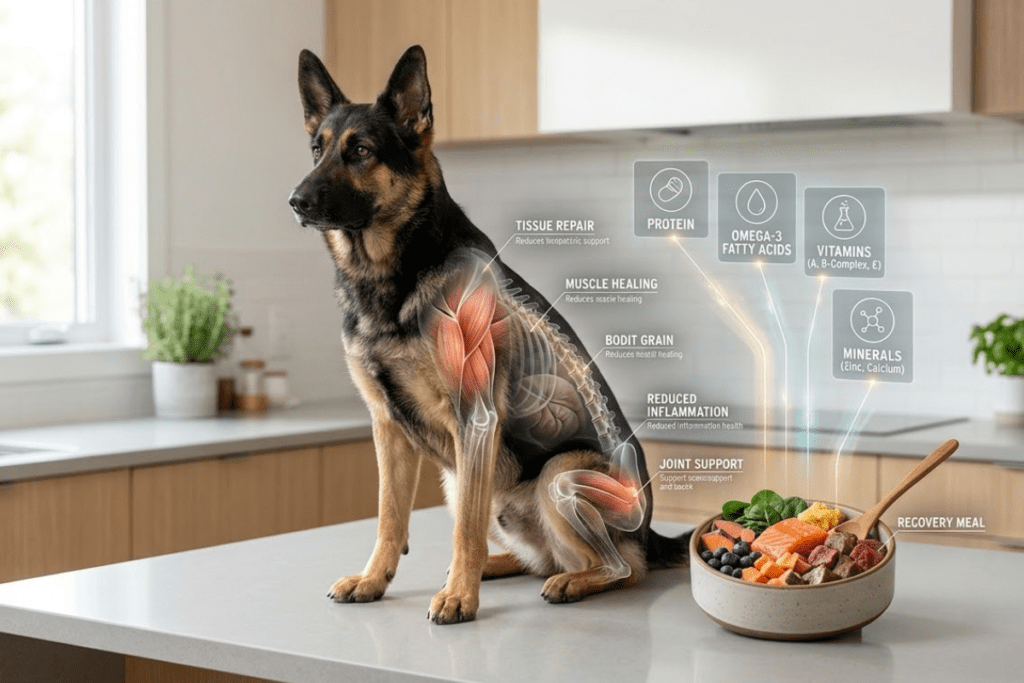
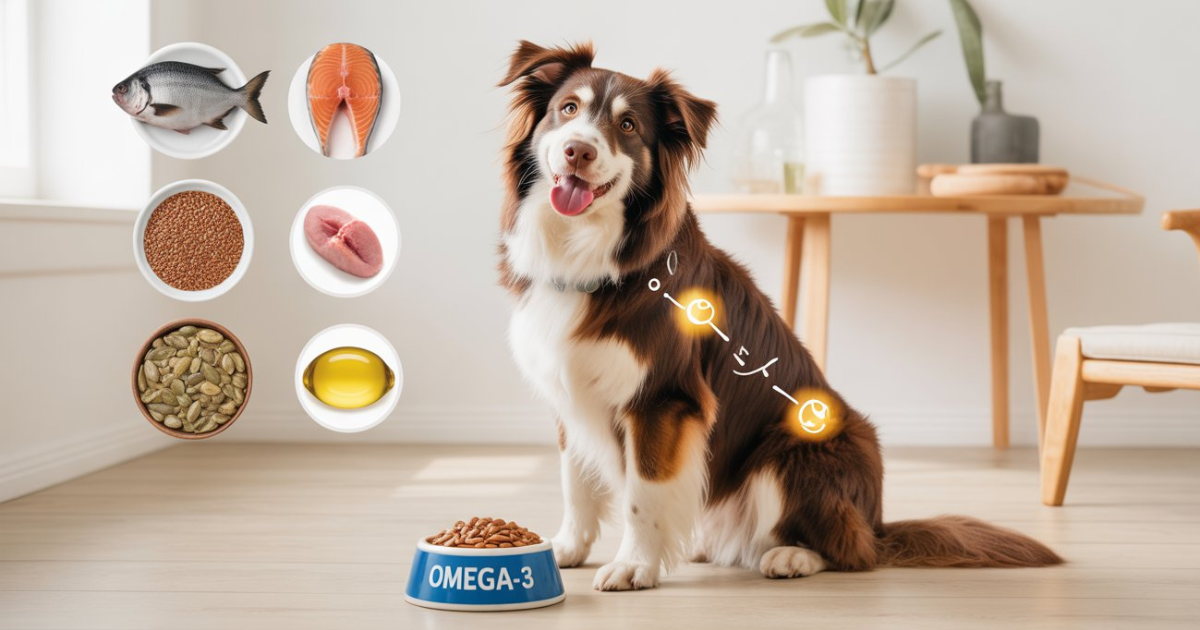
A dog’s diet can influence their recovery speed and comfort. High-quality proteins, anti-inflammatory foods, and appropriate supplements (like glucosamine or omega-3s) help support tissue repair and reduce joint stress. At Vitailix, nutrition advice is a key part of the overall rehab program.
A Real Story
One of our recent patients, a 6-year-old Beagle named Luna, came to us unable to walk after a Type I disc injury. After a brief surgery to remove the ruptured disc, Luna began an 8-week rehab plan at Vitailix. Through daily hydrotherapy, acupuncture sessions, and strength training, Luna slowly regained her mobility. By the end of her program, she was walking, playing, and wagging her tail with ease.
Support at Home: Why Pet Parents Matter
No recovery is complete without emotional and environmental support. A calm home, encouragement during exercises, and a consistent routine all contribute to healing. Our team teaches pet parents how to support rehab exercises at home, handle setbacks, and track signs of improvement.
Conclusion
Disc disease can be life-changing for your dog, but with the right care, recovery is possible. Understanding the types, causes, and treatment options is the first step. With proper rehabilitation, many dogs regain strength, movement, and happiness. Every dog deserves to live without pain—and with the right support, they can. At Vitailix, we’re committed to helping pets move better and live fuller lives.
Ready to help your dog move better and feel like themselves again? At Vitailix, our expert rehab care supports healing, eases pain, and brings back tail wags. Whether your pup needs post-surgery recovery or relief from disc disease, we’re here to help every step of the way.
Rehabilitation for Dogs Frequently Asked Questions
Can animal rehabilitation fully heal disc disease in dogs?
While not every case is curable, many dogs experience significant improvement in function and comfort through dedicated rehabilitation.
Is animal rehabilitation safe for older dogs?
Yes. Rehab is especially beneficial for senior dogs, offering gentle support that improves mobility and reduces pain without medication.
How long does it take for dogs to recover using rehabilitation?
Recovery timelines vary, but most dogs see noticeable improvement within 4 to 8 weeks of consistent therapy.
Can I combine rehab with other treatments like surgery or medication?
Absolutely. Rehab complements surgical recovery and enhances the effects of medication, leading to more sustainable results.
How do I find a certified animal rehabilitation provider?
Look for professionals certified through CCRP or IVAPM, or ask your veterinarian for trusted referrals. Vitailix works only with accredited rehab specialists.