Dogs experience stress and anxiety much like humans do. Loud noises, being left alone, or sudden changes in daily routine can easily upset them. An anxious dog might pace, bark, shake, or hide, clear signs they’re feeling stressed and need support. If left unchecked, these behaviors can grow worse over time and even lead to …

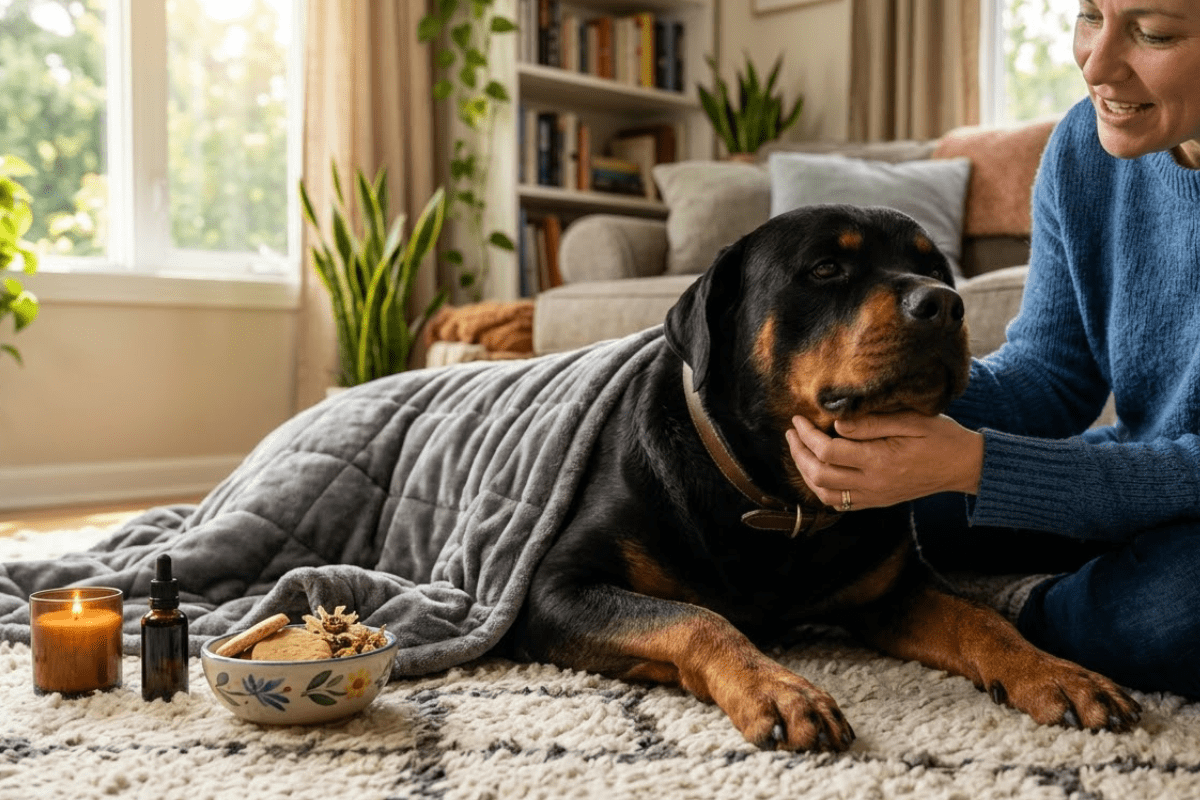
Dogs experience stress and anxiety much like humans do. Loud noises, being left alone, or sudden changes in daily routine can easily upset them. An anxious dog might pace, bark, shake, or hide, clear signs they’re feeling stressed and need support. If left unchecked, these behaviors can grow worse over time and even lead to long-term health problems. The good news is that with a home remedy for dog anxiety, you can help your dog feel calmer and more secure. You’ll explore smart, natural ways to help your dog stay calm, happy, and free from anxious behaviors.
Understand Why Dogs Feel Anxious
Anxiety in dogs often starts from something small. A loud bang, a new visitor, or a vet trip may trigger fear. Dogs thrive on routine and predictability. When their daily schedule changes or their environment shifts, they can quickly feel unsafe or unsettled. Even boredom or a lack of exercise can build up stress, making them more sensitive to triggers.
Understanding these causes helps you make better choices for your dog’s well-being. By recognizing your dog’s specific triggers, you can take steps to prevent panic before it starts. You’re not just avoiding problems; you’re giving your dog a sense of control and comfort in a world full of surprises. This sense of security is vital for their emotional health and helps them cope better with new experiences.
Use Exercise as a Natural Relief
Exercise is a home remedy for dog anxiety that helps dogs release pent-up energy. It also builds confidence and reduces nervous habits. A brisk walk, a game of fetch, or a run in the yard can do wonders. If you know a stressful event is coming, let your dog move more earlier in the day. Tired muscles and a worked-out brain help calm the body. This approach works best when paired with routine.
Add variety to their play. Try scent walks or short training sessions. These give mental and physical relief together. A well-exercised dog is less likely to panic when left alone or hear a storm roll in. It’s not just movement, it’s therapy with paws.
Keep Their Mind Busy
Mental stimulation is just as important as physical activity. Bored dogs get anxious fast. Give them food puzzle toys or treat-dispensing balls. Play “find it” games where they search for treats hidden around the room. This kind of stimulation distracts them from fears and keeps their brain sharp.
Dogs also enjoy tasks that give them a job to do. Short training sessions with praise or rewards help shift focus away from fear. Even five minutes of learning a trick builds calm behavior. Mental games bring joy, confidence, and better moods. It’s like brain fuel for a calmer, happier dog.
Create Safe Spaces at Home
All dogs need a space where they can relax and feel safe. This can be a quiet corner, a covered crate, or a soft dog bed in a calm room. Add blankets and favorite toys. Keep the area away from noise or traffic. Let your dog choose when to use it. Do not force them into it.
Safe spaces work especially well during fireworks or storms. Play gentle music, lower the lights, or use calming scents made for pets. A familiar, peaceful spot gives your dog control and security when things get loud or scary. This simple space acts like a mental shield when life gets noisy.
Try Natural Calming Supplements
Some dogs benefit from gentle supplements. These are often made with ingredients like melatonin, L-theanine, or L-tryptophan. All of these support the nervous system without strong drugs. Zylkene, which comes from milk protein, is another mild choice. These supplements can be mixed with food or offered as chews.
Always ask your vet before using new supplements. Some dogs have other conditions that may need special care. Safe use depends on your dog’s size, breed, and health. Supplements work best with other calming habits, not as a standalone fix. Used properly, they can provide daily comfort with little risk.
Consider CBD for Stress Relief
CBD has gained attention as a pet calming option. It comes from the hemp plant but does not cause a high. Many dog owners report fewer signs of anxiety when using CBD oils or chews. These help with restlessness, fear, and tension.
Choose products made for dogs and check the label for THC-free formulas. Always follow your vet’s dosage instructions. The right CBD product can help make stressful events more manageable. Combine it with rest, play, and comfort for the best results. Think of it as part of your dog’s daily peace plan.
Use Touch and Connection
Massage and touch build trust and lower anxiety. Pet your dog slowly in smooth, even strokes. Focus on the neck, shoulders, or back. Watch how they respond. Gentle massages calm the nervous system and create safe bonds.
You can also try wrapping your dog in a pressure vest or thunder shirt. This applies steady pressure, like a hug, which helps many dogs stay grounded during chaos. Use this method during storms or when you leave the house. Your gentle touch might be the most powerful remedy of all.
Keep Stress Levels Down Daily
Dogs need calm surroundings to thrive. Loud TVs, yelling, or high traffic can keep their system on alert. Over time, this constant stress can affect their mood, sleep, and even health. Try using calming routines, regular feeding times, and soft voice commands. These small habits help your dog feel safe and settled. Steady choices each day help avoid bigger issues down the road.
Use soft lighting, gentle music, and a tidy space. Dogs notice the energy around them. A calm home often leads to a calmer dog. Avoid overstimulation from too many toys, crowded rooms, or rough play. Dogs can get overwhelmed easily, especially if they already feel anxious. Pay attention to how your dog reacts and adjust the space as needed.
Watch Their Food and Schedule
What your dog eats can affect how they feel each day. Poor-quality food may upset their stomach and make anxiety worse. Some ingredients can even trigger restlessness or hyperactivity. To avoid this, feed your dog high-quality, balanced meals made for their breed and size.
Try to keep feeding times the same each day to create a sense of order. Avoid giving human snacks, rich leftovers, or anything with artificial flavors. These can throw off digestion and raise stress levels. If your dog struggles with anxiety often, ask your vet if a calming diet or special formula could help.
Daily routines are just as important as diet. Dogs feel safer when life is predictable. Stick to the same walk times, feeding schedule, and bedtime. Even small changes, like moving walk time by an hour, can confuse or upset them. A steady schedule helps your dog know what’s coming next. When they feel in control of their day, they feel more at ease. Over time, this consistency can lower their stress and build trust in their environment.
Monitor Behavior Changes
Watch for small shifts. Anxiety can start slowly and grow. Is your dog suddenly pacing more? Hiding under furniture? Barking for no reason? These may be signs. Even subtle things like needing more naps or acting clingy can signal a problem.
Track these signs in a notebook or app. When patterns appear, you’ll be ready to act. This helps you decide when to try a new remedy or call the vet. Staying aware makes all the difference. It turns you into the calm your dog needs.
Know When to Call the Vet
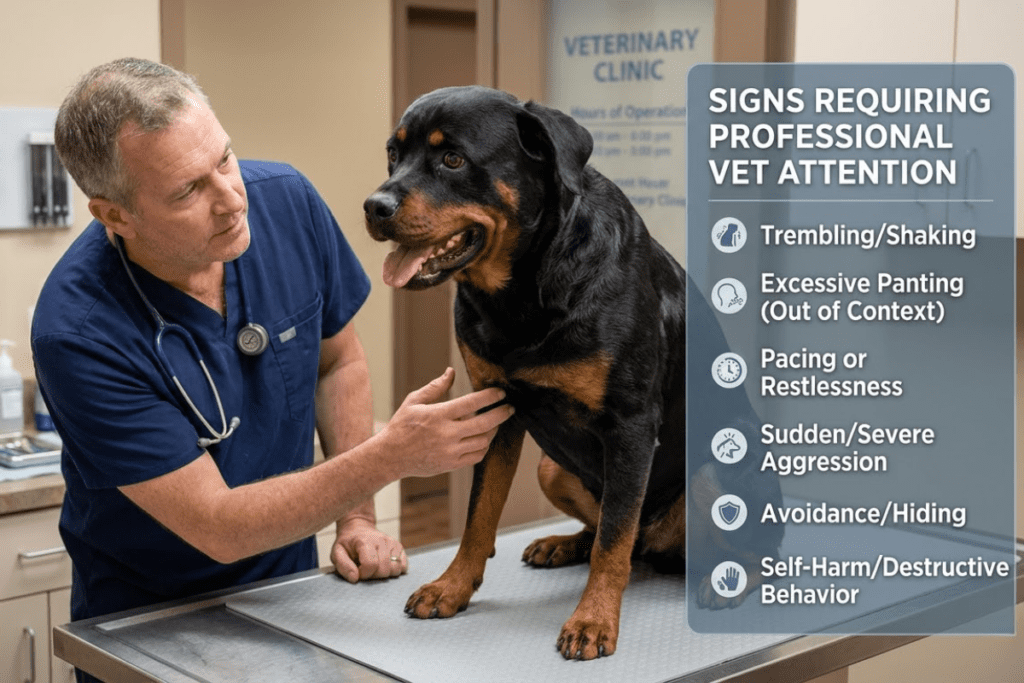
Sometimes anxiety is more than just nerves. If your dog has nonstop panting, stops eating, or starts hurting themselves, call your vet. Your dog might need stronger treatment. The vet may suggest therapy, medication, or behavior training.
Other health issues, like thyroid problems or pain, can cause anxiety, too. A full check-up rules these out. Don’t delay if your gut tells you something is wrong. Early help means faster healing. You’re not just fixing a problem, you’re protecting your dog’s future.
Final Thoughts
Helping your dog stay calm doesn’t have to be hard. With consistent care, simple routines, and home remedy for dog anxiety, you can ease anxiety and boost their well-being. Every small step you take builds your dog’s trust and comfort. Over time, this creates a strong foundation of calm that lasts. Remember, patience and understanding go a long way in helping your furry friend feel safe. Your care today means a happier, more relaxed dog tomorrow.
Support your dog with real relief that lasts. Visit Vitailix and bring home the calm your furry friend deserves.
Home Remedy for Dog Anxiety Frequently Asked Questions
1. What is a home remedy for dog anxiety?
Simple remedies include daily walks, playtime, calming music, and natural supplements like melatonin or L-theanine. A quiet, cozy space also helps your dog relax.
2. Can I use essential oils to calm my dog at home?
Only dog-safe oils like lavender or chamomile, and always use them in a diffuser, not directly on your dog. Ask your vet first, as some oils can be harmful.
3. How do I know if my dog has anxiety?
Look for signs like shaking, barking, hiding, pacing, or licking too much. These behaviors often mean your dog feels stressed or scared.
4. Will a routine help reduce my dog’s anxiety?
Yes. Dogs feel safer when they know what to expect. Try feeding, walking, and playing at the same times each day to build a steady routine.
5. Are natural treats or chews good for anxiety?
Yes, many calming chews use natural ingredients like CBD, L-theanine, or chamomile. Check with your vet to pick a safe brand and the right dose.