Dog acne is more common than you might think. It usually shows up as red bumps or blackheads on your pup's chin, lips, or muzzle. Though it may look unpleasant, the good news is that your dog doesn’t feel embarrassed. But acne can irritate the skin and make your dog scratch or rub the area. …

Dog acne is more common than you might think. It usually shows up as red bumps or blackheads on your pup’s chin, lips, or muzzle. Though it may look unpleasant, the good news is that your dog doesn’t feel embarrassed. But acne can irritate the skin and make your dog scratch or rub the area. If not treated, it can lead to bleeding, scabbing, or even painful infections that need medical care.
Some dogs only get the occasional spot, while others may deal with ongoing breakouts due to things like oily skin, poor hygiene, or food allergies. That’s why keeping the area clean and dry matters so much. You’ll explore smart and gentle ways for dog acne relief at home and how it helps your dog stay comfortable and happy without harsh chemicals or costly treatments.
What Causes Dog Acne?
Dog acne can happen for a few reasons. Hormones, dirty skin, allergies, or even plastic bowls can trigger it. Young dogs and short-haired breeds often get acne during puberty, but it can happen at any age. Bacteria and clogged hair follicles are the main culprits. Dirt, food, or drool trapped in your dog’s fur can lead to blocked pores.
Acne gets worse when your dog scratches or rubs their face on the carpet or furniture. That spreads the bacteria and slows healing. Learning the root cause helps you choose the best care. It’s important to identify the risk factors to avoid problems early.
Daily Cleaning Makes a Big Difference
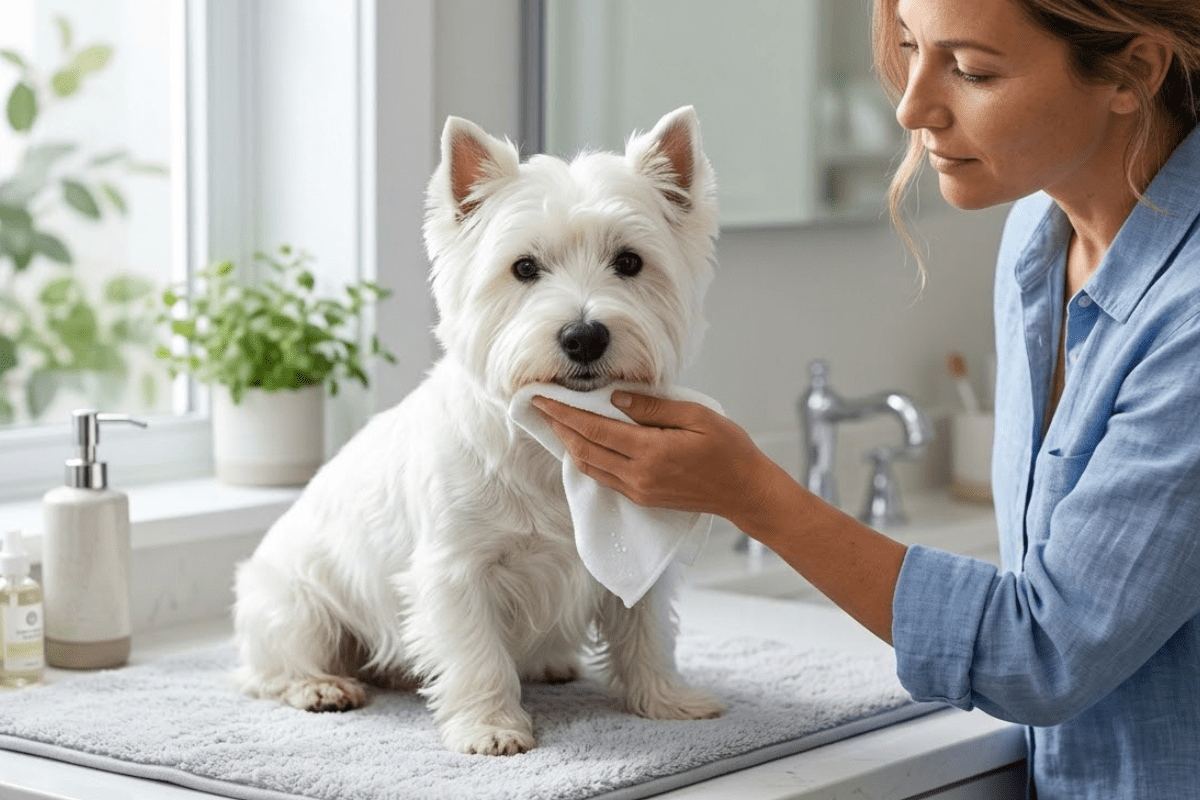
Keeping your dog’s face clean is the first step for dog acne relief at home. Use a warm, damp cloth or a gentle pet wipe every day. Clean around the mouth, chin, and lips, especially after meals. Dogs that eat wet food or get their faces dirty often need extra attention. Dry their skin well after washing. Damp fur invites bacteria. A soft towel works best.
You can also use a clean cotton pad dipped in warm water to wipe away buildup. Stay gentle to avoid irritating the skin. Use a stainless steel or ceramic food bowl instead of plastic. Plastic can trap bacteria and cause flare-ups. Keep bowls clean with hot, soapy water and rinse them daily. This small change helps a lot with acne prevention.
Try Natural Remedies at Home
There are simple, natural options that support dog acne relief at home. Use things you already have or can buy easily. One favorite remedy is diluted apple cider vinegar. Mix one part vinegar with two parts water. Apply it with a cotton pad to the problem area once a day. It helps kill bacteria and dries out pimples.
Coconut oil also works well. Rub a small amount onto your dog’s chin after cleaning. It fights bacteria and soothes the skin. Turmeric paste made by mixing turmeric powder with water or aloe vera gel is another gentle remedy. It reduces swelling and itching. Avoid essential oils unless approved by your vet. Some can be toxic to dogs. Always patch test a new product on a small area first. If there’s no redness or reaction, you can use it more widely.
Don’t Let It Get Worse
Mild acne usually just needs gentle care, but if it spreads or shows signs of infection, contact your vet. Look out for swelling, pus, bleeding, or pain, as these could indicate a serious skin infection. Your vet might recommend a medicated shampoo or oral antibiotics to help.
Avoid popping or squeezing your dog’s pimples since this can cause pain and worsen infections. Focus on cleaning and soothing the area instead. If your dog keeps scratching or rubbing their face, using a cone can help protect the skin while it heals. Acting quickly can save your dog from discomfort and reduce the risk of costly treatments later.
Add Acne Care to Their Routine
Once your dog’s skin clears up, keeping it clear takes steady care. Include face cleaning in your dog’s daily routine. Wash food bowls, wipe their face, and brush away dirt or food from fur. Routine grooming keeps the skin clean and the hair free from oil or buildup. Good hygiene goes a long way. Clean paws also matter since dogs use their feet to scratch.
Trim your dog’s nails and check their paw pads for dirt. Fewer germs on the feet means fewer germs on the face. Try to reduce your dog’s stress. Anxiety can lower the immune system and slow healing. Use calming scents made for dogs or soft background music. When your dog feels relaxed, their skin heals better, too.
Know When Acne is a Symptom
Sometimes, what appears to be acne might be another issue. Skin mites, allergies, or infections can cause similar bumps. If the acne does not improve within a week or gets worse, it’s important to consult your vet. They may perform a skin scrape test or allergy evaluation to find the exact cause.
Keep an eye out for hair loss, dry patches, or scabs, as these signs could point to different skin problems. Your vet can help rule out other conditions and recommend the best treatment. Don’t delay seeking help if you notice anything unusual or if your dog seems uncomfortable.
Support Healing from the Inside
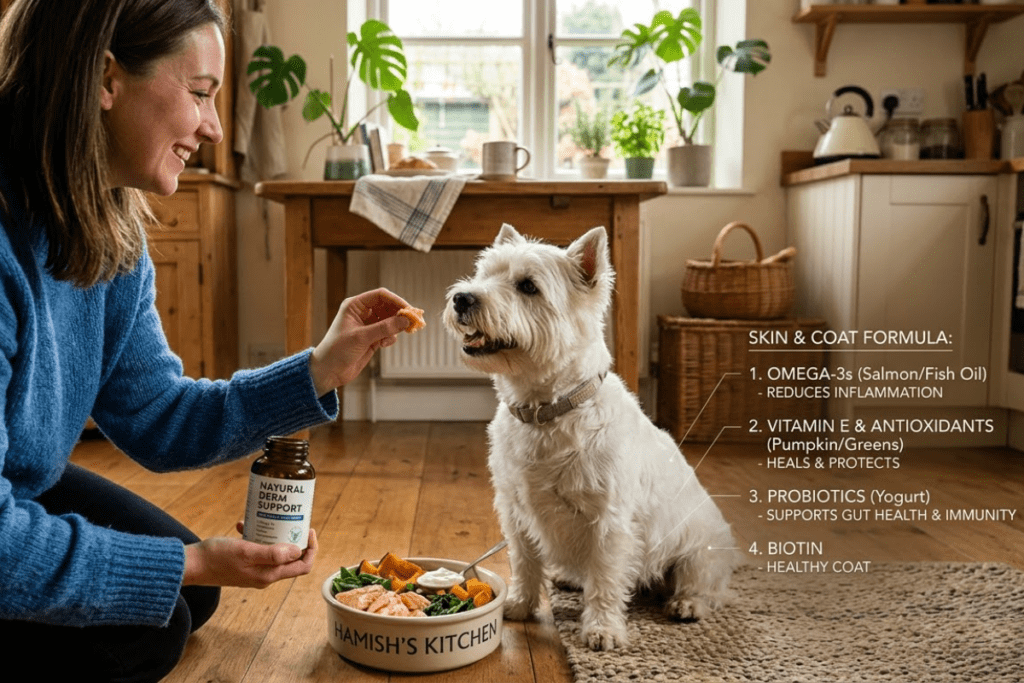
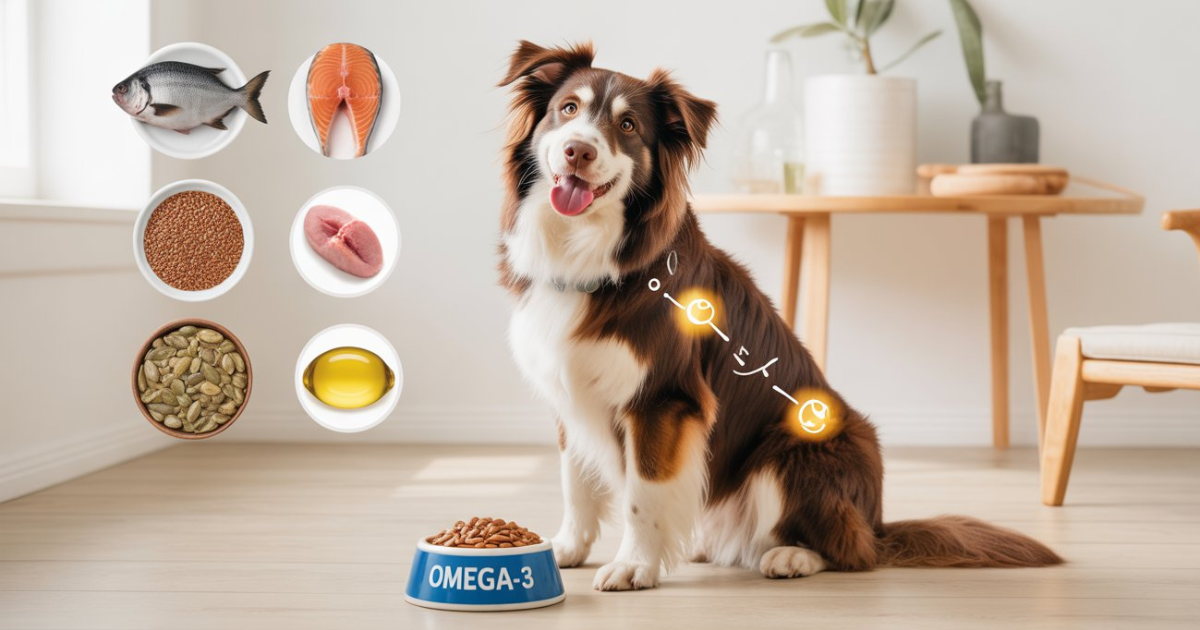
A balanced diet helps support healthy skin. Choose food with good proteins, vitamins, and omega-3 fatty acids. Avoid fillers like corn or soy that may cause breakouts. Ask your vet if a skin-support supplement could help. Add clean water to your dog’s routine. Hydration keeps skin soft and healthy.
Dogs with dry or oily skin often need changes in diet. The right food keeps their body working well from the inside out. Stress and skin problems often go together. Just like a business owner needs good support, your dog does too. A steady routine, gentle grooming, and good food create a stress-free life and better skin.
Final Thoughts
Dog acne is common, but you can treat it with calm care and clean habits. Gentle cleaning, natural options, and steady routines help heal the skin and prevent flare-ups. Don’t ignore early signs or use harsh products. Your pup counts on you to notice what their skin needs.
Smart care helps keep your dog happy and healthy from chin to tail. A few minutes a day can make a big change in their comfort. Keep their bowls clean, their face dry, and their routine stress-free. That’s the real secret to lasting dog acne relief at home.
Help your dog feel their best with easy care that works. Visit Vitailix.com for gentle skin-support products made with love and trust.
Dog Acne Relief Frequently Asked Questions
1. What causes dog acne in the first place?
Dog acne is usually caused by clogged hair follicles, poor hygiene, hormone changes, or bacteria on the skin. It often appears around the mouth, chin, and lips.
2. Is dog acne painful for my pet?
Most mild cases aren’t painful, but if pimples become swollen, infected, or scratched open, they can hurt and cause discomfort or secondary infections.
3. Can I use human acne products on my dog?
No, many human acne treatments contain harsh chemicals that can irritate or harm your dog’s skin. Always stick to vet-approved or natural remedies.
4. How long does it take for dog acne relief at home?
With daily care, most mild cases begin to improve in 5 to 7 days. Consistency with cleaning and natural treatments is key to long-term relief.
5. When should I see a vet for dog acne?
If acne doesn’t improve with home care, gets worse, bleeds, or your dog is in pain, it’s time to call your vet. Severe or deep infections need medical treatment.