Caring for your dog’s skin is more than just keeping them clean; it’s about helping them heal safely and comfortably. Scrapes, cuts, and small wounds are common, especially in active dogs who love to run and explore. While serious injuries always need vet care, minor wounds can often be treated at home with natural solutions …

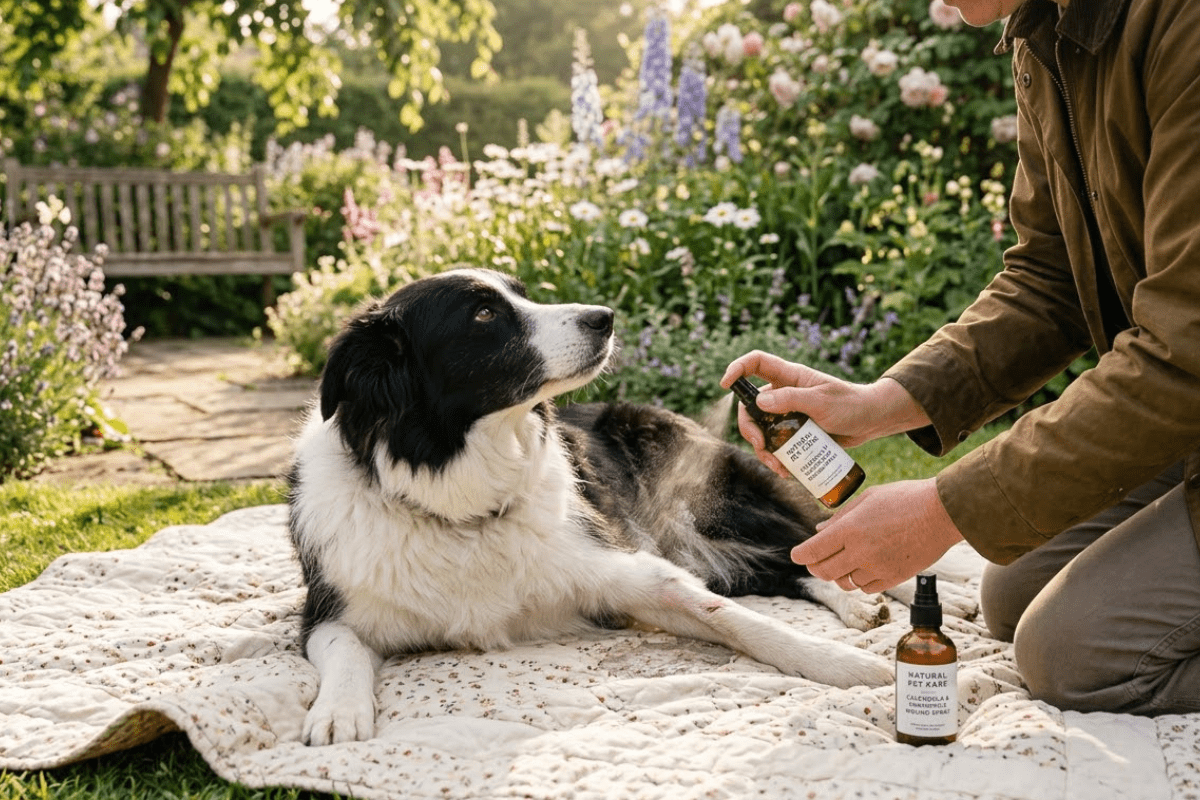
Caring for your dog’s skin is more than just keeping them clean; it’s about helping them heal safely and comfortably. Scrapes, cuts, and small wounds are common, especially in active dogs who love to run and explore. While serious injuries always need vet care, minor wounds can often be treated at home with natural solutions that are both safe and soothing.
Using gentle antiseptics from your kitchen or garden can protect the skin, fight off harmful bacteria, and speed up recovery without harsh chemicals. In this blog, you’ll learn how to use natural antiseptics as part of smart, effective dog wound care so your pup stays safe, soothed, and on the mend, one small step at a time.
When to Use Natural Antiseptics?
Not every wound on your dog’s skin requires a vet visit. Minor scratches, shallow cuts, or scrapes can often heal well at home with proper cleaning and natural antiseptics. These remedies prevent bacteria from growing and reduce swelling. For example, a scrape on your dog’s paw after a walk or a tiny cut on their nose can be managed safely with natural products.
However, it’s important to know when wounds need professional care. If a wound won’t stop bleeding, is very deep, or shows signs of infection like swelling, redness, pus, or a foul smell, contact your vet immediately. Puncture wounds from bites or sharp objects can carry dangerous bacteria and need medical attention.
Using natural antiseptics is ideal for minor wounds because they clean without harsh chemicals that may irritate your dog’s sensitive skin. They help soothe the area while preventing infection, making them a great choice for dog wound care at home.
Why Choose Natural Remedies for Dog Wound Healing?
Natural antiseptics offer several benefits for treating dog wounds. Many conventional antiseptics contain chemicals that can sting or cause allergic reactions on delicate dog skin. Natural options tend to be gentler but still effective in killing bacteria and reducing inflammation. For example, turmeric is known for its antibacterial and anti-inflammatory properties. Applying turmeric paste can help reduce swelling and fight infection while soothing your dog’s skin.
Aloe vera gel is a natural moisturizer that soothes irritation and speeds healing. Coconut oil also fights bacteria and keeps the wound moist, which is important for healing. Witch hazel acts as a natural astringent, helping dry out minor wounds and prevent bacterial growth without harsh side effects. Using these natural remedies allows you to support your dog’s healing process without adding chemicals that might slow recovery or cause discomfort.
How to Apply Natural Antiseptics Safely
Caring for your dog’s wound properly means following safe and gentle steps. Here is a simple guide to using natural antiseptics for effective dog wound care:
- Clean the Wound First
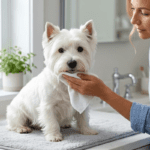
Start by gently rinsing the wound with clean, lukewarm water. This removes dirt, dust, or tiny particles that may irritate the skin. Avoid using hydrogen peroxide or alcohol, as these can sting and delay healing. Use a soft cloth or sterile gauze to pat the area dry. Always be gentle; scrubbing can make things worse and cause pain. If your dog is nervous, calm them with a soft voice and gentle touch.
- Prepare a Turmeric and Aloe Vera Paste
Turmeric has natural antibacterial and anti-inflammatory properties. Aloe vera cools the skin and speeds up healing. Together, they form a powerful natural paste. Mix one part turmeric with one part fresh aloe vera gel until smooth. If you’re using a plant, scrape out only the clear gel from the center of the leaf. Apply a thin layer of the paste to the wound using clean fingers or cotton swabs. Avoid using too much, just enough to lightly coat the area.
- Use Coconut Oil for Moisture
Coconut oil is a gentle, natural barrier that keeps the wound moist and protected. After cleaning the wound, apply a thin layer of virgin coconut oil to the wound and the skin around it. This not only helps prevent infection but also soothes irritation and keeps the area from drying out. It’s especially helpful on paws or elbows where the skin may crack more easily. Always wash your hands before and after applying.
- Apply Witch Hazel Sparingly
Witch hazel is a natural astringent that can help reduce excess moisture around the wound. This is useful if the area looks wet, swollen, or has slight discharge. Use a small amount on a cotton pad and dab gently around the edges of the wound, never inside deep cuts. It helps to dry the surface while calming inflammation. Avoid overusing it; once or twice daily is enough.
- Prevent Licking or Scratching
Dogs tend to lick their wounds, which can slow healing or introduce bacteria. Natural antiseptics like turmeric may discourage licking due to their scent. However, if your dog still tries to scratch or lick the spot, it’s time to step in. Use a soft cone, recovery suit, or dog boot, depending on the location of the wound. Keeping the area clean and covered when needed will speed up recovery and reduce stress.
- Monitor Daily
Check the wound at least once a day. Look for signs of healing like reduced redness, less swelling, and scabbing. Reapply the natural antiseptic once or twice daily, based on how the wound looks. If the area seems worse, more swollen, hot to touch, or smells bad, stop treatment and call your vet. Most minor cuts heal in a few days to a week with proper care. Stay consistent and gentle, and healing will follow.
Supporting Healing from the Inside

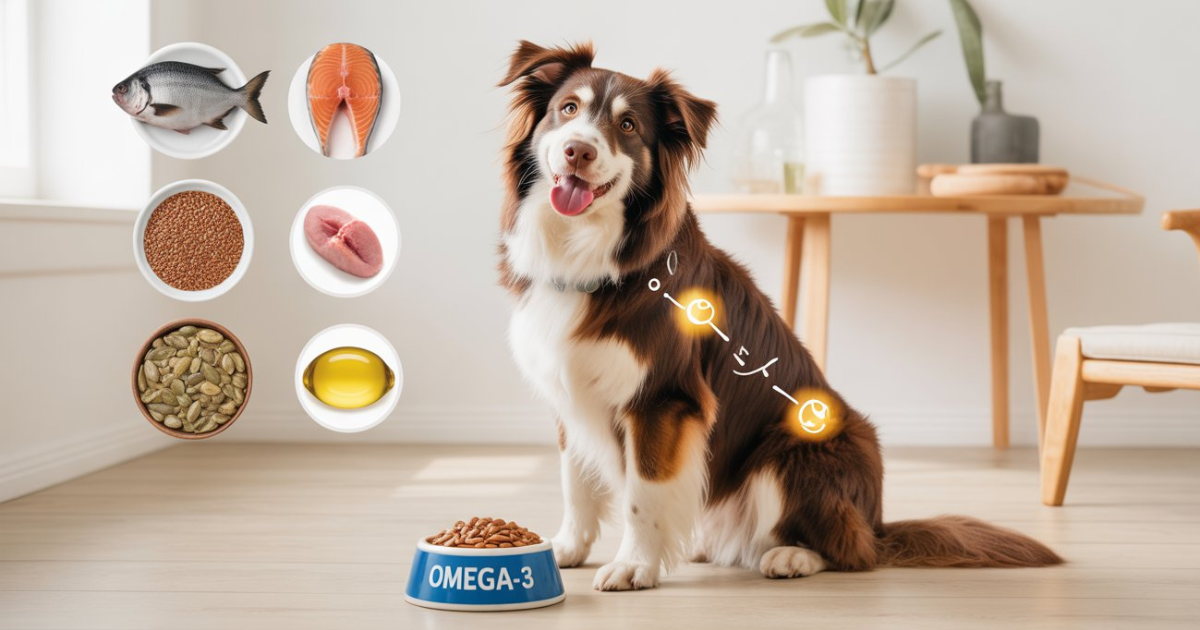
While applying natural antiseptics externally is important, supporting your dog’s healing from the inside is just as crucial. A healthy diet provides the building blocks needed for skin repair and immune strength. Feeding your dog high-quality food rich in proteins, vitamins, and fatty acids helps promote skin health and faster recovery.
Omega-3 fatty acids found in fish oil, for example, reduce inflammation and support the immune system. Proper hydration is equally essential to keep your dog’s skin soft and resilient. In some cases, your vet may recommend supplements like vitamin E or zinc, which aid wound healing. Always consult your veterinarian before adding new supplements to your dog’s diet to ensure safety and effectiveness.
When to Contact Your Veterinarian
Most small cuts and scrapes heal well with home care, but some signs mean it’s time to see your vet. If the wound becomes red, swollen, or painful, it could be infected and needs professional treatment. Watch for any pus, bleeding that won’t stop, or a bad smell coming from the wound. These are clear signs of infection.
Also, if your dog seems unusually tired, stops eating, or acts sick, it may mean the infection is spreading. Pain when touching the area or your dog constantly licking the wound are other warning signals. Your vet can clean deeper wounds, give antibiotics if needed, and offer pain relief. Early care prevents more serious problems and helps your dog heal faster. When you’re unsure, it’s better to call your vet for advice.
Final Thoughts
Caring for your dog’s wounds with natural antiseptics is a gentle, effective way to promote healing and comfort. Turmeric, aloe vera, coconut oil, and witch hazel all offer antibacterial and soothing benefits without harsh chemicals. Following safe application steps and watching for signs of infection ensures your dog recovers quickly at home.
Protect your dog’s health with natural, effective wound care today. Visit Vitailix for trusted products and expert tips that keep your pup safe and healing fast.
Dog Wound Care Frequently Asked Questions
- What natural antiseptics are safe to use for dog wound care at home?
Natural options like turmeric, aloe vera, coconut oil, and witch hazel can help clean and soothe minor wounds safely. - When should I stop treating a dog’s wound at home and see a vet?
If the wound shows swelling, pus, bleeding that won’t stop, or a foul smell, contact your veterinarian immediately. - How do I prevent my dog from licking their wound?
Use an Elizabethan collar (cone) or distraction techniques to prevent licking, which can slow healing and cause infection. - Can turmeric help reduce inflammation in dog wounds?
Yes, turmeric has natural anti-inflammatory and antibacterial properties that can support wound healing when used properly. - Are all natural remedies safe for every dog?
No, some natural products may cause allergies or irritation. Always patch test and consult your vet before use.