Joint pain in dogs is more common than many pet owners realize. It slows them down, makes walks painful, and takes the fun out of playtime. Like people, dogs can suffer joint pain for many reasons. Age, weight, injuries, and arthritis are the usual culprits. One of the most common causes is osteoarthritis. This condition …

Joint pain in dogs is more common than many pet owners realize. It slows them down, makes walks painful, and takes the fun out of playtime. Like people, dogs can suffer joint pain for many reasons. Age, weight, injuries, and arthritis are the usual culprits. One of the most common causes is osteoarthritis. This condition wears away the soft tissue that cushions your dog’s joints. When that tissue thins out, it leads to pain, swelling, and less movement.
When your dog slows down, stops jumping, or struggles to get up, joint pain may be the reason. Some signs are easy to see. Your dog may limp, resist stairs, or flinch when touched. But other signs are subtle. They may sleep more, play less, or seem cranky for no clear reason. Paying attention to these clues early can help you support your dog before the pain gets worse. In this blog, you will explore a safe, natural dog joint pain remedy to help your dog feel better and walk more easily.
Why Joint Pain Happens
Joint pain doesn’t happen overnight. It builds over time. Sometimes it starts from an injury. Other times, the cause is weight gain or aging. As dogs grow older, the joints start to break down. Their bodies can’t repair damage as fast. Cartilage gets thinner. Bones may rub together. That rubbing leads to more pain and less motion.
Extra weight is another big issue. Every extra pound adds pressure to your dog’s joints. That pressure makes walking or standing harder. It also speeds up cartilage breakdown. Keeping your dog at a healthy weight is one of the best ways to support long-term joint health.
Work with Your Vet First
Your veterinarian should be your first stop if you think your dog is in pain. A vet will examine your dog’s body, watch how they walk, and may take X-rays. Sometimes they check the fluid inside the joints to see if inflammation is present. These steps help confirm what’s causing the pain.
A clear diagnosis helps guide the best plan. Some dogs need joint supplements. Others might benefit from a change in diet, exercise, or prescription medication. No matter what, your vet can help you choose safe steps based on your dog’s needs.
Choose the Right Diet and Watch the Weight
Diet plays a big role in joint health. Dogs need balanced meals that support bones and muscles. If your dog is overweight, trimming down can ease pressure on the joints. Weight loss is the easiest, most effective dog joint pain remedy. Talk to your vet about a feeding schedule and portion size. Avoid extra snacks, especially high-fat or high-salt treats. Replace them with healthy options like sliced carrots or green beans.
Staying at a healthy weight also helps your dog move better. Less weight means less stress on bones and muscles. Your dog will walk more easily, rest better, and stay more active. Over time, this helps build stronger joints.
Also read: https://vitailix.com/5-health-benefits-of-turmeric-for-dogs-you-should-know/
Use the Best Supplements
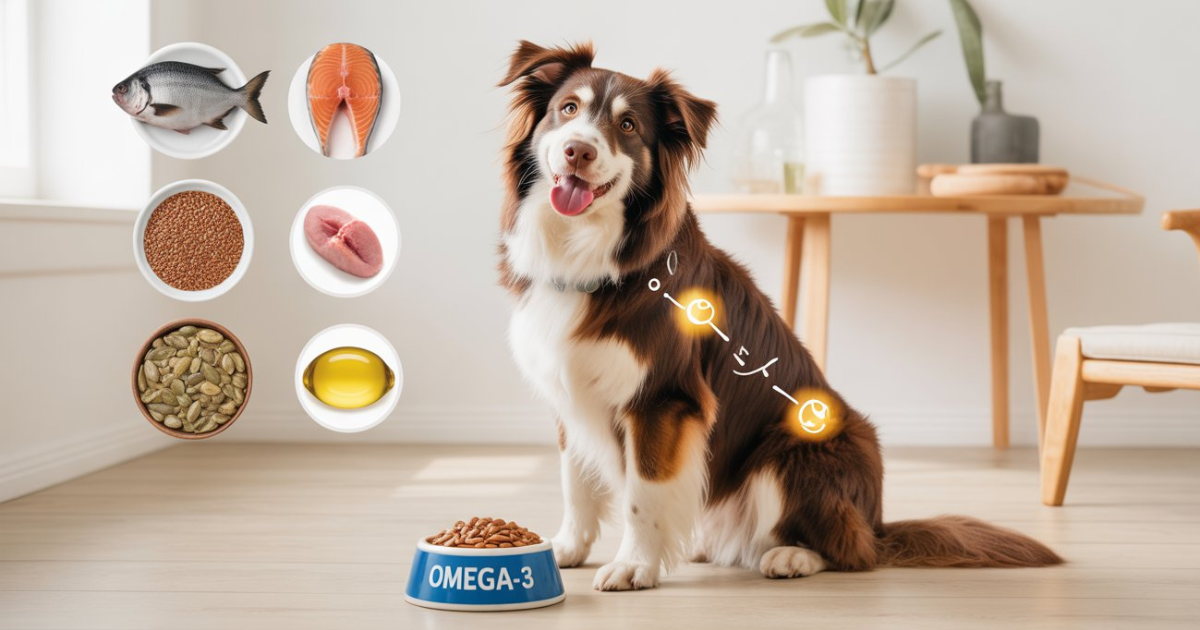
Some dogs benefit from joint supplements. The most common are glucosamine, chondroitin, MSM, and omega-3 fatty acids. These support cartilage and reduce inflammation. Glucosamine helps protect the soft cushion inside the joints. Chondroitin helps prevent further breakdown. MSM supports joint health and comfort. Omega-3s, found in fish oil, reduce swelling and support heart health, too.
There are many brands out there, so talk to your vet before choosing one. Some products are better than others. You want something safe, tested, and made for dogs. A vet-recommended brand ensures your dog gets what they need, in the right dose.
Keep Them Moving
Even with joint pain, gentle movement helps. Rest is important, but too much can cause stiffness. Regular, low-impact walks keep muscles strong and joints flexible. Avoid rough play, long hikes, or hard surfaces. Short, easy walks are best. Swimming is also great for dogs with joint pain. It strengthens muscles without adding pressure.
Physical therapy may also help. Your vet might suggest simple stretches or light exercises. These can improve balance, strength, and flexibility. Keep your dog active, but don’t overdo it. Pay attention to signs of discomfort and stop when needed.
Give Comfort at Home
Make small changes at home to help your dog move better. Use soft bedding that supports joints. Add rugs or mats to slippery floors. Raise food and water bowls to reduce bending. Use ramps instead of stairs when possible. These simple steps reduce joint strain and help your dog feel more at ease.
Keep their nails trimmed. Long nails change how dogs walk, which affects the joints. Grooming, especially around sore areas, should be gentle. A soft massage can also help sore muscles. Just watch how your dog responds.
Natural Remedies and Daily Support
Natural remedies may give your dog extra relief. Some pet owners try options like turmeric, herbal supplements, or CBD oil. These can help, but always check with your vet before using anything new. Not all natural products are safe for dogs. Daily habits also play a big role in how your dog feels. A steady routine can lower stress and support healing.
Give your dog a calm, quiet space to rest, especially if they’re older. When dogs feel relaxed, joint pain often eases. With simple, consistent care, you can help prevent bigger problems down the road. Even a few minutes of gentle play or a soft walk each day can lift their mood. The more balanced their day feels, the better their joints and overall health respond.
Prevent Future Joint Problems
Preventing joint pain is easier than treating it later. Start strong habits early in your dog’s life. Feed a balanced diet packed with nutrients that support joint health. Keep your dog active and at a healthy weight to reduce pressure on the joints. Use vet-approved supplements and a trusted dog joint pain remedy even before signs of pain show up. Taking action early can delay or stop joint problems before they begin.
Avoid letting your dog jump from high surfaces or run on hard ground for long periods. These actions can wear out the joints over time. Some breeds, especially large or short-legged ones, are more likely to have joint issues. Talk to your vet about your dog’s breed, age, and size to understand their specific risks. Early planning gives your dog a better shot at a long, active, and pain-free life.
Recognize When to Call the Vet
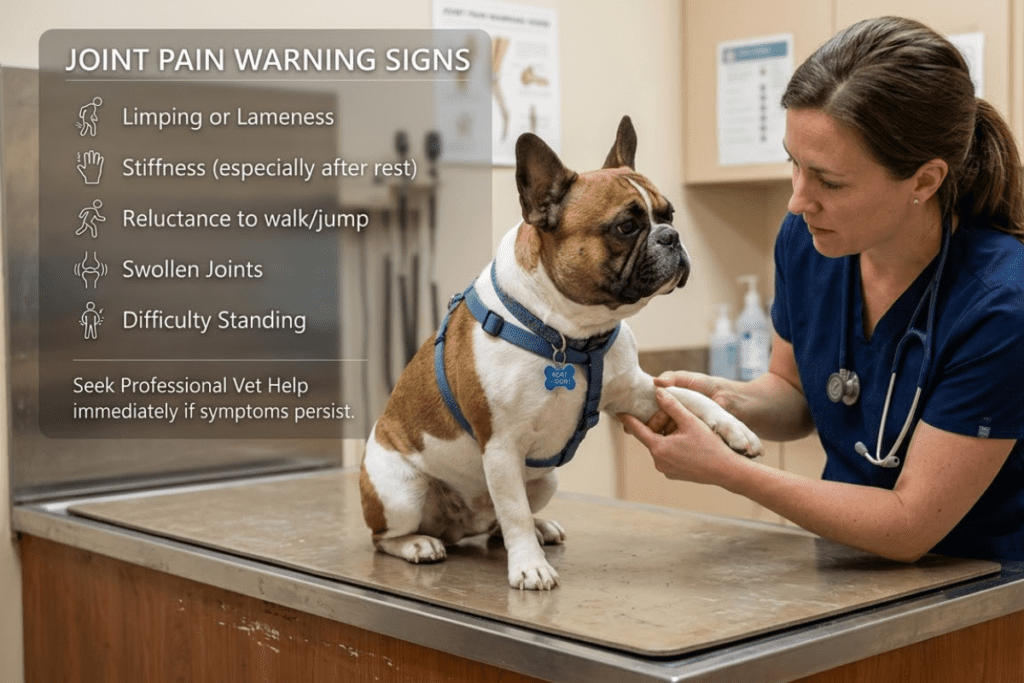
Even with daily care, joint pain can still worsen over time. If your dog refuses to walk, cries out when touched, or seems unusually stiff, it’s time to call the vet. These behaviors may point to serious discomfort that your dog can’t explain in any other way. Don’t ignore warning signs like trembling, constant whining, or a lack of interest in food. These could mean the pain is more severe or that another health issue is involved.
Prompt treatment can make all the difference. Your vet may adjust medications, recommend new therapies, or check for other causes of pain. Acting early keeps things from getting worse and helps your dog get back to feeling better faster. In cases of joint pain, quick vet care protects your dog’s long-term health.
Trust What You See
You spend the most time with your dog, so trust what you notice. Even small shifts in how your dog walks, sleeps, or plays can point to joint pain. A dog that once ran to greet you may now hesitate. You might notice them skipping stairs, struggling to get up, or no longer showing interest in their favorite toys.
Mood changes also matter. If your dog becomes irritable or hides more often, these may be signs they’re hurting. Joint pain doesn’t always scream for attention. Sometimes, it shows up in quiet ways. If something about your dog seems off and you can’t shake the feeling, listen to that instinct. You know your pet best. Acting early leads to faster comfort and shows your dog they’re in safe, caring hands.
Final Thoughts
Your dog counts on you to notice the little things, from a missed jump to a tired glance. Joint pain may slow them down, but it doesn’t have to steal their joy. With early care, daily support, and vet-approved help, your dog can stay happy and active. Small changes in routine, diet, and comfort can make a big difference. Stay alert to signs, act early, and stay consistent. Because every tail wag, every walk, and every cuddle is worth it.
Want to see your dog enjoy pain-free walks again? Start simple, stay consistent, and always work with your vet. Visit Vitailix for trusted products and expert tips that support joint health the natural way.
Dog Joint Pain Remedy Frequently Asked Questions
1. What’s the best dog joint pain remedy I can use at home?
Gentle walks, soft bedding, joint-friendly foods, and supplements like glucosamine can all help ease pain. Always ask your vet before starting anything new.
2. How do I know if my dog has joint pain or just feels tired?
Watch for limping, stiffness, trouble standing up, or skipping stairs. If your dog seems slower or avoids play, joint pain may be the reason.
3. Can a change in diet help with joint pain?
Yes. A healthy diet helps keep your dog’s weight down, which reduces stress on their joints. Some foods even support bone and joint health.
4. Should I stop walking my dog if they have joint pain?
No. Short, gentle walks help keep joints moving. Just avoid hard surfaces, long hikes, or rough play that could make the pain worse.
5. What supplements work best for dog joint pain relief?
Vets often suggest glucosamine, chondroitin, MSM, and omega-3s. These help cushion joints and reduce swelling. Ask your vet which brand and dose are right for your dog.