Milkshake poop is no fun. For your dog, it means an upset belly. For you, it means stress and cleanup. Diarrhea in dogs is common, but it’s also a warning sign. It may be from stress, diet changes, bacteria, parasites, or something worse. But don’t panic. You can help your pup feel better with simple, …

Milkshake poop is no fun. For your dog, it means an upset belly. For you, it means stress and cleanup. Diarrhea in dogs is common, but it’s also a warning sign. It may be from stress, diet changes, bacteria, parasites, or something worse. But don’t panic. You can help your pup feel better with simple, safe steps at home.
If your dog has diarrhea for more than two days, or if you see blood or signs of pain, call your vet. Always rule out serious illness before trying any dog remedy at home. In this post, you will explore how to choose the right dog diarrhea remedy with confidence.
Start With a Pause
When your dog suffers from diarrhea, sometimes the best dog diarrhea remedy is giving their digestive system a break. Fasting for one or two meals allows the intestines to rest and recover from irritation or infection. This pause helps the body clear out toxins or harmful bacteria that might be causing the upset.
However, fasting should only be done if your dog is otherwise healthy and stable. Puppies, elderly dogs, or those with health issues may not tolerate fasting well and need more careful care. Always consult your veterinarian before withholding food, especially for vulnerable dogs. Remember, fasting is a short-term step, not a long-term solution.
Small Sips, Not Gulping Water
Keeping your dog hydrated is critical when diarrhea strikes. Diarrhea causes loss of fluids, so replacing those fluids prevents dehydration. But drinking large amounts at once can worsen stomach irritation or cause vomiting. To prevent this, offer your dog small amounts of water frequently throughout the day.
Using ice cubes or spoon-feeding water encourages slow drinking. Besides water, electrolyte solutions like unflavored Pedialyte can help replace lost minerals and salts. Bone broth, free of seasoning and additives, is another excellent way to hydrate while soothing the gut. Just ensure all fluids are given gradually and under supervision.
Try a Simple, Bland Diet
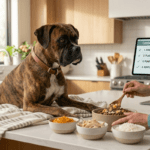
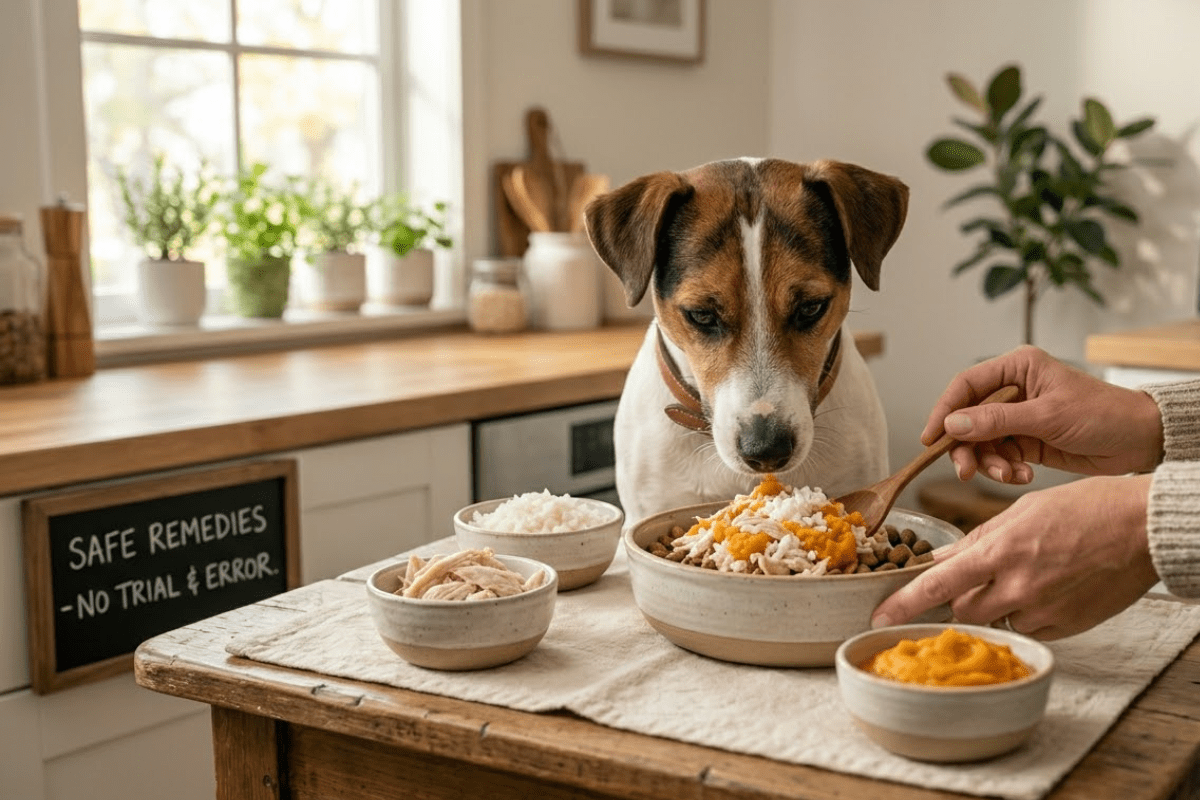
Once your dog can keep water down, it’s time to gently reintroduce food. Bland diets reduce strain on the digestive system and help firm stool. Boiled white rice with skinless boiled chicken is a classic go-to because it’s gentle and easy to digest. Plain canned pumpkin provides valuable fiber that helps regulate bowel movements.
Other options, like boiled sweet potatoes or simple scrambled eggs, can offer nutrients without upsetting the stomach. Serve small portions multiple times a day to avoid overloading their system. Gradually mix in their regular food over several days as symptoms improve. This careful approach prevents sudden flare-ups.
Also read: https://vitailix.com/krill-oil-for-dogs-why-your-pet-needs-this-omega-3-powerhouse/
Natural Soothers That Help
Natural dog diarrhea remedy can complement your dog’s recovery and soothe an irritated stomach. Canned pumpkin, without added sugars or spices, is a widely recommended choice to add bulk and fiber to stool. Slippery elm bark powder, available at many pet stores, forms a protective coating on the gut lining, reducing inflammation and irritation.
Probiotics restore beneficial gut bacteria and promote digestion. Chamomile tea, cooled to room temperature, has calming properties that may reduce cramps and anxiety. While none of these remedies work instantly, they often support mild cases when combined with rest and a proper diet. Always consult your vet before introducing new supplements or herbs.
The Power of Probiotics
Probiotics play a vital role in digestive health by maintaining a balanced microbiome in your dog’s gut. When diarrhea disrupts this balance, harmful bacteria may overgrow, worsening symptoms. Giving probiotics can restore healthy bacteria, improving digestion and stool quality. Choose probiotics specifically formulated for dogs, which come in powders, capsules, or chews.
Some dogs tolerate small amounts of plain Greek yogurt, but dairy can be an issue for others. Introduce probiotics slowly and watch for any reactions. Many dog owners report long-term benefits when probiotics become part of their pet’s regular diet, helping reduce future digestive upsets.
Create a Stress-Free Zone
Stress is a powerful trigger for diarrhea in dogs. Changes in the environment, loud noises, travel, or even new people can cause anxiety and disrupt digestion. Creating a calm, peaceful space at home helps your dog feel safe and relaxed. Provide soft bedding in a quiet corner away from household noise.
Lower the lighting and play gentle, soothing music to reduce anxiety. Dog-appeasing pheromone sprays and herbal scents like lavender can offer additional comfort. When your dog feels calm, their digestive system is less likely to react negatively. Make stress reduction a priority alongside physical care.
Common Causes You Can Prevent
Most episodes of dog diarrhea are preventable when you understand and avoid common triggers. Sudden diet changes are a leading cause; always introduce new foods slowly over five to seven days. Human food should be off-limits, especially greasy, spicy, or rich dishes that upset sensitive stomachs.
Dogs are natural scavengers, so keep trash, compost, and garden debris securely out of reach. Parasites such as worms can cause diarrhea and should be prevented with regular deworming and flea control. Stressful events like moving or loud social gatherings also increase risk. Being aware of these factors helps you protect your dog before problems start.
Warning Signs
Not all diarrhea can be managed at home. Serious warning signs demand immediate veterinary attention. If diarrhea lasts more than 48 hours, becomes more frequent, or is accompanied by vomiting, it could indicate infection or blockage. The presence of blood or black, tar-like stool is especially alarming and suggests internal bleeding.
Weakness, refusal to drink water, abdominal pain, or behavioral changes like hiding indicate your dog is in distress. A bloated abdomen could mean a life-threatening condition requiring urgent care. Never ignore these symptoms, as timely intervention can save your dog’s life.
Avoid These Mistakes
Sometimes, well-meaning actions can make your dog’s diarrhea worse. Giving human medications like Imodium or Pepto-Bismol without veterinary approval risks harmful side effects. Overfeeding or quickly returning to a normal diet can overwhelm the healing gut.
Dairy products often worsen diarrhea unless your dog is confirmed to tolerate them. High-fat or sugary treats delay recovery. Avoid self-medicating and instead, follow your vet’s advice carefully. Maintaining simple, consistent care routines is often more effective than quick fixes.
Keep a Food Diary
If your dog suffers from recurring diarrhea, keeping a food diary can be a good dog diarrhea remedy. Write down everything your dog eats, including regular meals, treats, new foods, and anything they might find outside. Note the exact times you feed them and when they go to the bathroom.
Record stool consistency and any other symptoms like vomiting, tiredness, or changes in behavior. This detailed log helps you spot patterns or problem foods. It also gives your vet important clues to diagnose and treat your dog better. Tracking food and symptoms is a simple step that can greatly improve your dog’s digestive health over time.
Building a Long-Term Plan
Short-term relief is important, but preventing future episodes is the goal. Dogs thrive on routine, so feed at consistent times daily and stick to a trusted food brand. When changes are needed, introduce new diets gradually to avoid shocks.
Adding probiotics regularly may strengthen gut health, but always consult your vet before long-term use. Make sure fresh water is always available and keep hazardous foods or objects out of reach. A consistent routine and awareness of triggers help maintain digestive balance and keep your dog healthy over time.
Why Natural Options Matter
Natural remedies are popular because they support healing gently and often have fewer side effects than pharmaceuticals. Ingredients like pumpkin, probiotics, and bone broth nourish the digestive system and encourage recovery.
They can be especially useful for mild or short-term diarrhea and for dogs sensitive to stronger medications. However, natural doesn’t always mean safe for every dog; vet guidance is essential. Starting with natural support gives your dog the best chance to heal comfortably without harsh interventions.
Diarrhea and Nutrition
Nutrition plays a crucial role in digestive health. Select dog foods where meat is the main ingredient, and avoid fillers such as corn, soy, or artificial additives. High-quality nutrition helps maintain a strong gut lining and healthy bacteria.
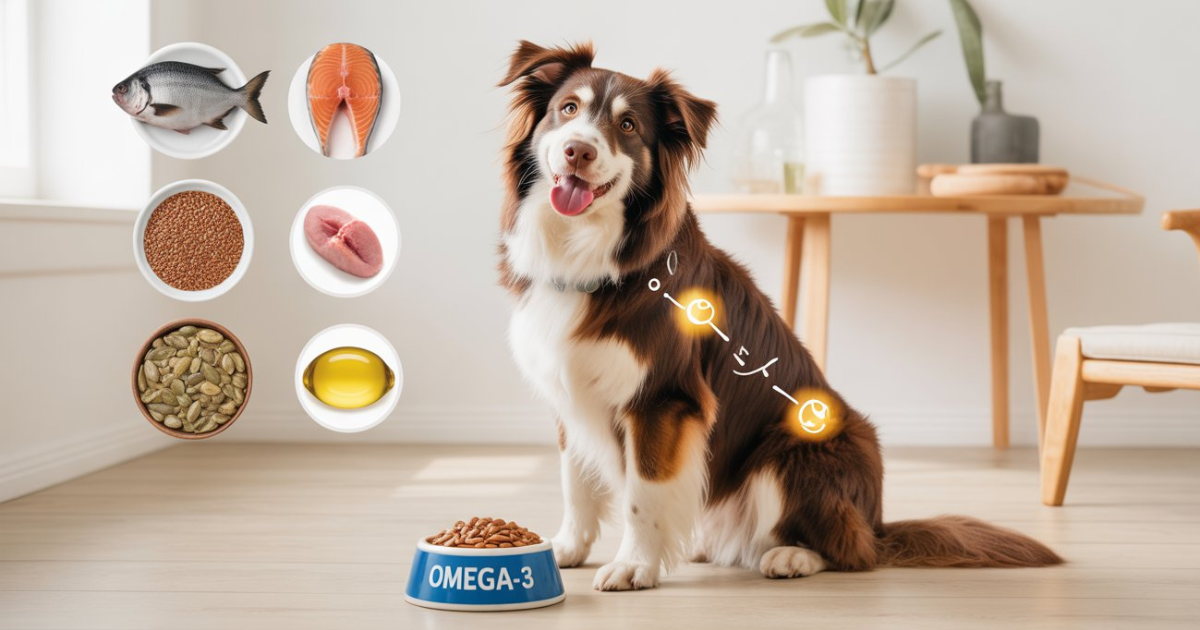
Supplements like fish oil support overall health, and digestive enzymes can assist with food breakdown. Extra fiber from safe vegetables or pumpkin can also improve stool quality. For dogs prone to digestive issues, discuss custom diets or allergy testing with your vet to tailor nutrition to your pet’s needs.
Risk Awareness for Pet Owners
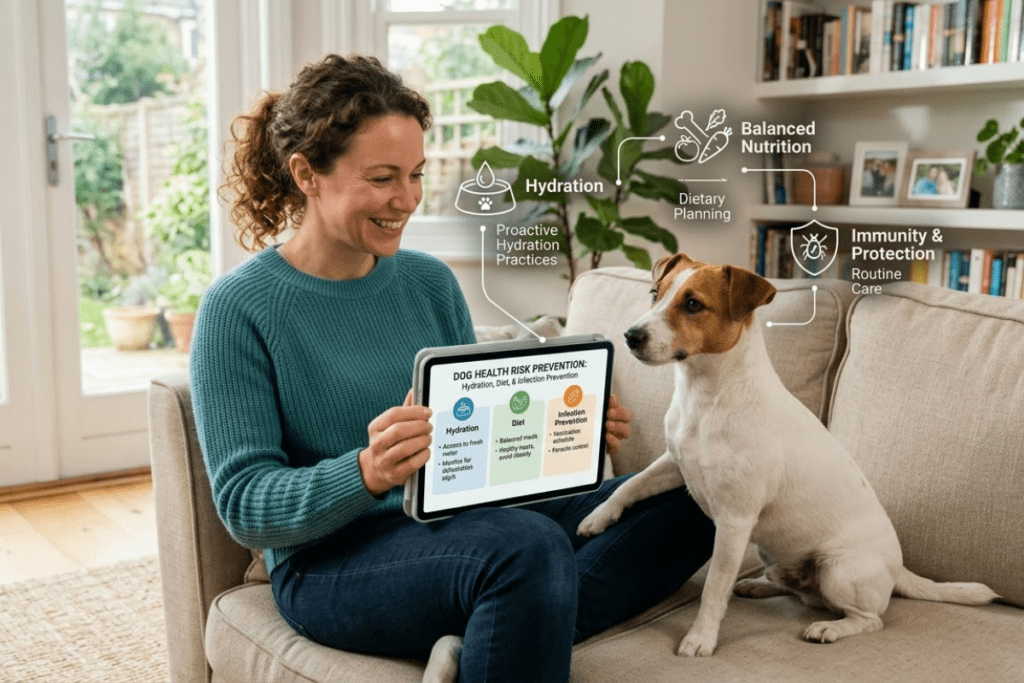
Just like managing finances requires planning and vigilance, caring for your dog’s digestive health involves managing risks. Stay observant of small changes in your dog’s stool, appetite, and energy levels. Early detection of problems prevents serious illness.
Risk management for your pet means avoiding triggers and acting quickly at the first sign of trouble. This approach is similar to how a financial advisor for entrepreneurs guides clients to prevent losses and maximize stability. Being proactive and prepared keeps your dog safe and healthy.
A Final Note on Care
You know your dog better than anyone else. Pay close attention to what they eat, how they behave, and any changes in their appearance. If something seems off or different, trust your instincts; they are often right. Providing gentle and simple care, like rest, clean water, and bland food, can help your dog recover from mild digestive upset.
However, it’s just as important to recognize when the situation is serious. If symptoms persist or worsen, don’t hesitate to seek veterinary care. Early action can prevent complications and keep your dog healthy and comfortable. Being attentive and proactive is one of the best ways to protect your furry friend’s well-being.
Conclusion
Caring for a dog with diarrhea can feel stressful, but it doesn’t have to be a guessing game. Simple steps like fasting, bland foods, and natural support can help soothe your dog’s stomach. Stay alert to signs of more serious illness, and don’t hesitate to get professional help when needed. The right care, given at the right time, can make all the difference. Your dog counts on you, and with a little knowledge and a lot of love, you can help them feel better fast.
Help your dog feel better with gentle, natural support and simple daily care. Visit Vitailix today for expert tips and trusted wellness supplements made for your dog’s sensitive stomach.
Dog Diarrhea Remedy Frequently Asked Questions
1. How long should I wait before feeding my dog again after diarrhea starts?
Wait about 12 to 24 hours before reintroducing food. Always provide small amounts of water during the fasting period. If your dog is a puppy or very old, consult your vet first.
2. Can I give my dog human medicine to stop diarrhea?
No. Human medicines like Imodium or Pepto-Bismol can be dangerous for dogs. Always speak to your vet before giving any medication.
3. What if my dog’s diarrhea keeps coming back?
Recurring diarrhea may point to food allergies, parasites, or underlying illness. Keep a food diary and contact your vet to explore long-term causes.
4. Is pumpkin safe for dogs with diarrhea?
Yes. Plain canned pumpkin (not the pie filling) adds fiber and helps firm up loose stools. It’s a natural and gentle support option.
5. When should I take my dog to the vet for diarrhea?
If diarrhea lasts longer than two days, or if there’s blood, vomiting, or signs of pain, get veterinary help right away. Never wait when your dog seems weak or stops eating.