A dog with a stomachache can be very uncomfortable, and it worries any pet owner. Sometimes, your pup may have a mild upset tummy caused by eating something unusual or a temporary imbalance in their digestive system. Signs like vomiting, diarrhea, lip licking, loss of appetite, or lethargy often point to a stomach issue. Knowing …

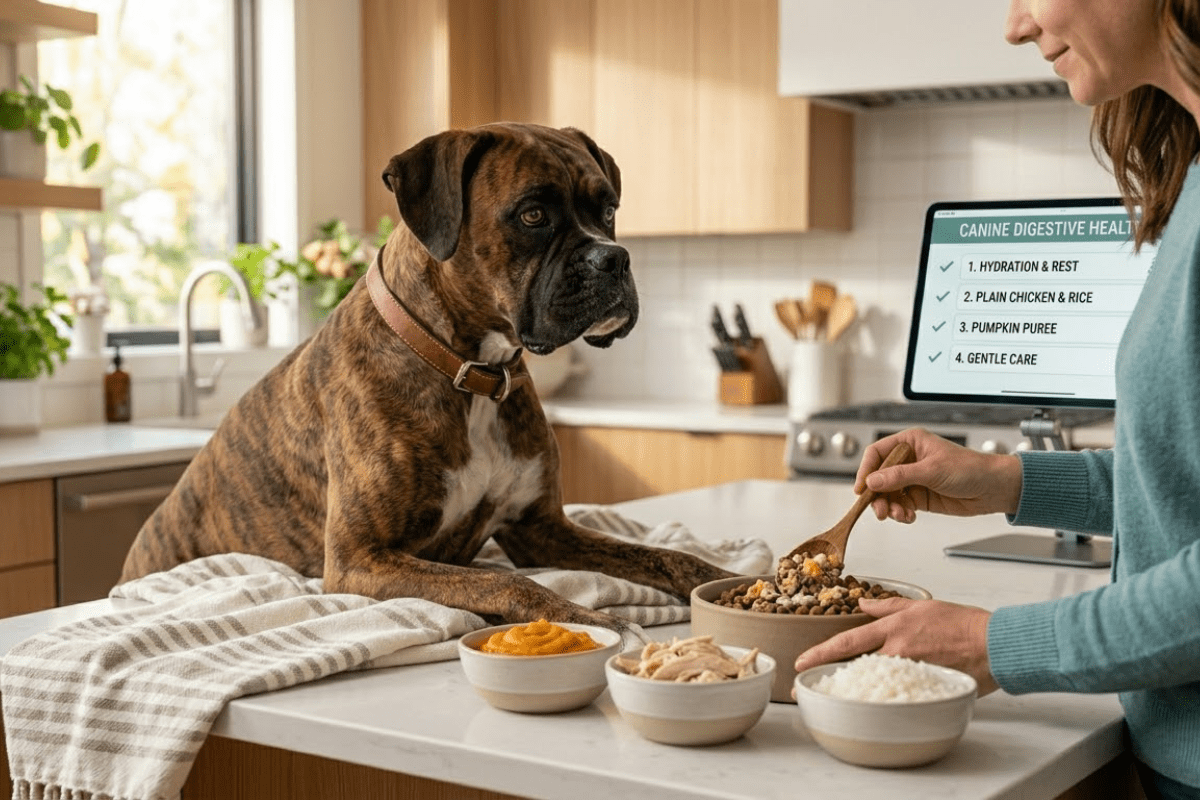
A dog with a stomachache can be very uncomfortable, and it worries any pet owner. Sometimes, your pup may have a mild upset tummy caused by eating something unusual or a temporary imbalance in their digestive system. Signs like vomiting, diarrhea, lip licking, loss of appetite, or lethargy often point to a stomach issue. Knowing the right dog stomach remedy can help your pet feel better fast. This guide explains common causes, safe remedies, warning signs, and prevention tips. You will also learn when to contact your vet.
Understanding Your Dog’s Stomach Troubles
Your dog’s digestive system works to break down food and absorb nutrients, but sometimes things can go wrong. Eating spoiled food, garbage, or foreign objects can upset your dog’s stomach. Stress or sudden diet changes might also cause loose stools or vomiting. Sometimes infections or parasites cause discomfort. Mild stomach issues usually get better with home care, but more serious problems need professional help.
The signs your dog’s stomach is upset include vomiting (sometimes just once or twice), diarrhea, licking lips often, air licking (which looks like your dog is licking the air), and decreased interest in food or play. A dog who is just a bit tired and refuses food might have a mild upset, but if vomiting or diarrhea lasts longer than a day or two, or your dog seems very weak or in pain, a vet visit is needed.
Safe and Simple Dog Stomach Remedies at Home
For mild cases of stomach upset, you can start some gentle dog stomach remedies to help your dog feel better.
Fasting to Rest the Stomach
The first step is often to give your dog’s stomach a break. Skip feeding your dog for six to twelve hours, but keep offering small sips of water to prevent dehydration. Fasting allows the stomach lining to rest and reduces irritation. Avoid treats, table scraps, or new foods during this time. If your dog is a puppy or very young, do not fast for long periods because they need regular nutrients. In these cases, consult your vet.
Using Pumpkin to Calm the Stomach
Plain canned pumpkin is one of the safest and most effective natural remedies. Pumpkin contains fiber that helps regulate digestion. It can firm up diarrhea or ease constipation, depending on what your dog needs. Pumpkin also has a low glycemic index, meaning it releases energy slowly and soothes the digestive tract.
Start by giving about one teaspoon per ten pounds of your dog’s weight. Give it once or twice a day, mixed into their food or alone. Avoid pumpkin pie filling because it has sugar and spices that can harm dogs. Watch your dog’s reaction. If symptoms improve, continue for a few days, but check with your vet before long-term use.
Also read: The Surprising Health Benefits of Vitamin C for Dogs
How Probiotics Help Your Dog’s Tummy
Probiotics are live “good” bacteria that keep the gut healthy. They help balance the microbes in your dog’s digestive system, improving digestion and supporting the immune system. Giving your dog probiotic supplements can help after diarrhea or vomiting to restore healthy bacteria. They come in powders, capsules, or chewables made especially for dogs.
Another mild option is plain yogurt with live cultures. Yogurt is easier to find and can be added to food. However, not all dogs tolerate dairy, so use a small amount at first and watch for any signs of intolerance like more upset stomach or itching. Speak with your vet to choose the best probiotic for your dog’s specific needs.
Hydration and Rest Are Key
Dehydration is a risk when dogs have vomiting or diarrhea. Encourage your dog to drink small amounts of water frequently instead of a large bowl all at once. Gulping water quickly can cause more vomiting. If your dog won’t drink, try offering ice cubes or dilute unsalted chicken broth for extra flavor and nutrients. Rest is just as important. Your dog needs a quiet, comfortable place to relax and heal. Avoid energetic play or walks until the stomach settles. Watch your dog for changes in behavior or worsening symptoms.
Bland Food
After the fasting period and when your dog shows signs of improvement, it’s time to offer bland food. A simple, easy-to-digest meal includes boiled, skinless chicken and plain white rice. Cook the chicken without spices or oils and boil the rice until soft. Offer a small portion (around one tablespoon per ten pounds of body weight) to see if your dog keeps it down without vomiting.
If tolerated, feed bland food two or three times in the first 24 hours, then gradually mix with regular dog food over two to three days. Avoid fatty or spicy foods, treats, or table scraps during this time. If vomiting returns or diarrhea worsens, stop feeding bland food and contact your vet.
Preventing Future Stomach Upsets
Preventing your dog’s stomach upsets is easier than treating them. Feed a consistent, high-quality diet suited to their breed and avoid sudden food changes. Keep them away from trash, spoiled food, and toxic items.
Serve smaller, more frequent meals and use a slow-feeder bowl if your dog eats too fast. Make sure they have fresh water daily and manage their stress levels. Regular probiotics and vet checkups can help maintain a healthy gut and catch issues early. These simple habits go a long way in keeping your dog’s stomach happy.
When to Call the Vet
Sometimes, despite your best home care, your dog’s stomach problem needs professional attention. Call your vet if:
- Vomiting or diarrhea lasts more than 24 to 48 hours.
- Blood appears in vomit or stool.
- Your dog shows signs of pain, weakness, or confusion.
- Your dog refuses to drink water or becomes dehydrated.
- You notice swelling or bloating of the abdomen.
- Your dog has repeated vomiting with no relief.
Prompt veterinary care can identify infections, parasites, or other medical causes that need specific treatment.
How Taking Care of Your Dog’s Health Is Like Managing Your Finances
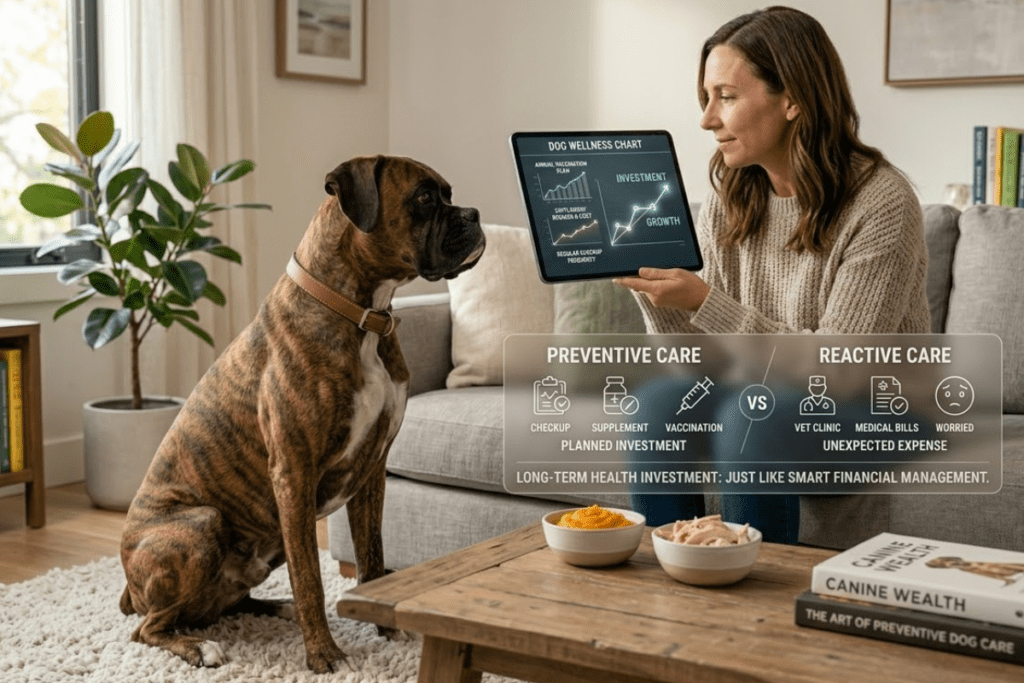
Just as your dog needs careful attention for health, your finances require smart planning. Many people practice tax-efficient investing to protect their money and grow it over time. The benefits of a financial advisor include personalized advice, avoiding costly mistakes, and helping you meet your goals.
Both pet care and money management need early action, consistency, and expert guidance. Taking care of your dog’s stomach issues early and managing your finances wisely creates peace of mind for you and a better future for your family and furry friend.
Conclusion
Mild stomach issues in dogs are common but can be managed effectively with the right dog stomach remedy. Fasting, pumpkin, probiotics, hydration, rest, and a bland diet often bring fast relief. Always watch closely for worsening symptoms or emergency signs like bloat. Preventive care and early action help keep your dog healthy and happy.
Worried about your dog’s tummy troubles? Visit Vitailix for trusted dog stomach remedy and expert care tips that keep tails wagging!
Dog Stomach Remedy Frequently Asked Questions
How long should I fast my dog before feeding it again?
Usually, a fast of 6 to 12 hours is enough for mild upset. Puppies may need shorter fasting times. Always offer small water sips during fasting.
Is pumpkin safe for all dogs?
Plain canned pumpkin is safe and helpful for most dogs. Avoid pumpkin pie filling or fresh pumpkin seeds. Consult your vet if your dog has other health issues.
Can yogurt replace probiotics?
Yogurt with live cultures can help some dogs, but it is less concentrated than supplements. Use small amounts and watch for intolerance.
How can I prevent my dog from eating garbage?
Secure trash cans with lids, train your dog with a “leave it” command, and supervise during walks. Provide plenty of mental stimulation to reduce scavenging behavior.
When is vomiting a sign of a serious problem?
Vomiting with blood, repeated vomiting, lethargy, bloating, or refusal to drink water are serious signs needing urgent vet care.