Ear infections are more common than you might think, and they can make your pet feel miserable. A small itch or irritation can quickly turn into a painful infection if it’s not treated early. Many dogs shake their heads, scratch their ears, or act uncomfortable when something's wrong. If you notice these signs, don’t wait. …

Ear infections are more common than you might think, and they can make your pet feel miserable. A small itch or irritation can quickly turn into a painful infection if it’s not treated early. Many dogs shake their heads, scratch their ears, or act uncomfortable when something’s wrong. If you notice these signs, don’t wait. Knowing what to look for and how to treat mild infections at home can help your dog feel better fast.
This guide will show you the causes of dog ear infection, the warning signs, and safe ways to clean and care for their ears. You’ll also learn when it’s time to see a vet and how to prevent future infections through regular care and smart habits. Keeping your dog’s ears healthy means fewer vet visits, less stress, and a much happier pup.
What Is an Ear Infection in Dogs?
A dog ear infection happens when bacteria, yeast, or parasites grow inside the ear canal in dogs. The skin inside the ear becomes red, itchy, and sore because of this infection. Dogs with floppy ears are more likely to get infections because their ears trap moisture and dirt. Moisture creates a perfect place for bacteria and yeast to grow. Dogs that swim often or have allergies also tend to get infections more easily.
If left untreated, ear infections can cause your dog a lot of pain and even lead to hearing problems. Some dogs may lose their balance, become disoriented, or even develop long-term ear damage. Early care can stop infections from becoming severe and make your dog much more comfortable.
Early Signs of Ear Infection in Dogs You Should Watch For
Common Symptoms
You might notice your dog shaking or tilting their head more than usual. They could be scratching or rubbing their ears against furniture or the floor to relieve itchiness. When you look inside the ear, the skin might appear red or swollen. Sometimes there is a dark discharge or waxy buildup inside the ear. You might also smell a bad odor coming from the ear, which wasn’t there before. That smell is often a clear sign that bacteria or yeast are growing in the ear canal.
Changes in Behavior
Some dogs might be sensitive when you touch their ears and may pull away or cry out. You may also see your dog acting more tired, avoiding play, or even hiding. Your dog could act restless or lose balance, which may mean the infection has reached deeper into the ear. If your dog shows several of these signs, it’s time to act quickly.
Also read: The Ultimate Guide to Omega-3 for Dogs: Benefits & Tips
What Causes Ear Infections in Dogs?
Dog ear infection can happen for several reasons.
One main cause is moisture trapped in the ear canal after your dog swims or gets a bath. Water left inside the ear creates an environment where germs grow fast. If your dog swims often, the ear canal stays damp for long periods. This makes it easier for yeast and bacteria to grow.
Allergies are also a big reason dogs get ear infections. If your dog is allergic to food, pollen, or dust, they may have itchy or inflamed ears. That irritation can lead to infections. Some dogs also react to things in the environment, like mold, cigarette smoke, or cleaning sprays.
Another cause is ear mites, which are tiny bugs that live inside the ear canal. These mites bite and cause itching and swelling. Foreign objects like grass seeds, sand, or dirt can also get trapped in the ear and cause irritation. Over time, this can lead to infection if the object isn’t removed. Dogs with a lot of hair in their ears or with floppy ears are more at risk because air doesn’t flow as well. That allows warmth and moisture to stay inside the ear longer.
How to Check Your Dog’s Ears Safely at Home
Preparing to Check
Checking your dog’s ears regularly helps you catch infections early and avoid painful issues later. Choose a quiet spot where your dog feels relaxed and safe. Use calm words to reassure them during the process. Gently hold your dog and lift the ear flap to take a look inside. The skin should be light pink, clean, and free of odor. If you see redness, swelling, dark wax, or smell something foul, it could be a sign of an ear problem. Regular checks like this make your dog more comfortable with handling and help you act fast if something’s wrong.
What to Look For
Healthy ears are pink, clean, and don’t smell bad. If you see redness, swelling, or brown or yellow discharge, those could be signs of infection. A bad smell is another red flag. If your dog shows pain when you touch the ear, don’t push further. Stop and call your vet. Never insert anything deep into the ear. Only look at the visible part of the ear and gently wipe it if it looks dirty.
How to Treat an Ear Infection in Dogs at Home: Safe Steps
- Cleaning the Ear: If the infection is mild, you can try treating it at home. Start by gently cleaning the ear. Use a vet-approved ear cleaner or make a homemade mix using equal parts distilled water and apple cider vinegar. Only do this if the ear isn’t bleeding or raw. Soak a cotton ball in the mix and gently wipe the ear flap and outer canal. Do not use cotton swabs. These can push dirt deeper or hurt the ear.
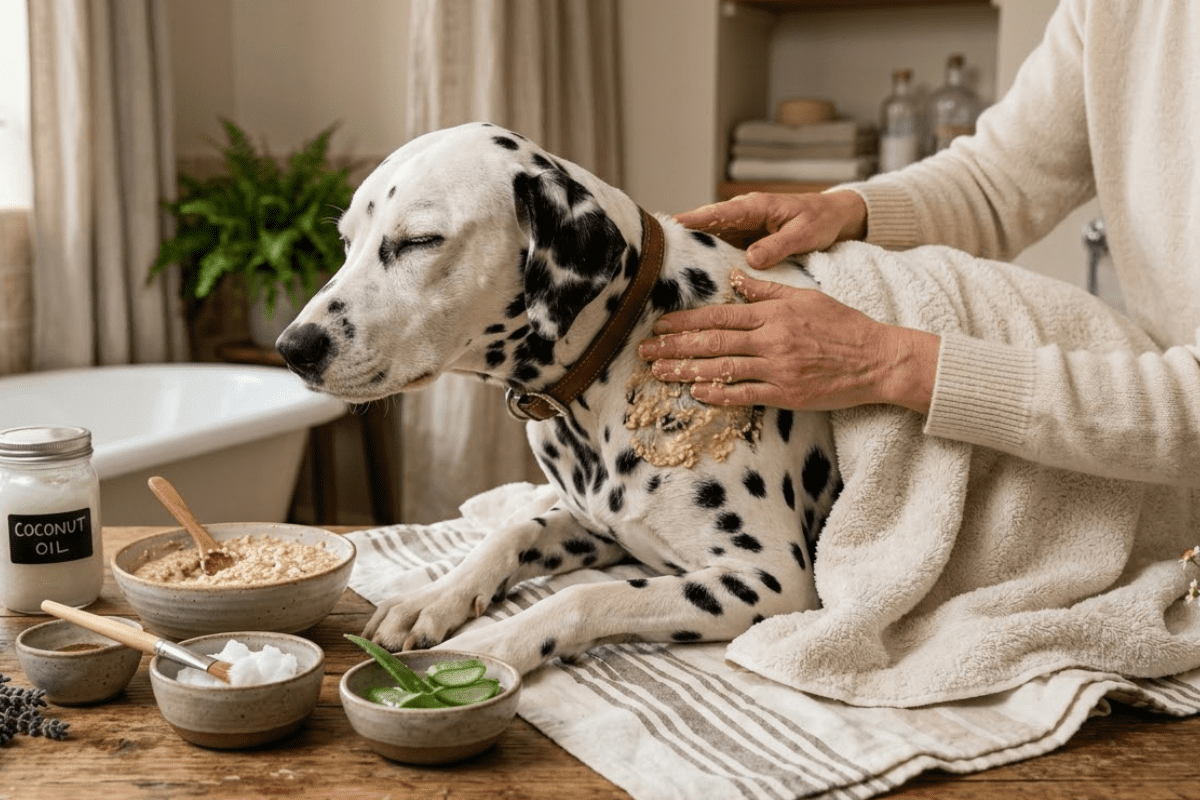
- Soothing the Ear: To calm irritation, apply a little virgin coconut oil to the outer ear. Coconut oil helps because it has natural anti-bacterial and anti-fungal benefits. Aloe vera gel is also safe and cools down red, itchy skin.
- Keeping Ears Dry: After your dog swims or takes a bath, make sure to dry the ears well. Use a clean towel or soft cloth and gently pat dry. Avoid using hairdryers or sprays unless your vet says it’s okay. Keeping your dog’s ears dry is one of the easiest ways to stop future infections.
When Should You Take Your Dog to the Vet?
Home remedies work only for early, mild infections. If your dog’s ears look very red, are oozing discharge, or smell bad, go to the vet. If your dog seems tired, wobbly, or cries when touched, get help right away. Any bleeding or pus also means the infection has gotten worse and needs treatment fast.
What the Vet Will Do
Your vet will check inside the ear and may use a special tool to look deeper. They’ll clean the ear thoroughly and may take a sample to check for bacteria, yeast, or mites. Then, your vet might give you medicated drops or ointment. Some dogs also need antibiotics or pills to treat more serious infections. Your vet may also suggest changes to your dog’s diet or allergy tests if infections keep coming back.
How to Prevent Ear Infections in Dogs
In order to prevent your dog from ear infections in the future, you need to follow this routine.
Regular Checks and Cleaning
Make it a habit to check your dog’s ears once a week. Gently lift the ear flap and look inside for any redness, wax buildup, or bad smells. These are early signs of infection. If you notice mild dirt or wax, clean the ears carefully using dog-safe ear cleaners. Avoid cotton swabs, as they can push debris deeper into the ear or hurt the ear canal. Use a soft cotton pad or gauze and follow the cleaner’s instructions. Routine checks and cleaning help keep the ears healthy and prevent bigger problems.
Drying and Environmental Care
Moisture is a common cause of ear infections. Always dry your dog’s ears after they get wet, whether it’s from a swim, a bath, or playing in the rain. Use a soft towel to gently pat the ears dry and then allow them to air dry. Be sure no water remains deep inside the ear canal. Also, pay attention to your dog’s environment. Dust, pollen, mold, and cigarette smoke can irritate the ears, especially in dogs with allergies. Keep bedding clean, vacuum often, and avoid strong household sprays or fragrances near your pet.
Allergy Management
If your dog scratches their ears a lot or gets frequent ear infections, allergies could be the cause. Common triggers include food ingredients, dust mites, pollen, or even grass. If you suspect allergies, talk to your vet about testing. They may recommend switching to a special diet, adding supplements like omega-3s, or starting allergy medications. Some dogs benefit from regular antihistamines or prescription ear drops. Early allergy care can make a big difference and reduce the risk of repeat ear problems.
Why Caring for Your Dog’s Ears Matters
Your dog depends on you for their health. Dog ear infection can be very painful and upsetting for dogs. They can’t tell you how much it hurts, but their behavior will show it. A dog with an infection may stop eating, avoid playtime, or seem sad. By keeping their ears clean and watching for early signs, you can help your dog stay happy and active. Healthy ears mean better hearing, better balance, and less time spent at the vet.
Invest Smartly in Your Dog’s Health
Taking care of your dog’s health can teach you about planning, just like smart investing does for your money. An ear infection in a dog might remind you that prevention is easier and cheaper than fixing big problems later. Many families choose tax-efficient investing to keep more of their money working for them. Working with a financial advisor gives you help when you’re not sure what to do, just like seeing a vet when your dog is sick. Learning from both helps you care better for your pet and your future.
Conclusion
Ear infections in dogs can be uncomfortable and painful for your furry friend. Knowing how to spot early signs and treat mild infections at home can save your dog from pain and keep their ears healthy. Regular checks, gentle cleaning, and keeping ears dry are the best ways to prevent infections.
Protect your dog from pain and discomfort by spotting ear infections early and treating them safely at home. For trusted pet health advice and expert tips, visit Vitailix. Keep your best friend happy and healthy every day.
Dog Ear Infection Frequently Asked Questions
Can I use human ear drops on my dog?
Human ear drops may contain ingredients that are unsafe for dogs. Always use products approved by your veterinarian.
How long does it take for an ear infection in dogs to heal?
Mild infections often improve within a week with proper care. Severe infections may take longer to heal.
Can allergies cause ear infections in dogs?
Yes, allergies cause inflammation that makes the ear skin sensitive and prone to infection.
How often should I clean my dog’s ears?
Cleaning once a week is usually enough, but check with your vet for your dog’s specific needs.
Are some dog breeds more likely to get ear infections?
Yes, breeds with floppy ears or hairy ear canals are more prone to infections.