If your dog is constantly scratching, biting, or licking their skin, it can be uncomfortable for both of you. That constant itching can lead to red patches, scabs, or even hair loss. Itchy skin is one of the most common complaints among dog owners and can happen for many reasons, including dry skin, allergies, infections, …

If your dog is constantly scratching, biting, or licking their skin, it can be uncomfortable for both of you. That constant itching can lead to red patches, scabs, or even hair loss. Itchy skin is one of the most common complaints among dog owners and can happen for many reasons, including dry skin, allergies, infections, or parasites. Sometimes, even changes in diet or weather can trigger it. Whatever the cause, helping your dog find relief quickly is important. The good news is, there are many simple, natural dog itchy skin home remedies you can try to soothe your pet’s skin and stop the scratching.
Here are the top 10 easy and effective home remedies to help your dog’s itchy skin feel better.
1. Oatmeal Baths to Calm the Itch
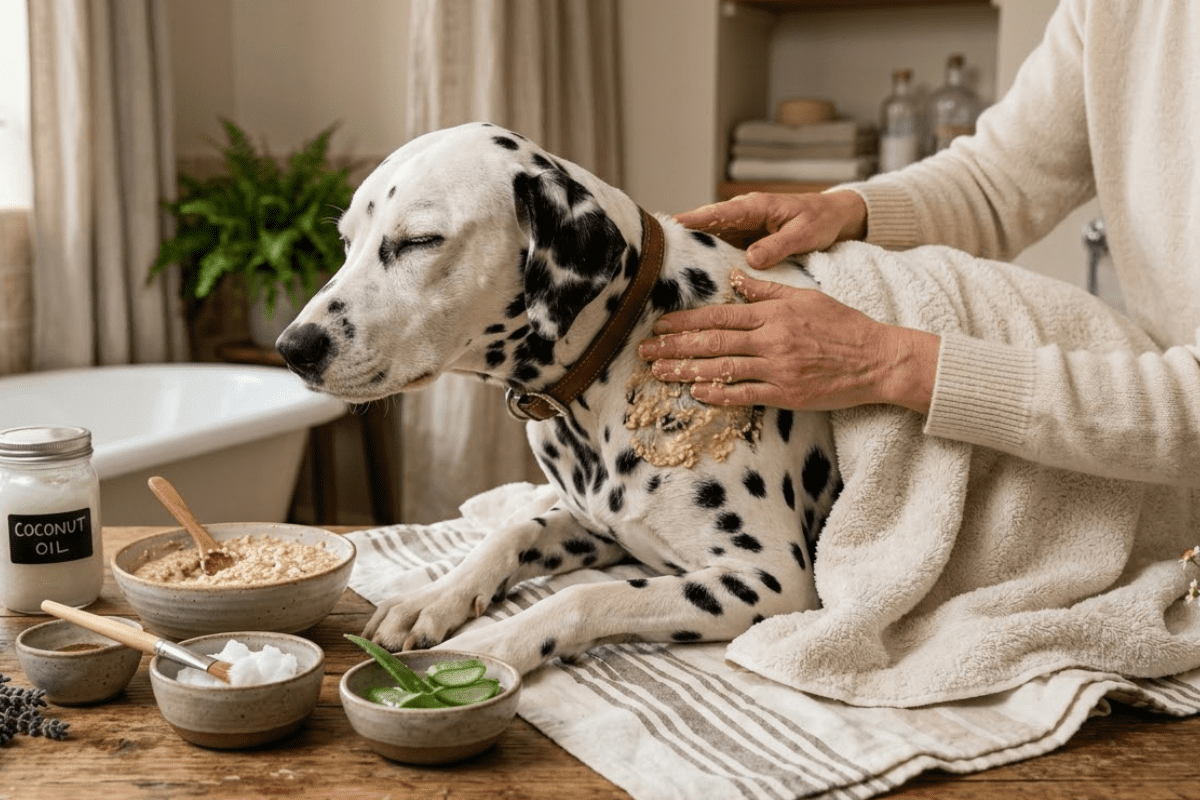
Oatmeal baths are a classic and safe home remedy for itchy skin in dogs. Oatmeal contains special compounds called avenanthramides and phenols that help reduce itching and calm inflamed skin. These ingredients work quickly to soothe discomfort. To prepare an oatmeal bath, you need colloidal oatmeal, which is ground into a very fine powder. You can buy it ready-made or make your own by grinding plain oats in a blender. Avoid flavored or instant oatmeal.
Fill a bathtub or large basin with warm water. Stir in about one cup of the oatmeal powder until it dissolves. Place your dog in the bath and let them soak for about 10 minutes. If your dog doesn’t like baths, you can make a thick paste from the oatmeal powder and water, then gently rub it on the itchy spots. Leave it on for 10 minutes before rinsing. Oatmeal helps hydrate dry skin, relieves itchiness, and leaves your dog’s coat feeling soft. Use this bath 2-3 times per week for optimal results.
2. Coconut Oil for Moisture and Healing
Coconut oil is a natural remedy that works wonders for dry, flaky, or irritated skin. It contains fatty acids that moisturize skin and fight bacteria or fungi that cause infections. Applying coconut oil directly to your dog’s skin can reduce itching and speed up healing. You can rub a small amount of virgin, unrefined coconut oil on dry or red patches.
The oil soothes the skin and adds moisture to stop flaking. If your dog has sensitive skin, try a small test spot first to check for any reaction. Another option is to add coconut oil to your dog’s diet. A small teaspoon mixed into their food daily can improve skin health from the inside out. However, always check with your veterinarian about the right amount for your dog’s size.
3. Apple Cider Vinegar Diluted Spray
Apple cider vinegar is often talked about as a natural solution for dog itchy skin, but it needs to be used carefully. It has antibacterial and antifungal properties that can help reduce infections that cause itching. However, vinegar is acidic and can sting on raw or broken skin. To use apple cider vinegar safely, dilute it with water in equal parts (50% vinegar, 50% water).
Put the mixture in a spray bottle and lightly spray the itchy areas. Avoid spraying on open wounds or sores. Use this treatment once or twice a day, but watch closely for any signs of irritation. If your dog’s skin worsens or they become uncomfortable, stop using the spray immediately. When used correctly, apple cider vinegar can balance skin pH and reduce itching caused by yeast or bacteria.
Also Read: What Is a GMP Seal and Why Health-Conscious Buyers Must Pay Attention
4. Aloe Vera Gel for Soothing Relief
Aloe vera is well known for calming irritated skin and speeding healing. The gel inside the aloe plant is cooling and anti-inflammatory, making it perfect for itchy dog skin. Make sure you use pure aloe vera gel without additives or alcohol, which can irritate your dog’s skin.
You can find pet-safe aloe vera gels in stores or use the gel from a fresh aloe leaf. Apply the gel directly on itchy or red patches, rubbing gently until absorbed. Aloe vera not only calms the itch but also helps reduce swelling and encourages skin repair. You can apply it several times a day as needed.
5. Baking Soda Paste for Quick Itch Relief
Baking soda is a common household item that can help neutralize acidic skin and relieve itching. It dries out wet or irritated areas and reduces redness. To make a baking soda paste, mix equal parts baking soda and water until it forms a thick, spreadable paste.
Apply the paste to your dog’s itchy areas and let it sit for 15 to 20 minutes. Then rinse gently with warm water. You can repeat this remedy every day for a few days, but avoid using it on open wounds. Baking soda helps soothe minor rashes and allergies, but always watch your dog to make sure they do not lick it excessively.
6. Fish Oil Supplements for Skin Health
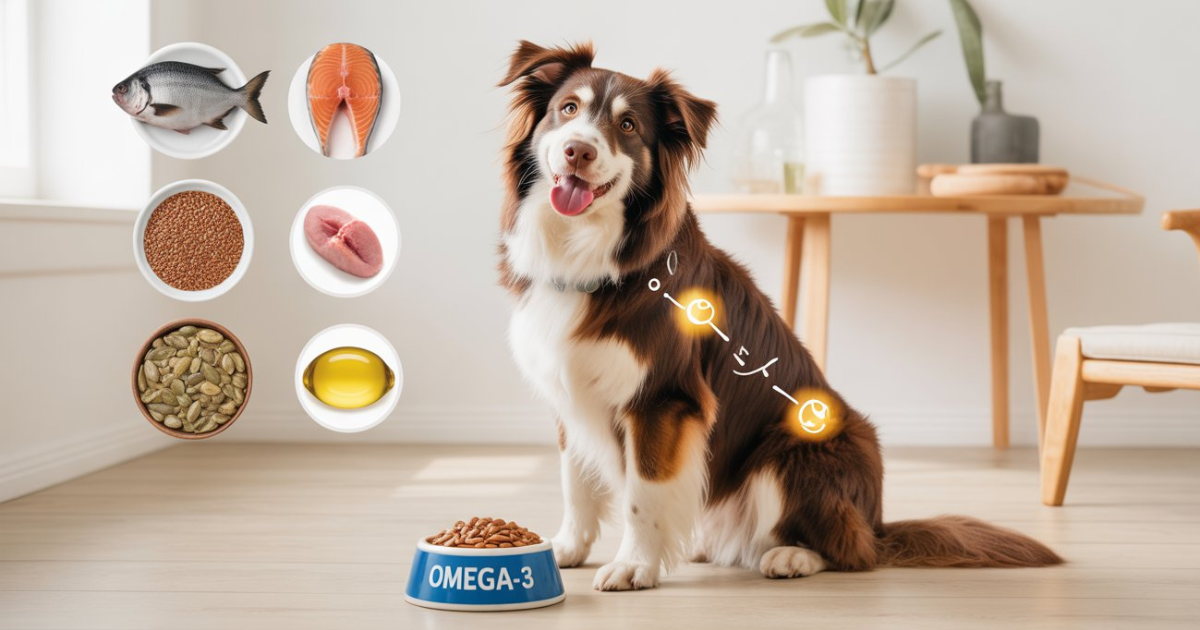
Omega-3 fatty acids in fish oil are powerful natural anti-inflammatories. When added to your dog’s diet, fish oil can improve skin health, reduce itching, and boost the immune system. Fish oil also helps restore the skin’s natural oils, reducing dryness and scaling. Many vets recommend giving fish oil capsules or liquid daily for dogs with chronic skin problems.
The right dosage depends on your dog’s weight, so talk to your vet before starting supplements. Adding omega-3s to your dog’s diet is a simple way to help reduce inflammation and keep skin soft and healthy over time.
7. Chamomile Tea Soaks for Calm Skin
Chamomile is a gentle herb known for its anti-inflammatory and calming effects. Making a strong chamomile tea and using it as a rinse or compress can help relieve itching and redness. Brew several chamomile tea bags in hot water and let them cool completely.
You can use the tea to rinse your dog’s coat after a bath, or soak a clean cloth in the tea and apply it to itchy spots for a few minutes. Chamomile tea is safe and soothing, perfect for dogs with sensitive or irritated skin.
8. Maintain a Healthy Diet to Prevent Skin Issues
Your dog’s diet plays a big role in skin health. Food allergies or sensitivities can cause itching and skin problems. Common allergens include beef, dairy, wheat, and chicken. If your dog has itchy skin regularly, consider switching to a hypoallergenic diet or a limited-ingredient food. These diets reduce the chance of allergy symptoms.
Make sure your dog’s food has the right balance of vitamins, minerals, and fatty acids that support healthy skin. High-quality commercial diets or home-cooked meals with guidance from your vet can help. Keeping your dog’s diet healthy can prevent skin issues and improve overall well-being.
9. Keep Your Dog’s Environment Clean
Dust, pollen, mold, and chemicals in your home can irritate your dog’s skin. Keeping your dog’s environment clean reduces exposure to allergens. Wash your dog’s bedding regularly in hot water to remove dust mites and dirt. Clean toys and grooming tools often. Vacuum floors and furniture to reduce dust and pet dander buildup.
Also, avoid using strong detergents or cleaners around your dog, as they can cause skin irritation. Using pet-safe cleaning products helps maintain a safe space for your furry friend. A clean environment supports your dog’s skin health and reduces itching.
10. Use Probiotics to Support Skin Health
Probiotics are friendly bacteria that help balance the gut microbiome. A healthy gut improves digestion, nutrient absorption, and immune function. This, in turn, can reduce skin inflammation and itching. You can give your dog probiotic powders, capsules, or chews formulated for pets.
Adding plain yogurt with live cultures to your dog’s meals is another natural way to add probiotics. Probiotics may not stop itching immediately, but they help improve skin condition over time by supporting your dog’s immune system.
Also Read: Krill Oil for Dogs: Why Your Pet Needs This Omega-3 Powerhouse
When to See a Vet for Itchy Skin?
Home remedies work well for mild or occasional itching. However, some skin problems need medical care. If your dog:
- Scratches or bites so much that they break the skin
- Develops sores, scabs, or hair loss
- Shows signs of pain, swelling, or a bad smell from the skin
- Has persistent itching lasting more than two weeks
- Seems lethargic or unwell
You should take your dog to the vet promptly. A veterinarian can diagnose allergies, infections, parasites, or other health issues and recommend the best treatment.
Why Taking Care of Your Dog’s Skin Matters?

Healthy skin means a happy, comfortable dog. When your dog’s skin is itchy or irritated, it can disrupt their sleep, make them restless, and even cause behavior changes. Treating itchy skin early helps avoid infections and serious complications. Using natural dog itchy skin home remedy ideas is a safe way to support your dog’s skin health. Along with proper diet, environment, and vet care, you can keep your dog’s coat shiny and itch-free.
Regular grooming is another key part of maintaining your dog’s skin health. Brushing your dog’s coat removes dirt, loose fur, and allergens that can irritate. It also helps distribute natural oils evenly across their skin, which keeps the coat moisturized and protected. Bathing your dog with gentle, natural shampoos can soothe itchy skin without stripping away essential oils. Combined with a clean living space, these habits create a comfortable environment that helps prevent flare-ups and keeps your dog happy and healthy.
Conclusion
Itchy skin can make your dog uncomfortable and unhappy, but you don’t have to wait for a vet visit to start helping. These dog itchy skin ideas offer gentle, natural ways to soothe your pup’s skin and reduce itching. Remember, a healthy diet, clean environment, and the right care make a big difference. With the right steps, your dog can enjoy happy, comfortable skin again.
Give your dog the relief they deserve. Visit Vitailix today for natural, effective solutions that soothe itchy skin and keep your pet comfortable.
Dog Itchy Skin Frequently Asked Questions
Q1: How often should I give my dog an oatmeal bath?
A1: Oatmeal baths can be given 2 to 3 times a week to soothe itchy skin without drying it out.
Q2: Is it safe to use coconut oil on my dog’s skin every day?
A2: Yes, applying a small amount of virgin coconut oil once daily is safe for most dogs. Watch for any skin reaction.
Q3: Can apple cider vinegar cure dog ear infections?
A3: No, vinegar should not be used inside the ears or on broken skin. It can irritate and worsen infections.
Q4: What signs indicate a food allergy causing my dog itchy skin?
A4: Signs include persistent itching, redness, and ear infections. Your vet may recommend a special diet trial.
Q5: Are probiotics helpful for all dogs with skin issues?
A5: Probiotics support overall skin health but may not work alone for severe conditions. Use with vet guidance.