Thyroid Stimulating Hormone (TSH) is essential to your pet’s overall health. Produced by the pituitary gland, TSH controls the thyroid, which regulates metabolism, energy, calcium levels, and growth. When TSH levels are too high or too low, it can lead to conditions like hypothyroidism or hyperthyroidism. These imbalances can affect your dog or cat’s weight, …

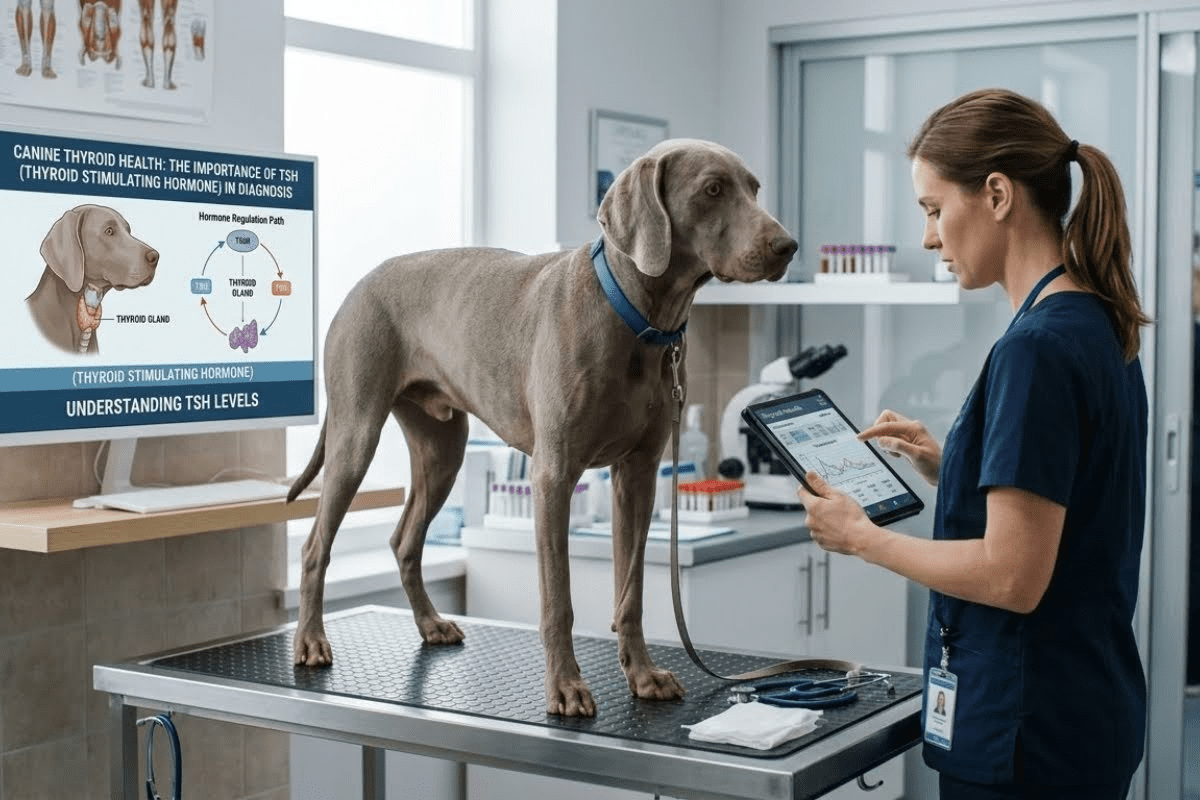
Thyroid Stimulating Hormone (TSH) is essential to your pet’s overall health. Produced by the pituitary gland, TSH controls the thyroid, which regulates metabolism, energy, calcium levels, and growth. When TSH levels are too high or too low, it can lead to conditions like hypothyroidism or hyperthyroidism.
These imbalances can affect your dog or cat’s weight, coat quality, mood, and more. Understanding TSH in dogs helps pet owners recognize early signs of thyroid issues and seek proper veterinary care. Early diagnosis and treatment can greatly improve your pet’s quality of life. Regular vet checkups are key to monitoring thyroid function.
What Is the Thyroid Gland and Its Function?
The thyroid gland is often called the body’s “thermostat.” It adjusts metabolic rate, controls calcium levels, supports oxygen transport in cells, and boosts fertility. During growth phases, this gland works at peak performance. The pituitary gland releases TSH, prompting the thyroid to produce key hormones: T3 and T4.These hormones help regulate body temperature and cell activity. When TSH levels change, these systems respond accordingly.
How TSH Production Can Malfunction
TSH production follows a precise chain reaction. First, the hypothalamus releases thyrotropin‑releasing hormone (TRH). This signals the anterior pituitary to release TSH. TSH then triggers the thyroid to secrete T3 and T4. These in turn feed back to slow or accelerate TSH production.
If any link fails, TSH levels can become too high or too low. For example, low T3/T4 signals the pituitary to boost TSH—leading to an overactive stimulation cycle. This imbalance can cause hypothyroidism or hyperthyroidism in dogs and cats.
Understanding Hypothyroidism in Pets
Hypothyroidism is the most common thyroid issue in dogs. An underactive thyroid slows metabolism. Pets often gain weight, lose energy, and suffer from poor nutrient absorption.Typical signs include lethargy, a dull coat, patchy hair loss, and mental dullness. Skin infections and weak bone health can follow if untreated. Low TSH can worsen these effects. Regular blood tests help catch this condition early. Proper diagnosis leads to effective treatment with levothyroxine.
Exploring Hyperthyroidism in Dogs and Cats
Hyperthyroidism is less common in dogs but more frequent in cats. It arises from excessive T4 levels. Often, a tumor in the thyroid leads to overproduction. Symptoms include excessive appetite, rapid weight loss, and a racing heart.
Pets may drink and urinate more, show digestive upset, or become hyper‑active. These signs can appear mild at first but worsen quickly. TSH levels drop as the thyroid becomes overactive. Accurate diagnosis is essential, as other illnesses can mimic symptoms.
Causes of Thyroid Imbalance
Pituitary or thyroid tumors commonly cause TSH imbalances. Inaccuracy in medication dosage can also trigger problems. For instance, overmedication in hypothyroid pets may flip their condition to hyperthyroidism.Raw food diets may contain animal thyroid tissues. Eating these can overload the gland. Removing those items often brings hormone levels back to normal.
How Vets Diagnose Thyroid Disorders
Veterinarians assess TSH in dogs using blood tests. They measure T4, T3, and TSH together. Elevated TSH and low T4 suggest hypothyroidism. Low TSH and high T4 indicate hyperthyroidism.Scans or x-rays may help locate tumorous growths. In some cases, vets may recommend ultrasound imaging. Treatment depends on the underlying cause and severity. Accurate testing is critical before starting any intervention.
Treatment Options for Hypothyroidism
Hypothyroid pets commonly receive hormone replacement therapy using levothyroxine. Owners should administer the medication daily. Diet and lifestyle adjustments also support recovery.Regular vet check‑ups monitor TSH and thyroid hormone levels. Adjusting medication helps maintain stable blood values. Most pets respond well and return to normal activity levels.
Treating Hyperthyroidism in Dogs and Cats
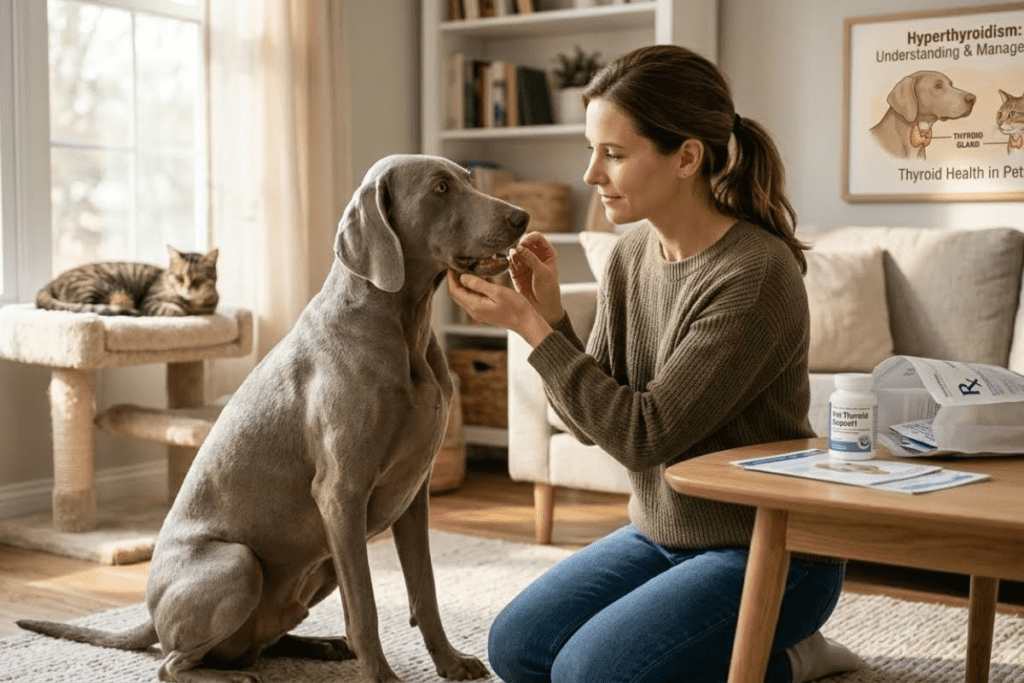
When a pituitary tumor causes hyperthyroidism, surgery is often effective. Removing the mass can normalize hormone levels. For advanced or metastatic cases, vets may remove the thyroid gland entirely.If surgery isn’t possible, treatments include radiotherapy or antithyroid drugs. Adjusting diet or removing thyroid tissue from raw food also helps stabilize hormone levels.
Monitoring and Ongoing Care
Pets with thyroid conditions need regular follow‑up visits. Monitoring TSH in dogs ensures hormone levels remain in balance. Adjustments in medication dosage are made as needed. Owners should report changes like weight shifts, energy levels, or coat condition. Early intervention prevents complications from unchecked thyroid imbalance.
Conclusion
TSH in dogs is pivotal in regulating thyroid function. This hormone prompts the thyroid gland to release T3 and T4, which control metabolism, growth, and energy. Imbalances in TSH lead to underactive or overactive thyroid conditions. Hypothyroidism slows your pet’s metabolism, causing weight gain and lethargy.
Hyperthyroidism accelerates processes, leading to weight loss and heart issues. Timely diagnosis involves measuring TSH, T3, and T4 levels. Treatments vary but are effective when properly managed. Keep your pet at its best by working closely with your vet. Understanding TSH helps ensure your pet stays healthy.
Keep your pet healthy by monitoring TSH in dogs. Spot early signs of thyroid imbalance and seek timely veterinary care. Talk to your vet about testing your pet today!
TSH in Dogs Frequently Asked Questions
1. What does TSH measure in pets?
TSH indicates pituitary stimulation of the thyroid gland. It helps assess whether the gland is functioning properly.
2. Can diet affect TSH levels?
Yes. Diets with animal thyroid tissue, especially raw food, can influence TSH and thyroid hormone levels.
3. How often should TSH be tested?
Pets with thyroid disorders should have TSH, T3, and T4 levels checked every 6–12 months or as your vet advises.
4. Are TSH disorders inherited in pets?
Genetic predisposition plays a role in some breeds. Regular testing helps detect early signs, especially in high‑risk breeds.
5. Can TSH imbalances impact my pet’s lifespan?
If untreated, thyroid imbalance may lead to heart, bone, or weight issues. Timely treatment can help your pet live a full, active life.