Many dog owners want the best for their pets. Vitamins often come to mind because they promise better health. But how do you know if your dog needs extra vitamins? And can giving too much harm to your furry friend? One vitamin that often comes up is Vitamin A. It plays a big role in …

Many dog owners want the best for their pets. Vitamins often come to mind because they promise better health. But how do you know if your dog needs extra vitamins? And can giving too much harm to your furry friend? One vitamin that often comes up is Vitamin A. It plays a big role in your dog’s health, from eyesight to skin.
However, not every dog needs a supplement. Too little can cause problems, but too much can be dangerous. This blog will help you understand why Vitamin A for dogs matters, signs of both deficiency and overdose, safe amounts to give, and where to find natural sources. You will learn how to keep your dog healthy without unnecessary risks.
Why Dogs Need Vitamins?
Vitamins are tiny nutrients that dogs need to stay healthy. They help dogs grow, stay active, and keep their immune system strong. Many dog foods already have the right vitamins to meet your pet’s needs. These include vitamins for a dog’s bones, skin, and energy levels.
The right balance of vitamins keeps dogs looking good and feeling great. If a dog’s diet lacks vitamins, health problems may start. Some dogs might need extra dog vitamins, especially if they have special needs or eat homemade food.
Vitamin A for dogs is one of the key nutrients, important for many body functions. Understanding vitamins helps you make good choices for your dog’s health.
Key Benefits
Vitamin A is an important nutrient for dogs. It helps many parts of your dog’s body work well. Below are three key benefits.
Supports Healthy Vision
Vitamin A plays a big role in keeping your dog’s eyes healthy. It helps dogs see well in low light, like at night. Without enough Vitamin A, dogs can develop night blindness or other vision problems. This vitamin keeps the eyes working properly, so your dog can enjoy walks at any time.
Boosts Immune System
A strong immune system helps your dog fight off germs and sickness. Vitamin A supports immune cells and helps the body respond to infections. Dogs with enough Vitamin A tend to get sick less often and recover faster. This vitamin keeps your dog’s natural defenses in good shape.
Improves Skin and Coat
A shiny coat and healthy skin show your dog is well cared for. Vitamin A helps keep skin soft and moist. It also supports the growth of new skin cells and hair. Dogs with enough Vitamin A often have less itching and fewer skin problems. This vitamin helps your dog look and feel good every day.
Symptoms of Vitamin A Deficiency in Dogs
Sometimes, dogs do not get enough Vitamin A. This can happen if their food does not have the right vitamins or if their body does not absorb them well. When dogs lack Vitamin A, you might see some clear signs. These include dry, flaky skin and dull fur.
Your dog may scratch more or lose patches of hair. You might also notice your dog is less active or seems tired. Poor growth can happen in puppies who don’t get enough Vitamin A. Night blindness is another common sign, where dogs have trouble seeing in dim light.
Vitamin B12 for dogs is another important vitamin, but its role is different from Vitamin A. Both are needed, but a lack of Vitamin A mainly affects the eyes and skin. If you notice any of these symptoms, it’s important to see your vet. Only a vet can test and find out if Vitamin A is low or if another problem is causing the symptoms. Never add supplements without professional advice.
Risks of Too Much Vitamin A
While Vitamin A is essential, giving your dog too much can cause harm. Dogs store this vitamin in their fat tissues, so it can build up over time. High levels of Vitamin A may lead to serious health issues. In this section, you will learn about the warning signs of overdose, how much Vitamin A is safe, and what to do if your dog gets too much.
Toxicity Symptoms to Watch
Too much Vitamin A for dogs can cause joint pain and stiffness. Your dog may limp or move slowly. You might notice a loss of appetite or weight loss. Constipation and tiredness are also common signs. Dogs may become sensitive when you touch their neck or front legs. If you see these symptoms, it’s important to take action quickly.
Recommended Dosage Levels
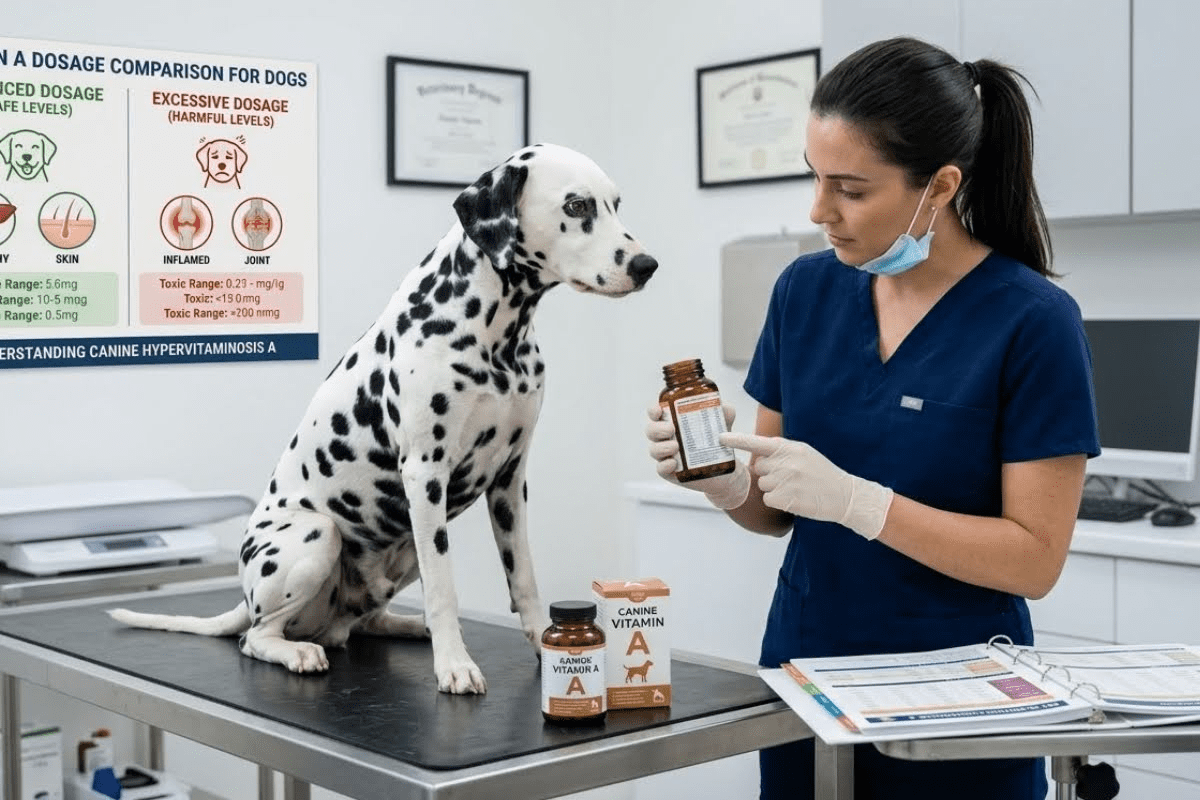
The American Association of Feed Control Officials (AAFCO) suggests that dogs need about 2,272 International Units (IU) of Vitamin A per pound of dry food. This equals around 50 IU per pound of body weight. Toxic levels start at about 2,500 IU per pound of food and can go up to 113,600 IU, which is very dangerous. Keeping Vitamin A within these limits helps avoid health risks.
What to Do If an Overdose Happens
If you suspect your dog has too much Vitamin A, take them to the vet right away. The vet may run blood tests and take X-rays to check for bone damage or organ problems. Treatments might include medications to reduce vitamin levels or a diet change. Quick care can prevent long-term damage and help your dog feel better faster.
Natural Sources of Vitamin A for Dogs
It’s best to provide Vitamin A naturally through your dog’s diet whenever possible. Many foods are rich in Vitamin A and safe for dogs to eat. Below are some top options.
Vegetables Rich in Vitamin A
- Sweet potatoes: These are full of beta-carotene, a form of Vitamin A. They are easy to prepare and gentle on your dog’s stomach.
- Carrots: Crunchy and tasty, carrots make a great snack and are packed with vitamins and fiber.
- Kale: This leafy green has antioxidants and supports immune and eye health. Feed it in small amounts.
Animal-Based Vitamin A Sources
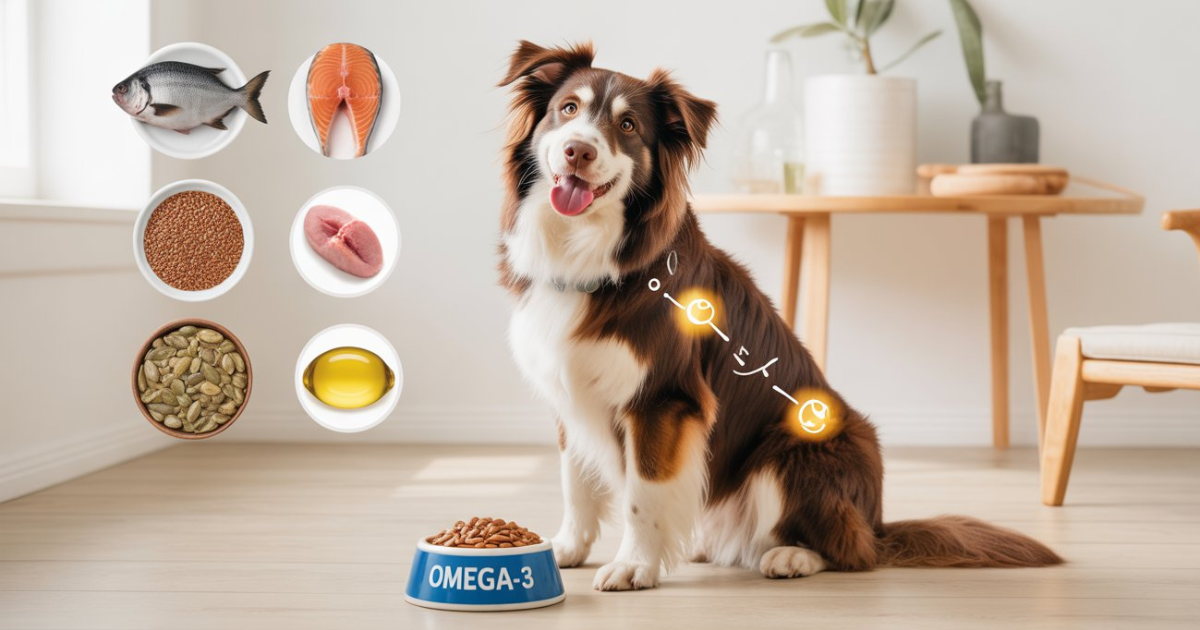
Animal foods often contain higher Vitamin A levels than plants. Liver is especially rich, but should be given in moderation to avoid overdose. Egg yolks are another good source and add healthy fats and protein to the diet. Sardines also provide Vitamin A and omega-3 fatty acids, which help with coat and joint health.
Should You Give Your Dog Multivitamins?

Many dog owners wonder if adding a multivitamin is a good idea. Multivitamins can fill nutritional gaps, but are not always necessary. The best dog vitamins come from high-quality food or vet-approved supplements. Here are some points to consider before adding a multivitamin.
- Consult Your Veterinarian: Your vet can tell you if your dog needs extra vitamins or if their diet is already balanced.
- Avoid Human Supplements: Many human vitamins have ingredients that can be harmful to dogs.
- Look for Quality Certifications: Choose products approved by AAFCO to ensure safety and nutrition.
- Balanced Diet May Be Enough: Many dogs get all they need from a healthy, complete diet without extra pills.
How Vitailix Supports Your Dog’s Health
At Vitailix, we care about what goes into your dog’s body. We know that the right balance of vitamins helps dogs stay strong, playful, and healthy. That’s why our products are made with expert guidance and backed by real science. We focus on what your dog needs, not just what sounds good on the label.
Our dog supplements are designed to support key areas like vision, immune function, digestion, and coat health. We work with vets and pet nutritionists to keep your dog safe. You’ll never find harmful fillers or unsafe ingredients in our formulas. That’s a promise.
Our goal is to make it easy for you to give your dog a boost when needed—no guessing, no risks. Whether you’re looking for a full dog multivitamin or support for specific issues like Vitamin A deficiency, we offer clean, reliable choices. You can trust us to help you support your dog’s daily health the smart way.
Final Thoughts on Vitamin A for Dogs
Vitamin A for dogs is one of the most important nutrients in your dog’s diet. It helps with vision, immune health, skin, and even growth. But like anything, too much or too little can be harmful. A balanced diet is the best way to make sure your dog gets the right amount of Vitamin A. If your dog eats high-quality food marked “complete and balanced,” they are likely getting enough. But if you cook at home, or your dog has special needs, a vet may suggest a supplement.
Not sure which supplement your dog needs? Contact Vitailix for personalized help and product suggestions.
Vitamin A for Dogs: Frequently Asked Questions
1. Can I give my dog human Vitamin A supplements?
No, it’s not safe. Human supplements may contain too much Vitamin A or harmful additives. Always choose products made for dogs.
2. What are the signs of Vitamin A for dogs?
Your dog may seem tired, lose weight, limp, or act stiff. You might also notice a loss of appetite or dry skin.
3. How much Vitamin A for dogs does a dog need daily?
Dogs need about 50 IU per pound of body weight each day. But exact needs may vary, so ask your vet for guidance.
4. What foods are high in Vitamin A for dogs?
Foods like liver, sweet potatoes, carrots, and egg yolks are rich in Vitamin A. Give them in small, safe amounts.
5. Should I give my dog a multivitamin every day?
Not always. If your dog eats balanced food, extra vitamins might not be needed. Ask your vet before adding any supplements.