Keeping your dog healthy starts from the inside out. The gut, often called the “second brain,” plays a vital role in your dog’s overall well-being. Many pet owners are now turning to the best probiotics for dogs to support digestion, boost immunity, and prevent illness. The probiotics for dogs can restore balance to your dog’s …

Keeping your dog healthy starts from the inside out. The gut, often called the “second brain,” plays a vital role in your dog’s overall well-being. Many pet owners are now turning to the best probiotics for dogs to support digestion, boost immunity, and prevent illness. The probiotics for dogs can restore balance to your dog’s digestive system, especially after illness, antibiotic use, or changes in diet. Choosing the right strains of probiotics is essential for real benefits.
What Are Probiotics, and Why Do Dogs Need Them?
Probiotics are beneficial bacteria that live in the gut and keep harmful bacteria in check. When your dog’s digestive tract is out of balance, probiotics can help regulate the system.Dogs may need probiotics if they show signs like diarrhea, poor appetite, gas, or changes in stool consistency. Probiotic supplements may also be helpful after antibiotic use or during periods of stress.
Top 3 Strains in the Best Probiotics for Dogs
Not all probiotics are equal. Some strains are more effective than others for gut health and immunity. Let’s look at the three most helpful strains for your dog.
Lactobacillus Acidophilus
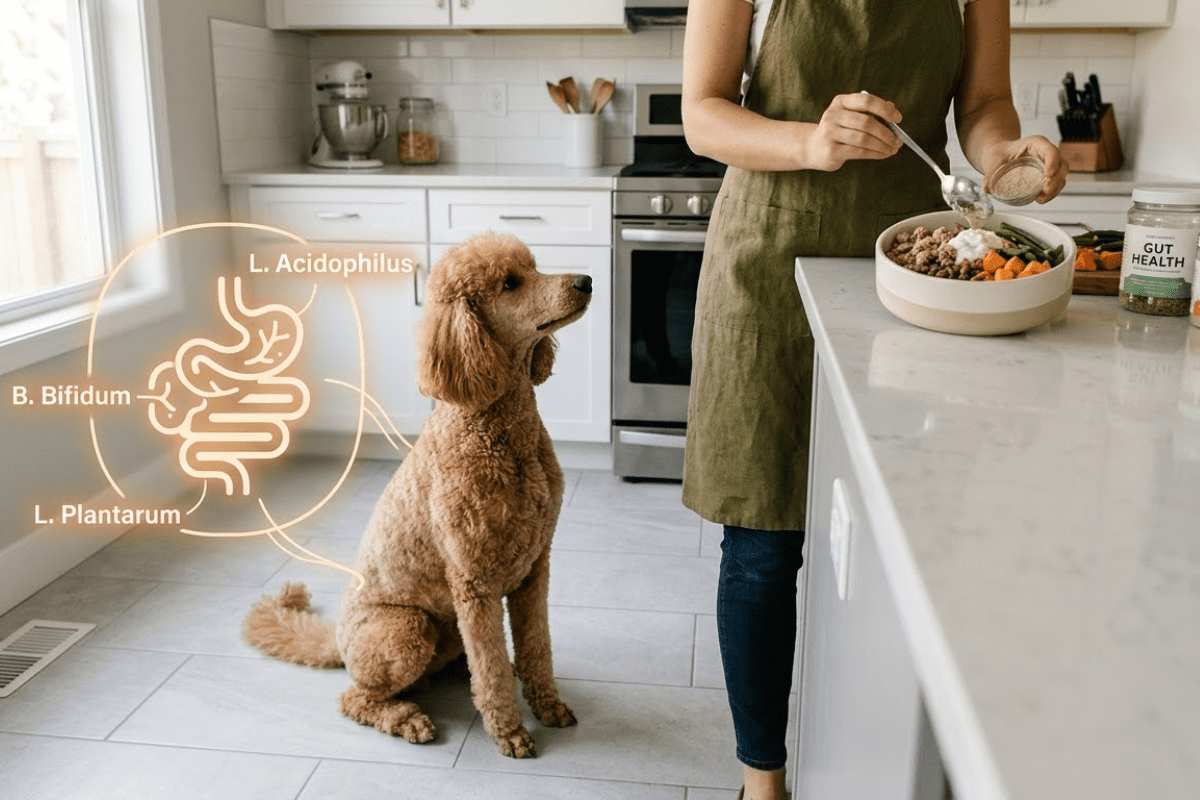
Lactobacillus Acidophilus produces lactic acid and helps reduce harmful bacteria. It improves digestion and eases discomfort from upset stomachs.It’s especially useful after antibiotics, which can wipe out both good and bad bacteria.
This strain helps replenish the good bacteria your dog needs to stay healthy.Acidophilus also helps prevent diarrhea and stomach infections like salmonella. Some research suggests it may even support healthy weight gain in puppies or underweight dogs.
Bifidobacterium Bifidum
This strain is naturally found in the intestines and promotes a balanced gut environment. It helps limit harmful bacteria and supports nutrient absorption.Bifidobacterium Bifidum also plays a role in strengthening your dog’s immune defenses. It’s commonly used to prevent and reduce acute diarrhea linked to infections or dietary changes.When combined with other strains, it offers a comprehensive approach to gut health.
Lactobacillus Plantarum
Lactobacillus Plantarum is known for its powerful resistance to stomach acid. That means it survives long enough to do its job in the intestines.It binds to the gut lining and creates a barrier against harmful bacteria. This makes it excellent for dogs with recurring digestive issues.It’s also valued for its anti-inflammatory properties and ability to support overall gastrointestinal health.
Signs Your Dog Might Benefit from Probiotics
Many signs can indicate an imbalanced gut in dogs. If your dog frequently experiences diarrhea or constipation, it may be a signal. Excessive gas, bloating, or bad breath are also common symptoms. Other possible signs include itchy skin, recurring ear infections, low energy levels, or sudden changes in mood. While probiotics are not a cure-all, they can support gut health and strengthen the immune system. However, it’s important to consult your veterinarian before introducing any new supplements to your dog’s routine.
Choosing the Top Quality Probiotics for Dogs
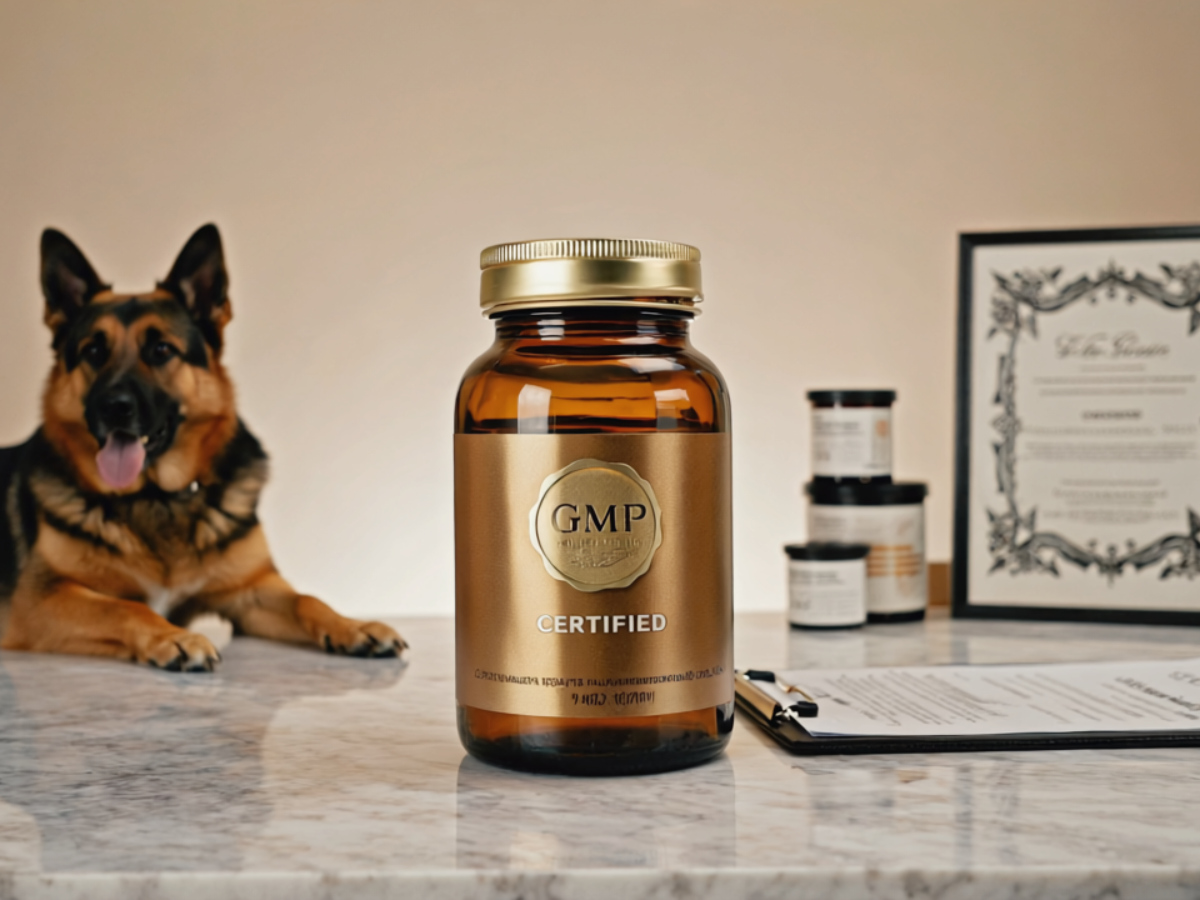
Look for supplements that contain multiple strains, including L. Acidophilus, B. Bifidum, and L. Plantarum. A mix of strains offers wider support across the digestive tract.Make sure the product is made specifically for dogs. Human probiotics might not work as intended and can upset your pet’s stomach.Also, ensure the supplement has a guaranteed number of live cultures (CFUs) at the time of use—not just at manufacture.
How to Give Your Dog Probiotics
Probiotics for dogs are available in various forms, including powders, chews, capsules, or blends that can be mixed with food. It’s best to start slowly and monitor your dog for any reactions. Always follow the label instructions or consult your veterinarian for guidance on dosing.
If the product requires refrigeration, make sure to store it properly to maintain its effectiveness. Try to give probiotics at the same time each day to support consistency. Providing them with meals can also help reduce the chance of stomach irritation.
Side Effects and Safety of Probiotics
Probiotics are usually safe for healthy dogs. However, mild side effects can occur when starting a new supplement.These may include temporary gas or soft stools. If symptoms worsen, stop use and talk to your vet.Dogs with immune disorders or serious health issues should not take probiotics without medical supervision.
The Role of Probiotics in Long-Term Health
Probiotics support more than digestion. A healthy gut boosts nutrient absorption, immunity, and skin condition. Dogs with balanced guts tend to have shinier coats, better moods, and fewer vet visits.The best probiotics for dogs can help your pet live a more comfortable, energetic life. That’s why many veterinarians recommend adding them to your dog’s routine after reviewing overall health.
Are There Natural Sources of Probiotics for Dogs?
Yes. Some fermented foods like plain yogurt, kefir, or unseasoned sauerkraut can offer natural probiotics. However, it’s important to introduce these slowly and in small amounts.Always use dog-safe versions without added sugar, salt, or artificial ingredients. For more precise dosing, a vet-approved probiotic supplement is often better.
Probiotics for Dogs: A Gentle Boost for Their Gut
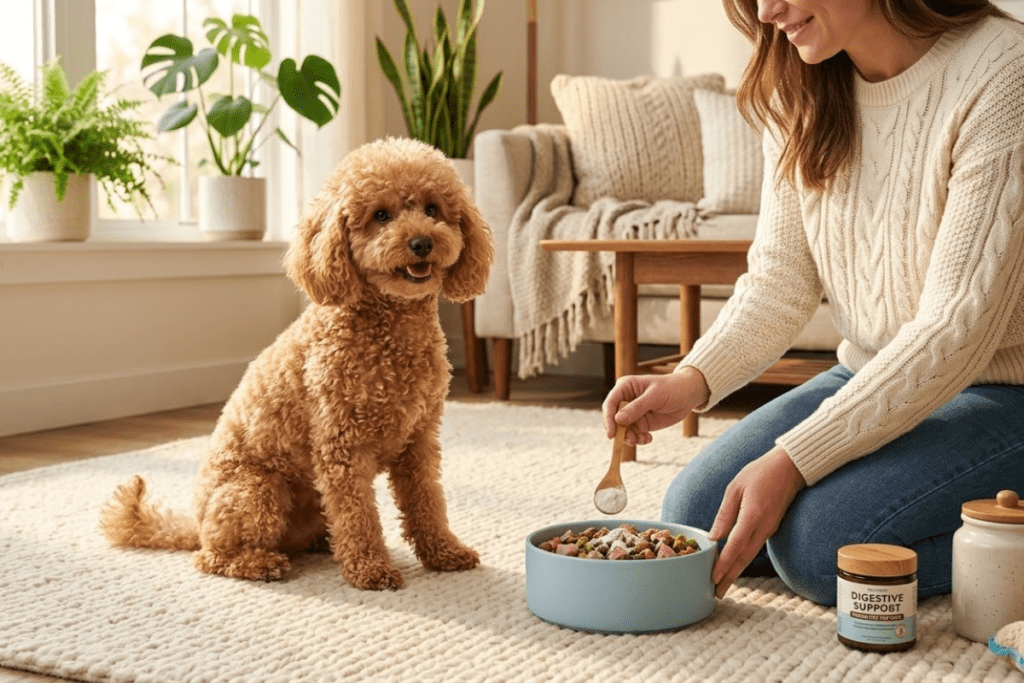
The probiotics for dogs are a safe, natural way to support digestive and immune health. Choosing strains like L. Acidophilus, B. Bifidum, and L. Plantarum ensures your dog gets the most effective results.These strains work together to promote healthy digestion, reduce inflammation, and restore gut balance.
Whether your dog struggles with tummy issues or just needs daily support, probiotics can help. Talk to your vet about the right product for your pet’s needs. Watch how your dog responds, and adjust accordingly for long-term wellness.
Conclusion
Probiotics are a simple yet effective way to improve your dog’s health. By including strains such as L. Acidophilus, B. Bifidum, and L. Plantarum, you can support gut balance, reduce digestive issues, and boost the immune system. Always choose dog-specific formulas with clinically proven strains. Consult your vet before making changes to your pet’s diet or supplement routine. The best probiotics for dogs can make a noticeable difference in your dog’s energy, digestion, and happiness.
Want your dog to feel their best every day? Try the best probiotics for dogs and support their digestive and immune health from the inside out!
Probiotics For Dogs Frequently Asked Questions
1. Can I give human probiotics to my dog?
It’s not recommended. Dog-specific probiotics are safer and better suited for their digestive systems.
2. How long before probiotics start working?
Some dogs improve in a few days. Others may take a week or two. Consistency is key.
3. Are probiotics safe for puppies?
Yes, but use only those formulated for puppies. Talk to your vet about proper dosage.
4. Should dogs take probiotics daily?
Daily use is usually safe and effective, especially for dogs with ongoing gut issues.
5. Can probiotics replace antibiotics?
No, they support recovery but do not replace prescribed antibiotics. Always follow your vet’s guidance.