Dogs are cherished family members, and like humans, they thrive when their health is supported through diet, exercise, sleep, stress management, and mental enrichment. Canine biohacking is a science-based approach that focuses on small, intentional changes in daily care to improve health, vitality, and longevity. This approach does not rely on risky experiments or extreme …

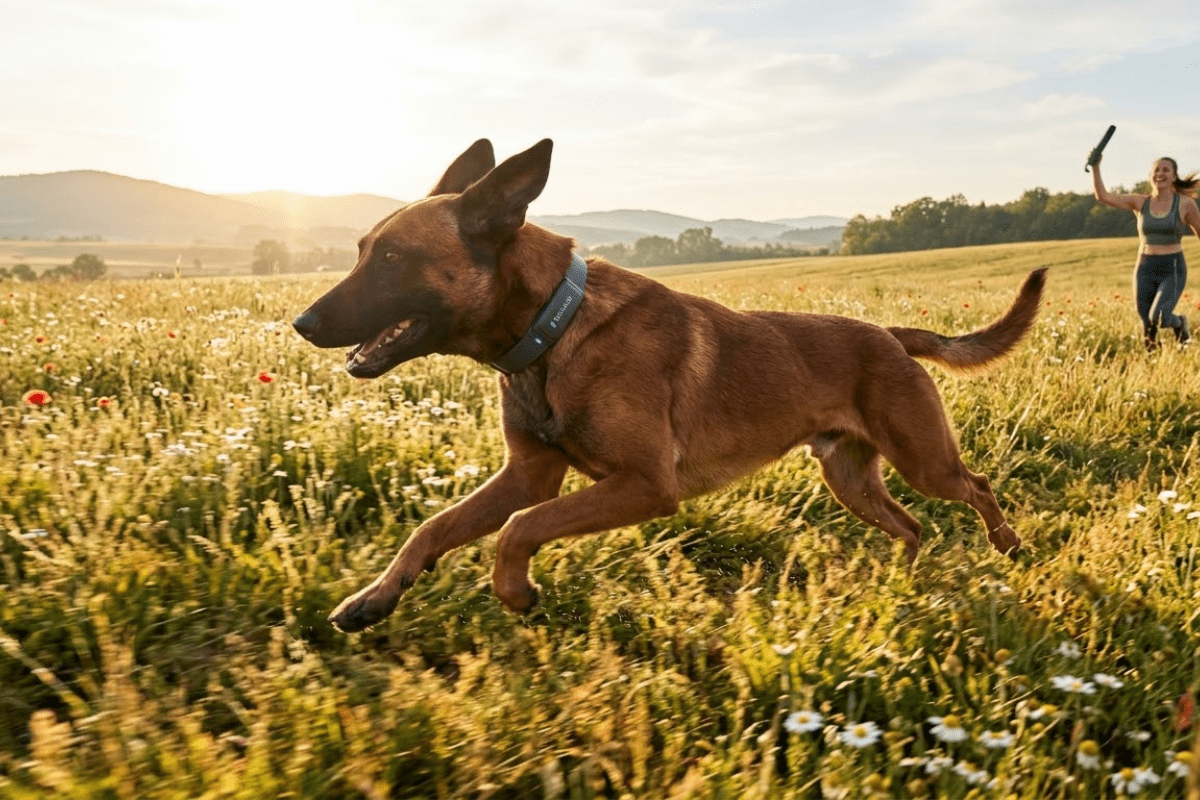
Dogs are cherished family members, and like humans, they thrive when their health is supported through diet, exercise, sleep, stress management, and mental enrichment. Canine biohacking is a science-based approach that focuses on small, intentional changes in daily care to improve health, vitality, and longevity.
This approach does not rely on risky experiments or extreme interventions. Instead, it emphasizes evidence-based practices that enhance energy, digestion, immunity, cognition, and emotional balance.
What Is Canine Biohacking?
Canine biohacking means applying natural, research-driven methods to optimize a dog’s health and performance. It’s about enhancing:
- Physical strength (through balanced diets, exercise, and joint support)
- Cognitive sharpness (via enrichment and nutrition)
- Emotional balance (through stress reduction strategies)
- Overall vitality (through preventative, proactive care)
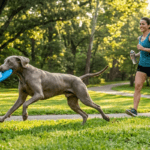
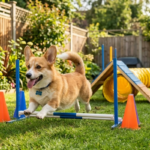
Each dog’s biohacking plan should reflect breed, age, lifestyle, and individual health needs. For instance, working breeds like Border Collies need higher mental and physical stimulation, while senior dogs benefit more from joint care, gentle activity, and calming routines.
Small but consistent adjustments in food, exercise, and enrichment have been shown to improve digestion, energy, and mood, while reducing risks for chronic conditions such as arthritis, obesity, and cognitive decline.
Nutrition: The Foundation of Canine Biohacking
Meeting Individual Needs
Nutritional demands vary by life stage:
- Puppies require protein and calories for growth.
- Seniors need calorie control with added joint support (omega-3s, glucosamine).
- Active dogs thrive on higher protein and fat for endurance.
High-Quality Ingredients
- Lean proteins supply amino acids for muscle repair.
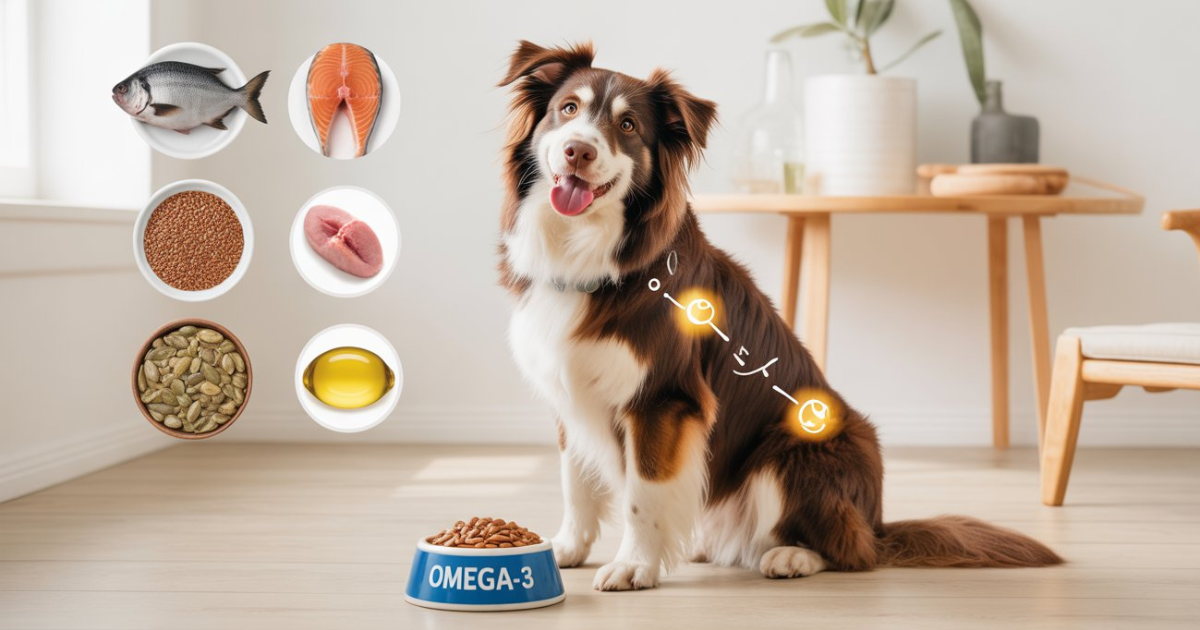
- Omega-3 fatty acids (EPA/DHA) reduce joint inflammation and support cognition. Studies show omega-3s improve osteoarthritis symptoms in dogs and enhance mobility.
- Antioxidants from fruits and vegetables reduce oxidative stress, slowing age-related decline. In one study, dogs fed an antioxidant-enriched diet had improved cognitive performance and delayed signs of canine cognitive dysfunction.
Portion Control
Overfeeding leads to obesity, which reduces lifespan. Research confirms that calorie restriction in dogs is associated with increased median lifespan and delayed onset of chronic disease.
Gut Health: The Hidden Key
The gut microbiome plays a central role in digestion, immunity, and even behavior. Research from Texas A&M’s Gastrointestinal Lab shows that imbalances in gut bacteria (dysbiosis) are linked to chronic GI issues, skin conditions, and systemic inflammation.
Supporting gut health involves:
- Prebiotics (fiber-rich foods like pumpkin) to nourish good bacteria.
- Probiotics to restore balance; studies confirm probiotics improve stool quality and reduce GI upset in dogs
- Balanced diets that feed beneficial microbes.
Supplements: Targeted Support
Supplements are not replacements for whole foods but can fill gaps and address age or condition-specific needs.
- Omega-3 fatty acids – Joint and cognitive health
- Glucosamine & chondroitin – Randomized trials show improvements in pain and mobility for osteoarthritis.
- Probiotics – Support digestion, reduce diarrhea, and enhance nutrient absorption
- Antioxidants – Combat oxidative damage and support healthy aging.
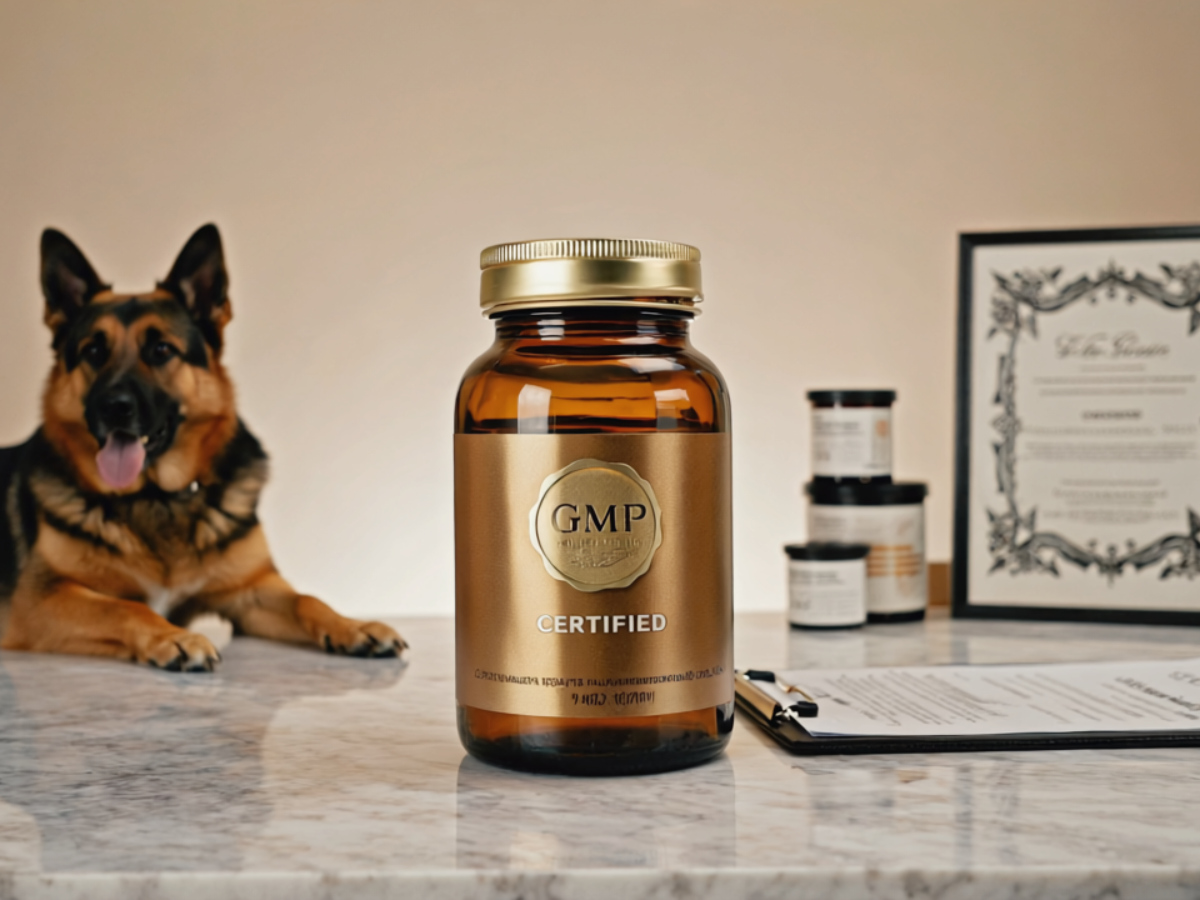
Safe supplementation means introducing one at a time, observing responses, and working with a veterinarian.
Mental Enrichment: Brain Biohacking
Mental stimulation reduces stress, prevents destructive behaviors, and protects against age-related decline. Research shows that environmental enrichment improves welfare, reduces anxiety behaviors, and supports cognitive resilience in older dogs
Examples:
- Puzzle toys, interactive feeders
- Nose-work and scent games
- Learning new commands and short training sessions
Consistent enrichment = calmer, more confident dogs.
Stress Reduction: Protecting Emotional Health
Chronic stress weakens immunity, disrupts digestion, and accelerates aging. Studies link stress to increased cortisol and inflammatory responses in dogs
Strategies include:
- Consistent daily routines
- Safe resting spaces
- Gentle massage and calming pheromones
- Natural calming supplements (e.g., L-theanine, chamomile, under vet guidance)
Data-Driven Monitoring
Wearables such as FitBark and Whistle track activity, sleep, and heart rate. Research shows accelerometer-based collars reliably detect canine activity patterns and can help identify early signs of illness or pain.
Even simple observation, tracking stool quality, coat health, and daily energy, provides valuable biofeedback to adjust diet and lifestyle.
How Biohacking Transforms Daily Life
- More energy and playfulness
- Smoother digestion and healthier stools
- Shinier coats and stronger immunity
- Improved mobility and reduced stiffness
- Calmer moods and fewer anxiety behaviors
Long-term, these consistent strategies can add years of vitality and comfort to a dog’s life.
Getting Started with Canine Biohacking
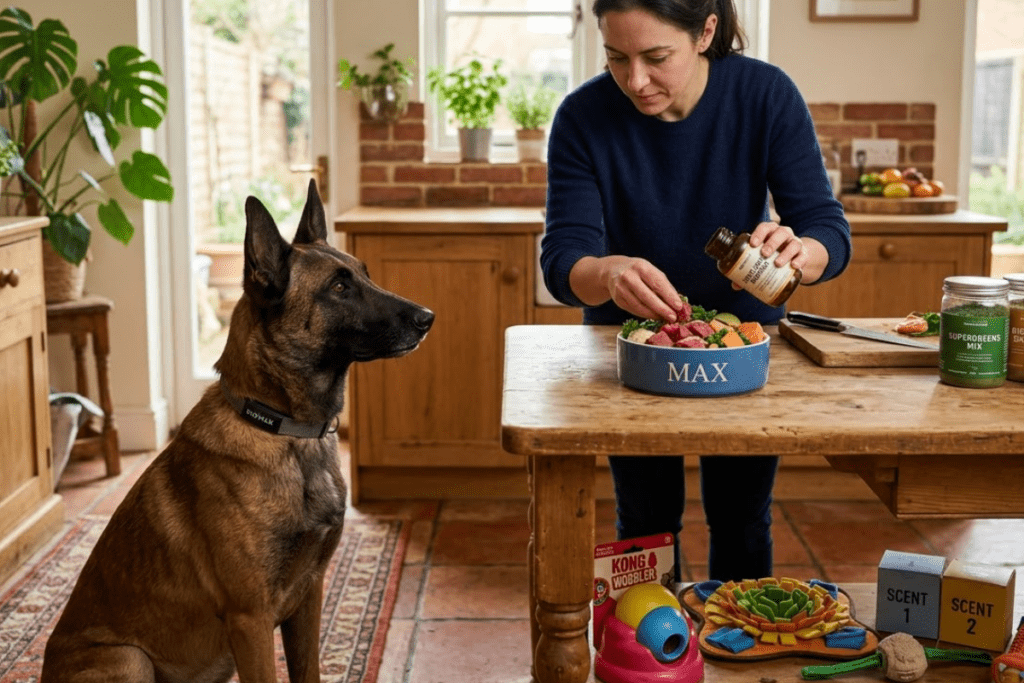
- Upgrade diet with fresh, nutrient-rich foods.
- Add joint and brain-supporting supplements gradually.
- Enrich daily life with puzzle play, scent work, and training.
- Create calming routines and safe rest spaces.
- Track progress, whether with wearables or daily logs.
Conclusion
Canine biohacking is not about radical experiments; it’s about applying scientific insights to everyday care. By focusing on nutrition, gut health, supplements, enrichment, stress reduction, and monitoring, owners can extend both the lifespan and healthspan of their dogs.
Give your dog the gift of longevity and vitality. Explore Vitailix for expert-approved canine biohacking tools, supplements, and strategies today.
Canine Biohacking Frequently Asked Questions
1. What is canine biohacking?
It’s the use of nutrition, supplementation, mental enrichment, exercise, and monitoring to improve health and lifespan.
2. Can senior dogs benefit?
Yes, biohacking improves joint mobility, cognition, and daily comfort in older dogs
3. Is biohacking safe for all dogs?
Yes, when changes are gradual and guided by veterinary input.
4. Which supplements are best?
Omega-3s, antioxidants, glucosamine/chondroitin, and probiotics all have scientific support.
5. How soon will I see results?
Energy and mood may improve within weeks; joint, gut, and cognitive benefits emerge over months.
References
- National Research Council. Nutrient Requirements of Dogs and Cats. (2006)
- Kealy RD et al. Effects of diet restriction on life span and age-related changes in dogs. JAVMA (2002)
- Roush JK et al. Evaluation of omega-3 fatty acids in osteoarthritic dogs. JAVMA (2010)
- Fritsch DA et al. EPA and DHA reduce pain in arthritic dogs. Veterinary Therapeutics (2010)
- Milgram NW et al. Antioxidant-rich diets improve cognitive function in aging dogs. Neurobiology of Aging (2005)
- Lawler DF et al. Calorie restriction increases lifespan in dogs. Age (2008)
- Suchodolski JS et al. The canine dysbiosis index. Veterinary Microbiology (2012)
- Kelley RL et al. Probiotic strains improve stool quality in dogs. Veterinary Therapeutics (2009)
- Gupta RC et al. Glucosamine and chondroitin in canine OA management. J Anim Physiol Anim Nutr (2012)
- Wells DL. Environmental enrichment for dogs. Appl Anim Behav Sci (2004)
- Landsberg GM et al. Environmental enrichment delays cognitive decline. J Vet Behav (2015)
- Beerda B et al. Chronic stress in dogs: cortisol, behavior, and welfare. Physiol Behav (1999)
Gerencsér L et al. Activity recognition with accelerometers in dogs. Sensors (2013)