Helping your dog live a healthier, happier, and longer life doesn’t always take big changes. Sometimes, it’s the small, intentional steps that make the biggest difference. Dogs, like people, respond to food, exercise, rest, and even stress in powerful ways. When we adjust these areas with care, we can improve how their bodies and minds …

Helping your dog live a healthier, happier, and longer life doesn’t always take big changes. Sometimes, it’s the small, intentional steps that make the biggest difference. Dogs, like people, respond to food, exercise, rest, and even stress in powerful ways. When we adjust these areas with care, we can improve how their bodies and minds perform.
For example, adding nutrient-rich foods can boost energy, while regular exercise keeps joints strong and prevents weight problems. Simple calming routines can also ease stress and create balance. Over time, these changes add up to a better quality of life. In this blog, you will explore how biohacking for dogs can improve health, increase energy, and even extend lifespan through simple, science-backed methods.
Why Pet Owners Are Turning to Biohacking?
More pet owners today are looking for better ways to care for their furry companions. Traditional pet care often focuses on treating sickness after it happens. Biohacking, on the other hand, is about being proactive. It’s about preventing health problems before they even start.
Many owners want their dogs to live longer, stay active, and avoid costly vet visits down the road. They are realizing that small changes in nutrition, lifestyle, and environment can make a huge difference. This is why canine biohacking has become such a growing trend.
For example, some dog parents now use fitness trackers designed for pets. These devices track steps, rest, and activity levels. The data helps owners understand if their dog is moving enough or resting too much. Others are exploring natural supplements like omega-3 fatty acids or probiotics to support better health from the inside out.
How Does Nutrition Power Dog Biohacking?
When it comes to canine biohacking, food is the first and most important step. Nutrition affects everything: energy, skin, coat, digestion, mood, and even lifespan. Many commercial dog foods are highly processed and full of fillers. While they meet basic standards, they often lack the richness of whole, fresh ingredients. Biohacking takes a closer look at what goes into your dog’s bowl and how it can be improved.
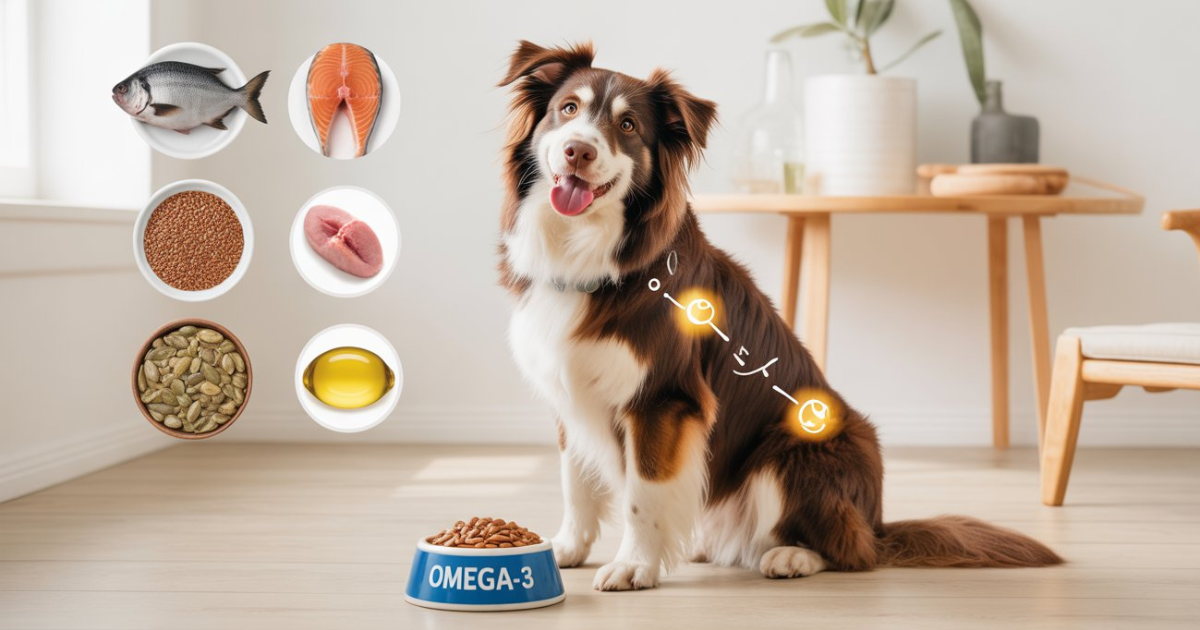
Fresh proteins like chicken, turkey, beef, and fish provide vital amino acids for muscle and organ health. Vegetables like spinach, carrots, and sweet potatoes add fiber and vitamins. Healthy fats, such as those from salmon oil, keep the coat shiny and support brain health. Some dog owners even use lightly cooked or raw food diets to give pets nutrient-dense meals.
Even small upgrades matter. For instance, topping kibble with a spoonful of pumpkin helps digestion. Adding blueberries provides antioxidants that fight inflammation. Switching from low-quality kibble to a higher-grade option can drastically improve energy levels and coat condition. The key is personalization. Every dog is different, so biohacking nutrition means adjusting the diet to fit your pet’s breed, age, weight, and health conditions.
How Can Exercise Build a Healthier Dog?
A huge part of biohacking for dogs is movement. Dogs are naturally active animals. They need regular physical activity to stay fit and mentally balanced. Yet many pets today spend long hours indoors with little exercise. This can lead to obesity, stiff joints, or behavioral problems. Exercise does not always mean long runs or intense workouts.
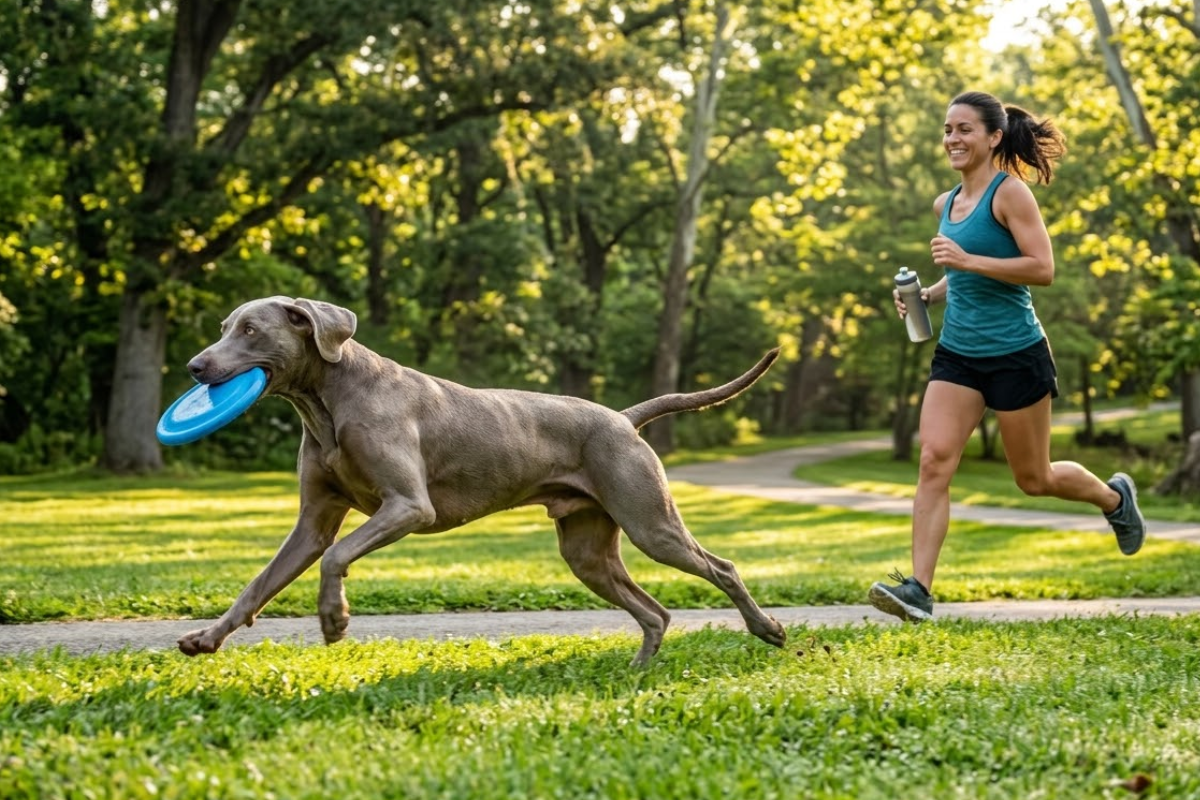
It can be as simple as daily walks, short games of fetch, or swimming. The goal is consistency. When a dog moves daily, it strengthens muscles, improves heart health, and burns excess calories. Mental stimulation is also key. Dogs get bored just like people, and boredom often leads to bad habits such as chewing or digging.
Adding puzzle toys, agility training, or hide-and-seek games can keep their minds sharp. Biohacking encourages dog owners to think about exercise in a more structured way. Instead of just walking when convenient, owners can plan activities that build endurance, improve mobility, and boost happiness.
How Can Stress Impact Your Dog’s Health?
One part of canine biohacking that many people overlook is stress management. Stress affects a dog’s body much like it does for humans. It can weaken the immune system, upset digestion, and even shorten life expectancy.
Dogs may feel stress from loud noises, separation, changes in routine, or even from sensing their owner’s own anxiety. Recognizing these triggers is the first step. Biohacking offers solutions such as calming supplements, relaxing routines, and structured enrichment activities.
For example, playing soothing music, providing a cozy, safe space, or using natural calming aids like chamomile can reduce anxiety. Regular training also builds confidence, which lowers stress in uncertain situations. The goal is to create a stable and safe environment where a dog feels secure. This not only improves emotional health but also strengthens the bond between pet and owner.
Sleep and Recovery as a Natural Biohack
Good sleep is just as important for dogs as it is for humans. Sleep is when the body repairs itself, stores energy, and keeps the immune system strong. Without enough rest, dogs can become cranky, anxious, or even sick. Many dogs sleep 12–14 hours a day, depending on age and breed. Puppies and seniors often need even more. Biohacking sleep involves making sure the environment supports quality rest.
Simple changes can make a big difference. A comfortable orthopedic bed helps older dogs with joint pain. Keeping a room dark and quiet reduces sleep disruptions. Setting a consistent bedtime routine signals to your dog that it’s time to wind down. Owners who pay attention to their dog’s sleep patterns often notice improvements in energy levels, behavior, and overall health.
Smart Supplementation in Dog Biohacking
Supplements are another powerful tool in biohacking for dogs. While food is the foundation, sometimes dogs need extra support that diet alone can’t provide. Popular supplements include omega-3 fatty acids for heart and brain health, glucosamine for joint support, probiotics for gut health, and antioxidants to fight aging.
These can be added in carefully chosen doses to target specific health needs. For example, an active Labrador may benefit from joint support supplements to prevent wear and tear. A senior pug might need probiotics to aid digestion. The key is to use supplements thoughtfully and always under guidance from a trusted veterinarian.
Using Technology to Improve Dog Health
One of the most modern parts of canine biohacking is the use of technology. Just as humans use fitness trackers and health apps, pets now have access to similar tools. Smart collars can track steps, heart rate, calories burned, and even sleep cycles.
Owners can monitor the data to see if their dog is getting enough activity or if health issues may be developing. There are even apps that allow vets to review this data, making it easier to adjust diet, exercise, or treatment plans. This data-driven approach helps dog owners make better, informed choices about their pet’s care.
The Role of the Gut in Dog Biohacking
A growing area of research in both humans and dogs is the gut microbiome, the community of bacteria living in the digestive tract. Canine biohacking often includes steps to support a healthy gut, since it influences digestion, immunity, and even mood. Adding probiotics, prebiotics, or fermented foods like kefir can boost beneficial bacteria.
A balanced microbiome not only helps break down food but also reduces inflammation and supports mental health. Dogs with a strong gut microbiome often have shinier coats, better stool consistency, fewer allergies, and stronger immunity. This makes gut health one of the most exciting areas of dog biohacking today.
Creating a Personalized Biohacking Plan for Your Dog
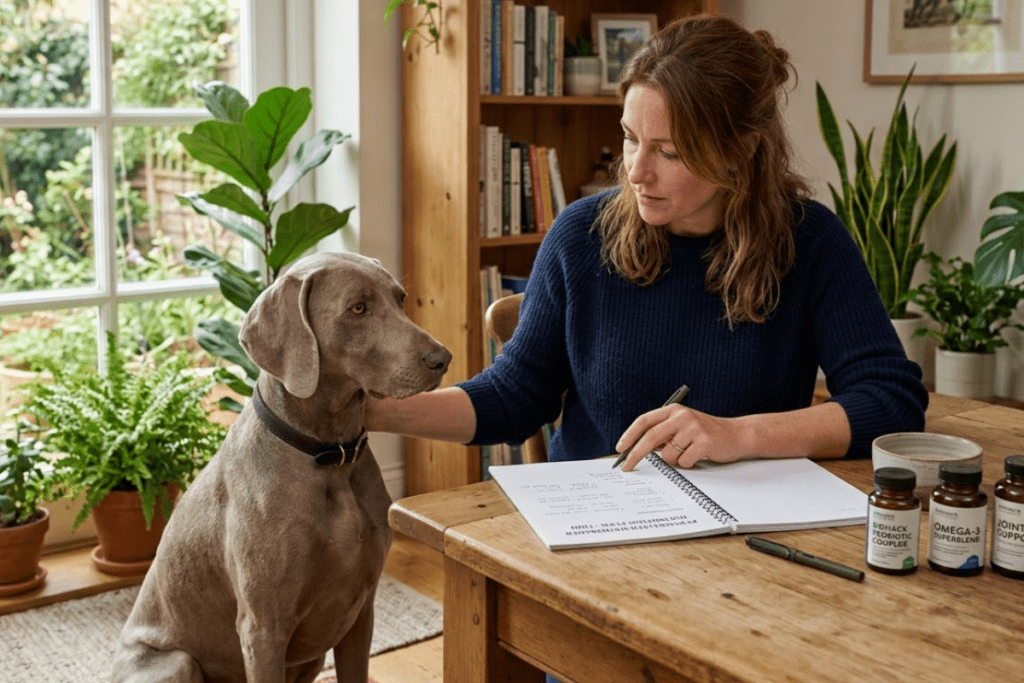
Every dog is unique, so biohacking is not one-size-fits-all. The best approach is to start small, track changes, and adjust as needed.
A personalized plan might include:
- Improving the diet with fresh, whole ingredients
- Adding daily walks and mental stimulation
- Creating a calming bedtime routine
- Introducing safe supplements
- Using data from wearables to track progress
By combining these steps, owners can slowly build a system that matches their dog’s unique personality, health, and lifestyle.
Conclusion
Biohacking for dogs is about being thoughtful, intentional, and proactive. It’s not about quick fixes or extreme methods. Instead, it’s about understanding that small, steady changes create lasting improvements in health and happiness.
When owners pay attention to nutrition, exercise, stress, sleep, and supplements, they give their pets the best chance at a long and fulfilling life. With the rise of technology and growing knowledge of dog biology, biohacking has become more accessible than ever.
If you want to see your furry companion thrive, start exploring biohacking today. Begin with one small step, watch your dog’s response, and continue building a healthier, more balanced lifestyle together.
Give your dog the best chance at a healthier and happier life. Start exploring simple biohacks today with Vitailix. Contact us now!
Biohacking For Dogs Frequently Asked Questions
1. What does canine biohacking mean?
It is a way of improving pet health and longevity through smart nutrition, supplements, stress care, and lifestyle choices.
2. Is biohacking safe for dogs?
Yes, when done carefully and with guidance from a vet. It focuses on prevention and wellness.
3. How do I start biohacking my dog’s life?
Begin with small changes, like better food, consistent routines, and simple enrichment activities.
4. Do all dogs need supplements for biohacking?
Not always. Supplements are helpful for specific needs, but a vet should guide decisions.
5. Can biohacking replace traditional vet care?
No, it should always work together with professional veterinary support.