When pets grow older, their bodies change. They don’t run, jump, or play like they used to. You might see your dog taking shorter walks or your cat sleeping more. Sometimes, they struggle to climb stairs or get up from the floor. These are natural signs of aging, but they don’t mean your pet can’t …

When pets grow older, their bodies change. They don’t run, jump, or play like they used to. You might see your dog taking shorter walks or your cat sleeping more. Sometimes, they struggle to climb stairs or get up from the floor. These are natural signs of aging, but they don’t mean your pet can’t still enjoy life. In fact, with the right care, senior pets can be happy, active, and comfortable for many years.
Geriatric pet rehabilitation is a special kind of care designed to help older pets stay mobile and pain-free. It focuses on improving strength, easing joint pain, and keeping pets moving safely. This care is gentle, kind, and customized just for the unique needs of senior animals. In this blog, you will learn how this type of rehab works, why it’s important, and how you can help your pet feel their best in their golden years.
What Is Geriatric Pet Rehabilitation?
Geriatric pet rehab is a set of treatments and exercises made specifically for aging pets. As pets get older, their muscles shrink, joints become stiff, and they often suffer from conditions like arthritis. These changes can make simple activities difficult or painful. Rehab helps by gently strengthening muscles, increasing flexibility, and reducing discomfort.
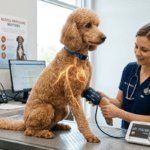
A vet who specializes in rehab will carefully assess your pet. They look at how your pet moves, check for pain, and test muscle strength and balance. Based on this, they create a personalized plan. This plan might include light exercise, massages, or therapies like heat, cold, or laser treatments.
Rehab is about improving your pet’s quality of life, not just treating illness. Even pets without serious health problems can benefit because rehab helps maintain movement and prevents future pain or injury.
Why Older Pets Need Rehabilitation
As pets age, many parts of their bodies slow down or wear out. Muscle mass shrinks, making them weaker. Their joints may get stiff or painful from arthritis or other health issues. Sometimes, pets gain weight because they move less, which adds strain to their bodies. These changes can make pets less active, which makes the problem worse. It’s a cycle that can cause your pet to lose independence and suffer pain.
Without intervention, these problems often get worse. A dog who once loved to walk might stop moving and lose muscle strength. A cat might hide because jumping hurts. Many older pets have trouble getting comfortable or sleeping well. This lowers their quality of life.
Rehabilitation interrupts this cycle. It helps reduce pain, increase strength, and improve mobility. Rehab encourages pets to move safely and regularly. This keeps their muscles working and their joints flexible. It also helps prevent falls and injuries, which are common in senior pets. Importantly, rehab supports your pet’s mental health too. Staying active and engaged helps reduce anxiety and keeps the mind sharp. Overall, rehab helps older pets enjoy more good days, feel less pain, and live better.
Types of Animal Rehabilitation for Geriatric Pets
Senior pet rehab isn’t just one treatment. It’s a blend of therapies that work together to help your pet feel better. Your vet might suggest one or several of these treatments, depending on what your pet needs most.
Physical therapy is often the core part of rehab. It includes simple exercises designed to build strength and improve coordination. For pets who have trouble moving, physical therapy can help them walk more steadily and reduce pain.
Passive Range of Motion (PROM) is a therapy where a therapist moves your pet’s limbs for them. This is important for pets who are too weak or stiff to move their joints on their own. PROM helps keep joints flexible and muscles healthy.
Underwater treadmill therapy is one of the best ways to exercise aging pets. Walking in water supports the pet’s weight, so there is less pressure on sore joints. The water’s resistance helps build muscle without strain.
Acupuncture uses tiny needles placed at specific points on the body. It stimulates healing, eases pain, and improves nerve function. Many pets respond well to acupuncture, showing better mobility and less discomfort.
Massage therapy is another gentle treatment that improves blood flow, relaxes muscles, and helps reduce pain and anxiety. It’s also a wonderful way to bond with your pet.
Chiropractic care focuses on adjusting the spine and joints to restore proper alignment. This can relieve pain and improve movement, especially in pets with back or neck stiffness.
Hydrotherapy includes swimming or moving in water without a treadmill. It’s excellent for pets who enjoy water and need low-impact exercise.
Nutritional counseling is crucial for senior pets. Proper diet supports muscle health, manages weight, and provides nutrients that promote joint and brain health.
Your vet will design a rehab plan that fits your pet’s condition, age, and personality, ensuring the most effective and comfortable care.
Physical Therapy for Senior Pets
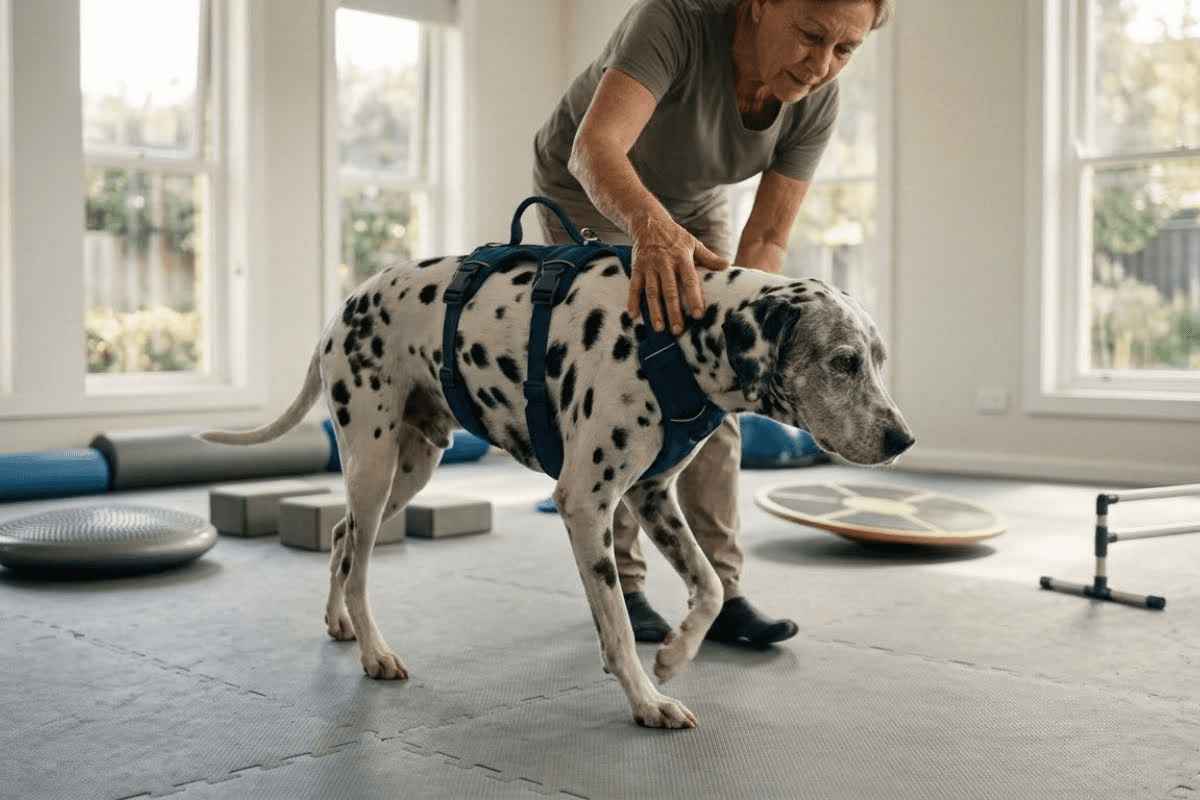
Physical therapy involves exercises that help rebuild your pet’s muscle strength and improve balance. Many older pets lose muscle mass simply because they move less. This can make daily activities hard or unsafe. A rehab specialist might guide your pet through gentle walking on soft surfaces or over low obstacles. They might encourage your pet to practice sitting, standing, or turning slowly to improve coordination. These exercises are always done carefully, ensuring your pet doesn’t get tired or hurt.
One of the big benefits of physical therapy is better balance. Older pets often wobble or stumble because their muscles and joints aren’t strong enough. Physical therapy strengthens the muscles around joints, which supports safer movement. This lowers the risk of falls and painful injuries. Additionally, physical therapy can help reduce pain. Stronger muscles take pressure off joints, easing arthritis symptoms. Pets often feel more confident and eager to move after a few sessions.
Passive Range of Motion (PROM)
PROM is important for pets who cannot move much on their own. If your pet is weak, very stiff, or recovering from surgery, a therapist can gently move their limbs through natural motions. This keeps joints from becoming stiff or “frozen.”
PROM helps keep muscles flexible and improves blood flow to limbs that don’t move much. This prevents muscle loss and stiffness, which can be painful and limit movement. Often, vets teach pet owners how to do PROM at home. Regular PROM exercises, done just a few minutes daily, can maintain joint health and keep pets more comfortable.
Underwater Treadmill Therapy
The underwater treadmill is a fantastic tool in rehab. Your pet walks on a treadmill belt submerged in warm water. The water supports their body weight, so joints don’t bear full pressure. This makes walking easier and less painful. The water’s resistance also provides gentle strength training for muscles.
Underwater treadmill therapy is especially good for pets with arthritis, spinal issues, or excess weight. Many dogs enjoy the water and feel relaxed during sessions. This therapy improves their stamina, builds muscle, and helps pets feel more mobile on land.
Acupuncture for Senior Pets
Acupuncture is a natural way to help pets heal. Tiny needles are placed on specific points on the body to stimulate nerves and encourage blood flow. This can reduce inflammation and ease chronic pain. Many senior pets with arthritis or nerve problems find relief with acupuncture. It’s also helpful for pets with digestive problems or anxiety. Sessions are short and peaceful. Pets often relax deeply or fall asleep during treatment. Over time, acupuncture can improve your pet’s movement and comfort.
Massage Therapy for Aging Animals
Massage therapy is more than just relaxing. It improves circulation and loosens tight muscles. This helps reduce pain and stiffness common in older pets. Therapists use soft, careful strokes to find tense or sore areas and gently work them out. Massage also releases feel-good chemicals in the brain, which help reduce anxiety. Your vet or therapist can teach you simple massage techniques. Using these at home can improve your pet’s comfort between rehab visits.
Chiropractic Care for Geriatric Pets
Chiropractic care focuses on the spine and nervous system. If your pet moves stiffly or shows signs of back or neck pain, small misalignments could be the cause. A trained animal chiropractor uses gentle adjustments to realign the spine. This reduces pressure on nerves and eases muscle tension. Most pets show quick improvement after chiropractic treatment. They may walk more easily, stand straighter, and show less pain.
Hydrotherapy and Its Benefits
Hydrotherapy includes swimming and other water exercises. Unlike treadmill therapy, pets move freely in water with support from a therapist. Water supports the body and reduces stress on painful joints. This makes it easier to build strength and improve heart health without risk of injury. Hydrotherapy is fun for many pets. It improves mood, builds muscles, and can help with weight loss by burning calories gently.
Nutritional Counseling for Senior Pet Health
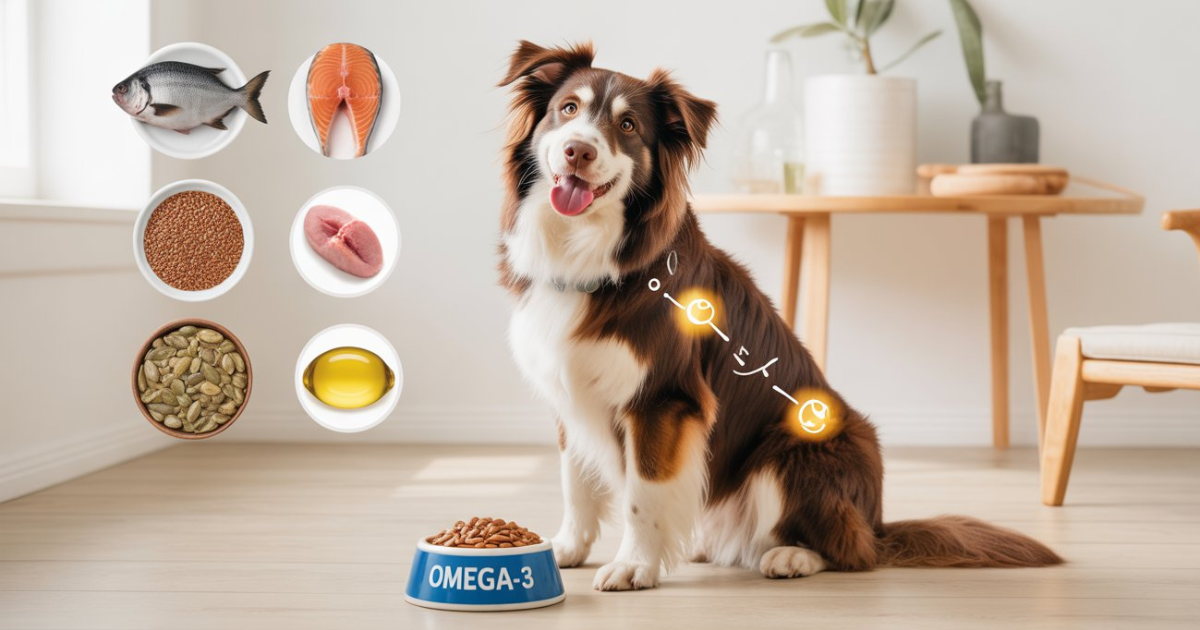
Diet plays a huge role in senior pet health. Older pets may need fewer calories but more protein to keep muscles strong. Some need supplements like glucosamine or omega-3 fatty acids to support joints and brain function.
A vet can help create a diet plan customized to your pet’s needs. Changing food can improve energy levels, reduce weight, and help your pet feel better overall. Good nutrition supports all other rehab efforts by providing the building blocks your pet’s body needs to heal and stay strong.
The Importance of Regular Vet Visits
Regular vet visits are critical for senior pets. Checkups every six months help catch health problems early. The vet can adjust rehab plans as your pet’s needs change. During visits, the vet checks weight, joint health, and mobility. They may suggest new treatments or adjust medications. These visits keep your pet’s care on track and help you spot changes before they become serious.
Your Role in Pet Rehabilitation
You are your pet’s greatest helper. Rehab works best when you follow the plan and support your pet every day. At home, encourage gentle exercise and help with stretches or PROM exercises. Give medicines and supplements as prescribed. Make your home safer with ramps or rugs on slippery floors. Your love, patience, and care help your pet feel secure. This emotional support boosts healing and makes rehab more effective.
Rehab Centers vs. Home Rehab
Some pets do best in rehab centers with special tools and trained therapists. Centers offer water therapy, laser treatments, and equipment to speed healing. Others prefer home rehab. Familiar surroundings reduce stress and give more time for bonding. Your vet will recommend the best option. Sometimes a mix of both works well, starting in the center, then continuing at home.
The Emotional Side of Senior Pet Rehab
Rehab is not only physical. Many senior pets feel scared or confused by new routines or pain. Keeping a calm routine helps them feel safe. Talk softly, give lots of affection, and stay patient. Comfort and love are just as important as physical therapy. A happy pet heals better.
The Future of Geriatric Pet Rehabilitation
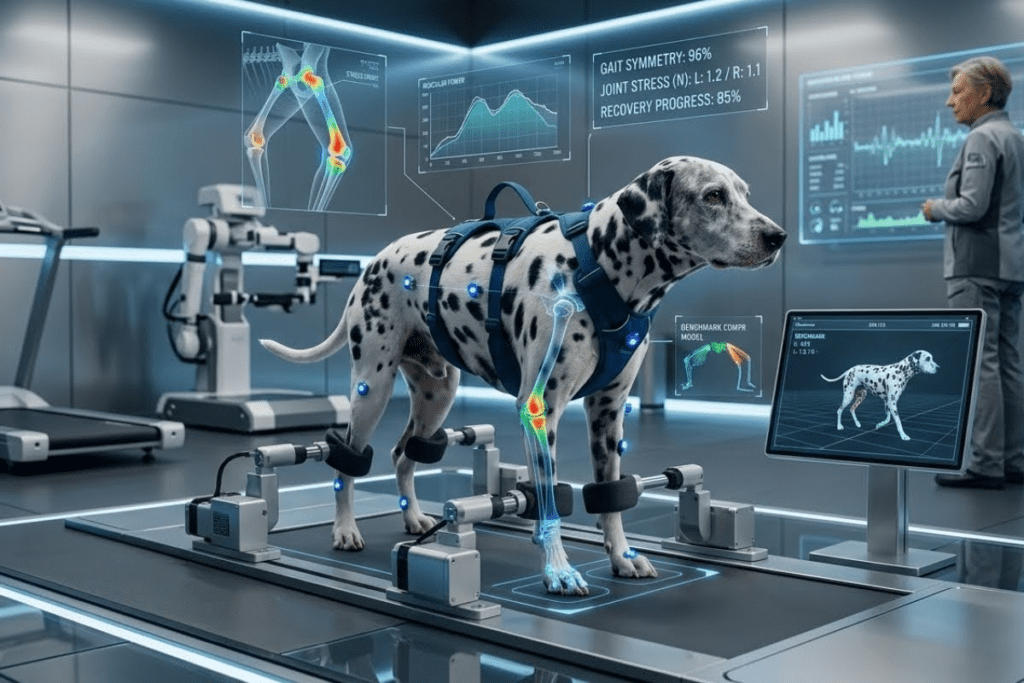
New technologies are improving pet rehab every day. Vets now use cold laser therapy to ease deep joint pain. Stem cell treatments help repair damaged tissues. Custom braces support weak joints. Activity trackers monitor pet movement and help with custom rehab. These innovations promise longer, healthier lives for senior pets.
Conclusion
Senior pets may slow down, but their lives are far from over. With the right care, they can enjoy every day with less pain and more comfort. Geriatric pet rehabilitation offers a gentle, effective way to improve their strength, mobility, and happiness. Whether it’s light exercise, special diets, or advanced therapies, every small step makes a big difference. By staying involved in your pet’s care and working closely with your vet, you help them live a longer, fuller life.
Don’t wait until your pet’s pain gets worse. Start their journey to comfort and strength today. Talk to your vet about personalized rehab options. Then, visit Vitailix for expert-backed products that support every stage of your pet’s recovery.
Senior Pet Longevity with Geriatric Pet Rehabilitation Frequently Asked Questions
What is senior pet rehab?
It is specialized care that helps aging pets stay mobile and reduce pain.
When is a pet considered senior?
Usually, dogs are 7 to 10 years old, and cats are 11 to 14 years old, but it varies by breed.
Is rehab safe?
Yes, when done by trained vets, it is safe and gentle.
Can I do rehab at home?
Yes. Many therapies can be done with vet guidance.Is rehab expensive?
Costs vary, but some treatments may be covered by pet insurance.