Many pet owners are unaware that their dog has a serious health issue until symptoms begin to show. Conditions like high blood pressure in dogs often go unnoticed but can quietly cause damage over time. Also known as hypertension, it may lead to heart disease, kidney trouble, or even blindness if left untreated. The good …

Many pet owners are unaware that their dog has a serious health issue until symptoms begin to show. Conditions like high blood pressure in dogs often go unnoticed but can quietly cause damage over time. Also known as hypertension, it may lead to heart disease, kidney trouble, or even blindness if left untreated. The good news is that with early detection and the right care, your dog can still live a long, happy, and healthy life.
This guide will show you how to spot the signs, understand the risks, and take action. Let’s walk through the symptoms, treatments, and steps you can take to protect your pup.
What Is High Blood Pressure in Dogs?
High blood pressure, or hypertension, occurs when the force of the blood pushing against the walls of your dog’s arteries is higher than normal. This extra pressure can cause damage to vital organs such as the heart, kidneys, brain, and eyes.
Unlike humans, dogs often develop high blood pressure because of other health problems like kidney disease, diabetes, or hormonal imbalances. In some cases, the cause may not be obvious. Without treatment, this silent condition can lead to serious complications like heart failure or sudden vision loss. Understanding what high blood pressure is helps you recognize why timely care matters.
Why Early Detection Matters
High blood pressure in dogs usually doesn’t cause obvious symptoms at first. This makes it easy to miss unless your dog has regular veterinary exams. If left untreated, the condition can quietly damage important organs over months or years.
Early detection means your vet can start treatment before serious harm occurs. This can prevent permanent damage like kidney failure or blindness. The earlier you catch high blood pressure, the better your dog’s chances of living a long, comfortable life. That’s why routine health checks are so important, especially for older dogs or those with other illnesses.
Common Symptoms of High Blood Pressure
While many dogs with high blood pressure appear normal, certain signs may alert you to a problem. Sudden blindness is one of the most alarming symptoms. Dogs may bump into furniture or seem disoriented.
You might notice dilated pupils or bleeding in the eyes, which means the blood vessels inside are damaged. Other warning signs include nosebleeds or blood in the urine, which show bleeding inside the body. Seizures or episodes of confusion can occur if the brain is affected. Some dogs may become weak or unsteady on their feet. If you see any of these symptoms, contact your vet immediately for evaluation.
How Vets Diagnose Canine Hypertension
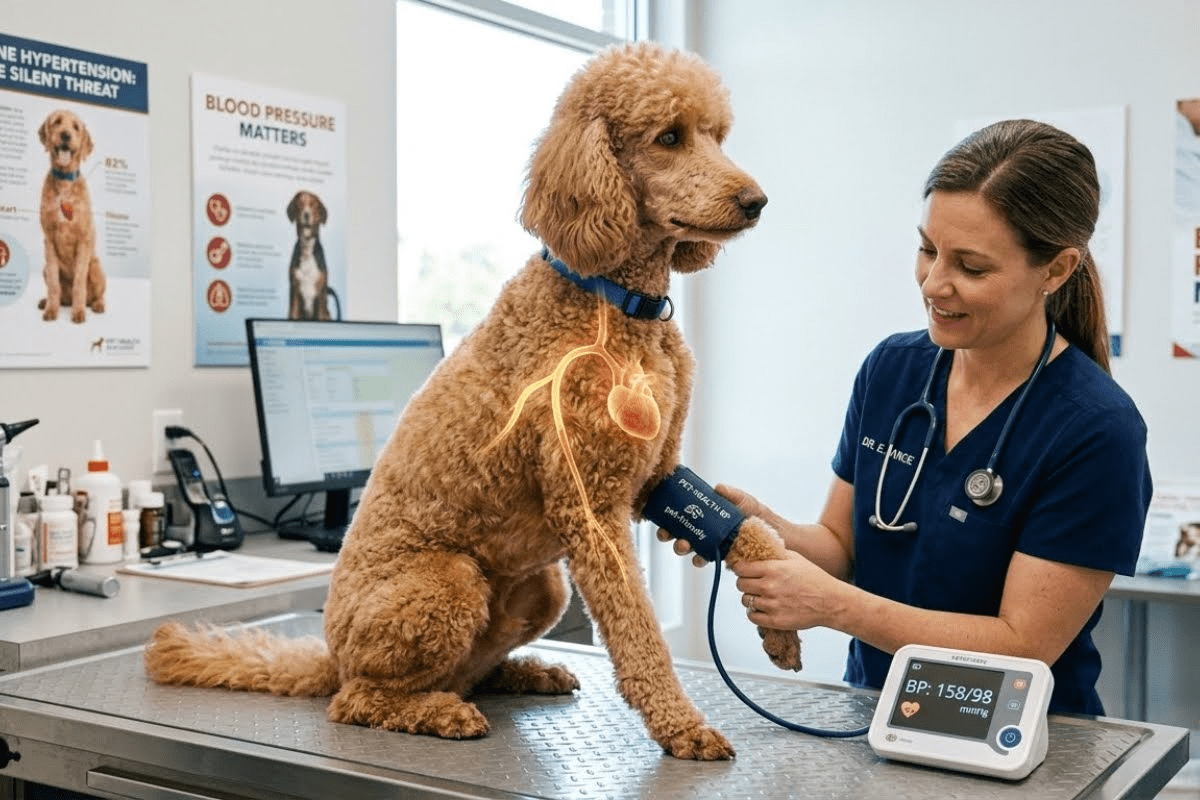
Diagnosing canine hypertension is done using a non-invasive method similar to how blood pressure is measured in humans. The vet places a soft cuff around your dog’s leg or tail and gently inflates it to measure pressure. This process is quick and painless.
Since high blood pressure is often linked to other illnesses, your vet may run additional tests like blood work to check kidney function, urinalysis to look for infections, or ultrasound scans to examine the heart and kidneys. These tests help find underlying causes and guide the best treatment plan for your dog.
Medical Treatments for High Blood Pressure in Dogs
Once your dog’s blood pressure is confirmed to be high, your vet will recommend medication to bring it down safely. Common medications include ACE inhibitors and calcium channel blockers, which relax blood vessels and improve blood flow.
If the high pressure is caused by another disease, such as kidney failure or hormonal disorders, treatment will also focus on managing those conditions. Some dogs may require medication for life, while others may only need it temporarily. Your vet will monitor your dog’s response and adjust medications to ensure the best results with minimal side effects.
Diet and Lifestyle Changes That Help
Medicine alone isn’t enough to control high blood pressure in dogs. Diet and lifestyle play a crucial role, too. A diet low in sodium helps reduce water retention and lowers blood pressure.
Many vets recommend special foods formulated for heart or kidney health, which contain the right balance of nutrients. Regular, gentle exercise improves circulation and strengthens the heart muscle. Even if your dog is older or less active, short daily walks or light play sessions can make a difference. Maintaining a healthy weight is also essential, as excess weight puts added strain on the heart and arteries.
Monitoring and Ongoing Vet Care
High blood pressure requires ongoing attention. After your dog starts treatment, regular vet visits are essential to check blood pressure levels and overall health.
Your vet will measure blood pressure frequently to ensure medications are working well and to adjust doses if needed. Monitoring helps catch any side effects early and prevents blood pressure from rising again unnoticed. Keeping a health diary at home with notes on your dog’s behavior, appetite, and energy can also help your vet make informed decisions during checkups.
Can You Prevent High Blood Pressure?
While you cannot always prevent high blood pressure, especially if it is genetic or linked to aging, you can lower the risk by taking good care of your dog.
Feeding a balanced, nutritious diet and maintaining a healthy weight reduces stress on the heart and kidneys. Daily exercise keeps blood vessels flexible and improves overall health. Regular veterinary exams help detect other illnesses that might lead to hypertension. Prevention also means watching for early warning signs and seeking prompt care if anything seems wrong.
The Role of Regular Vet Visits
Routine checkups are one of the best tools you have to protect your dog from high blood pressure and its complications. Many vets include blood pressure measurement as part of senior dog wellness exams or when managing chronic diseases.
Regular visits also allow your vet to monitor other health markers and catch problems before they become severe. Early diagnosis and treatment improve quality of life and reduce costly emergency care. Make it a habit to schedule annual or semi-annual vet visits, especially as your dog grows older.
Diet Tips to Support Blood Pressure Health
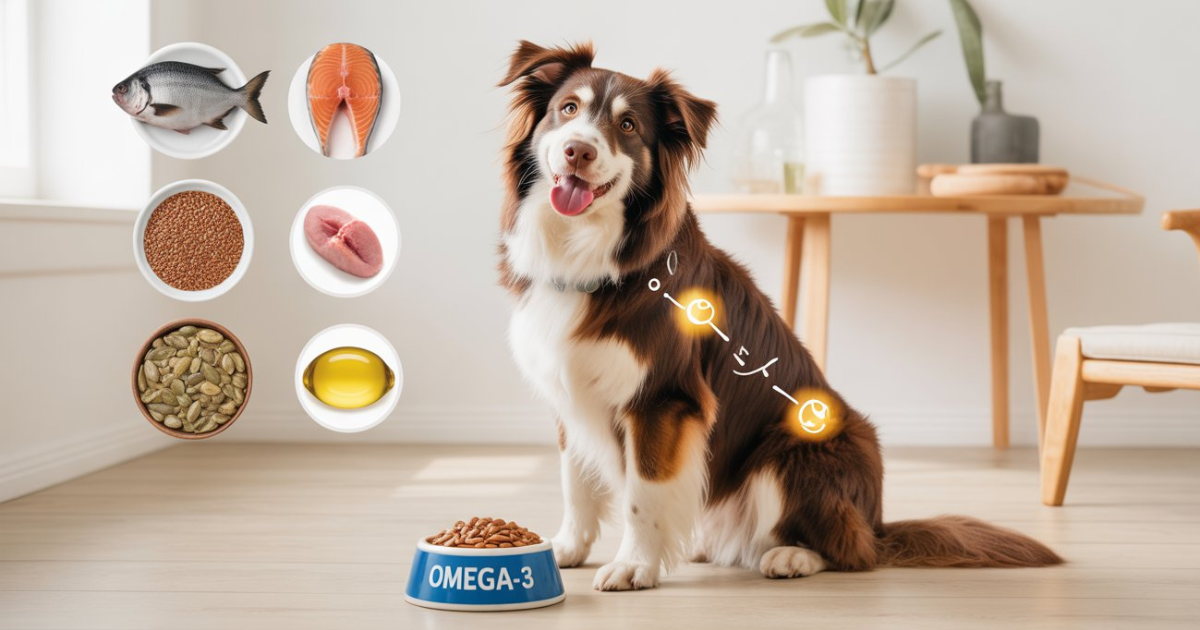
Feeding your dog the right food supports not just blood pressure but their whole body. Choose dog foods low in salt and rich in heart-healthy nutrients like omega-3 fatty acids. These help reduce inflammation and support blood vessel function.
Avoid giving salty human foods or treats, which can raise blood pressure. Instead, opt for natural, wholesome treats designed for dogs. Some vets may suggest prescription diets tailored to kidney or heart disease. Always follow your vet’s advice on diet to complement medical treatment.
The Link Between Exercise and Heart Health
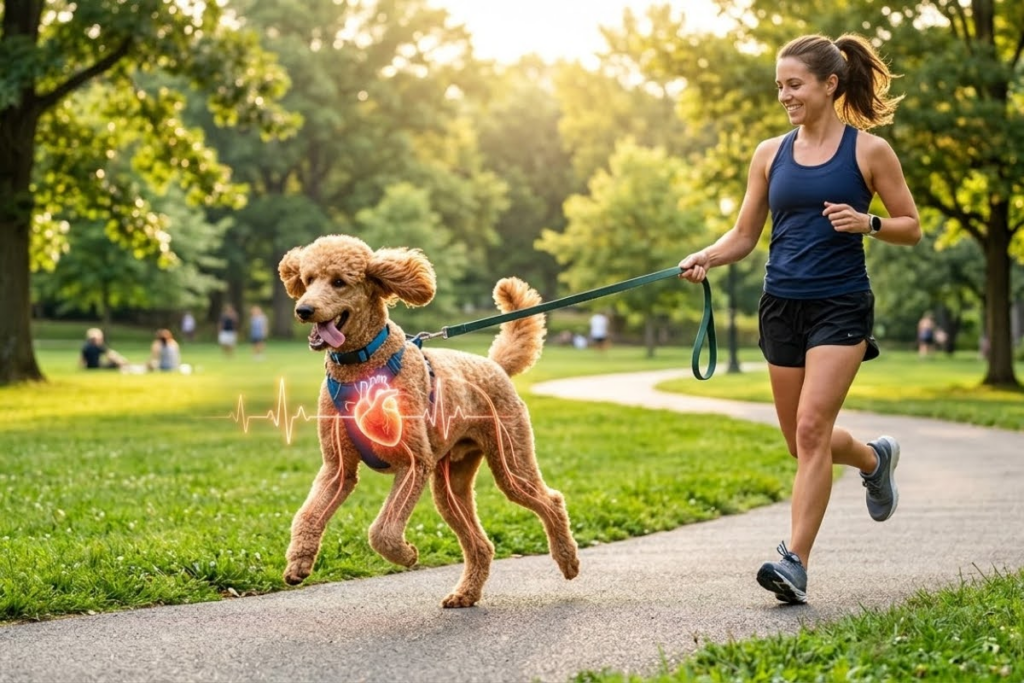
Regular physical activity benefits your dog’s heart and blood vessels. Exercise helps improve circulation, lowers stress hormones, and supports a healthy weight.
Dogs who stay active are less likely to develop heart disease or high blood pressure. Even gentle exercise, like daily walks or short playtimes, strengthens the heart muscle and keeps arteries flexible. Tailor the activity to your dog’s age and health level. For older dogs, shorter and slower walks are fine. Keeping your dog moving is one of the simplest ways to support their blood pressure health.
Conclusion
High blood pressure in dogs is a serious condition that can quietly damage vital organs if left untreated. Because symptoms may not appear early, regular vet checkups and blood pressure screenings are critical, especially for senior dogs or those with other health problems. With early detection, proper medication, a healthy diet, and regular exercise, most dogs can manage high blood pressure effectively.
Take action before symptoms appear. Schedule a wellness check and ask your vet to include a blood pressure screening, especially if your dog is aging or has other health issues.
High Blood Pressure in Dogs FAQ’s
1. Can high blood pressure in dogs cause blindness overnight?
Yes. If left untreated, hypertension can suddenly damage the retina and lead to complete vision loss. It often happens without warning.
2. What blood pressure reading is considered high for dogs?
A reading consistently above 160/100 mmHg is considered high and may require treatment. Your vet will confirm it over multiple visits.
3. Is canine hypertension always caused by another illness?
Most cases are secondary to illnesses like kidney disease or Cushing’s, but some dogs develop it without a clear cause (primary hypertension).
4. Can dogs get high blood pressure from stress?
Short-term stress can raise readings temporarily, but chronic high blood pressure is usually due to an underlying health problem.
5. What breeds are more prone to high blood pressure?
While any breed can be affected, older dogs and breeds prone to kidney or heart conditions, like Shih Tzus, Poodles, or Beagles, may be more at risk.