When pets get older, their bodies go through many changes. They may slow down, have stiff joints, or find it hard to jump or play. Even getting up from a nap can become a struggle. But aging doesn’t mean your pet’s happy days are over. With the right support, they can still enjoy life. That’s …


When pets get older, their bodies go through many changes. They may slow down, have stiff joints, or find it hard to jump or play. Even getting up from a nap can become a struggle. But aging doesn’t mean your pet’s happy days are over. With the right support, they can still enjoy life. That’s where rehabilitation for senior pets comes in. This type of care offers gentle treatments to help senior pets feel better, move more easily, and live with less pain. From light exercise to massage and water therapy, rehab gives pets the help they need to stay strong and active. In this guide, you’ll learn how pet rehab works, why it matters, and how it improves life for aging animals.
Helping Senior Pets Feel Better
As pets age, their bodies start to wear down. They may lose strength and feel stiff. Their muscles shrink. Joints swell. They move less, which often leads to weight gain. These issues can make daily life tough. Rehabilitation for senior pets is more than just therapy. It’s a full approach to help with pain, movement, and health. With the right plan, older pets can enjoy walks again, rest better, and feel calmer.
Many pets feel frustrated when they can’t do what they used to. Rehab brings back some of that freedom. It gives them a better quality of life. And most of all, it helps them stay part of the family routine.
Why Rehabilitation For Senior Pets Matters
Just like people, senior pets need more help as they get older. Extra love is not enough when their joints ache or muscles weaken. That’s where rehab helps. Gentle care like massage, stretching, and walking helps reduce pain. Over time, pets regain strength. Their moods improve. They can eat, sleep, and move better. The goal is simple: to keep them living with comfort and joy. Most pet owners notice a big change after just a few weeks of regular rehab. A stiff dog may begin to wag its tail again. A slow cat may start climbing furniture again. These small wins matter a lot.
What Challenges Do Older Pets Face?
1. Physical Issues
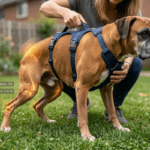
Older pets often deal with joint pain. This pain comes from arthritis, past injuries, or years of wear and tear. Some pets develop hip problems, making it hard to stand or walk. Muscle loss is also common. When muscles shrink, pets become weak. Even basic movements can hurt. Other pets may lose their sense of balance. You might notice them slipping or falling more often. They may avoid stairs or hesitate before jumping. This is because their bodies no longer feel stable.
2. Changes in Brain Health
The brain also ages. Older pets may seem lost or forgetful. They may walk in circles, stare at walls, or bark for no reason. This is called cognitive decline. It’s similar to memory loss in people. Rehab can help here, too. Gentle exercise and brain games boost blood flow and wake up the mind. With a little support, pets may become more alert and active again.
3. Weight Gain
Less activity often leads to weight gain. Heavy pets have a harder time moving. Extra pounds increase stress on joints and can lead to more pain. Rehab helps control weight by keeping the body moving. Even slow walks or swimming can burn calories. Nutrition also plays a role. Your vet may recommend a new diet that fits your pet’s age and health needs. A proper diet and regular rehab go hand in hand.
What Does a Vet Do During Rehabilitation?
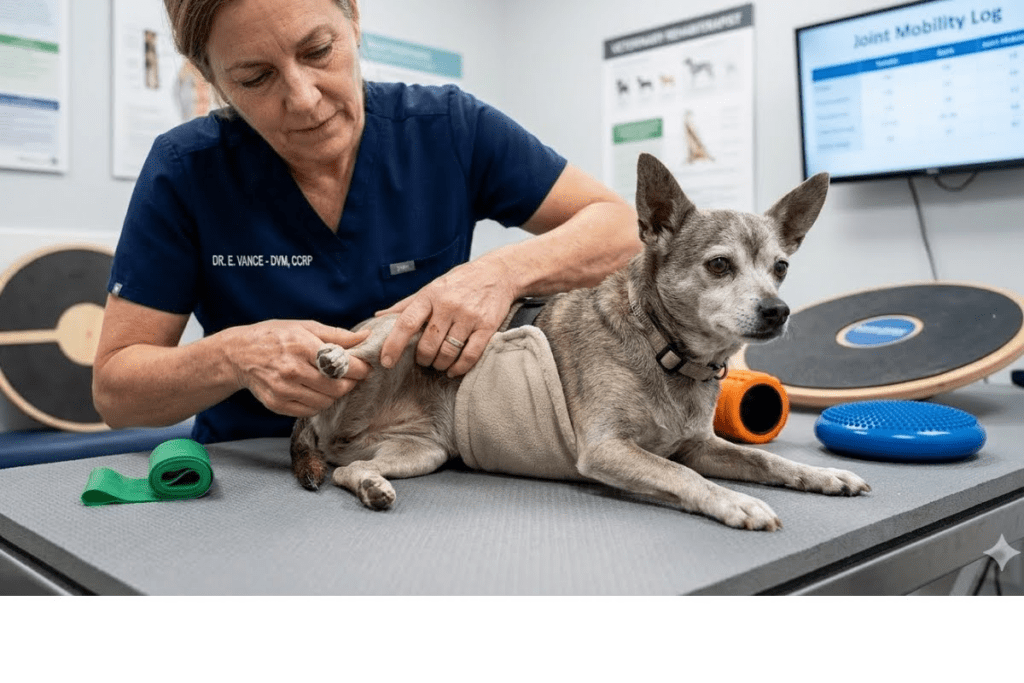
A rehab vet is trained to work with senior pets. First, they examine your pet carefully. They check the spine, joints, and muscles. They also watch how your pet walks, stands, and turns. The vet may ask questions about your pet’s daily habits, energy level, and mood.
Based on what they find, the vet creates a custom rehab plan just for your pet. This plan may include:
- Short, low-impact exercise sessions to improve strength
- Massage or hands-on therapy to relax tight muscles
- Heat or cold treatments for joint pain and swelling
- Laser therapy to help reduce pain and speed healing
- A special diet and supplements to support joint and muscle health
The vet checks your pet’s progress often. They adjust the plan as needed to match your pet’s changing needs. Each visit focuses on comfort and care. Vet-guided rehab is safe, backed by science, and done with love. Your vet works closely with you to make sure your pet stays healthy, happy, and pain-free.
Common Rehab Treatments for Senior Pets
1. Therapeutic Exercises
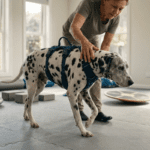
These exercises are slow and gentle. They help build strength and improve balance. Some exercises involve walking uphill or stepping over soft objects. Others focus on sitting, standing, or turning in place. Each movement has a goal. Some help with joint motion. Others boost muscle power. All aim to make daily actions easier. Consistency is key. Most pets do better when they stick to a regular schedule. Even 10 minutes a day can lead to steady gains.
2. Physical Therapy
Physical therapy is a key part of rehabilitation for senior pets. It helps reduce pain, improve movement, and support healing. These treatments are gentle and safe for older pets. They don’t involve medicine or surgery and are guided by trained professionals. Here are some of the most common methods used:
Massage Therapy:
This relaxes tight muscles and boosts blood flow. It also helps reduce soreness and improve flexibility. Many pets feel calm and sleepy during and after a massage. It’s a soothing way to ease tension and help the body heal. Regular massage can also help older pets feel more connected and less anxious.
Cold or Heat Therapy:
Heat therapy is used to loosen stiff joints before movement. It warms up the muscles and makes exercise easier. Cold therapy is great after an activity. It helps reduce swelling and numbs sore areas. Both methods are easy to apply and are often used before or after rehab exercises. They make physical therapy more comfortable and effective.
Laser Therapy:
This light-based tool helps heal tissue under the skin. It sends energy into sore or swollen areas to reduce pain and improve blood flow. It’s especially helpful for pets with arthritis or after surgery. Pets don’t feel pain during laser therapy; it’s quick, quiet, and calming. A trained vet or technician always controls the settings to keep your pet safe.
These treatments work best when done by someone trained in animal rehab. Your rehab vet will know which method to use, how long to apply it, and how often to repeat it. With regular sessions, physical therapy can make a big difference in your pet’s comfort and movement.
3. Hydrotherapy
Hydrotherapy is a great tool in rehabilitation for senior pets. It supports the pet’s weight. This makes it easier to move without pain. Swimming helps build muscle and increase range of motion. Many vets use underwater treadmills. Pets walk on a belt while water surrounds them. This builds strength while easing pressure on the joints. It’s ideal for dogs with arthritis or joint disease. Cats can also benefit. While cats don’t love water, some learn to accept short sessions.
4. Balance and Coordination Training
Older pets may wobble or fall. This is scary for them and their owners. Rehab includes balance training to help pets stay steady. Tools like balance pads, wobble boards, or ramps can be used. These tools help build strength in the legs and improve coordination. Your vet can guide you on how to use these tools safely at home, too. Over time, pets learn to trust their bodies again. They gain confidence, which leads to more movement and play.
5. Nutrition and Weight Control
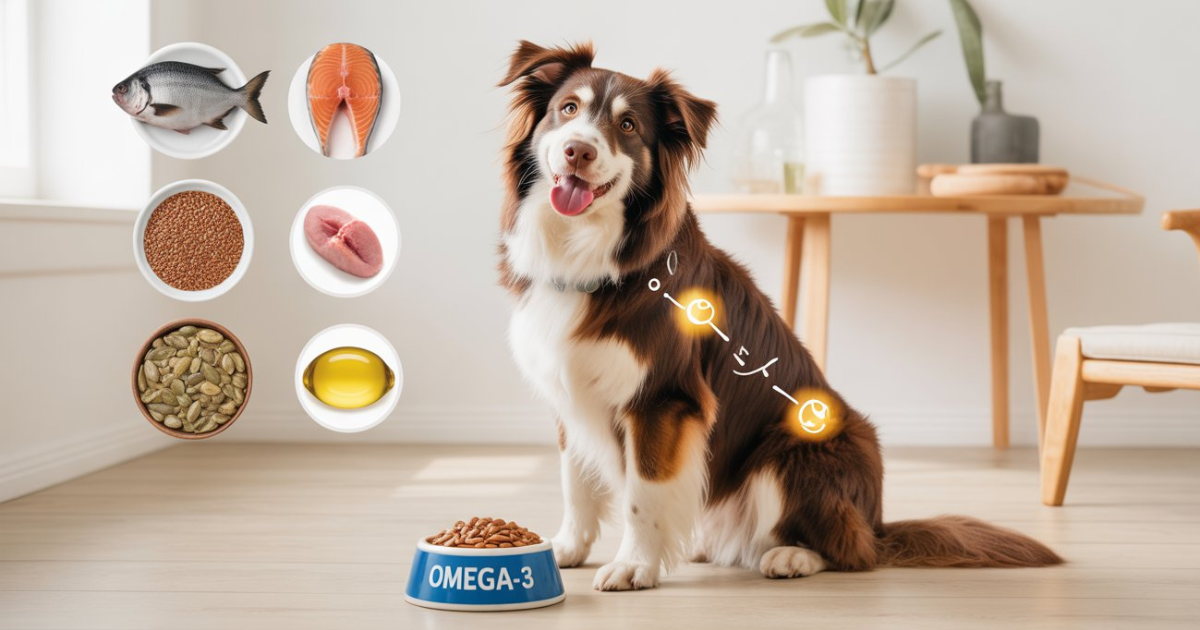
What your pet eats matters a lot. A healthy diet is part of every rehab plan. Older pets need fewer calories but more high-quality nutrients. Protein helps build muscle. Omega-3s support joint health. Certain vitamins aid in healing. Supplements like glucosamine and chondroitin are common. They help protect joint cartilage. Your vet may also suggest antioxidants for brain support. Weight control is a top goal. Slimmer pets move better and hurt less. Your vet may set weight targets and track progress.
Conclusion
Aging doesn’t mean your pet has to suffer. With rehabilitation for senior pets, your senior dog or cat can move more easily, feel less pain, and enjoy life again. Simple changes, like gentle exercise, massage, or better nutrition, can make a big difference. Rehab helps improve strength, balance, and mood, giving your pet more good days. Your pet has given you years of love. Now it’s your turn to give back. Support their golden years with care, comfort, and the attention they deserve.
Give your senior pet the care they deserve. Contact Vitailix today and schedule your personalized rehab consultation. Let’s bring comfort, movement, and joy back into their life, starting now!
Senior Dog Rehabilitation Frequently Asked Questions
1. What is dog rehabilitation, and how does it help?
Dog rehabilitation is a type of therapy that helps dogs recover from injuries, surgery, or conditions like arthritis or disc disease. It improves movement, reduces pain, and supports long-term health using techniques like physiotherapy, hydrotherapy, and massage.
2. How do I know if my dog needs rehab?
If your dog limps, has trouble standing, seems stiff, or isn’t as active as before, rehab might help. Dogs recovering from surgery or struggling with age-related issues can also benefit.
3. What types of therapies are used in dog rehabilitation?
Common therapies include physiotherapy exercises, underwater treadmill therapy (hydrotherapy), acupuncture, massage, stretching, and laser therapy. Each plan is tailored to your dog’s condition and comfort level.
4. Is rehab safe for older dogs or small breeds?
Yes! Rehab is gentle and adjusted for age, breed, and health. Senior dogs and small breeds often respond well to slow, steady treatment that eases pain and improves mobility without stress.
5.How long does it take to see results?
Some dogs show improvement in just a few sessions, while others may need several weeks. Progress depends on the condition, your dog’s age, and how regularly therapy is done.