Phosphorus is a mineral that helps build bones and teeth. About 85% of it is in their bones. It also helps with nerve function and muscle control. Your dog’s kidneys and parathyroid gland help manage phosphorus levels. If the kidneys don't work well, phosphorus builds up. This can lead to serious problems. Keeping phosphorus levels …

Phosphorus is a mineral that helps build bones and teeth. About 85% of it is in their bones. It also helps with nerve function and muscle control. Your dog’s kidneys and parathyroid gland help manage phosphorus levels. If the kidneys don’t work well, phosphorus builds up. This can lead to serious problems. Keeping phosphorus levels balanced is key to your dog’s health. Too much or too little phosphorus in dogs can cause harm. In this blog, you will learn about the importance of phosphorus for your dog.
Why Phosphorus in Dogs Matters
Phosphorus is vital. It keeps bones strong and muscles working. It also helps the body make energy. When phosphorus is out of balance, dogs can feel tired or weak. Bones may get soft. Muscles may not work properly. It also affects the kidneys, heart, and more. Vitalix believes that health begins with knowledge. Like a well-tuned machine, your dog needs proper levels of every nutrient.
High Phosphorus Levels in Dogs
What Happens When It’s Too High?
High phosphorus levels in dogs often point to kidney issues. This is common in older dogs. The kidneys can’t filter out phosphorus, so it builds up. This can cause bone loss, muscle weakness, and more kidney damage. Other causes of high phosphorus include:
- Genetic problems
- Kidney infections
- Blocked urinary tract
- Poisoning (e.g., antifreeze, rodent poison)
- Heart disease
- Tumors or hormone problems
- Starvation or dehydration
Some younger dogs and puppies also show slightly high levels due to growth, but that’s often normal.
Low Phosphorus Levels in Dogs
What Happens When It’s Too Low?
Low phosphorus is less common but still serious. It often shows up after a dog eats a big meal. It can also happen due to:
Use of Phosphate Binders
Phosphate binders are commonly used in dogs with kidney disease to control phosphorus levels, but they may interfere with the absorption of fat-soluble vitamins like Vitamin E. Long-term use can potentially lead to deficiencies or require adjusted supplementation. It’s important to consult a vet before combining phosphate binders with Vitamin E therapy.
Steroid Medicines
Steroids such as prednisone are often prescribed for inflammation or autoimmune issues, but can deplete certain nutrients, including Vitamin E. They may also alter how the body metabolizes fat-soluble vitamins, increasing the need for careful monitoring. Dogs on long-term steroids may require tailored supplement plans to maintain proper nutrient balance.
Cushing’s disease
Cushing’s disease causes overproduction of cortisol, which can interfere with the absorption and utilization of vitamins and minerals. Dogs with this condition may experience muscle weakness, skin issues, and fatigue, all symptoms that can also be related to Vitamin E imbalance. Supplementation should be handled cautiously and under veterinary supervision.
Some Tumors
Certain tumors, particularly those affecting the liver, pancreas, or endocrine system, may disrupt the metabolism of Vitamin E and other nutrients. Additionally, cancer treatments like chemotherapy can alter absorption or increase oxidative stress, raising the dog’s Vitamin E requirements. Always work closely with a vet when managing supplements in dogs with cancer.
Diets Low in Phosphorus or Vitamin D
A diet lacking in phosphorus or Vitamin D can lead to imbalances in calcium regulation and fat-soluble vitamin absorption. This may influence how well a dog can utilize Vitamin E, potentially resulting in poor immune function or muscular issues. Ensuring a nutritionally balanced diet is essential when adding any supplement.
Glucose or Insulin Use
Dogs with diabetes who are on insulin or have altered glucose metabolism may process vitamins differently. Vitamin E plays a role in supporting cell health and glucose regulation, but incorrect dosing may interfere with insulin sensitivity. It’s crucial to coordinate supplementation with a vet to avoid blood sugar instability. When phosphorus is too low, dogs may feel weak. Their muscles may not work well. They might not eat or move much.
How the Body Controls Phosphorus in Canines
Your dog’s parathyroid hormone (PTH) helps control phosphorus. It tells the kidneys to remove extra phosphorus. If the kidneys stop working, PTH can’t help much. Then phosphorus starts to build up. This is why phosphorus and dog kidney failure often go hand in hand. Phosphorus also works with calcium. If calcium goes up, phosphorus may go down, and vice versa. This balance is important.
Symptoms of High or Low Phosphorus in Canines
Weakness
Vitamin E overdose or imbalance may cause noticeable weakness in dogs, often seen as reduced mobility or reluctance to engage in normal activities. This could stem from nerve dysfunction or muscular fatigue caused by disrupted vitamin absorption. If your dog seems consistently tired or slow to respond, supplementation should be reassessed.
Bone Pain
In some cases, excess Vitamin E can interfere with the balance of other fat-soluble vitamins, leading to musculoskeletal discomfort. Bone pain may be observed as limping, sensitivity to touch, or refusal to jump or climb. A veterinary evaluation is essential to determine the root cause and adjust the supplement regimen accordingly.
Loss of Appetite
A sudden drop in appetite may be a sign that your dog is not tolerating the supplement well. This could be due to gastrointestinal discomfort or liver stress associated with fat-soluble vitamin accumulation. Monitor food intake closely, and if reduced appetite persists beyond a day or two, contact your veterinarian.
Muscle Tremors
Muscle tremors are a serious neurological symptom that may result from an imbalance of Vitamin E or interaction with other nutrients. Dogs may exhibit twitching, shaking, or spasms, especially after physical exertion. This requires immediate attention, as it may point to nerve or metabolic distress.
Tiredness
While some fatigue is normal in older dogs, excessive tiredness or lethargy after starting Vitamin E could indicate that the dosage is too high. Dogs may sleep more than usual, appear disinterested in walks, or become slow to respond. Gradually reducing the dose under veterinary supervision can help restore normal energy levels.
Vomiting
Vomiting is one of the most common signs of supplement intolerance, particularly when fat-soluble vitamins like E are involved. It can be triggered by gastrointestinal irritation or liver overload. If vomiting occurs more than once or is accompanied by other symptoms, discontinue the supplement and seek veterinary advice.
Irregular Heartbeat
High levels of Vitamin E may disrupt electrolyte balance, potentially affecting heart function. An irregular heartbeat might present as rapid breathing, fatigue, or visible chest pulsation. Since cardiac issues can escalate quickly, any sign of arrhythmia should be addressed by a vet immediately.
How Phosphorus Can Affect Dog Nutrition?
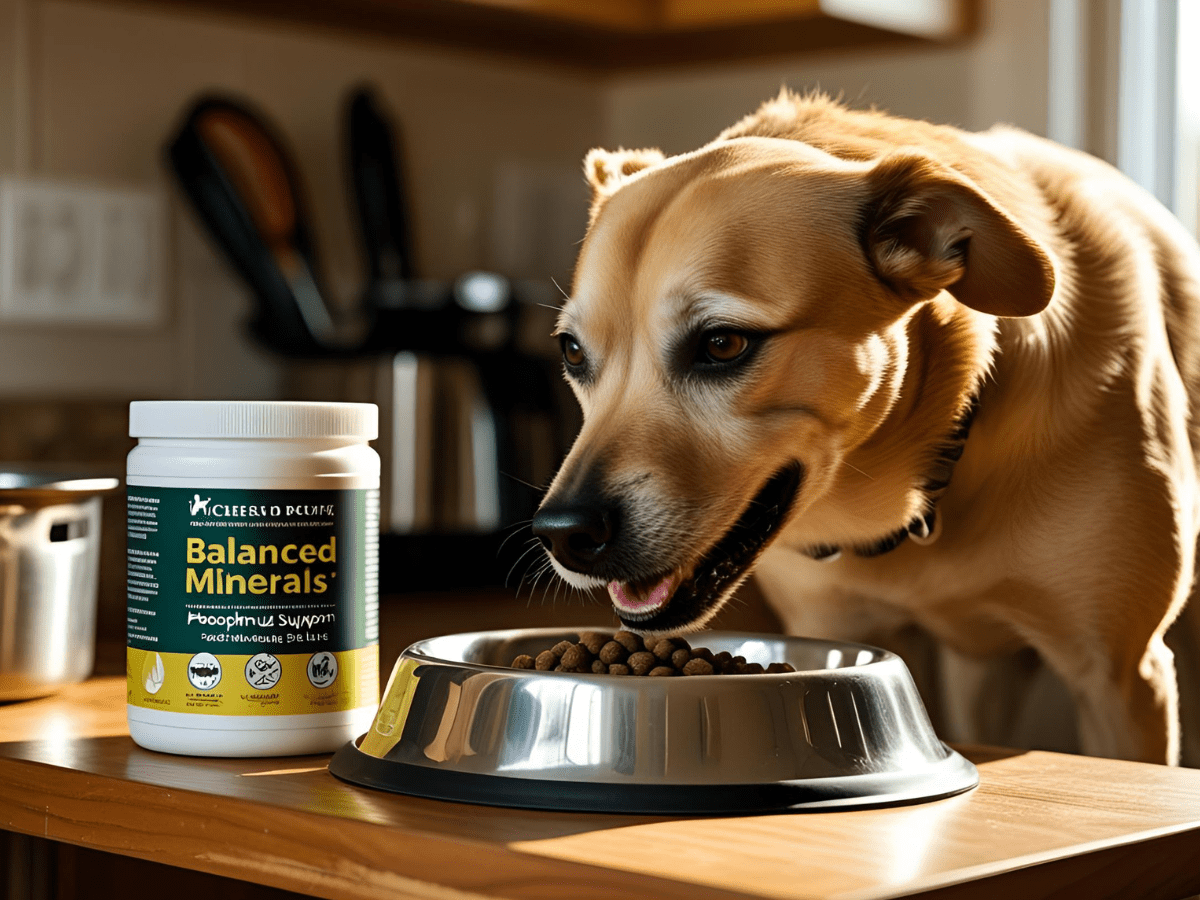
Phosphorus in dogs starts with their food. Many foods have meat, eggs, dairy, and grains. Growing dogs need more phosphorus. Older dogs or those with kidney issues need less. Veterinarians may suggest a special renal diet to help. This diet has less phosphorus and is easier on the kidneys. Controlling phosphorus through food is a key part of treatment.
Also, bones store most of the body’s phosphorus. They hold calcium, too. Together, they form strong bones. This is called calcium phosphate. If phosphorus is too high or too low, bones may suffer. Dogs with low phosphorus may have soft bones. Those with too much may lose bone mass. Keeping bones healthy means keeping phosphorus in check.
Phosphorus and Muscle Function
Phosphorus helps muscles contract. It powers the signals that make muscles move. Without it, dogs may feel weak or tired. In extreme cases, they may not be able to walk well. That’s why blood phosphate levels in dogs matter.
On the other hand, kidneys help filter waste. They also remove extra phosphorus. In kidney failure, this process fails. That leads to high phosphorus levels. Most senior dogs with kidney disease have this issue. It makes their bones weak and their muscles tired. Vitailix reminds pet owners that prevention and regular vet visits are key to managing health before it declines.
How to Treat High Phosphorus in Canines
1. Fluid Therapy
Fluids help flush out extra phosphorus. You can give them under the skin at home if your vet shows you how. This helps the kidneys work better.
2. Therapeutic Renal Diet
A special diet can help. These diets have less phosphorus. They also support kidney function. Your vet may suggest feeding this diet for 1–2 months. Then, blood tests check if it’s helping.
3. Phosphate Binders
Phosphate binders stop phosphorus from being absorbed. You give them food. They don’t work if the dog isn’t eating. Your vet can help you choose the right one.
What to Do When Your Dog Has Low Phosphorus
Low phosphorus needs quick action. Vets may give phosphorus supplements or IV fluids. They may adjust medications or diet. In some cases, treating the cause like a tumor or hormone problem helps bring levels back to normal.
Here are a few tips to keep phosphorus in dogs balanced:
- Feed a vet-approved diet
- Get regular blood tests
- Follow all medication instructions
- Avoid toxic substances
- Keep your dog well-hydrated
- Watch for signs of kidney problems
Phosphorus and Phosphate Binders for Dogs
Older dogs often face health issues. Kidney function slows down. So phosphorus builds up. That’s why regular vet care is important. Your vet may check for signs of kidney disease and phosphorus imbalance. On the contrary, puppies need more phosphorus. It helps them grow strong bones. But too much isn’t good either. Always follow your vet’s advice when feeding growing dogs.
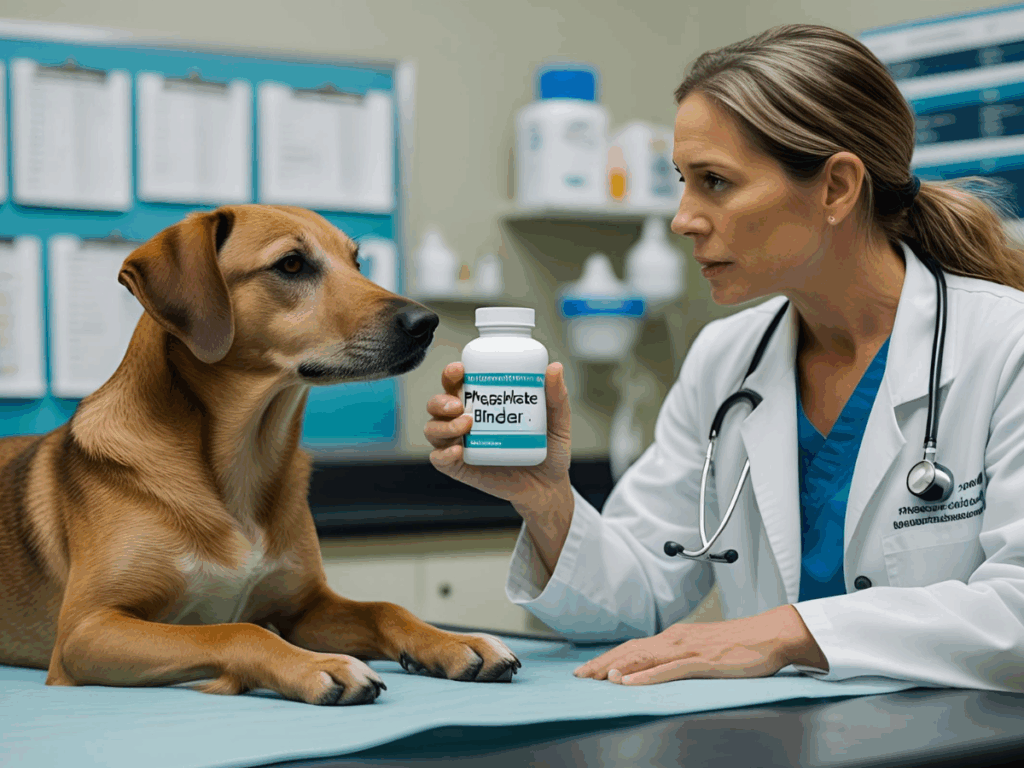
Also, phosphate binders are safe and helpful when used the right way. They must always be given with meals, not on an empty stomach. These binders work by attaching to phosphorus in your dog’s food and preventing it from being absorbed into the body. If your dog skips a meal, skip the binder too; it won’t work on its own. They come in different forms like powders, chewable tablets, and liquids, so you and your vet can choose what’s easiest for your dog to take.
Conclusion
Phosphorus in dogs matters more than many people think. It helps build bones, supports muscles, and affects kidney health. Too much or too little can cause major health issues. Luckily, it can be managed with care. Use proper food, vet help, and monitoring. Keep your dog happy and healthy by staying aware.
Worried about your dog’s phosphorus levels? Don’t wait, talk to your Vitailix today about the right diet, supplements, or tests. Your quick action can make a big difference in your dog’s health and happiness.
Phosphorus in Dogs Frequently Asked Questions
1. What is phosphorus for dogs?
Phosphorus is a mineral that helps with bones, muscles, and energy. It must stay balanced for your dog to stay healthy.
2. What causes high phosphorus in dogs?
The most common cause is kidney failure. Other causes include toxins, infections, and heart disease.
3. How do I treat high phosphorus levels in dogs?
Use fluids, a renal diet, and phosphate binders. Always ask your vet before starting treatment.
4. Can puppies have high phosphorus?
Yes, but often it’s normal due to growth. A vet can check if levels are too high.
5. What are the signs of phosphorus problems?
Watch for weakness, tiredness, vomiting, or poor appetite. Always get a blood test if you’re unsure.