Vitamins are vital organic compounds that support life. For dogs, they’re just as important as they are for humans. Dogs need them for healthy growth, strong bones, and organ function. Depending on your pet’s food quality, they may or may not get the vitamins they need. Many commercial dog foods labeled “complete and balanced” provide …

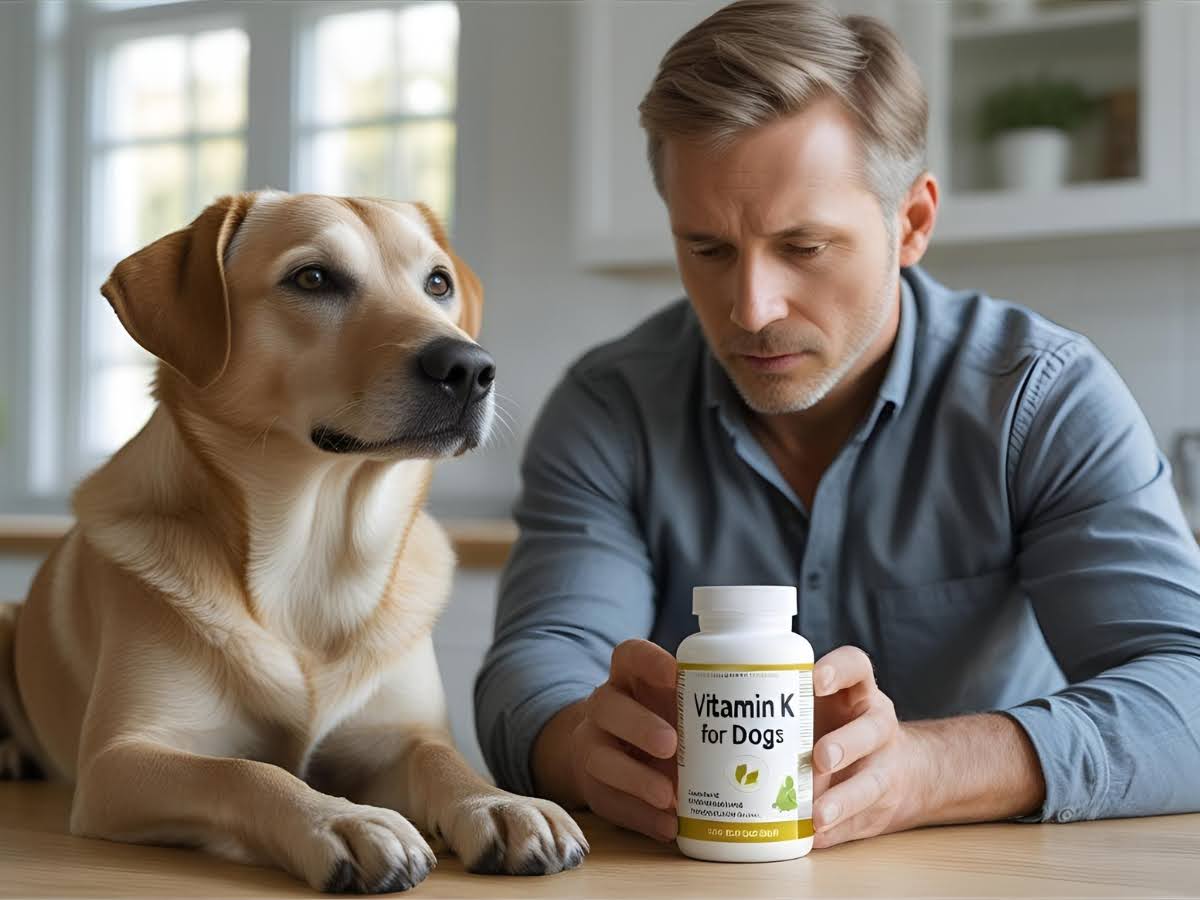
Vitamins are vital organic compounds that support life. For dogs, they’re just as important as they are for humans. Dogs need them for healthy growth, strong bones, and organ function. Depending on your pet’s food quality, they may or may not get the vitamins they need.
Many commercial dog foods labeled “complete and balanced” provide these nutrients. However, not all dogs eat the same food. Homemade diets or low-quality commercial brands can lack key vitamins, including vitamin K for dogs. In these cases, supplementing becomes essential for your pet’s well-being. In this blog, we will discuss the top reasons why vitamin K for canines deserves your attention.
What Is Vitamin K?
Vitamin K is a fat-soluble vitamin. It helps your dog’s blood clot properly by producing specific proteins involved in coagulation. This means that if your dog gets injured, vitamin K helps stop the bleeding. But that’s not all. Vitamin K also contributes to bone strength and supports liver function. While dogs typically get enough from food, certain factors can interfere with their absorption. That’s why awareness is key.
Types of Vitamin K in Your Dog’s Diet
Vitamin K is essential for your dog’s health, particularly in blood clotting, bone strength, and cellular function. It exists in three main types, each contributing differently to your dog’s well-being:
1. Vitamin K-1 (Phylloquinone)
Source & Function:
Vitamin K-1 is the natural form found in plants, especially dark leafy greens. When dogs eat foods like kale, spinach, broccoli, cabbage, and parsley, they absorb phylloquinone. This form plays a major role in producing proteins required for blood coagulation, which is the body’s way of preventing excessive bleeding after an injury.
Why It Matters for Dogs:
While dogs don’t usually consume large amounts of greens, many commercial dog foods include small quantities of plant-based ingredients that provide K-1. It’s also found in lesser-known sources like egg yolks and some types of edible algae.
2. Vitamin K-2 (Menaquinone)
Source & Function:
Unlike K-1, vitamin K-2 is synthesized internally by the beneficial bacteria in your dog’s gut. Once produced, it gets absorbed into the bloodstream through the intestinal wall. It contributes to blood clotting but also plays a bigger role in directing calcium to the bones and away from arteries, helping maintain both bone density and cardiovascular health.
Why It Matters for Dogs:
Healthy gut flora is essential for producing K-2. Dogs on long-term antibiotics or with digestive disorders may not produce enough K-2, which could lead to hidden deficiencies, especially in older dogs with declining bone health.
3. Vitamin K-3 (Menadione)
Source & Function:
Vitamin K-3 is a synthetic form often used in dog food as a cheap and stable alternative to natural K-1 or K-2. It’s added to some kibble and treats to meet vitamin requirements during processing.
Concerns with K-3:
While effective in low amounts, studies have shown that high doses of menadione can be toxic. It has been linked to liver damage, red blood cell destruction, and allergic reactions when overused. This is why many holistic or high-quality pet food brands do not use vitamin K-3.
Signs of Vitamin K Deficiency in Dogs
Vitamin K deficiency in dogs is uncommon, but when it occurs, it can be life-threatening. The main risk lies in the body’s inability to form clots, leading to internal bleeding that often goes unnoticed until it’s serious.
Watch for These Symptoms:
- Uncontrolled bleeding: Cuts that don’t stop bleeding or unusual bruising.
- Nosebleeds or bleeding gums: Without injury, this can signal clotting issues.
- Blood in urine or feces: May appear as red streaks or a tar-like appearance.
- Vomiting blood: Often indicates gastrointestinal bleeding.
- Lethargy and weakness: Blood loss reduces oxygen supply, making dogs tired.
- Frequent bone fractures: Weak bones due to calcium mismanagement (especially in older dogs).
When to See a Vet:
If your dog shows any combination of these signs—especially bleeding—you must contact a vet immediately. A vitamin K deficiency can often be reversed with proper treatment if caught early.
Causes of Vitamin K Deficiency
Understanding what leads to deficiency can help you prevent it before it starts. Here are the most common reasons dogs develop low vitamin K levels:
1. Rodenticide Poisoning (Anticoagulant Toxins)
Rodent poisons work by blocking vitamin K activity in the body, which results in internal bleeding. Dogs who ingest even small amounts of rodenticides may appear normal for days before severe symptoms appear. This is an emergency requiring high-dose vitamin K therapy.
2. Overuse of Antibiotics
Some antibiotics kill the beneficial gut bacteria responsible for making vitamin K-2. Long-term use—especially broad-spectrum antibiotics—can wipe out these microbes, leaving your dog vulnerable to bleeding or bone issues.
3. Liver Disease
The liver stores vitamin K and helps activate clotting factors. Dogs with liver disorders, including hepatitis or tumors, may have difficulty processing and using vitamin K effectively.
4. Poor or Incomplete Diets
Homemade diets that aren’t professionally formulated often lack essential nutrients, including vitamin K. Dogs on raw or home-prepared meals without supplementation are at risk of silent deficiencies.
5. Fat Malabsorption
Vitamin K is fat-soluble. Dogs with conditions like exocrine pancreatic insufficiency (EPI), inflammatory bowel disease (IBD), or chronic diarrhea may struggle to absorb fat—and therefore, vitamin K—from their diet.
How to Support Vitamin K for Canines Naturally
Feeding your dog a healthy, nutrient-rich diet is the first step. But you can also incorporate natural sources of vitamin K for dogs safely into their routine:
Food Sources Rich in Vitamin K:
- Broccoli (steamed) – High in K-1 and easy to digest when lightly cooked.
- Spinach and kale – Full of K-1 and antioxidants; always serve cooked.
- Egg yolks – Contain moderate amounts of K-1 and other fat-soluble vitamins.
- Seaweed or algae (like spirulina) – Natural source of K-1, but dosage must be controlled.
- Fermented foods – Unsweetened yogurt or kefir may support healthy gut flora (boosting K-2).
Feeding Tips:
- Start with very small portions when introducing new foods.
- Avoid raw greens, which can cause digestive issues or contain oxalates.
- Rotate between different vitamin K sources to support variety.
Is Vitamin K Safe for All Dogs?
When given in proper amounts, vitamin K is safe. However, avoid giving large doses of synthetic K-3 without vet supervision. Some studies link K-3 in high quantities to liver damage or allergic reactions. Always check ingredient labels and speak with your vet before adding new supplements. If you are a dog owner who is looking for premium dog supplements and supplies, then Vitailix has got your back.
How To Keep an Eye on Your Dog’s Health?

Your dog’s health depends on what they eat daily. Balanced nutrition ensures that essential vitamins like vitamin K for dogs are always available in the right amounts. Regular vet checkups and proper feeding routines reduce the chances of deficiencies. If you ever notice abnormal bleeding or unexplained injuries, don’t wait. It could be a sign your dog needs more vitamin K.
Conclusion
Vitamin K plays a crucial role in your dog’s health by supporting blood clotting, bone strength, and liver function. Most dogs get enough of it through their diet, especially when fed complete and balanced meals. But certain situations, like illness, poor-quality food, or homemade diets, may increase their need. When used properly, vitamin K for dogs can support a longer, healthier life full of energy and vitality.
Support your dog’s health with confidence. Choose a safe, balanced supplement that includes Vitamin K for dogs. Shop now at Vitailix and give your best friend the care they truly deserve.
Vitamin K For Dogs Frequently Asked Questions
1. What does vitamin K for dogs do?
Vitamin K helps your dog’s blood clot properly, supports strong bones, and aids liver function. It’s especially important during injury, surgery recovery, or illness.
2. Can dogs get enough vitamin K for dogs from food alone?
Yes, healthy dogs eating a high-quality commercial diet usually get enough. But dogs on homemade diets or those with certain health conditions may need supplements.
3. Is vitamin K for dogs safe for all puppies?
In proper doses, yes. Natural forms like K-1 and K-2 are generally safe. Avoid large amounts of synthetic K-3 without a vet’s advice, as it may cause side effects.
4. How do I know if my dog has a vitamin K deficiency?
Watch for signs like unusual bleeding, blood in stool or urine, bruising, or slow wound healing. Your vet can confirm with a blood test.5. Should I give my dog a vitamin K supplement daily?
Only if recommended by your vet. Most dogs don’t need daily vitamin K supplements unless they have specific medical needs or dietary gaps.