Animal Acupuncture has become a trusted method in veterinary care for promoting overall animal wellness safely and naturally. This therapeutic practice involves inserting fine, sterile needles into specific points on your pet’s body. These precise insertions aim to stimulate physiological responses, including improved circulation and nervous system regulation, that help reduce pain, support internal organ …

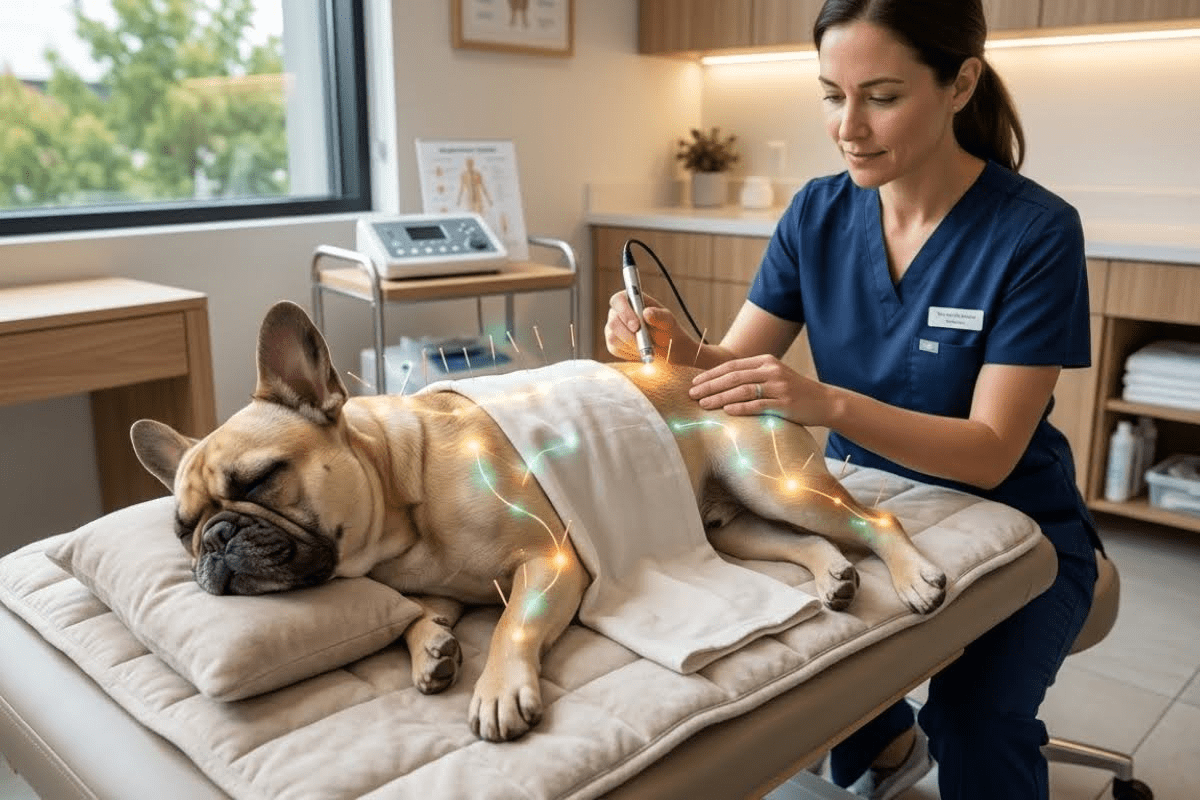
Animal Acupuncture has become a trusted method in veterinary care for promoting overall animal wellness safely and naturally. This therapeutic practice involves inserting fine, sterile needles into specific points on your pet’s body. These precise insertions aim to stimulate physiological responses, including improved circulation and nervous system regulation, that help reduce pain, support internal organ functions, and restore balance. Many pet owners now view pet acupuncture as a valuable treatment choice for chronic conditions like arthritis, anxiety, and digestive disorders. In this blog, we will explain how it works, which issues it helps, and how to begin treatment safely and effectively.
Understanding the Science Behind Animal Acupuncture
Before diving into treatment areas, it’s important to clarify how veterinary acupuncture operates. Rooted in Traditional Chinese Medicine, the concept of Qi, or life energy, flowing through meridians provides the historical framework. When Qi becomes blocked or unbalanced, discomfort or illness may result.
Modern veterinary science has confirmed that stimulating these acupuncture points can activate nerves, improve blood flow, encourage the release of endorphins, and lower inflammation. These combined effects support natural healing and overall wellness in pets.
Relief for Joint and Mobility Issues in Older Pets
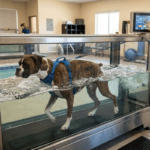
Older pets and those with previous injuries often struggle with joint pain, reduced flexibility, and decreased activity levels. Pet acupuncture can greatly support these pets by specifically targeting meridians connected to affected joints.
Enhanced blood flow helps decrease inflammation while natural pain-relieving chemicals ease stiffness. Over several sessions, many pets regain smoother movement and regain confidence in walking, climbing, and playing. This non-pharmaceutical option can reduce reliance on pain medications and improve quality of life.
Support for Neurological and Spinal Conditions
Pets with neurological issues such as intervertebral disc disease, nerve injury, or partial paralysis often face difficulty with movement and discomfort. When applied consistently, animal acupuncture stimulates specific nerve pathways and helps reduce inflammation around spinal structures.
Treatments may include electro-acupuncture, where a mild electrical pulse passes through needles, to support nerve regeneration. Through this approach, many pets show renewed limb function, improved muscle tone, and steady progression in recovery.
Enhancing Digestive Health and Organ Function
Digestive disorders have a profound impact on a pet’s appetite, comfort, and nutrient intake. In chronic cases like inflammatory bowel disease, diarrhea, or chronic vomiting, pet acupuncture targets points linked to digestive organs.
This stimulation helps regulate gut movement, calm inflammation, and support healthy nutrient absorption. Additionally, in senior pets experiencing reduced kidney or liver function, acupuncture can improve circulation to these organs, ease symptoms like fatigue or nausea, and maintain daily vitality.
Respiratory Care and Lung Health
Respiratory problems, such as feline asthma or chronic cough in dogs, can severely limit a pet’s comfort and daily life. In these cases, veterinary acupuncture supports respiratory health by targeting points connected to the lungs and airways.
This therapy helps reduce inflammation inside the bronchial passages, ease respiratory spasms, and promote more relaxed, efficient breathing. As pets begin to breathe more easily, they display clearer, calmer behavior and may require lower doses of steroid or bronchodilator medications.
Balancing Emotions and Behavior
Emotional wellness is essential to a pet’s overall quality of life. Stress, anxiety, and behavioral disturbances can arise from environmental changes, past trauma, or separation. Pet acupuncture helps regulate stress hormones such as cortisol and enhances the production of calming neurotransmitters like serotonin.
Over successive treatments, pets often exhibit improved sleep patterns, reduced hyperactivity, and better adaptation to their surroundings. For those also engaged in behavior training, the emotional stability acupuncture provides deepens progress and learning.
Care for Skin Disorders and Allergies
Allergic reactions and skin issues, such as chronic itching or hotspots, are frustrating for both pets and owners. By stimulating acupuncture points tied to the immune system and skin health, animal acupuncture helps regulate overactive responses, reduce inflammation, and support skin healing naturally. This internal approach offers a complement to topical treatments, promoting faster recovery, reduced medication use, and improved comfort over time.
Support in Complex or Multi‑System Conditions
Pets facing multi-system illnesses like cancer, autoimmune disorders, or chronic infections encounter challenges that go beyond one body system. While not curative, pet acupuncture plays a valuable role in supportive care.
The therapy helps manage pain, stimulates appetite, enhances energy, and provides emotional calm. In combination with conventional treatments, it supports pets through challenging treatment phases with dignity, comfort, and an improved daily experience.
Choosing and Starting Pet Acupuncture
Deciding to begin acupuncture involves more than just scheduling sessions. It starts with choosing a qualified veterinary acupuncturist, ideally certified by recognized organizations such as the International Veterinary Acupuncture Society (IVAS) or the American Academy of Veterinary Acupuncture (AAVA). Initial evaluations typically include a physical exam and medical history review to determine treatment points and frequency. Sessions often begin weekly or bi‑weekly, then transition to monthly maintenance as your pet’s condition improves.
What to Expect During and After Treatment
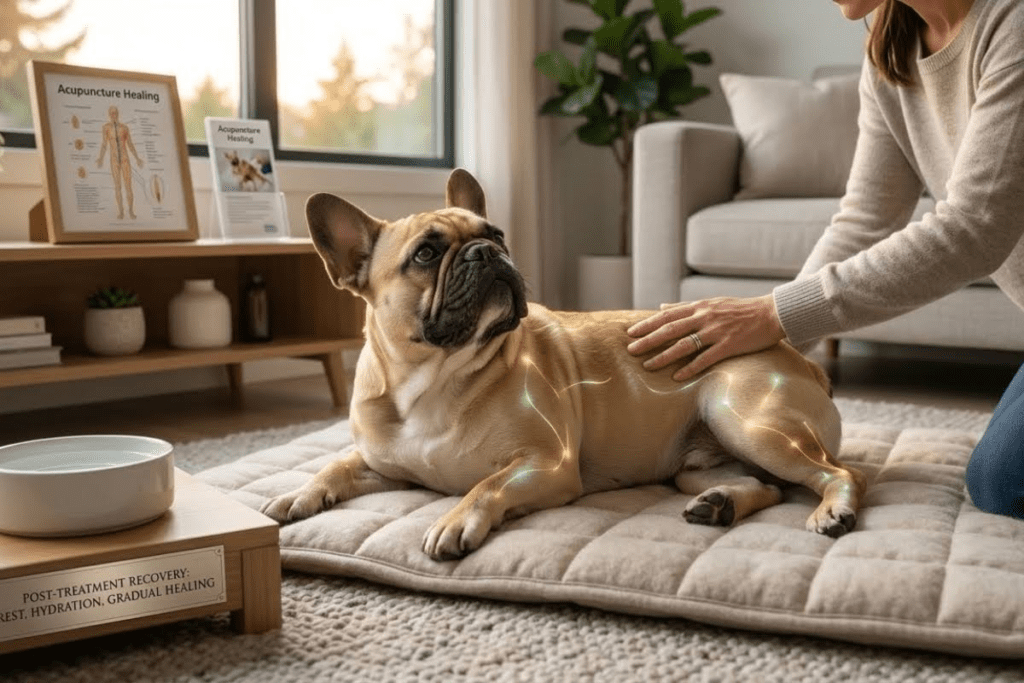
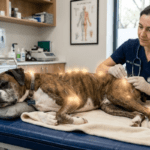
During the session, your pet will rest comfortably while the acupuncturist places fine needles at the selected points. Most pets tolerate the procedure peacefully, and some even fall asleep. After the session, common responses include increased relaxation, reduced stress, or short-term fatigue. Over time, pets may show improved movement, emotional stability, and digestion. Open communication with your vet ensures treatment plans adapt to your pet’s evolving needs.
Conclusion
Pet acupuncture is a safe and effective holistic therapy that addresses a wide variety of health concerns, from joint pain and digestive issues to stress and behavior. By integrating traditional wisdom with modern veterinary science, this natural treatment offers a gentle and drug-free route to healing and balance. When provided under the care of a certified professional, veterinary acupuncture can significantly enhance your pet’s comfort, vitality, and emotional well-being. If your companion faces chronic issues or hidden stress, consider including this approach as part of a complete wellness plan. With consistent, expert-led care, your pet can enjoy greater health and happiness.
Acupuncture Healing in Dogs Frequently Asked Questions
Can animal acupuncture replace conventional treatment?
No, it complements traditional care by reducing symptoms and supporting healing, but it is most effective when used alongside veterinary medicine.
Is animal acupuncture painful for pets?
No. The needles are extremely thin and placed with care. Most animals remain calm or relaxed during treatment.
When will I notice results?
Some pets respond quickly within a few sessions, while others may take several weeks. Results vary depending on condition and consistency.