If your dog is limping, stiff, or recovering from surgery, you know how hard it is to see them in pain. Many dogs face health issues like arthritis, injuries, or weight problems. They stop running, avoid stairs, or struggle to stand. You want to help. But regular walks might be too painful. Surgery might not …

If your dog is limping, stiff, or recovering from surgery, you know how hard it is to see them in pain. Many dogs face health issues like arthritis, injuries, or weight problems. They stop running, avoid stairs, or struggle to stand. You want to help. But regular walks might be too painful. Surgery might not be enough. Medications alone can’t rebuild strength. That’s where canine underwater treadmill therapy comes in handy.
This gentle rehab method helps dogs move safely, without putting pressure on sore joints. It’s proven to work, and many vets now recommend it as a key part of healing. Let’s explore how it works, what it does, and why it might be the solution your dog needs.
What Is Canine Underwater Treadmill Therapy?
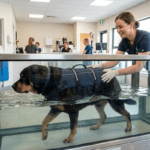
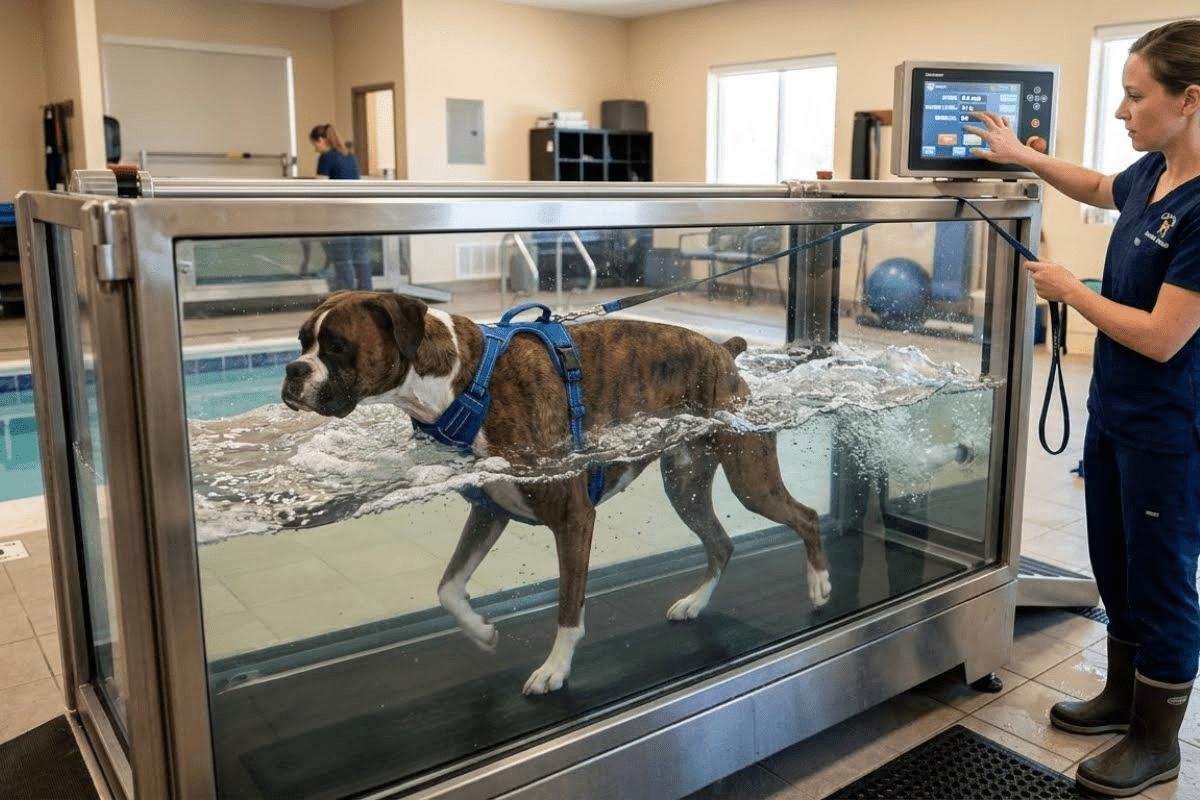
Canine underwater treadmill therapy is a special kind of hydrotherapy used by veterinarians and physical therapists to help dogs heal. It involves a treadmill set inside a water tank, where your dog walks while water supports their body. The water’s height, temperature, and resistance are adjusted based on your dog’s needs.
This method is gentle, safe, and effective. Dogs recovering from surgery, dealing with joint pain, or managing their weight all benefit from this low-impact treatment. Many animal clinics and specialty centers offer this service under the label Underwater-Treadmill-For-Pets. It has become one of the most trusted tools used by a certified rehab vet to support long-term healing.
How Underwater Treadmill Therapy Works Step-by-Step
This therapy may sound high-tech, but it’s easy to understand. It works because of water’s natural healing powers.
The first step involves helping your dog into a clear tank where the treadmill is located. Most dogs are guided in gently and may wear a soft harness for extra support. Once inside, the tank fills slowly with warm or cool water until it reaches a safe level. This water level is carefully chosen to help your dog feel comfortable and reduce stress on their joints.
As your dog begins walking on the treadmill, the buoyancy of the water takes some of the weight off their legs. This allows movement without pressure, which is perfect for sore muscles or recovering bones. While walking, they also push against the water’s resistance. This builds strength, tones muscles, and helps improve balance. Each session is monitored by a trained therapist or rehabvet. The therapist adjusts speed, water height, and treadmill incline depending on how your dog responds. Sessions usually begin at 10–15 minutes and may increase over time.
Why Water Helps More Than Land-Based Therapy
Water therapy offers healing benefits that land-based exercise can’t match. The first advantage is buoyancy. In water, dogs feel lighter. Their joints don’t carry their full body weight, which means they can walk, trot, or stand without added pain. This is especially important for dogs with arthritis, hip dysplasia, or post-surgery conditions.
Another key benefit is natural resistance. Water pushes back against the body as it moves, which helps dogs build muscles gently. This strengthens the body without needing heavy weights or fast movement. For dogs with weak legs or balance issues, it’s a safe way to get stronger without risk.
Finally, there’s temperature control. Warm water helps ease stiff muscles and improves blood flow. This reduces pain and speeds healing. In some cases, cooler water may be used to help decrease swelling or inflammation. Either way, the temperature is always chosen based on your dog’s needs.
Which Dogs Can Benefit from This Therapy?
Canine underwater treadmill therapy is used to treat many conditions, and it’s suitable for dogs of all sizes, ages, and breeds. For example, dogs who’ve had surgery—like ligament repair, spine operations, or joint replacement—often need rehab afterward. If they rest too long, they lose muscle and become stiff. But if they move too soon, they risk injury. Water therapy solves this problem by allowing gentle movement early in recovery.
Dogs with arthritis also benefit greatly. As they age, joints become inflamed and painful. Walking becomes hard, and everyday movement slows down. In water, they can move freely again. The therapy helps them gain back strength and flexibility, and many senior dogs regain energy and happiness.
Overweight dogs also find this therapy useful. Carrying extra pounds puts stress on hips, knees, and backs. But high-impact activities like running or jumping can do more harm than good. In an underwater treadmill, these dogs can move, burn calories, and shed pounds without harming their joints.
Dogs who have experienced muscle loss from illness or long-term rest also benefit. Water walking helps rebuild those muscles. It also improves balance and posture. Dogs with neurological conditions, like spinal injuries or nerve problems, often struggle with coordination. Walking in water helps them move more naturally and safely. Even puppies with developmental issues or birth injuries can use this therapy to build healthy muscle and joint function early in life.
What You’ll Notice After a Few Sessions
Every dog is different, but most show visible progress within a few weeks of regular sessions. Some dogs begin walking more smoothly or standing up faster. Others start to climb stairs again or jump into the car with less hesitation. As therapy continues, you may notice more playful behavior and higher energy levels.
Owners of arthritic dogs often say their pets seem more comfortable and sleep better at night. Some dogs even lose weight and build lean muscle, which makes daily life easier. Mood also improves. Dogs who were once anxious or depressed because of pain or immobility become happier and more relaxed. Many owners report their dogs acting more like their old selves again.
What Happens After Each Therapy Session?
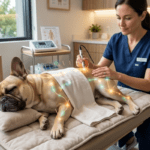
After therapy, your dog will be dried off and allowed to rest. Some dogs are tired, while others seem more alert. It’s common for dogs to sleep well after their sessions due to both the workout and the warm water’s relaxing effect.
At home, you might notice your dog moving better that same day. Some dogs may feel sore at first, but that usually goes away quickly as they get used to the therapy. The therapist might suggest simple exercises to do at home between sessions. These could include short walks, gentle stretches, or games that encourage movement. Following these instructions will help your dog keep improving.
Is Canine Water Therapy Safe for Every Dog?
For most dogs, the therapy is very safe. The process is always done under supervision, and adjustments are made depending on your dog’s comfort and condition. However, not every dog is a candidate. Dogs with open wounds or infections shouldn’t enter the water until they heal.
Dogs with heart conditions or breathing issues may also need clearance from their vet before starting. Some dogs who panic in water may struggle at first, but many adjust with time and support. Therapists often use treats, calm voices, and patient handling to help dogs feel safe. If your dog has had bad experiences with water, let the team know in advance.
How to Pick the Right Therapy Center
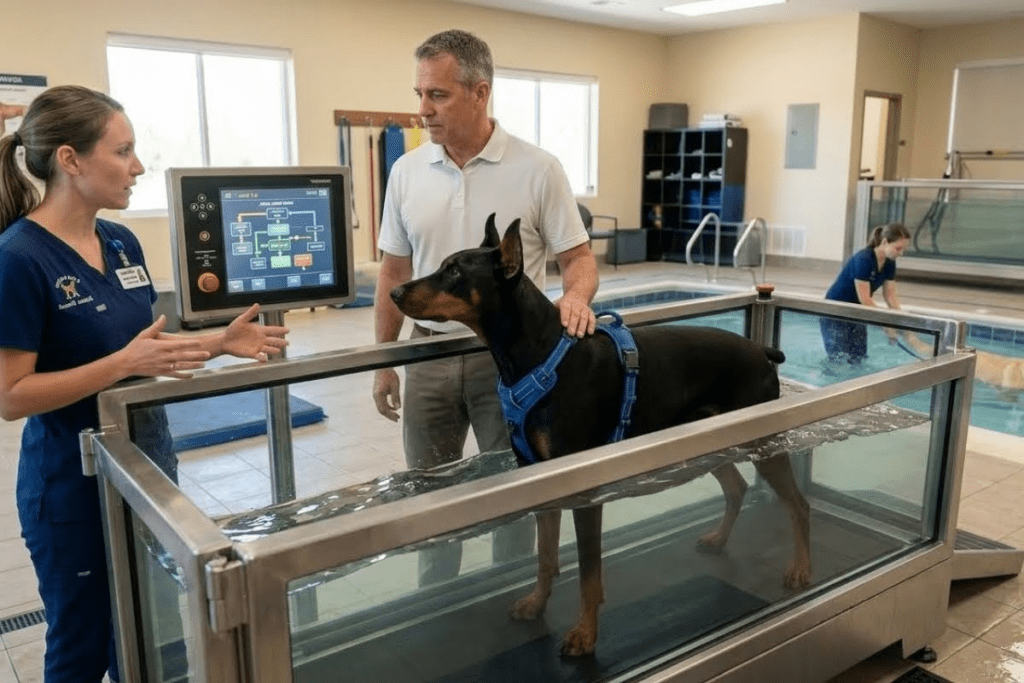
Choosing the right provider is just as important as the therapy itself. Start by asking your vet for a referral. Look for a center with a certified rehabvet or veterinary physical therapist on staff. Visit the clinic if you can. Watch how they treat dogs and how clean the equipment is. The water in the tank should be filtered and changed regularly. Staff should explain their process and answer your questions clearly. A good clinic will build a custom plan based on your dog’s age, health, and goals. They’ll track progress and update you along the way.
Support Healing at Home, Too
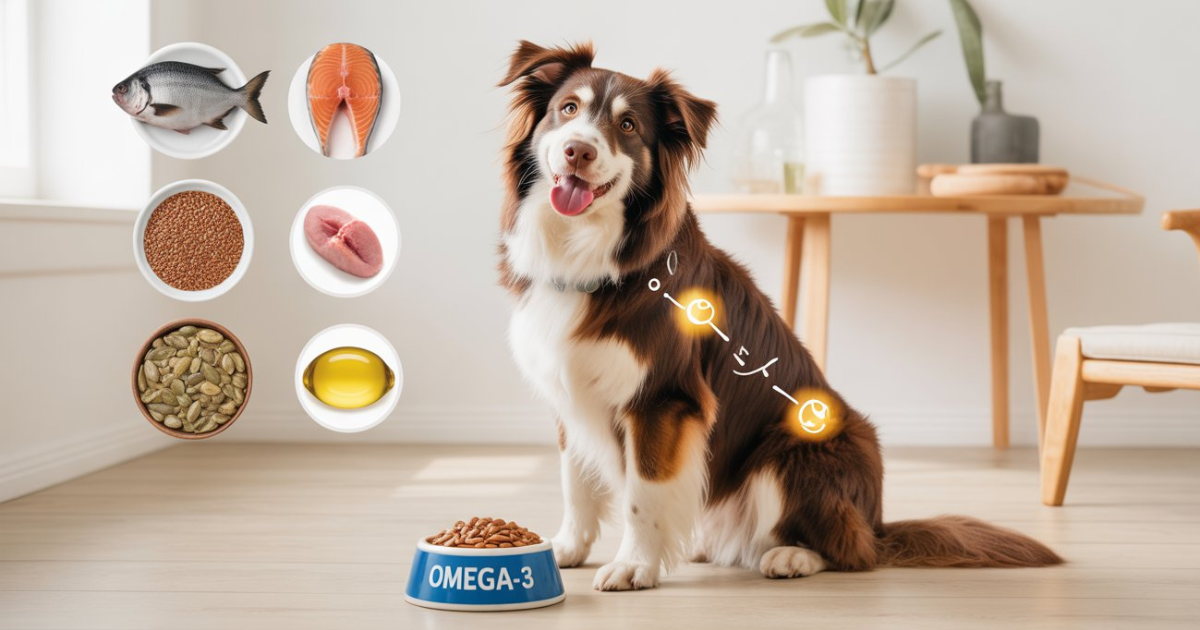
Even with great therapy sessions, your dog’s healing doesn’t stop at the clinic. At home, make sure your dog eats a balanced diet to support weight and muscle recovery. Use rugs or ramps to protect joints from slippery floors and stairs. Set up a calm, quiet space where your dog can rest after each session. Stick to a routine and follow all instructions from your therapy team. Recovery takes time, but consistency brings results.
Final Thoughts
Canine therapy offers a safe, low-impact way to help dogs recover from injury, surgery, or illness. It helps them walk again without pain, rebuild strength, and stay mentally healthy. Whether your dog is young or old, big or small, this therapy supports long-term wellness. From arthritis to post-surgery recovery to weight control, it’s one of the most trusted tools used in modern dog rehab..
If your dog is struggling to move, play, or stay active, don’t wait for things to get worse.
Ask your vet today about canine underwater treadmill therapy and whether it’s the right step for your pet. Visit Vitailix now for expert support on your dog’s wellness journey.
Underwater Treadmill Therapy Frequently Asked Questions
1. How soon after surgery can my dog begin underwater treadmill therapy?
Usually within 1–2 weeks, but your vet will decide based on the type of surgery and healing progress.
2. Will my dog need to know how to swim for this therapy?
No swimming skills are needed; your dog walks, not swims, and is fully supported during each session.
3. How many sessions will my dog need to see results?
Some dogs improve in a few sessions, while others may need weeks, depending on their condition and goals.
4. Can puppies or small breeds use an underwater treadmill safely?
Yes, the therapy is safe and fully adjustable for puppies, seniors, and dogs of all sizes or health needs.
5. Is this therapy covered by pet insurance?
Many plans do cover it, especially for post-surgery rehab. Check with your provider or clinic for details.