Keeping your dog healthy and thriving means more than just daily walks and mealtimes. The right supplements can make a significant difference. One important yet often overlooked nutrient is folic acid for canines. Known for its vital role in human health, folic acid also provides a range of benefits for canine wellness. It plays a …


Keeping your dog healthy and thriving means more than just daily walks and mealtimes. The right supplements can make a significant difference. One important yet often overlooked nutrient is folic acid for canines. Known for its vital role in human health, folic acid also provides a range of benefits for canine wellness.
It plays a key role in red blood cell production, supports healthy fetal development in pregnant dogs, and aids in proper brain and immune function. Whether your dog is young, aging, or expecting puppies, this vitamin B can offer crucial support when used correctly. In this blog, you will learn some of the key benefits of folic acid for dogs and how it promotes your dog’s health.
What Is Folic Acid?
Folic acid, also called vitamin B9, is a water-soluble vitamin B essential for growth and development. In dogs, it helps form red blood cells and supports normal tissue and cellular functions. This vitamin is especially crucial during pregnancy, but also contributes to everyday wellness in non-pregnant dogs. Folic acid for dogs supports their cardiovascular health, promotes a healthy nervous system, and may help reduce the risk of several chronic conditions. Without enough folic acid, your dog’s body may struggle with basic cellular functions.
Why Folic Acid Is Important for Dogs?

Dogs need folic acid to support metabolic processes, especially the metabolism of amino acids. This directly affects their ability to build and repair tissues. It also keeps their cell membranes strong. When folic acid levels drop too low, your dog may experience weakness, digestive problems, or even anemia. This vitamin is also helpful in reducing inflammation and may support mental health, making it a valuable addition to any wellness routine.
Is your dog getting the right nutrition and care they deserve? Just like humans, dogs need proper support to stay healthy, active, and happy. From joint support to skin health, small changes can make a big difference. That’s why we recommend checking out Vitailix, a trusted source for premium dog supplements and wellness products. It’s a great step toward ensuring your furry friend lives their healthiest life.
Top Benefits of Folic Acid for Dogs
1. Supports Red Blood Cell Production
Folic acid helps your dog’s body make red blood cells, which carry oxygen throughout the body. Without enough of it, dogs may become anemic, leading to weakness, tiredness, and pale gums. This vitamin supports healthy energy levels and overall wellness.
2. Encourages Healthy Growth in Puppies
Folic acid supports DNA formation, which is key for brain and spinal cord development in puppies. It’s especially important during pregnancy to help prevent birth defects and ensure proper growth before and after birth.
3. Promotes Healthy Digestion
Dogs with stomach issues may not absorb folic acid well from food. Low levels can affect energy and gut health. Supplementing with folic acid supports the gut lining and helps improve nutrient absorption.
4. May Improve Mood and Mental Function
Folic acid helps the brain make chemicals that affect mood and memory. It may calm anxious dogs and support brain function in older pets. While not a cure, it’s helpful for emotional balance.
5. Maintains Heart and Artery Health
Folic acid helps lower homocysteine levels, which can harm blood vessels. Keeping these levels low supports healthy circulation and may reduce the risk of heart problems in dogs over time.
Natural Sources of Folic Acid
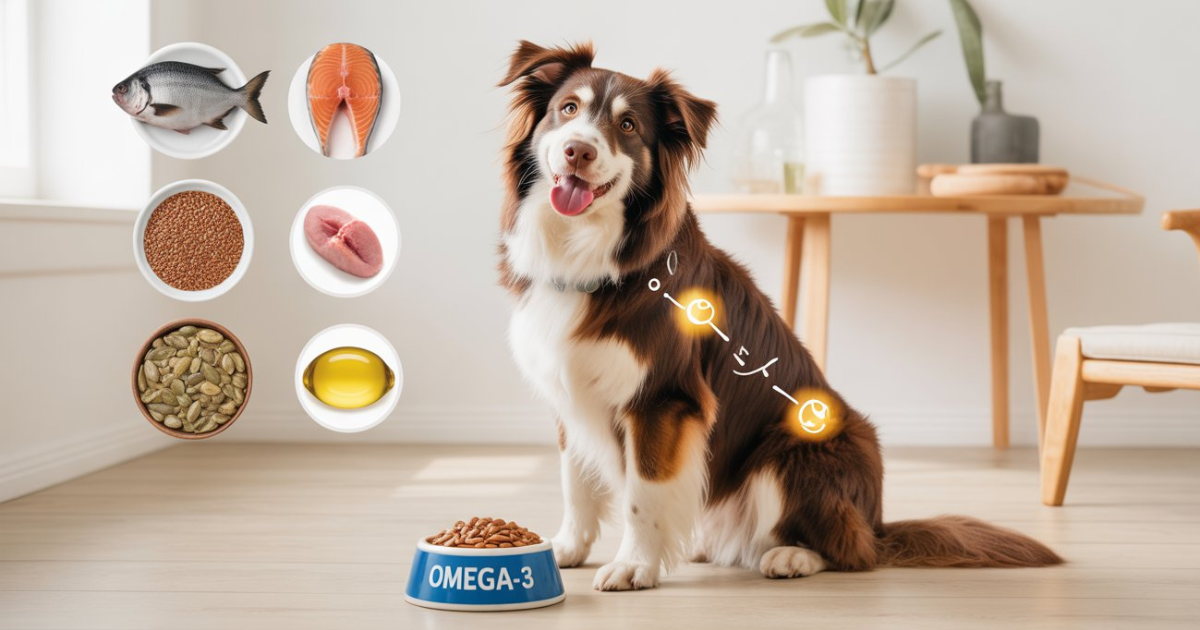
While supplements are useful, it’s also a great idea to include natural sources of folic acid in your dog’s regular diet. Foods rich in folic acid include brewer’s yeast, eggs, dry beans, lentils, barley, salmon, brown rice, tuna, mushrooms, asparagus, broccoli, spinach, peas, and peanuts. These wholesome ingredients offer a natural boost of essential nutrients and can be safely incorporated into homemade dog meals or used as healthy, occasional treats. Including these foods not only supports your dog’s folic acid intake but also adds variety and nutrition to their overall diet.
When Dogs Might Need More Folic Acid
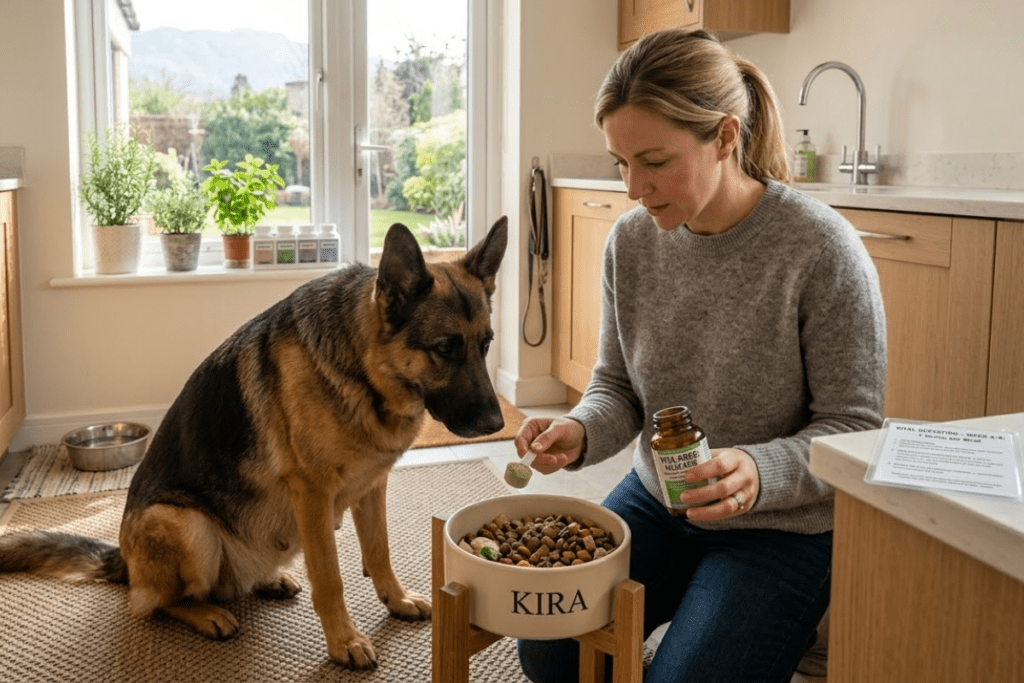
Some dogs require more folic acid than others. Older dogs, pregnant dogs, or those with gastrointestinal issues are at higher risk for deficiency. If your dog is experiencing symptoms like fatigue, poor appetite, or gastrointestinal problems, consult your vet. They may recommend a folic acid supplement.
Supplements and Dosage
Folic acid works best when paired with vitamin B12. Many veterinarians recommend a B-complex supplement instead of folic acid alone. This ensures your dog gets a balanced dose of all essential B vitamins. Because vitamin B is sensitive to heat and storage conditions, processed pet food may not always contain reliable amounts. For this reason, a high-quality multivitamin or superfood supplement may be needed. Always follow the dosage instructions from your vet, especially when dealing with a deficiency.
Folic Acid for Dogs
Not all supplements are created equal. Look for reputable brands that include folic acid in combination with other B vitamins. Ensure the product is specifically made for dogs and contains no artificial additives. Before starting a new supplement, have your vet check your dog’s current vitamin levels. Over-supplementing can be harmful, just like deficiencies.
Using folic acid for dogs as part of their daily routine can support long-term wellness. It not only helps with red blood cell production but also supports brain, heart, and digestive health. If your dog is aging, recovering from illness, or facing any digestive challenges, folic acid may be especially beneficial. Proper nutrition helps dogs live longer, healthier lives. Adding folic acid can be a smart and natural way to support that goal.
Conclusion
Folic acid plays a critical role in your dog’s daily health. From supporting cell growth to aiding in digestion and heart function, it’s one of the key nutrients dogs need for overall wellness. A balanced B-complex vitamin with folic acid can help prevent deficiencies and support your dog’s health at every stage of life.
Ready to Boost Your Dog’s Health the Smart Way? Support their energy, digestion, and heart with the right folic acid routine. Shop trusted, vet-approved supplements at Vitailix and give your dog the daily wellness they deserve. Start today, because a healthier pup begins with smarter care.
Folic Acid For Dogs Frequently Asked Questions
1. Why folic acid for dogs?
Folic acid for dogs aids red blood cell formation, supports brain and heart health, and is vital for fetal development in pregnant dogs.
2. How can I tell if my dog is low in folic acid?
Signs include fatigue, poor appetite, pale gums, or digestive upset. A vet exam and blood test confirm the deficiency.
3. What’s the safest way to add folic acid to my dog’s diet?
Use a vet‑approved B‑complex supplement or folic‑acid‑rich foods (spinach, salmon, eggs). Always follow your vet’s dosage advice.
4. Can dogs get too much folic acid?
Yes. Over‑supplementing may cause digestive issues or mask other vitamin imbalances. Stick to vet‑recommended amounts.
5. Which dogs benefit most from folic acid supplements?
Pregnant or senior dogs, those with GI disorders, and pets on long‑term medications that deplete B‑vitamins often need extra support.