Joint problems are common in dogs, especially as they age or after years of high activity. If your furry friend is slowing down, struggling to get up, or showing signs of pain during walks, it may be time to consider dog supplements for joints. These supplements are designed to support mobility, reduce stiffness, and ease …

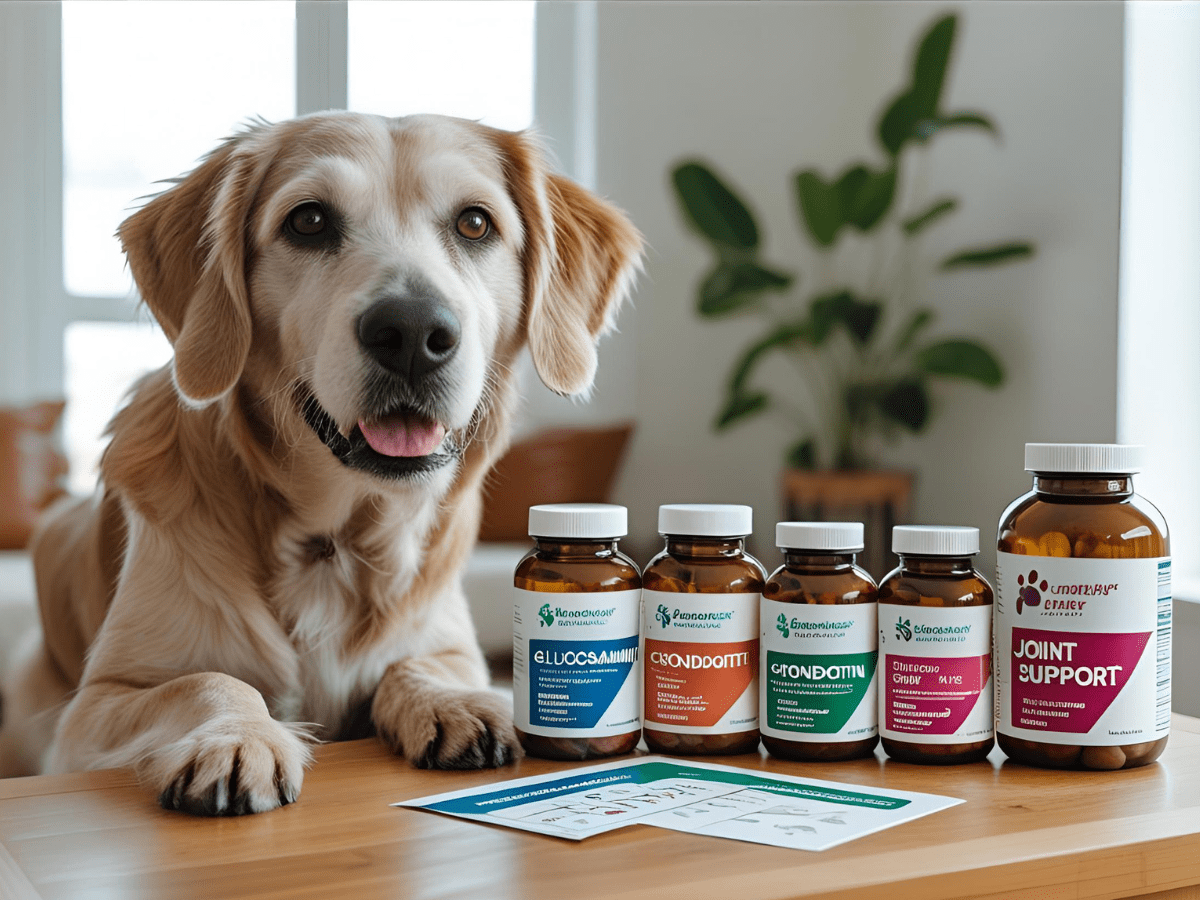
Joint problems are common in dogs, especially as they age or after years of high activity. If your furry friend is slowing down, struggling to get up, or showing signs of pain during walks, it may be time to consider dog supplements for joints. These supplements are designed to support mobility, reduce stiffness, and ease discomfort. With countless options on the market, selecting the right one can be challenging. This guide will walk you through everything you need to know to make an informed decision for your pet’s health.
Why Do Dogs Need Joint Supplements?
Dogs rely on healthy joints to enjoy everyday activities like walking, running, and playing. Over time, cartilage breaks down, and conditions like arthritis or hip dysplasia may develop. While these issues are more common in senior dogs, active or large-breed dogs are also at risk.
That’s where dog supplements for joints come in. These dietary additives provide key nutrients that help protect and support joint function, reduce inflammation, and improve your dog’s comfort and quality of life.
Signs Your Dog Might Need Joint Support
Understanding the signs of joint issues can help you act early. Look out for:
- Limping or stiffness
- Difficulty getting up or lying down
- Reluctance to climb stairs
- Reduced activity or playfulness
- Swollen or sensitive joints
If you notice any of these symptoms, speak with your veterinarian. Joint supplements may help relieve discomfort and slow the progression of joint disease.
What to Look for in Dog Supplements for Joints
Not all supplements are created equal. Here are the key ingredients that truly matter:
Glucosamine: The Most Trusted Joint Supplement
Glucosamine is a natural compound found in cartilage. It is one of the most researched and widely recommended supplements for dog joints. Often paired with chondroitin, it helps rebuild cartilage and reduce inflammation. Many dog foods now include glucosamine, but therapeutic doses are usually found in supplements. It’s often prescribed to dogs with arthritis, hip dysplasia, or general joint stiffness.
Chondroitin: Works Best with Glucosamine
Chondroitin helps prevent cartilage breakdown and promotes water retention in joints. It works best when combined with glucosamine. Together, they improve joint mobility and reduce pain over time.
Fish Oil: Natural Inflammation Fighter
Fish oil is rich in omega-3 fatty acids, especially EPA and DHA, which are known for their anti-inflammatory properties. Adding fish oil to your dog’s diet can improve joint flexibility and reduce stiffness. Some studies show omega-3s also help manage pain from arthritis, making them a great addition to your supplement plan.
Omega-3 Fatty Acids: For Brain and Joint Health
Besides supporting cognitive function, omega-3 fatty acids are effective at fighting chronic inflammation. They help balance the overconsumption of omega-6s, often found in commercial dog food. Algae-based omega-3s are an alternative to fish oil and stay fresh longer, making them ideal for sensitive pets.
Antioxidants: Supporting Aging Dogs
Free radicals can damage joint tissues, speeding up wear and tear. Antioxidants protect against this damage by neutralizing harmful molecules.
Coenzyme Q10 (CoQ10) is one of the most effective antioxidants and supports energy production at the cellular level. It’s a smart choice for senior dogs or those with heart conditions.
Probiotics: For a Healthy Gut and Better Absorption
A healthy digestive system helps your dog absorb nutrients effectively. Probiotics support gut health, and some studies suggest they may also reduce systemic inflammation, including in joints. They come in powders, chews, capsules, and even in some dog foods.
How to Choose the Right Product
When shopping for dog supplements for joints, consider the following:
- Veterinary approval: Choose products recommended or approved by vets.
- Ingredient transparency: Look for clearly listed active ingredients and dosages.
- No unnecessary fillers: Avoid artificial flavors, colors, or preservatives.
- Third-party testing: Trust brands that test for purity and potency.
- Form: Pick what your dog will eat—chews, capsules, powders, or liquids.
Best Practices for Giving Joint Supplements
- Start early: Don’t wait until your dog shows signs of pain.
- Stick to a routine: Give supplements consistently as directed.
- Monitor for side effects: Look for signs like vomiting, diarrhea, or loss of appetite.
- Combine with exercise: Gentle movement can help strengthen muscles and support joints.
- Follow up: Regular vet checkups ensure the supplement is working as expected.
Best Dog Supplements for Joints (Top Picks)

Here are some commonly recommended and effective options:
- Nutramax Dasuquin – Combines glucosamine, chondroitin, and MSM
- Zesty Paws Mobility Bites – Tasty chews with natural anti-inflammatories
- VetriScience GlycoFlex Plus – Vet-formulated with green-lipped mussels
- Nordic Naturals Omega-3 Pet – High-quality fish oil for daily joint support
Each dog is different, so consult your vet before choosing a specific product.
Maintaining Joint Health Long-Term
Supporting joint health isn’t just about supplements. A holistic approach can make a big difference. Feed a balanced diet, maintain a healthy weight, provide low-impact exercise, and avoid overexertion. With the right combination of care, diet, and supplements for dog joints, your dog can enjoy many active, pain-free years. Looking for premium dog supplements? Visit our website to learn more about us.
Conclusion
Choosing the best dog supplements for joints is a critical step in supporting your pet’s long-term mobility and comfort. With the right ingredients like glucosamine, omega-3, and antioxidants, you can help your dog move better and feel happier. Always talk to your vet before starting a new supplement, and choose high-quality, well-reviewed products. Investing in your dog’s joint health today means more tail wags, longer walks, and better quality of life tomorrow.
Don’t wait, support your dog’s digestion with high-quality digestive enzymes from Vitailix. Give your pup a healthier gut and happier mealtime, naturally!
Joint Supplements for Dogs Frequently Asked Questions
1. At what age should I start my dog on joint supplements?
Start as early as 1 year old for large breeds or active dogs. Most supplements are safe long-term.
2. How long do joint supplements for dogs take to work?
Most take 4 to 6 weeks to show results, though some dogs may respond sooner.
3. Can I give human joint supplements to my dog?
No. Always choose supplements specifically formulated for dogs to ensure safety and proper dosage.
4. Are there side effects from joint supplements for dogs?
Mild side effects may include digestive upset. Stop use and consult your vet if symptoms persist.
5. Do joint supplements for dogs replace pain medications?
They may reduce the need for medication, but they are not a substitute for vet-prescribed pain relief when necessary.