Every dog owner hopes to keep their pet healthy and content. Good nutrition is a key part of that. One vital nutrient is Vitamin E for Dogs, which is commonly found in both foods and supplements. Lacking it can cause serious health problems, including skin issues, muscle weakness, or a weakened immune system. This powerful …

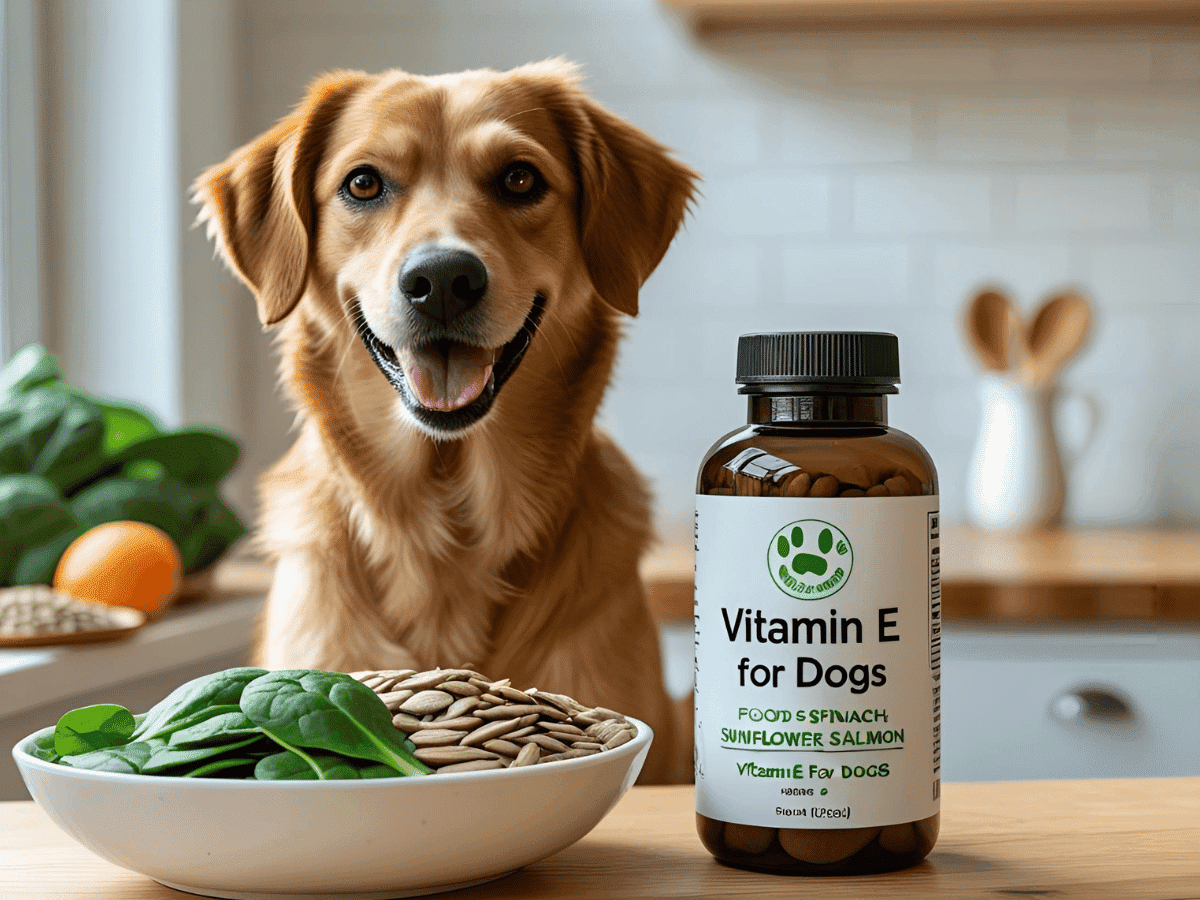
Every dog owner hopes to keep their pet healthy and content. Good nutrition is a key part of that. One vital nutrient is Vitamin E for Dogs, which is commonly found in both foods and supplements. Lacking it can cause serious health problems, including skin issues, muscle weakness, or a weakened immune system. This powerful antioxidant plays a key role in protecting your dog’s cells from damage. In this post, you’ll learn why this vitamin matters, how to include it in your dog’s diet, and when you should consider supplements to support their overall well-being.
What Is Vitamin E?
Vitamins are organic compounds necessary for life, naturally present in many foods. All animals, including dogs, need vitamins to grow and function properly. Vitamin E is a fat-soluble antioxidant that protects cells from damage caused by free radicals. It supports heart health, strengthens the immune system, and plays a key role in keeping your dog’s skin and coat healthy.
While many commercial dog foods contain some vitamin E, the amount may not always be enough, especially for active dogs, aging pets, or those with health conditions. If your dog isn’t getting enough Vitamin E, you might see issues like poor muscle tone, dry or itchy skin, and lowered resistance to illness.
Why Vitamin E Matters for Dogs
Vitamin E isn’t just another nutrient—it’s essential for your dog’s long-term health. It helps maintain a strong immune system, supports muscle and nerve function, and plays a key role in cell repair and healing. Dogs that lack enough vitamin E may struggle with skin conditions, vision problems, or weakened muscles. This vitamin also works alongside other nutrients like vitamin C and omega-3 fatty acids to reduce inflammation and protect your pet from disease. Ensuring your dog gets enough vitamin E can lead to a shinier coat, better energy, and stronger natural defenses against illness.
Cell Protection and Antioxidant Support
Vitamin E acts as a powerful antioxidant. It aids in protecting cell membranes from harm brought on by free radicals. This protection is key for organs like the heart, liver, muscles, and nerves. Without it, cell damage can create serious concerns.
Immune System Booster
This vitamin strengthens the immune system. It also improves absorption of other fat-soluble vitamins, like A, D, and K. Especially in winter, when skin can dry out and immunity dips, Vitamin E for Dogs helps support overall health.
Skin, Coat, and Joint Health
Additionally, vitamin E promotes healthy joints, skin, and coats in dogs. It maintains skin elasticity and helps manage common conditions like dermatitis, hot spots, and dandruff. This makes it a common ingredient in shampoos for flaky skin. It also helps maintain flexible feet, pads, and muscles, promoting easier movement.
Heart and Muscle Support
Studies have connected this vitamin to heart and muscle health.. It aids in the proper development of muscles in puppies and supports cardiac function in adult dogs. That makes Vitamin E especially valuable in growing pets.
Diabetes in Dogs
Dogs with diabetes may benefit from Vitamin E. Studies have shown that it can help regulate blood sugar levels. It also supports insulin efficiency, potentially reducing the amount of insulin needed. Talk to your vet before using supplements as part of a diabetes management plan.
Natural Food Sources of Vitamin E
Before reaching for supplements, look at whole food sources of Vitamin E:
1. Oily Fish
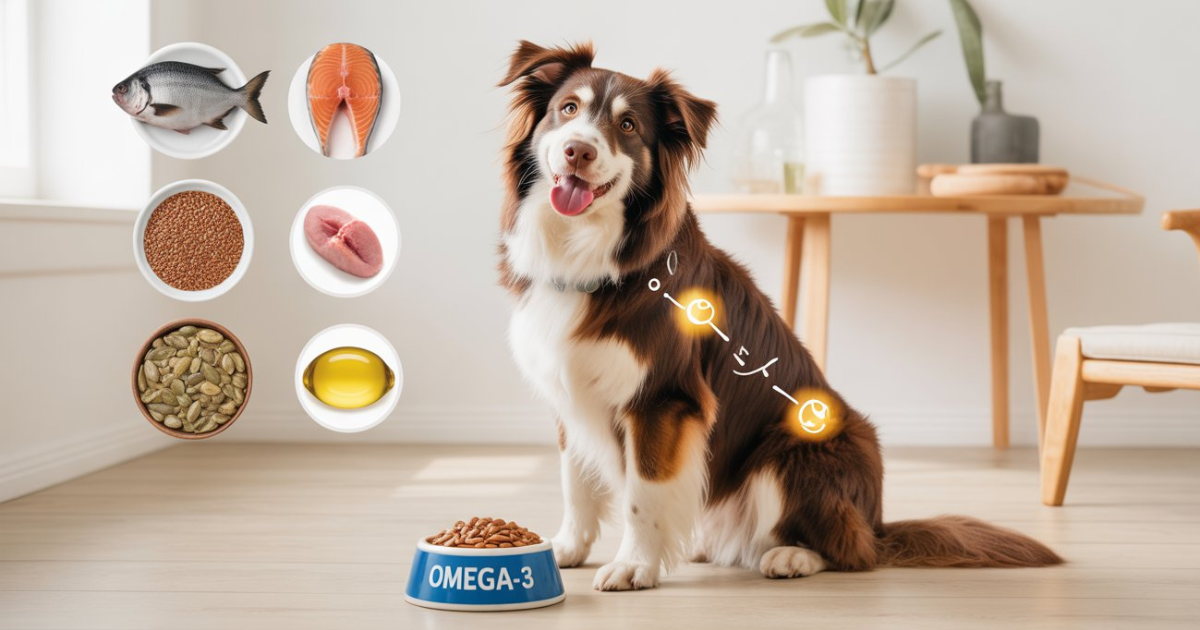
Salmon, halibut, sardines, rainbow trout, herring, and mackerel are excellent natural sources of Vitamin E. These fish also provide beneficial omega‑3 fatty acids, which promote skin, coat, and joint health.
2. Organ Meats
Liver, kidneys, spleen, heart, brain, and tongue are concentrated sources of Vitamin E and other nutrients. Beef liver and kidneys, for example, supply small but meaningful amounts of Vitamin E.
3. Plant-Based Foods
- Leafy greens: Spinach, turnip greens, broccoli, and Swiss chard contain moderate levels of Vitamin E.
- Seeds and Oils: Flaxseed, sunflower seeds, wheat germ oil, safflower oil, and soybean oil are rich in Vitamin E and healthy fats. Use in small amounts due to their high-calorie density.
- Nuts (offered carefully): Almonds and hazelnuts contain Vitamin E, but should be served ground and in moderation to avoid choking hazards and excess fat.
4. Additional Whole Foods
Various fruits and vegetables contribute antioxidants and smaller amounts of Vitamin E, such as bell peppers, butternut squash, mango, blackberries, and blueberries. Mixing these foods into your dog’s diet can help maintain healthy vitamin E levels without using supplements.
When to Use Vitamin E Supplements
Even with a balanced diet, some dogs may need more Vitamin E. Consider supplements in these cases:
Diagnosed Deficiency
If your veterinarian detects low levels of vitamin E in your dog’s blood tests, supplementation can help restore healthy levels. This support protects vital organs such as the heart, liver, muscles, and nervous system from further damage. Serious health issues can be avoided with early intervention.
Skin and Coat Problems
Dogs suffering from chronic dry skin, persistent itching, or flaky patches often benefit from added vitamin E. This nutrient improves skin elasticity and hydration. It can reduce inflammation and soothe irritation. Many pet owners see noticeable improvements in their dog’s coat shine and softness after starting supplementation.
Arthritis or Joint Issues
Joint stiffness and arthritis are common in aging dogs or those with active lifestyles. Vitamin E helps maintain muscle and ligament elasticity. This support can lessen discomfort and increase joint mobility. While it won’t cure arthritis, it can be a helpful part of an overall management plan.
Age-Related Decline
As dogs age, their immune system weakens, and their skin becomes less resilient. Supplementing with vitamin E supports immune function and helps keep skin healthy and elastic. Older dogs may experience fewer infections and better wound healing with the extra vitamin E.
Support for Diabetic Dogs
Studies show that vitamin E supplements might help diabetic dogs respond better to insulin. This means better blood sugar control and possibly lower insulin doses. However, always consult your vet before adding supplements to a diabetic dog’s treatment plan to avoid complications. Remember, supplements should always be guided by a vet. High doses can cause side effects, including slowed clotting or intestinal upset.
How to Choose a Quality Supplement
- Look for natural forms such as d-alpha-tocopherol. This form is more bioavailable than synthetic versions (like dl-alpha-tocopherol), meaning your dog can absorb and utilize it more effectively. Natural sources also tend to come with fewer unwanted chemical residues, making them safer for long-term use.
- Verify dosage guidance, ideally vet-approved.
Dogs of different sizes and health conditions require different dosages. Too much Vitamin E can be harmful, so consult your vet to determine the appropriate amount for your pet’s needs.
Some breeds or conditions (like skin allergies or arthritis) may benefit from slightly adjusted doses. - Check for added nutrients, like A, D, or K, that aid Vitamin E’s function.
These fat-soluble vitamins often work synergistically. A balanced combination can enhance antioxidant benefits and support immune, skin, and joint health.
However, be cautious—too much of any fat-soluble vitamin can lead to toxicity if not properly balanced. - Avoid harmful additives and artificial fillers.
Common additives like BHA, BHT, or unnecessary coloring agents may cause allergic reactions or digestive issues. Look for clean, minimal-ingredient formulas.
Opting for products labeled “all-natural” or “human-grade” can offer added peace of mind. - Monitor your dog for changes in behavior, appetite, or digestion after starting supplementation.
Improvements in coat shine or energy may occur, but also watch for any adverse effects like lethargy, vomiting, or itching, and discontinue use if any concerns arise.
Keeping a journal of symptoms or changes can help your vet assess how well the supplement is working.
How Much Vitamin E Does a Dog Need?
Nutrient amounts depend on your dog’s size, age, and health status. Here are general daily intake ranges:
- Small dogs (up to 20 lbs): 25–50 IU
- Medium dogs (21–50 lbs): 50–100 IU
- Large dogs (51–80 lbs): 100–200 IU
- Giant breeds (81+ lbs): 200–400 IU
Always confirm proper dosing with your veterinarian before starting any supplement regimen.
Signs of Vitamin E Deficiency
It’s wise to know deficiency symptoms in case supplementation becomes necessary. Signs include:
1. Muscle Weakness or Poor Coordination
You may notice your dog having trouble walking, balancing, or moving normally. This can be due to nerve or muscle degeneration caused by a lack of Vitamin E.
2. Dry, Flaky, or Itchy Skin
A deficiency can lead to skin problems, including dryness, flaking, or persistent itching, which may be mistaken for allergies.
3. Joint Stiffness or Trouble Moving
Dogs with low Vitamin E levels might show signs similar to arthritis—difficulty rising, reluctance to jump, or general stiffness.
4. Fatigue or Reduced Activity
If your dog seems unusually tired, uninterested in play, or less active than usual, it could be a sign of nutritional deficiency.
5. Poor Wound Healing
Vitamin E supports tissue repair. Slow or incomplete healing of cuts or scrapes may indicate a deficiency.
When to See Your Veterinarian
If you observe any of these symptoms, it’s best to consult your veterinarian. They can assess your dog’s Vitamin E levels and determine whether supplementation is necessary. Never start a supplement without professional guidance, as too much Vitamin E can also cause problems.
Potential Side Effects and Overdose
While generally safe, excessive Vitamin E in dogs can cause several issues:
- Gastrointestinal Upset: Diarrhea, nausea, and vomiting may occur in some dogs when Vitamin E levels are too high.
- Increased Bleeding Risk: Vitamin E has mild blood-thinning properties. This risk is heightened if your dog is on other blood-thinning medications (e.g., aspirin, anticoagulants).
- Vitamin Imbalance: Excess Vitamin E can interfere with the absorption of other fat-soluble vitamins—A, D, and K, potentially leading to deficiencies.
- Over-supplementation Concerns: More isn’t always better. High doses can disrupt your dog’s nutritional balance and may lead to chronic health problems.
- Consult Your Vet: Always follow dosage guidelines and inform your veterinarian of any supplements your dog is taking to avoid interactions and ensure safety.
Applying Topical Vitamin E
You can also use Vitamin E for Dogs in topical products. Many dog shampoos and skin treatments include it to soothe irritation and moisturize the skin. Additionally, applying a few drops of diluted Vitamin E oil to dry patches during baths can help improve coat health. Be sure to test a small area first and avoid ingestion.
Final Thoughts
Vitamin E for Dogs plays a vital role in a dog’s health. It protects cells, supports immunity, and keeps skin and joints healthy. It may even aid heart health and diabetes control. Your dog might get enough naturally, but supplements can help when extra support is needed. Natural food sources are a great start, and supplements should follow under vet guidance. Every dog’s needs differ, so always consult a vet before making changes. With proper use of Vitamin E, you can help your dog live a healthier, happier life.
Give your dog the health boost they deserve with Vitamin E for dogs. Support their skin, immune system, and energy, naturally and safely. Explore trusted supplements at Vitailix and help your pup thrive today. Shop Now
Vitamin E For Dogs Frequently Asked Questions
1. Is it safe to give my dog Vitamin E made for humans?
No. Always choose supplements made specifically for dogs. Human formulas may have different dosages or added ingredients that aren’t safe for pets.
2. How do I know if my dog is low on Vitamin E?
A veterinarian can run a blood test to check Vitamin E levels. Don’t start supplementation without a proper diagnosis.
3. Can I apply Vitamin E oil to my dog’s skin?
Yes, in most cases. But test a small area first and monitor for reactions. Also, prevent your dog from licking the area until it’s absorbed.
4. How long does it take for Vitamin E for dogs to work?
You may notice improvements in your dog’s coat, skin, or energy within 2 to 4 weeks, depending on their condition and overall health.5. Is Vitamin E safe for puppies?
Yes, but only with your vet’s guidance. Puppies have different nutritional needs, and dosages must be adjusted based on their growth stage.