Recovering from surgery can be challenging for animals, but new treatments are making the process smoother and more comfortable. One effective method is laser therapy for pets, a gentle, drug-free approach that uses light to reduce pain, swelling, and stiffness. It also speeds up healing by improving blood flow and supporting cell repair. Many vets …

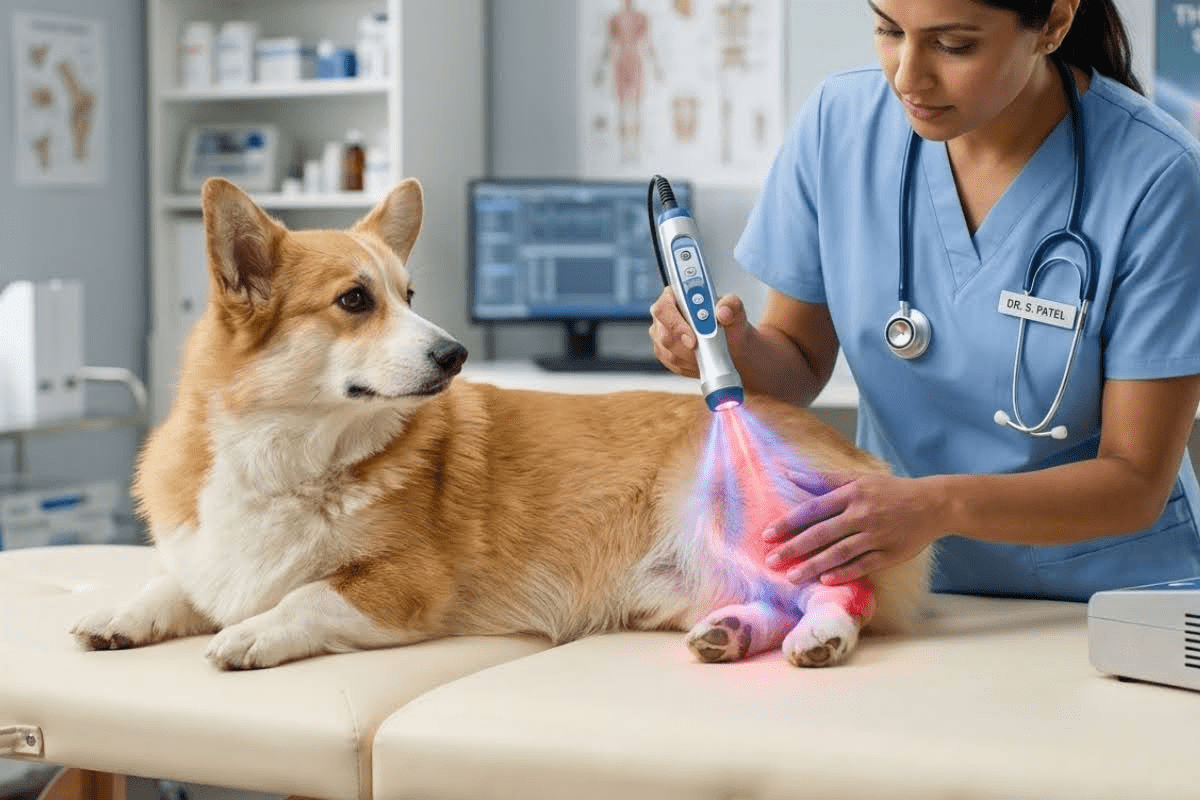
Recovering from surgery can be challenging for animals, but new treatments are making the process smoother and more comfortable. One effective method is laser therapy for pets, a gentle, drug-free approach that uses light to reduce pain, swelling, and stiffness. It also speeds up healing by improving blood flow and supporting cell repair.
Many vets and rehab teams now include this therapy in recovery plans for dogs, cats, and other pets. Whether your pet had orthopedic surgery or a soft tissue procedure, laser treatment can make a big difference in how fast and comfortably they bounce back. In this guide, we’ll explore the top benefits of laser therapy during your pet’s recovery journey.
What Is Laser Therapy for Pets?
Laser therapy uses a special type of light to interact with your pet’s tissues. This light triggers the body to heal faster and reduce pain. The process is sometimes called “cold laser” or “low-level laser” therapy. It is different from laser surgery because it does not cut or burn the skin. The light penetrates the skin and targets cells deep inside the muscles, tendons, and joints. This helps speed up natural healing by increasing blood flow and reducing inflammation.
How Does Laser Therapy Work?
Laser therapy works through a process called photobiomodulation. This means the light energy is absorbed by cells, which helps them repair faster. It also calms inflammation and lowers nerve sensitivity. This results in less pain and swelling for your pet.
Vets who specialize in pet rehabilitation, often called rehab vets, use laser therapy as part of their treatment plans. They adjust the light’s strength and duration based on your pet’s condition to get the best results.
The Main Benefits of Laser Therapy for Recovery
1. Faster Healing and Recovery
Laser therapy helps wounds and surgical sites heal more quickly. By boosting blood circulation, more oxygen and nutrients reach the injured area. This supports tissue repair and reduces the chance of infection. Pets can regain strength sooner, which means they get back to their normal activities faster. Quicker healing lowers the risk of complications after surgery.
2. Reduced Pain and Discomfort
Pain after surgery can be hard for pets to handle. Laser therapy for pets reduces nerve sensitivity, which lowers pain levels. This helps your pet feel more comfortable during recovery. Unlike some medications, laser therapy does not cause side effects like drowsiness or stomach upset. This makes it a safe option for pets of all ages.
3. Non-Invasive Treatment Without Anesthesia
Many pet owners worry about anesthesia after surgery. The good news is that laser therapy requires no anesthesia or sedation. The process is painless and gentle. Pets usually stay calm and relaxed during treatment. Some even fall asleep, making it stress-free for both pets and owners.
4. Effective for Chronic Conditions Alongside Post-Surgery Care
Laser therapy is not only for surgical recovery. It is also helpful for chronic issues like arthritis or tendon injuries that may slow down healing. By combining laser therapy with other treatments, rehabvet teams can create a complete care plan tailored to your pet’s needs.
5. Minimal Side Effects
Laser therapy has very few risks when administered by professionals. Some pets may experience mild warmth or redness in the treated area, but these effects go away quickly. Because it uses light rather than chemicals or drugs, it is a safe choice for pets that cannot tolerate medications.
What Happens During a Laser Therapy Session?
Each session usually lasts 5 to 10 minutes. The vet or rehab vet technician places the laser device near the injured area. The light gently moves across the skin, targeting specific points. Your pet will not feel pain during treatment. Instead, many pets enjoy the warmth and calm sensation. Sessions are often quick and fit easily into your schedule.
How Laser Therapy Supports Overall Pet Health Post-Surgery
Laser therapy doesn’t just help wounds heal. It also improves overall tissue health by encouraging new cell growth. This helps pets regain strength and mobility faster. For pets recovering from orthopedic surgery, such as ligament repair or fracture healing, laser therapy reduces stiffness and swelling. This means your pet can start gentle movement sooner, which is key to avoiding muscle loss.
Diet and Lifestyle Tips to Maximize Recovery
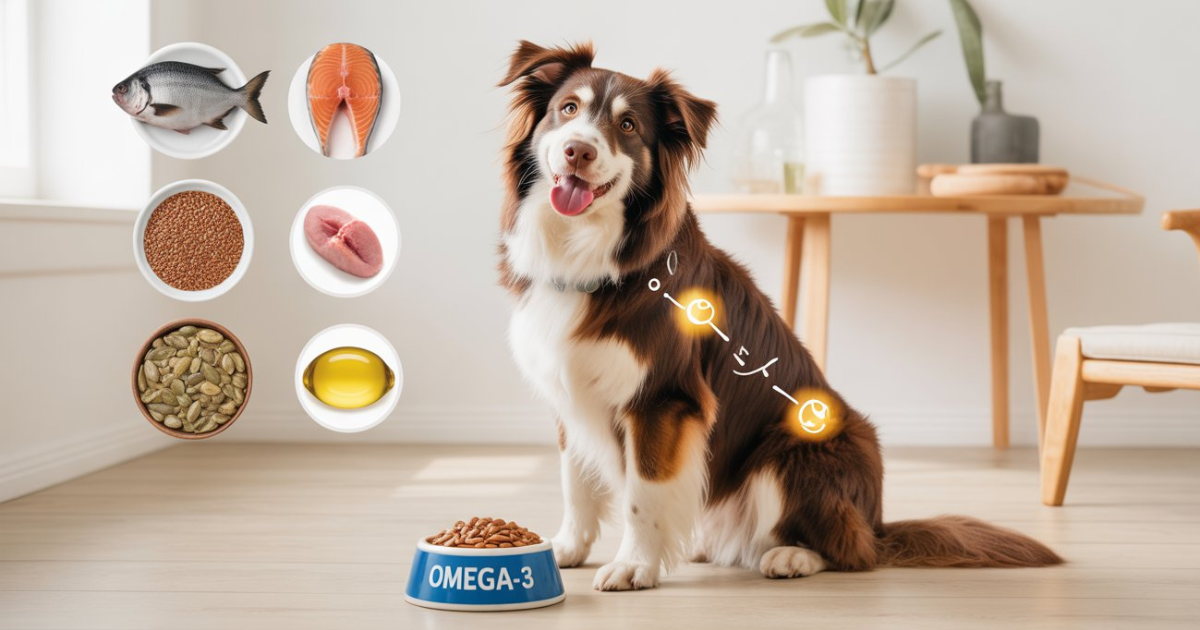
Along with laser therapy, feeding your pet a nutritious diet helps speed recovery. Foods rich in protein and essential nutrients support tissue repair. Keeping your pet calm but active, following vet instructions on exercise limits, helps avoid injury setbacks. Light walks or gentle play may be recommended as healing progresses.
Also, laser therapy works best as part of a wider care plan. Regular vet checkups help monitor healing progress and adjust treatments. Your vet or rehab vet team will watch for signs of infection or complications. They’ll also advise when it’s safe to increase your pet’s activity.
Why More Pet Owners Choose Laser Therapy After Surgery
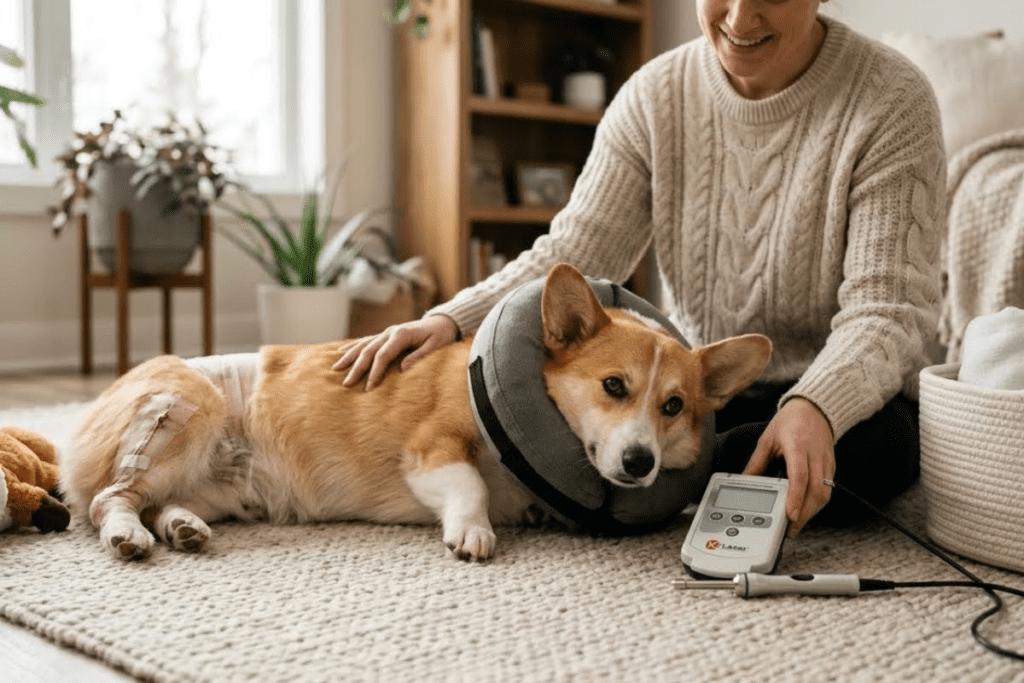
Laser therapy is growing in popularity because it offers a drug-free way to ease pain and speed healing. Many pet owners report happier, more comfortable pets who recover faster. Working with rehabvet specialists means your pet gets personalized treatment. They use the latest techniques to support your pet’s health during surgery, recovery, and beyond.
Conclusion
Laser therapy for recovering from surgery offers many benefits. It speeds healing, reduces pain, and is gentle enough for pets of all ages. This non-invasive treatment fits easily into rehab plans and helps pets get back to feeling their best. If your pet has surgery coming up or is already recovering, ask your vet about laser therapy. It might be the extra care your pet needs to heal quickly and comfortably.
Give your pet the best chance at a smooth recovery. Talk to your veterinarian or rehab vet specialist about adding laser therapy for pets to your post-surgery care plan. Don’t wait, start supporting your furry friend’s recovery today with Vitailix’s trusted rehabvet services.
Benefits of Laser Therapy for Pets Frequently Asked Questions
1. Is laser therapy for pets safe after surgery?
Yes, laser therapy is generally safe when performed by trained professionals. It’s commonly used after surgery to reduce pain, speed up healing, and minimize inflammation.
2. How many sessions does my pet need?
The number of sessions depends on your pet’s condition. Some recover in a few visits, while others need ongoing weekly care.
3. Does laser therapy hurt my pet?
No, it’s a pain-free treatment. Most pets feel gentle warmth, and many relax or even nap during the session.
4. Can laser therapy be used with other treatments?
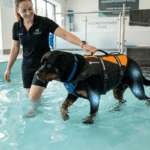
Yes, it works well with other advanced therapy treatments like physical therapy, medication, and hydrotherapy for full recovery support.
5. Are there any risks or side effects?
Side effects are very rare and usually mild, such as brief redness or warmth in the treated area that goes away quickly.