More than half of the dogs and cats in the U.S. are overweight. This is more than just a look—it affects their health, happiness, and the way they move every day. Many pet owners feel sad seeing their furry friends struggle with joint pain, stiffness, or tiredness. While exercise is important for managing weight, many …

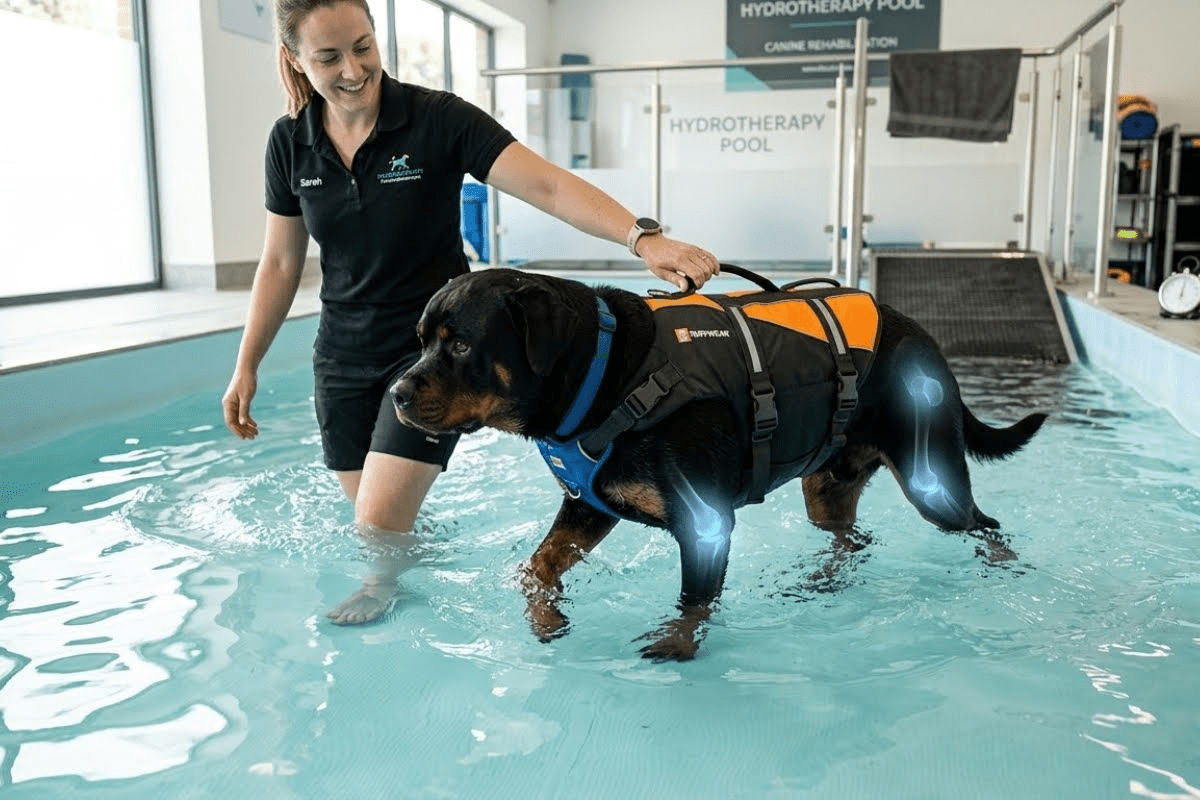
More than half of the dogs and cats in the U.S. are overweight. This is more than just a look—it affects their health, happiness, and the way they move every day. Many pet owners feel sad seeing their furry friends struggle with joint pain, stiffness, or tiredness.
While exercise is important for managing weight, many overweight pets find regular exercise painful or hard to do. That’s where aquatic therapy comes in. It uses water’s natural support to help pets exercise safely without strain. This low-impact therapy helps pets lose weight, ease joint pain, and build healthy habits.
In this blog, we’ll explain how water-based therapy works, why it’s great for overweight pets, the different types available, safety tips, and how to find the right program for your pet. If you want your pet to be happier and more active, keep reading!
What Is Aquatic Therapy, and How Does It Work?
Hydrotherapy, a form of physical therapy that uses water to support and assist movement, offers unique benefits for pets. Unlike walking or running on land, where gravity puts stress on joints and muscles, water’s buoyancy takes much of that pressure off. This means pets can move more freely without pain.
At the same time, water provides natural resistance. Every step or stroke your pet takes in water requires effort, which helps strengthen muscles and burn calories. The pressure of water also improves circulation and reduces swelling, which can ease joint pain and speed healing. For overweight pets, this combination is ideal. The water supports their weight, so they don’t feel the full impact of movement, while also giving them a good workout to improve strength, endurance, and flexibility.
Aquatic Therapy Benefits For Overweight Pets
Excess weight in pets is more than just a cosmetic issue—it causes real health problems that can affect lifespan and quality of life. Overweight pets face:
- Increased strain on joints and bones, often leading to arthritis and lameness
- Muscle weakness due to limited movement
- Higher risk of diseases like diabetes, heart problems, and respiratory issues
- Reduced stamina and reluctance to exercise, which worsens weight problems
1. Low-Impact Exercise Protects Joints
When pets walk, run, or play on hard surfaces, the impact on their joints can cause pain, especially if they are overweight. The buoyancy of water takes much of this load off the joints, making exercise painless and accessible.
This means pets can gradually build strength and endurance without the risk of injury or discomfort that often stops them from being active on land. Think of it like a person with knee pain walking in a pool—water supports their weight and cushions each step. For pets, this relief can mean the difference between exercising regularly and avoiding movement altogether.
2. Supports Weight Loss Safely
The natural resistance water provides makes muscles work harder, which helps pets burn more calories during aquatic therapy sessions than they might on land. Also, because water helps regulate body temperature, pets can exercise longer without overheating.
This makes water-based exercise a fantastic way to start or complement a weight loss program, especially when combined with a balanced diet. Consider Bella, a 7-year-old Labrador retriever who struggled with obesity after surgery limited her ability to run. Underwater treadmill sessions gave her a chance to exercise safely. Over a few months, Bella lost weight, her stamina increased, and she became more playful, without the joint pain she once had.
3. Improves Mobility and Muscle Strength
Water encourages pets to move in ways they might avoid on land due to pain or stiffness. As their muscles grow stronger and joints become more flexible, pets regain confidence and move more easily outside of therapy sessions. This cycle of improved mobility can greatly enhance a pet’s quality of life, allowing them to enjoy walks, playtime, and interaction with family.
For many overweight pets, walking or playing outside is a chore. Aquatic therapy breaks this cycle by making exercise less intimidating and more fun, helping pets build the muscle they need for everyday movement.
4. Provides Pain Relief and Soothing Warmth
Many hydrotherapy pools use warm water, which helps relax muscles and reduce joint stiffness. This can relieve pain caused by arthritis or injury and make movement more comfortable. For overweight pets suffering from chronic pain, water-based therapy can offer much-needed relief, making physical activity less intimidating.
Warm water rehabilitation also increases blood flow to affected areas, promoting healing and reducing inflammation. This can be especially beneficial for senior pets who face joint deterioration.
5. Boosts Mental Health and Overall Well-Being
Carrying extra weight can affect pets emotionally. They might feel frustrated, less playful, or withdrawn. Aquatic therapy sessions often feel like playtime in the water, boosting mood, reducing stress, and helping pets feel happier and more engaged. Therapists often use positive reinforcement, treats, and toys during sessions, turning therapy into an enjoyable routine that pets look forward to.
Different Forms of Hydrotherapy for Overweight Pets
Water-based treatment isn’t one-size-fits-all. Depending on your pet’s needs, therapy might include:
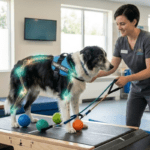
- Underwater Treadmills: These treadmills allow pets to walk or jog while partially submerged in water. The water supports weight and provides resistance, helping build strength without joint strain.
- Guided Swimming Sessions: Some therapy involves controlled swimming exercises led by a professional. Swimming is a full-body workout that enhances cardiovascular health and muscle tone.
- Hydro-Massage Pools: These pools use gentle jets and warm water to massage muscles and joints, providing relief and improving circulation.
- Water Walking Pools: For pets unable to swim or walk on a treadmill, shallow pools allow them to walk in water with support.
Each method is chosen based on your pet’s size, health, and comfort level, ensuring maximum benefit.
Is Water-Based Therapy Safe for All Overweight Pets?
Water-based therapy is generally safe for most pets, but certain medical conditions or health issues might make it unsuitable. It’s critical to have your veterinarian evaluate your pet before starting therapy.
Pets with severe heart conditions, open wounds, infections, or some neurological disorders may need alternative treatment plans. Also, older pets or those new to water may require a gradual introduction to therapy to ensure they feel comfortable and safe. If your pet has a fear of water, starting slow is key. Many therapy centers use gentle approaches and patient guidance, turning fear into fun.
What to Expect in an Aquatic Therapy Program
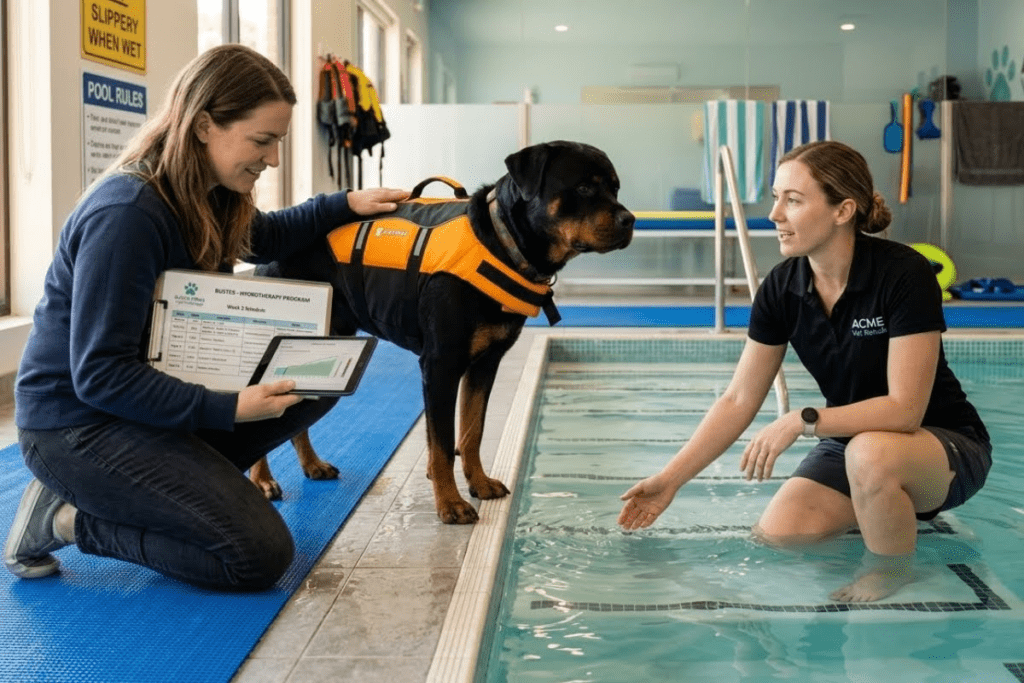
Each pet’s therapy journey is unique, but here’s a typical overview:
- Initial Evaluation: A veterinarian or therapist assesses your pet’s health, mobility, and goals. They design a customized plan.
- Introduction to Water: Pets are slowly introduced to the water, getting comfortable and learning how to move safely.
- Regular Sessions: Usually 20-30 minutes long, one to two times per week. The therapist monitors progress and adjusts exercises as needed.
- Ongoing Support: Your pet’s progress is tracked, and the program adapts over time to continue improvements in weight, mobility, and comfort.
Many pet owners notice positive changes after a few weeks, including better movement, reduced pain, and more energy.
Understanding the Costs of Hydrotherapy for Pets
Costs vary based on location, therapy type, and session length. On average, expect to pay between $30 and $80 per session. Many providers offer package deals to reduce costs over multiple sessions. Though therapy may feel like an investment, it often leads to long-term savings by reducing vet bills associated with obesity-related conditions and improving your pet’s overall quality of life.
Conclusion
Overweight pets face real challenges that affect their health, happiness, and daily comfort. Water-based rehabilitation offers a proven, compassionate way to help them regain strength, reduce pain, and enjoy movement again. By providing a safe environment where your pet can exercise without strain, aquatic therapy supports weight loss, joint health, and mental well-being.
If your pet is struggling with weight and limited mobility, consider hydrotherapy as part of their care plan. With professional guidance, patience, and care, your furry friend can find a new lease on life, feeling stronger, happier, and healthier.
Take the first step toward helping your pet today by visiting Vitailix. Your pet deserves the chance to move freely and live joyfully again.
Aquatic Therapy Benefits For Overweight Pets Frequently Asked Questions
How soon will I notice changes in my pet?
Some pets improve in mobility and energy after a few sessions, but consistent therapy over several weeks typically produces the best results.
Can hydrotherapy replace regular walks and play?
No. Water-based therapy complements other activities but should not fully replace daily walks or playtime, which remain essential for health.
What if my pet is scared of water?
Most pets adjust quickly with patient, gradual introductions. Therapists use positive reinforcement to help pets feel safe.
Is aquatic therapy only for overweight pets?
No. It benefits pets recovering from injury, with arthritis, or with other mobility challenges, but it’s especially helpful for those carrying extra weight.