
When dogs begin to experience weakness in their legs, it can be both scary for them and deeply worrying for us. Whether it’s a slight limp, dragging paws, or sudden instability, dog leg weakness can result from a variety of underlying issues ranging from minor injuries to chronic nerve or spinal problems. Sometimes it’s gradual, …

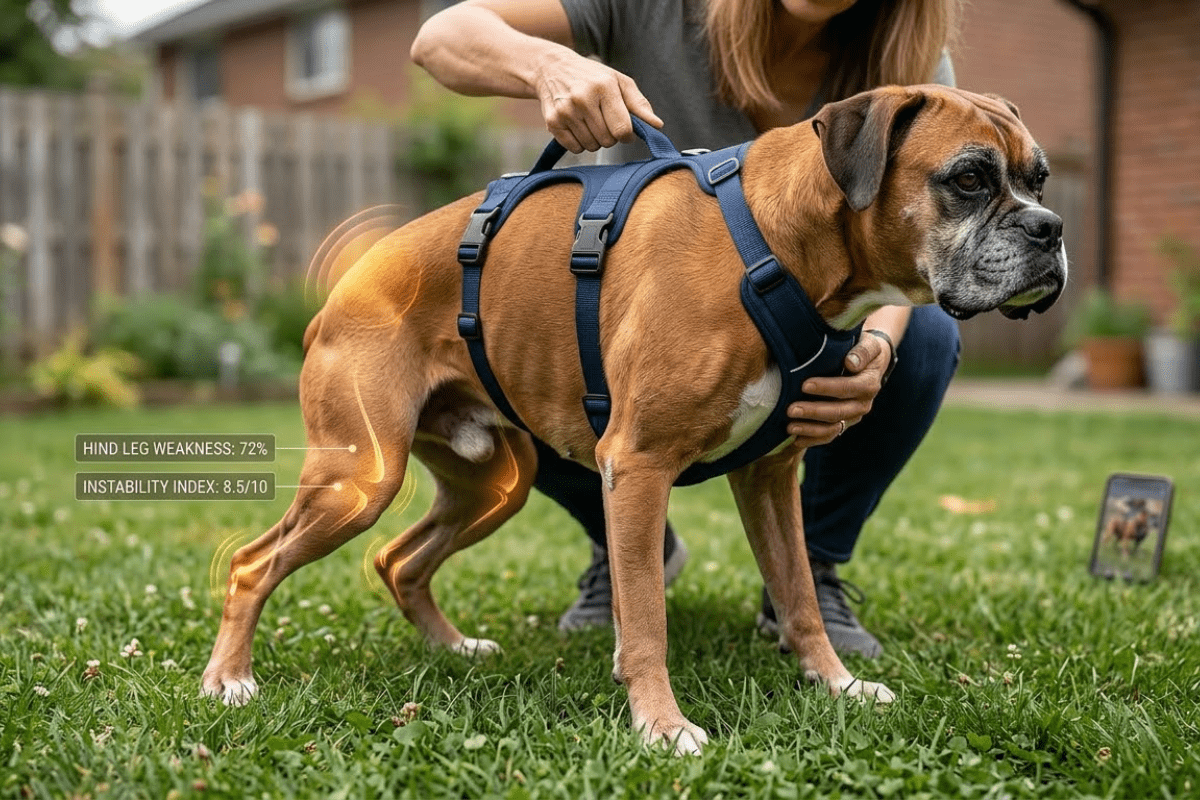
When dogs begin to experience weakness in their legs, it can be both scary for them and deeply worrying for us. Whether it’s a slight limp, dragging paws, or sudden instability, dog leg weakness can result from a variety of underlying issues ranging from minor injuries to chronic nerve or spinal problems. Sometimes it’s gradual, other times it’s sudden. But no matter the cause, it’s always important to take action. In this blog, we’ll break down the most common reasons your dog’s legs may be weak and offer real, vet-backed solutions to help them heal and move confidently again.
1. Arthritis and Joint Wear
Why does it happen?
As dogs age, the cartilage that cushions their joints naturally begins to break down. This leads to inflammation, stiffness, and discomfort, especially in weight-bearing joints like the hips and knees. Over time, painful joints cause dogs to use their legs less, which weakens the surrounding muscles. This gradual decline in joint health and strength is a common cause of dog leg weakness, particularly in senior pets. Larger breeds and dogs with a history of intense activity are especially prone to arthritis-related mobility issues.
How to help:
- Vet Diagnosis: X-rays or joint exams can confirm arthritis as the cause.
- Weight Control: Maintaining a healthy body weight eases stress on joints.
- Joint Supplements: Glucosamine, chondroitin, and omega-3s may reduce inflammation.
- Comfortable Bedding: Orthopedic beds support joints during rest.
- Gentle Exercise: Leash walks or swimming keep muscles strong without overloading joints.
2. Spinal Disc Compression or IVDD
Why does it happen?
Intervertebral Disc Disease (IVDD) occurs when the discs between a dog’s spinal vertebrae begin to bulge, degenerate, or rupture. These compromised discs can press against the spinal cord, interrupting nerve signals and leading to dog leg weakness, most commonly in the back legs.
Some breeds, like Dachshunds, Beagles, and French Bulldogs, are genetically predisposed to IVDD, but the condition can affect any dog, especially as they age or after a trauma. Symptoms can range from mild instability to complete paralysis, depending on the severity and location of the disc compression.
How to help:
Prompt veterinary evaluation is crucial. Early diagnosis and treatment can prevent permanent nerve damage and improve outcomes. In milder cases, rest and restricted movement may give the spine time to heal, often paired with anti-inflammatory medications. More severe cases might require surgical intervention to remove the pressure on the spinal cord.
Once stable, dogs often benefit from a structured rehabilitation plan that includes hydrotherapy or cold laser treatments to rebuild strength. During recovery, supportive gear such as a rear-lift harness can help your dog walk more safely and comfortably.
3. Nerve Disorders and Neurological Decline
Why does it happen?
Degenerative Myelopathy (DM) is a progressive spinal cord disease that begins with subtle hind leg weakness and gradually worsens. Though the exact cause is uncertain, DM is believed to have a strong genetic link, most common in German Shepherds, Boxers, and Corgis. Other neurological disorders, such as tumors or inflammatory diseases, can also impact nerve communication between the brain and limbs, resulting in coordination problems and leg weakness.
How to help:
- Neurological Screening: A vet neurologist can pinpoint the condition.
- Genetic Testing: Certain breeds may benefit from early screening.
- Rehab Therapy: Targeted exercises help prolong mobility and muscle tone.
- Mobility Aids: Dog wheelchairs, toe grips, or drag bags assist with movement.
- Alternative Therapies: Acupuncture and laser therapy may ease symptoms.
4. Injury-Related Nerve Damage
Why does it happen?
Dogs that experience trauma, such as being hit by a car, falling from a height, or sustaining a bite, can suffer nerve injuries that impair leg function. Peripheral nerves may be stretched, compressed, or severed during such events, leading to symptoms like limb weakness, loss of coordination, paw dragging, or knuckling under.
In some cases, you might notice the dog crossing its legs or avoiding weight-bearing altogether. Nerve damage can also occur as a complication of surgery or from deep infections that affect the nerves’ pathways.
How to help:
Diagnosis often requires advanced imaging, such as MRI or nerve conduction studies, to determine the extent and location of the damage. Treatment typically involves a combination of targeted medications, including anti-inflammatories and nerve-supportive supplements.
Gentle massage and range-of-motion exercises may help restore circulation and stimulate nerve regeneration. Physical therapy plays a key role in retraining muscles and restoring mobility. In more advanced cases, hyperbaric oxygen therapy (HBOT) may be used to enhance healing by delivering concentrated oxygen to affected tissues and nerves.
5. Muscle Loss from Inactivity
Why does it happen?
When a dog avoids using a leg due to pain, injury, or extended rest, the muscles in that limb can begin to waste away, a condition known as muscle atrophy. This lack of use quickly leads to weakness and an unstable gait. Senior dogs, post-surgery patients, or dogs with chronic pain conditions are especially vulnerable to this cycle of inactivity and muscle loss. Over time, disuse can affect more than just one leg.
How to help:
- Rehabilitation Plan: Gradual reintroduction of movement helps rebuild strength.
- Low-Impact Exercise: Leash walking, treadmill use, or underwater therapy is effective.
- Balanced Diet: Ensure adequate protein and amino acids for muscle repair.
- Stretching Routines: Passive range-of-motion exercises can preserve flexibility.
- Progress Tracking: Frequent vet follow-ups help adjust therapy as needed.
6. Sudden Trauma or Accidents
Why does it happen?
Accidents such as falls, fractures, sprains, or torn ligaments can lead to sudden dog leg weakness. In many cases, the signs may start subtly, like limping or favoring one side, and may be easy to overlook.
Other times, the dog might completely refuse to use the affected limb. Because dogs instinctively mask pain, it’s not always obvious how serious the injury is right away. Common orthopedic injuries include torn cruciate ligaments, broken bones, or dislocated joints, all of which compromise your dog’s stability and strength.
How to help:
If an injury is suspected, immediate veterinary attention is essential. Your vet may perform X-rays or orthopedic exams to assess the extent of damage. Treatment might involve enforced rest, splinting, pain management, or surgical repair, depending on the injury. Creating a quiet, controlled recovery space at home is key to preventing further strain.
As healing progresses, activity should be reintroduced slowly and under veterinary guidance. Rehabilitation therapies such as cold laser treatments, therapeutic massage, and structured physical therapy can be extremely helpful in reducing scar tissue and rebuilding muscle strength.
7. Hidden Illnesses or Immune Disorders

Why does it happen?
Not all leg weakness stems from joints or injury. Underlying illnesses like Lyme disease, tick-borne infections, or autoimmune conditions (such as immune-mediated polyarthritis or myasthenia gravis) can cause pain, inflammation, and leg instability. These diseases often affect the nervous system or muscles and can appear suddenly or progress over time. Some even mimic orthopedic issues, making diagnosis more complex without proper testing.
How to help:
- Diagnostic Testing: Bloodwork, joint fluid analysis, or advanced imaging may be needed.
- Targeted Medications: Antibiotics, immunosuppressants, or anti-inflammatories may be prescribed.
- Close Monitoring: Regular checkups help track symptom changes and treatment response.
- Lifestyle Adjustments: Stress reduction and gentle routines support healing.
- Supportive Therapies: Rehab plans can be customized to avoid worsening inflammation.
Helping Your Dog Walk Strong Again
Veterinary Care
The most important first step is consulting a trusted veterinarian. A thorough evaluation, including neurological exams, blood panels, or imaging like X-rays or MRI, can help identify the root cause of dog leg weakness. Acting quickly not only improves your dog’s chances of recovery but can also prevent the issue from becoming more severe or permanent.
Rehabilitation Therapies
Many cases of dog leg weakness benefit from professional rehabilitation services. Physiotherapy, hydrotherapy, cold laser therapy, and acupuncture can relieve discomfort, restore muscle tone, and improve coordination. Rehab plans are usually tailored to your dog’s specific condition and mobility goals for best results.
Hyperbaric Oxygen Therapy (HBOT)
In cases involving nerve damage, surgical recovery, or spinal trauma, HBOT may be recommended. This treatment delivers concentrated oxygen to tissues, helping reduce inflammation, promote cell repair, and improve healing times. It’s especially effective when used alongside other therapies in a comprehensive care plan.
Lifestyle Modifications
- Weight Control: Shedding extra pounds relieves pressure on joints and weak limbs.
- Home Safety: Use non-slip mats, pet ramps, or supportive harnesses to prevent falls.
- Nutritional Support: Choose foods with quality protein, joint supplements, and essential fatty acids.
- Consistent Activity: Keep your dog moving with short walks or controlled play sessions to build strength gradually.
Conclusion
Watching your dog struggle with weak legs can be overwhelming, but you don’t have to face it alone. Understanding the possible causes of dog leg weakness, from arthritis and injuries to nerve disorders and illness, puts you in a better position to take action. The sooner you seek veterinary help, the greater the chances of improving your dog’s comfort, mobility, and overall quality of life.
Whether it’s through rehab, lifestyle changes, or advanced therapies like HBOT, there are many ways to support your dog’s journey back to strength. With a little patience and the right care plan, many dogs go on to enjoy happy, active lives.
If your dog is showing signs of leg weakness, don’t wait to schedule a veterinary visit today. Early intervention and a personalized recovery plan could make all the difference in getting your furry friend back on all fours and loving life again.
Give your dog the strength to stand tall again. At Vitailix, we’re here to support every step, whether your pet needs rehab, home care guidance, or custom therapy. Don’t wait for symptoms to get worse. Start your dog’s recovery journey with Vitailix today—because every step counts.
Dog Leg Weakness Frequently Asked Questions
1. What should I do if my dog suddenly can’t walk or is dragging a leg?
If your dog experiences sudden leg weakness or dragging, it’s important to seek veterinary attention immediately. It could be a sign of a spinal issue like IVDD, a stroke-like event, or trauma. Early diagnosis can prevent long-term damage and improve recovery outcomes.
2. Can dog leg weakness be reversed?
In many cases, yes—depending on the cause. Conditions like arthritis, mild nerve compression, or muscle loss due to inactivity can often be improved with rehab, medication, and lifestyle changes. However, progressive neurological diseases may not be reversible, but can be managed to slow decline.
3. Is physiotherapy safe for older dogs with weak legs?
Yes, physiotherapy is often recommended for senior dogs. It’s tailored to their ability and focuses on improving mobility, reducing pain, and building strength through gentle, controlled movements. Always consult a vet or certified canine rehab therapist.
4. How long does it take to see improvement in leg strength?
Recovery time varies by diagnosis and treatment plan. Mild cases may show improvement in a few weeks, while chronic or nerve-related conditions may take months. Consistency with therapy and home care plays a big role in success.
5. What can I do at home to support my dog with weak legs?
Use non-slip mats, pet ramps, and support harnesses to make movement safer. Keep up with any rehab exercises given by your vet. Feeding a balanced diet and managing weight can also ease joint strain and support muscle health.