When your dog is limping, or your cat just isn’t acting like themselves, it’s hard not to worry. Many pet owners feel stuck between giving pills and just waiting and hoping things get better. That’s why more people are turning to pet therapy. These are safe, hands-on ways to help pets feel better, especially after …

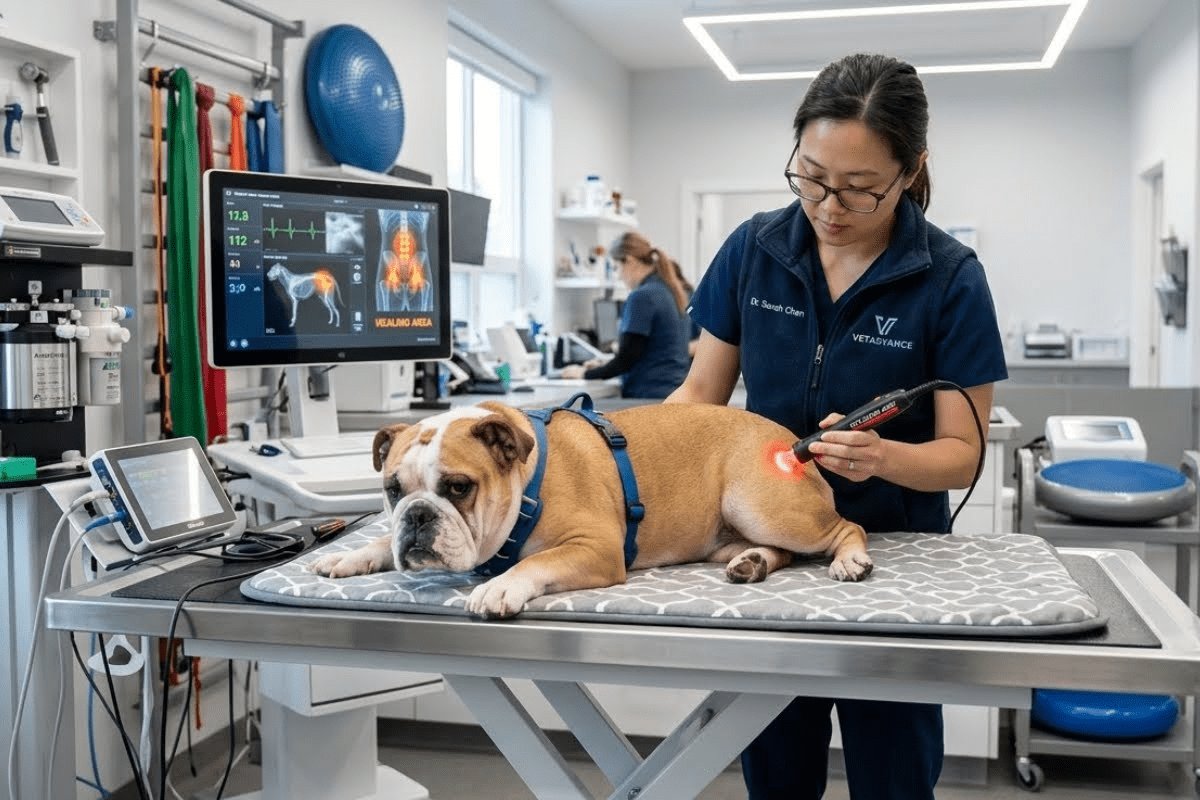
When your dog is limping, or your cat just isn’t acting like themselves, it’s hard not to worry. Many pet owners feel stuck between giving pills and just waiting and hoping things get better. That’s why more people are turning to pet therapy. These are safe, hands-on ways to help pets feel better, especially after an injury or as they get older.
One method that’s getting a lot of attention is the canine underwater treadmill. It sounds fancy, but it’s a simple, smart way to help dogs walk, move, and recover. In this blog, we’ll explain how Advanced Therapies for Pets work, what science says about them, and when to try them. We’ll also help you avoid things that sound helpful but aren’t. Whether your pet has joint pain, is recovering from surgery, or just needs extra support, you’ll find answers here.
Why Advanced Therapies for Pets Are Growing
More pet owners are seeking advanced therapies alongside conventional treatment to improve their pets’ quality of life. As pets age or face chronic conditions, non-invasive treatments offer new hope. The demand for these therapies has surged with the rise in pet ownership and the evolving view of pets as family members.
Veterinarians and rehabilitation specialists now combine traditional medicine with physical therapy, acupuncture, and other modalities to support healing and comfort. This approach can reduce reliance on medications and surgery, which sometimes come with side effects or risks.
Proven Therapies That Work
Let’s explore some of the most effective and evidence-backed therapies that support pet health and recovery.
1. Physiotherapy: Restoring Movement and Strength
Physiotherapy helps pets regain movement and manage pain, especially after surgery or injury. This therapy involves exercises, massage, stretching, and sometimes special equipment. The main goal is to improve muscle strength, joint flexibility, and coordination. For example, pets recovering from hip dysplasia or torn ligaments benefit from guided exercises that rebuild strength without overloading injured areas.
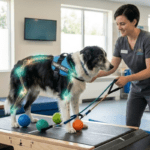
Massage reduces muscle tension and stimulates blood flow, speeding healing. Therapists may also use balance balls and treadmills to challenge pets gently and safely. Studies show physiotherapy can reduce arthritis pain and delay disease progression. It also helps elderly pets maintain mobility longer, which improves their overall happiness.
2. Hydrotherapy: Water-Based Healing
Hydrotherapy is one of the most popular advanced therapies for pets, especially for those with mobility issues or recovering from surgery. The most common form is canine underwater treadmill therapy, which allows pets to walk or run in warm water. This supports their weight and reduces stress on joints, promoting gentle, effective recovery.
The water’s buoyancy makes movement easier, while the resistance strengthens muscles. Hydrotherapy encourages cardiovascular fitness and helps reduce swelling. It is particularly effective for arthritis, post-surgical rehabilitation, and neurological conditions. Because water supports the pet’s weight, pets with painful joints or weakness can exercise safely without risking further injury. This therapy is gentle, effective, and enjoyable for many animals.
3. Hyperbaric Oxygen Therapy (HBOT): Boosting Natural Healing
Hyperbaric Oxygen Therapy involves placing pets in a pressurized chamber where they breathe pure oxygen. This treatment increases oxygen delivery to tissues, helping the body heal faster. Pets with wounds, infections, or neurological injuries benefit from HBOT. The extra oxygen stimulates cell repair and reduces inflammation.
Veterinarians use HBOT as part of complex recovery plans for pets after trauma or surgery. Though less common than physiotherapy or hydrotherapy, the therapy shows promising results in speeding recovery and improving quality of life.
4. Traditional Chinese Veterinary Medicine (TCVM)
TCVM includes acupuncture and Tui-na massage, therapies practiced for thousands of years in Asia. These treatments stimulate specific points on the body to relieve pain, improve digestion, and boost energy. Acupuncture can be particularly effective for chronic pain, arthritis, and neurological issues. It works by encouraging the release of natural painkillers like endorphins and improving blood flow.
Tui-na massage combines gentle pressure and stretching to relax muscles and stimulate healing. Many pet owners report improvements in their pets’ mood and mobility after TCVM sessions. While more research is needed, many veterinarians integrate TCVM with Western treatments, creating a balanced approach that supports whole-body wellness.
5. Laser Therapy: Light-Based Pain Relief and Healing
Class 4 laser therapy uses focused light to penetrate tissue, reducing inflammation and stimulating cell repair. It’s widely used for osteoarthritis, wounds, and soft tissue injuries.
Pets tolerate laser therapy well, and sessions are painless. The laser energy improves circulation and speeds healing, allowing pets to recover faster from surgery or injury. This therapy also helps with chronic skin conditions and muscle pain, making it a versatile tool in veterinary care.
Advanced Therapies to Approach with Caution

While some therapies show strong evidence, others have less scientific support and should be used cautiously.
Homeopathy: Limited Scientific Support
Homeopathy uses highly diluted substances to “trigger” the body’s healing. Despite its popularity among some pet owners, scientific studies do not consistently prove its effectiveness. Homeopathy should never replace conventional treatment for serious illnesses. It might be considered as a complementary approach, but always under veterinary supervision.
Essential Oils: Potential Risks and Benefits
Essential oils are often promoted for calming pets or treating minor ailments. Some oils can provide soothing effects, but many pose risks if ingested or applied improperly. Pets have sensitive systems, and certain oils like tea tree, eucalyptus, or citrus oils can be toxic. Always consult a vet before using any essential oils and avoid self-treatment.
Making Informed Choices About Pet Therapies
As pet parents, we want the best for our companions. It’s exciting to explore new therapies, but it’s crucial to balance hope with facts. When considering advanced therapies for dogs, keep these points in mind:
- Always consult your veterinarian before starting any new therapy.
- Use advanced treatments as a complement, not a replacement, for conventional care.
- Look for evidence-based therapies supported by clinical studies.
- Monitor your pet’s response closely and report any concerns to your vet.
Why Canine Underwater Treadmill Therapy Is a Game-Changer
Among these options, canine underwater treadmill therapy stands out. Its benefits for joint health, muscle strengthening, and rehabilitation are well-documented. The underwater treadmill reduces joint pressure while providing resistance to build muscle. It’s an ideal therapy for dogs with arthritis, post-surgery recovery, and neurological issues affecting mobility.
Pets often enjoy the water environment, making therapy less stressful. Regular sessions can improve endurance, balance, and reduce pain, helping dogs live fuller lives.
Final Thoughts
The world of advanced therapies for pets is expanding rapidly. Many options offer real benefits when used wisely alongside traditional veterinary care. Physiotherapy, hydrotherapy, including canine underwater treadmill therapy, hyperbaric oxygen therapy, traditional Chinese veterinary medicine, and laser therapy have proven results in improving pet health.
If you want to explore advanced therapies for dogs or learn more about how to improve their health, start with trusted sources and veterinary advice. A combined approach ensures your pet receives the best care possible, promoting a happy, active, and pain-free life.
Give your pet the care they deserve with proven therapies like canine underwater treadmill therapy. Visit Vitailix to learn more and support your pet’s well-being today.
Advanced Therapies for Pets Frequently Asked Questions
Q: What is canine underwater treadmill therapy?
A: Canine underwater treadmill therapy involves walking or running on a treadmill submerged in water. The buoyancy supports the dog’s weight, reducing joint stress, while water resistance strengthens muscles. It is excellent for arthritis, recovery from surgery, and improving overall mobility.
Q: Are advanced therapies safe for all pets?
A: Most advanced therapies are safe when used under veterinary supervision. However, some treatments may not be suitable for certain health conditions. Always consult your vet before starting new therapies.
Q: How often should my pet receive hydrotherapy?
A: The frequency varies based on your pet’s condition. Typically, sessions range from 1-3 times a week. Your vet or rehabilitation specialist can recommend the best schedule tailored to your pet’s needs.
Q: Can essential oils be used safely on pets?
A: Some essential oils can be safe when diluted and used properly, but many are toxic. Never apply essential oils without veterinary guidance.
Q: Does laser therapy hurt my pet?
A: Laser therapy is painless and often relaxing for pets. It uses light energy to reduce inflammation and promote healing without discomfort.