Acupuncture has been used for thousands of years to help people stay healthy and recover from illness. Recently, it has become a popular choice for pets as well. Many animal lovers are turning to acupuncture for pets as a gentle and natural way to support their furry friends’ health. This therapy involves placing very thin …


Acupuncture has been used for thousands of years to help people stay healthy and recover from illness. Recently, it has become a popular choice for pets as well. Many animal lovers are turning to acupuncture for pets as a gentle and natural way to support their furry friends’ health.
This therapy involves placing very thin needles on specific points of the body to help pets feel better without surgery or strong medications. In this article, we will explain what acupuncture for pets is, where it began, how it works, the benefits it offers, and what you can expect during treatment sessions.
The Origins of Acupuncture
Acupuncture’s history goes back more than 2,000 years to ancient China. Early doctors believed that a vital energy, called “Qi” (pronounced “chee”), flows through invisible channels in the body called meridians. When this flow is blocked or out of balance, people experience pain or become sick.
To fix this, ancient healers used tiny needles to stimulate certain points along these meridians. They believed this helped Qi flow smoothly again, allowing the body to heal itself naturally. While acupuncture started as a treatment for humans, veterinarians have adapted it for animals over recent decades. It is now widely used for pets as a non-invasive way to improve their health and manage many conditions without harsh drugs or surgeries.
How Acupuncture Works for Pets
Acupuncture for pets involves carefully placing very thin, sterile needles into specific points on the animal’s body. These points correspond to the meridians where Qi flows. The needles are so thin that they usually cause little or no pain.
When the needles are inserted, they trigger a series of natural responses in the pet’s body. These responses include the release of chemicals like endorphins and serotonin that block pain and boost mood. The needles also improve blood flow, which reduces swelling and helps damaged tissues heal faster.
Acupuncture affects the nervous system, calming nerves and reducing the pain signals sent to the brain. It can also balance the immune system, helping pets better fight infections and recover from illness. Together, these effects make acupuncture a safe, gentle, and effective therapy that supports pets’ natural healing abilities.
Conditions That Benefit from Acupuncture for Pets
Acupuncture has been found helpful for a wide variety of health problems in pets. Some of the most common reasons pet owners choose acupuncture include:
Pain Relief for Chronic Conditions
Many pets suffer from ongoing pain caused by arthritis, hip dysplasia, or other joint problems. Acupuncture can help reduce pain and stiffness, allowing pets to move more freely and enjoy their daily activities. It is also useful during recovery after surgery or injuries to ease discomfort.
Digestive System Support
Pets with tummy troubles, such as constipation, diarrhea, or upset stomach, may benefit from acupuncture. It helps improve digestion and reduces inflammation in the digestive tract, leading to better nutrient absorption and comfort.
Neurological Disorders
Pets experiencing seizures, nerve weakness, or paralysis may respond well to acupuncture. The treatment may improve nerve function and reduce symptoms, improving their quality of life.
Breathing Problems
Some pets suffer from asthma or other chronic breathing difficulties. Acupuncture can help reduce airway inflammation and improve lung function, making breathing easier.
Allergies and Skin Conditions
Acupuncture can soothe itchy skin and reduce allergic reactions by lowering inflammation and promoting healing. This provides relief for pets with atopic dermatitis or other skin problems.
Stress and Behavioral Issues
Acupuncture has calming effects on the nervous system, which can help reduce anxiety and stress in pets. This often leads to improvements in behavior problems such as nervousness, aggression, or separation anxiety.
Preparing Your Pet for Acupuncture
To help your pet have a positive experience during acupuncture, it’s important to prepare beforehand. Try to keep your pet calm and relaxed before the session. Taking a short walk or spending quiet time together can help reduce anxiety.
Avoid feeding your pet a large meal right before the appointment to prevent discomfort during treatment. It’s also helpful to bring any medical records and a list of current medications so the acupuncturist can understand your pet’s health history and customize the therapy. During the session, stay calm and provide gentle reassurance to your pet. Some animals feel comforted by their owner’s presence, while others prefer to rest quietly on their own.
What Happens During an Acupuncture Session for Pets?
If you decide to try acupuncture for your pet, here’s what typically happens during a treatment session:
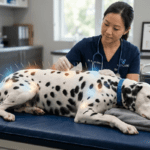
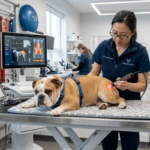
Your pet will be placed in a comfortable position, either lying down or sitting quietly in a calm, quiet room. The veterinary acupuncturist will then carefully insert very thin needles into specific acupuncture points on your pet’s body. These needles are tiny and usually cause no pain or discomfort. Most pets tolerate acupuncture well and may even become calm, relaxed, or sleepy during the treatment.
The needles typically stay in place for 10 to 30 minutes, depending on the condition being treated. After the session, your pet may feel relaxed and more comfortable. The number of acupuncture sessions needed varies. Some pets show improvement after just a few treatments, especially for acute conditions. Others with chronic health problems may need ongoing acupuncture care over weeks or months for the best results.
Choosing a Qualified Veterinary Acupuncturist
It is important to find a skilled and certified veterinary acupuncturist to ensure the safety and effectiveness of treatment for your pet. Many veterinarians take special training courses to become certified in animal acupuncture.
Ask your regular vet for recommendations or check professional organizations for certified practitioners. Make sure your acupuncturist uses sterile needles and follows strict hygiene practices. A good acupuncturist will explain the treatment plan clearly, answer your questions, and collaborate with your regular vet to provide coordinated care for your pet.
Cost Considerations for Acupuncture
The cost of acupuncture treatments varies depending on where you live, the practitioner’s experience, and how many sessions your pet requires. Usually, the first visit costs more because it includes a full health examination and treatment planning.
Follow-up sessions tend to be less expensive. Some pet insurance plans cover acupuncture, so it’s worth checking your policy. While acupuncture might seem like an additional expense, many pet owners find it worthwhile because it can reduce the need for medications or surgery and improve their pet’s overall quality of life.
Safety and Side Effects
Acupuncture is generally very safe when performed by a qualified professional. The needles are sterile and very thin, which minimizes the risk of injury or infection. Some pets may experience slight soreness or mild bruising at needle sites, but this usually goes away quickly.
Most animals tolerate acupuncture sessions well, and some even find the treatments soothing. If your pet has certain health conditions, such as bleeding disorders or skin infections, acupuncture may not be recommended. Always discuss your pet’s health with your vet before starting treatment.
Why Consider Acupuncture for Your Pet?
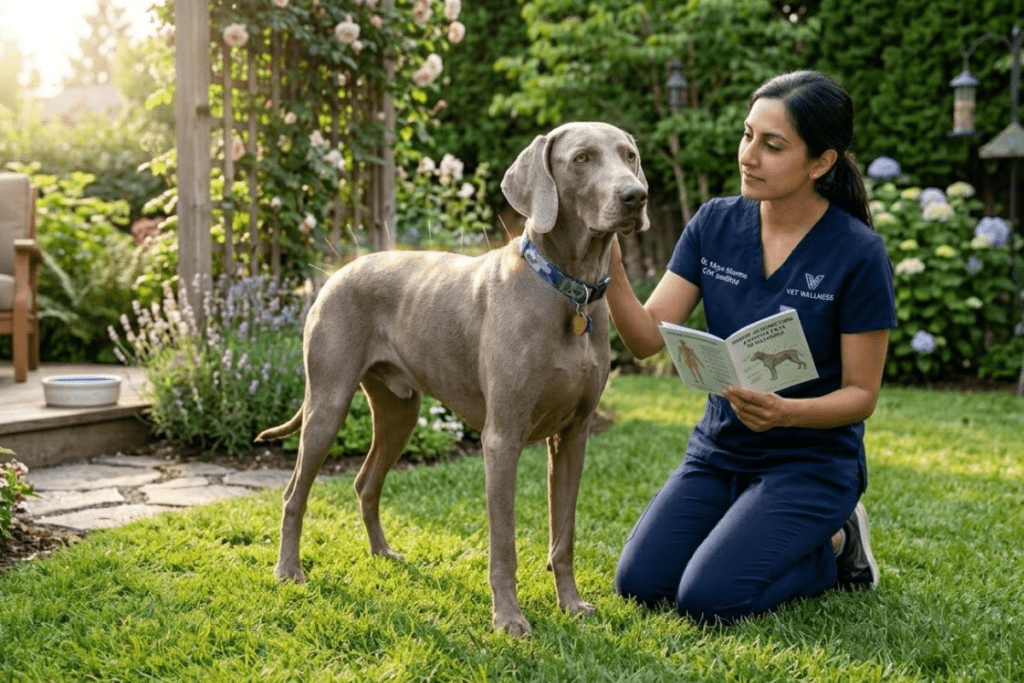
Choosing acupuncture for pets offers a natural, gentle way to support their health. It avoids many side effects of drugs and surgery, making it a good option for pets with chronic pain, digestive issues, skin allergies, or stress. Acupuncture works by encouraging the body’s healing processes. This can lead to improved comfort, better mobility, reduced anxiety, and a higher quality of life for your pet.
If your pet is struggling with health challenges, acupuncture may provide relief and enhance their well-being. Always consult your veterinarian and a qualified veterinary acupuncturist to see if this treatment is right for your furry friend.
Ready to help your pet feel better naturally? Contact a certified veterinary acupuncturist today to explore how acupuncture for pets can improve your animal’s health and happiness.
Acupuncture For Pets Frequently Asked Questions
Is acupuncture painful for my pet?
No, the needles used in acupuncture are very thin and typically cause little or no pain. Many pets relax or even fall asleep during treatment.
How soon will my pet feel better?
Some pets show improvement after the first session, especially for recent injuries or pain. Chronic issues often require multiple sessions over weeks.
Can acupuncture replace my pet’s medications?
Acupuncture can help reduce pain and other symptoms, but it usually works best alongside traditional veterinary care. Never stop medications without your vet’s approval.
Is acupuncture safe for all animals?
Most pets tolerate acupuncture well, but certain health problems may make it unsafe. Your vet can help determine if acupuncture is right for your pet.How often should my pet get acupuncture?
Treatment frequency depends on your pet’s condition. Some animals start with weekly sessions that decrease over time as they improve.