Dogs can’t tell us when something feels off in their belly, but their behavior often speaks volumes. Frequent gas, bloating, diarrhea, or constipation may signal digestive issues. You might also notice them eating grass, skipping meals, or showing signs of discomfort after eating. Over time, poor digestion can lead to nutrient deficiencies, low energy, and …

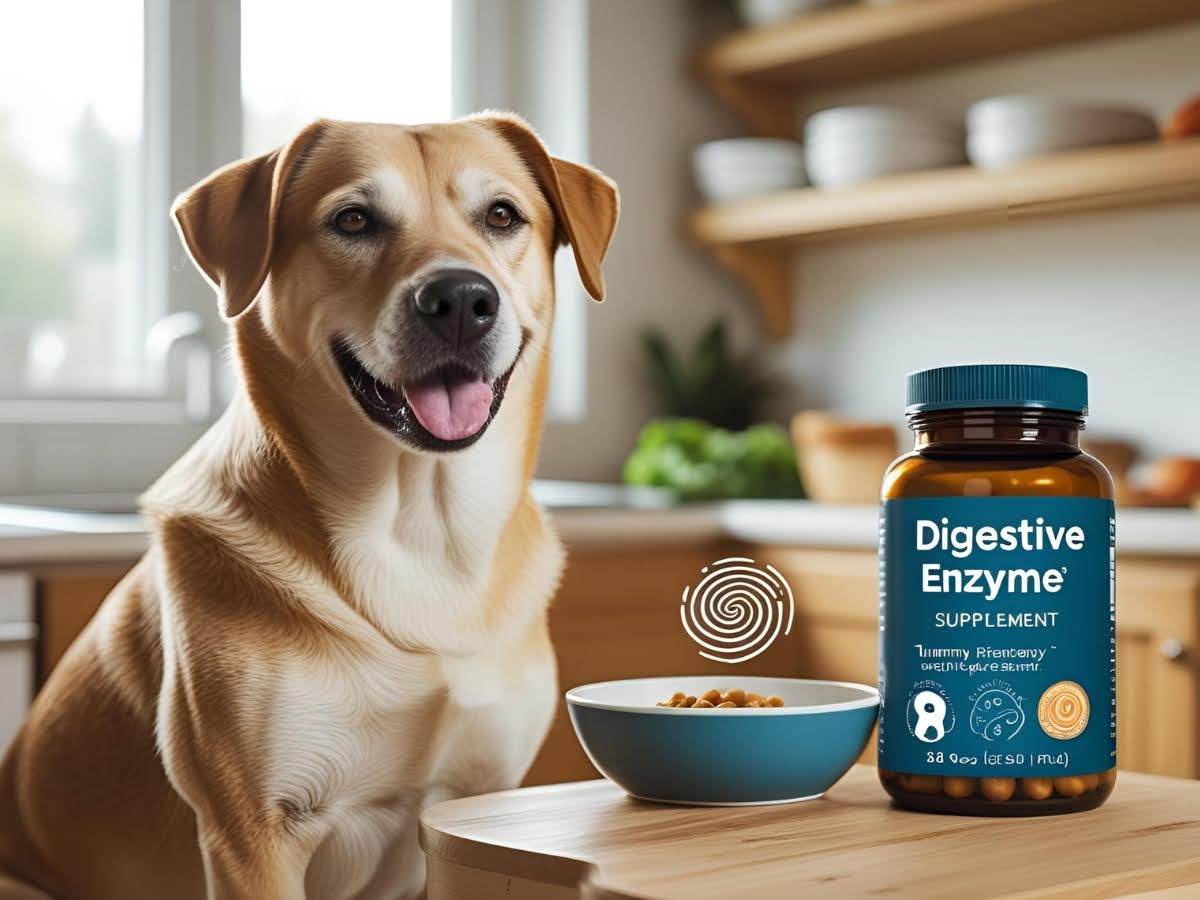
Dogs can’t tell us when something feels off in their belly, but their behavior often speaks volumes. Frequent gas, bloating, diarrhea, or constipation may signal digestive issues. You might also notice them eating grass, skipping meals, or showing signs of discomfort after eating.
Over time, poor digestion can lead to nutrient deficiencies, low energy, and even changes in mood or behavior. If your furry friend has been having trouble processing food, digestive enzymes for dogs might offer the support they need. These natural supplements can improve how your dog breaks down and absorbs nutrients, making mealtime more comfortable and beneficial.
What Are Digestive Enzymes?
Digestive enzymes are proteins that help break down food into nutrients the body can absorb. Dogs produce enzymes naturally in their pancreas, but sometimes, their bodies don’t make enough. This can lead to incomplete digestion and various stomach problems. If you are a dog owner looking to buy premium quality supplements and supplies, then Vitailix has got you covered. Adding digestive enzymes for dogs to your pet’s meals can support better digestion and help reduce symptoms like bloating, flatulence, or irregular stools.
Common Signs of Digestive Issues in Dogs
Your dog might not be able to talk, but these signs can indicate digestive trouble:
- Frequent gas or bloating
If your dog seems uncomfortable after eating or has a gassy belly, it could mean their food isn’t breaking down properly. Digestive enzymes help ease this by improving how the stomach handles meals. Over time, you may notice less discomfort and more playful behavior. - Loose stools or constipation
If your dog swings between diarrhea and being constipated, poor digestion might be to blame. Enzymes help the body absorb water and nutrients better, which balances stool quality. A healthy gut leads to more regular bathroom habits. - Vomiting after eating
Dogs who vomit right after meals may not be digesting food well. Enzymes can help the stomach break things down more gently, reducing the risk of food coming back up. This makes mealtimes easier and more enjoyable for your pup. - Eating poop (coprophagia)
This behavior often means your dog isn’t getting enough nutrients from food. Digestive enzymes boost nutrient absorption, which may reduce this unpleasant habit. Better digestion also keeps your dog feeling full longer. - Poor weight gain despite normal eating habits
Some dogs eat enough but still look thin or weak. Without enough enzymes, nutrients just pass through. Supplements help the body soak up more from every bite, leading to improved energy and healthy weight gain. - Excessive grass eating
Dogs often eat grass to soothe upset stomachs. If you notice this often, it may mean your dog’s gut needs support, and enzymes could help. Reducing stomach discomfort can also cut down on odd eating behaviors.
How Digestive Enzymes Work for Dogs
These enzymes support your dog’s digestion by helping break down fats, proteins, and carbohydrates. Here are the main types typically included in supplements:
- Protease: Breaks down protein into amino acids
Proteins are hard to digest without help. Proteases cut proteins into smaller parts that your dog’s body can use for muscle, skin, and immune function. This helps keep your dog strong and active. - Amylase: Helps digest carbohydrates.
This enzyme breaks down starches and sugars so your dog gets clean energy without bloating or sugar crashes. It supports stable energy levels throughout the day. - Lipase: Assists with fat digestion.
Fats give dogs energy and help their coats shine. Lipase breaks fat into usable parts, reducing greasy stools and tummy pain. A healthy fat balance also supports brain health. - Cellulase: Breaks down fiber from plant sources
Dogs can’t naturally digest plant fiber well. Cellulase helps break down fruits and veggies so your dog can absorb their full benefits. It also promotes a smoother digestion process.
Why Dogs Might Need Digestive Enzymes
Several factors can affect your dog’s natural enzyme production. These include:
- Age: Older dogs often produce fewer digestive enzymes
Aging slows the body down, including the ability to make enzymes. This can lead to harder digestion and lower energy. Supplements help fill the gap and support daily comfort. - Breed-specific issues: Some breeds, like German Shepherds, are prone to enzyme deficiencies
Certain dog breeds naturally struggle with digestion. They may need enzymes daily to avoid chronic stomach problems. Early support often leads to better lifelong health. - Illness or medications: Certain diseases or treatments can interfere with enzyme production
Dogs recovering from illness or taking long-term meds may lose enzyme function. Supplements help fill that gap. They also protect your dog’s gut during recovery. - Poor diet: Highly processed food can strain your dog’s digestive system
Kibble and low-quality treats often lack the nutrients and enzymes dogs need. Enzyme supplements help the gut work better with less stress. Better digestion means better absorption of all nutrients.
Types of Digestive Enzyme Supplements
You can find enzymes in different forms. Choose the one that fits your dog’s needs best:
- Powders
Great for picky eaters and dogs that eat quickly. Powder blends in with the meal and begins working right away. It’s also easy to adjust the amount based on your dog’s weight. - Chewable tablets
These are often flavored and can double as treats, making them a fun way to support digestion. They’re also portable and easy to give on the go. - Capsules
Best for dogs who need precise dosing. Just tuck them into a soft food or pill pocket. They’re ideal for dogs with regular supplement routines.
Make sure the product is made specifically for dogs. Human enzyme formulas can contain harmful additives and are not safe for pets.
Natural Ways to Support Your Dog’s Digestion
While supplements help, a few dietary and lifestyle changes can make a difference too:
- Feed high-quality, balanced dog food
A nutritious base supports your dog’s gut. Avoid foods with fillers, corn, soy, or artificial preservatives. Better food means easier digestion. - Avoid table scraps and fatty foods.
Human food can be too rich or salty. These foods upset digestion and can lead to gas or pancreatitis. Stick to dog-friendly treats and keep the diet consistent. - Add plain pumpkin or probiotics to the meals.
Pumpkin soothes the gut and adds fiber. Probiotics add good bacteria that work well with digestive enzymes. This combo helps balance the gut microbiome. - Keep a regular feeding schedule.
Dogs digest better on a routine. Feeding at the same time daily helps regulate gut function. It also prevents overeating and supports metabolism. - Ensure daily exercise
Activity helps move food through the gut and prevents bloating or constipation. Even a short walk can boost digestive health.
Best Time to Give Digestive Enzymes
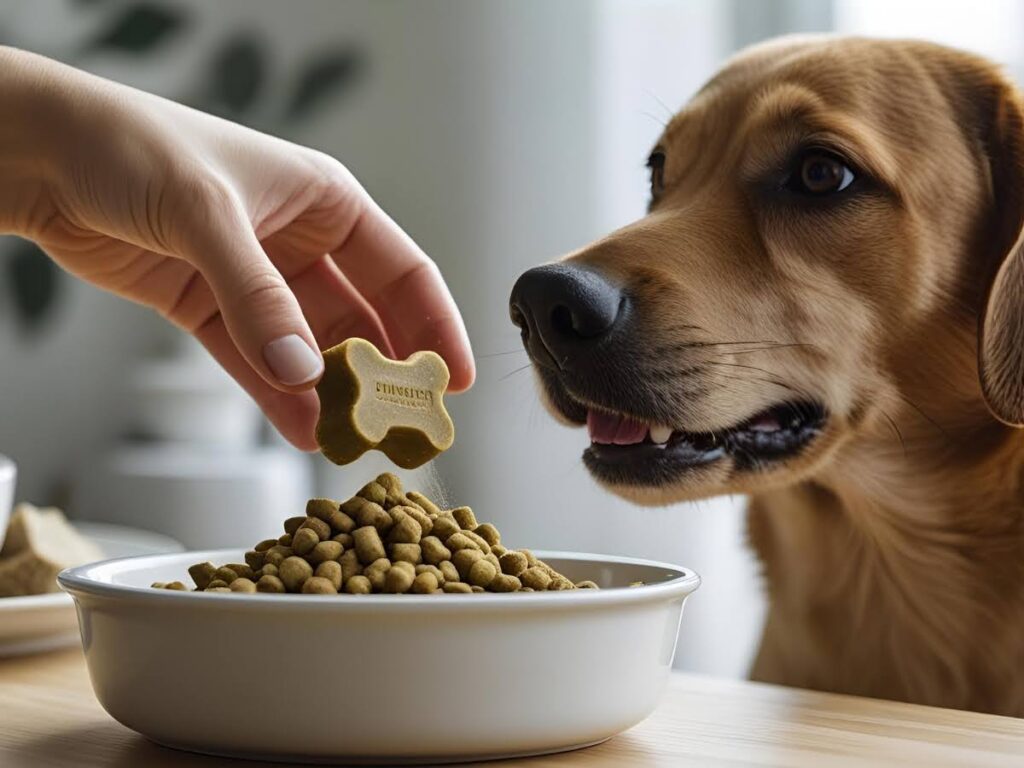
Timing matters. Give digestive enzymes for dogs right before meals for best results. This helps your dog digest food from the moment it enters the stomach. Consistency is also important; daily use brings better results than sporadic doses.
Most healthy dogs tolerate enzyme supplements well. However, it’s always best to talk to your vet before adding any new supplement to your pet’s diet. Dogs with certain health conditions may need special guidance.
Check the label and ensure no harmful fillers or artificial ingredients are present. Choose trusted brands made specifically for dogs.
Choosing the Right Digestive Enzyme Product
Look for the following in a good supplement:
- Contains multiple enzymes (protease, amylase, lipase)
- Veterinarian-approved
- Free of artificial preservatives and colors
- Designed specifically for dogs
Reviews from other pet owners can be helpful, but your vet’s advice should always come first.
Can Digestive Enzymes Be Helpful for Dogs in the Long Term?
Yes, especially for dogs with chronic digestive issues or enzyme deficiencies. Regular use supports more complete digestion, better stool quality, and less discomfort. It may also boost energy levels and coat health, thanks to improved nutrient absorption. By using digestive enzymes for dogs, you’re giving your pet the tools to make the most of every meal.
If digestive issues persist even after starting a supplement, consult your vet. Conditions like pancreatitis, EPI (exocrine pancreatic insufficiency), or food allergies may require additional treatment. Digestive enzymes help, but they’re not a cure-all.
Conclusion
Supporting your dog’s digestion doesn’t have to be complicated. Digestive enzymes for dogs offer a natural way to improve food absorption and reduce stomach issues. Whether your dog is older, has breed-specific concerns, or simply struggles with mealtime, enzyme supplements can make a noticeable difference. Watch for common signs of digestive distress and speak to your vet if problems persist. A healthier gut often means a happier, more energetic dog—something every pet parent wants.
Ready To Make Mealtime Easier On Your Dog’s Tummy? Visit Vitailix and shop vet‑approved digestive enzyme supplements that keep your pup happy, healthy, and active, one bowl at a time!
Digestive Enzymes for Dogs Frequently Asked Questions
Q1: What do digestive enzymes do for dogs?
They break down fats, proteins, carbs, and fiber so your dog can absorb nutrients better and suffer less gas, bloating, or diarrhea.
Q2: How do I know if my dog needs enzyme supplements?
Look for frequent gas, loose stools, vomiting after meals, or unexplained weight loss. A vet check confirms if enzymes can help.
Q3: When should I give my dog digestive enzymes?
Sprinkle powder or give a chew right before each meal so the enzymes mix with food as soon as it reaches the stomach.
Q4: Can I use human digestive enzymes for my dog?
No. Human formulas may contain xylitol or other additives unsafe for pets. Always choose a product made specifically for dogs.Q5: Are digestive enzymes safe for long‑term use?
Yes, most dogs tolerate them well, especially seniors or breeds prone to enzyme deficiency. Consult your vet for the correct dose.