Anxiety and stress affect many pets, impacting their mood, behavior, and quality of life. While traditional options like medication or behavioral therapy are common, many pet owners now explore holistic alternatives. One effective and gentle approach is animal acupuncture, a therapy used to support emotional balance without heavy drugs. This article from Vitailix explores how …

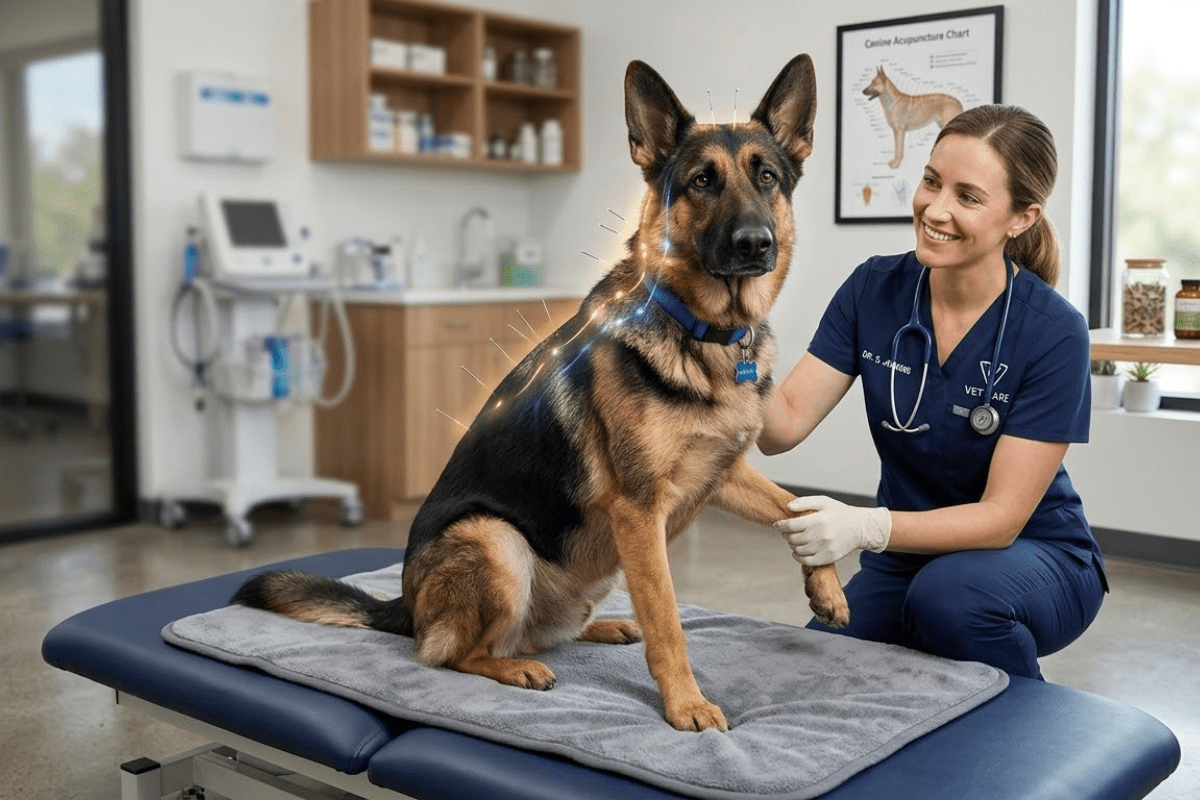
Anxiety and stress affect many pets, impacting their mood, behavior, and quality of life. While traditional options like medication or behavioral therapy are common, many pet owners now explore holistic alternatives. One effective and gentle approach is animal acupuncture, a therapy used to support emotional balance without heavy drugs. This article from Vitailix explores how pet acupuncture works, what happens in a session, and how it helps manage pet stress naturally.
What Is Animal Acupuncture and How Does It Work?
Animal acupuncture is a traditional therapy with roots in ancient Chinese medicine. It uses thin, sterile needles placed at specific points on the body to stimulate nerve pathways. These points, known as acupuncture points, are chosen based on the pet’s condition and symptoms.
By targeting these areas, acupuncture helps activate the parasympathetic nervous system. This encourages the release of calming chemicals like serotonin and endorphins, which ease tension and improve mood. Over time, this leads to reduced anxiety and better emotional balance in pets.
How Acupuncture Reduces Pet Anxiety and Stress
Pets under chronic stress may display excessive barking, hiding, irritability, or digestive issues. These reactions are often rooted in nervous system dysregulation, which can be difficult to treat without side effects. Animal acupuncture steps in as a natural and effective method to address these issues at their source.
By adjusting hormonal responses and improving neurotransmitter function, acupuncture helps restore emotional balance. Cortisol, the hormone responsible for stress, is naturally regulated, leading to reduced tension and improved rest. Pets that once displayed anxious behaviors often begin to relax, show curiosity, and regain their natural personality. With regular sessions, the benefits accumulate and lead to long-term behavioral and emotional improvements without sedatives.
Why More Pet Owners Are Choosing This Therapy
Animal acupuncture offers a non-invasive, drug-free approach to pet wellness. This makes it ideal for pets that are sensitive to medication or already on long-term drug regimens. Unlike pharmaceuticals, acupuncture supports healing without suppressing natural body processes.
Many pet owners prefer this therapy because it is gentle, calming, and can be adapted to suit individual needs. It works well for senior pets or those with multiple health conditions, and can also be combined with behavior therapy, supplements, or massage. Rather than masking symptoms, acupuncture fosters gradual, sustainable changes in the body and mind. At Vitailix, we have seen pets regain confidence, playfulness, and emotional calm through this deeply supportive method.
What Happens During an Acupuncture Appointment?
Your pet’s first acupuncture visit starts with a full health assessment. The veterinary acupuncturist will review medical history, behavior patterns, and any physical symptoms. This helps identify the acupuncture points that match your pet’s needs.
Once treatment begins, your pet may be gently restrained for safety. Most animals tolerate the process well, and many become calm during the session. The needles are very thin and typically cause little to no discomfort. Sessions can last from 20 to 40 minutes, depending on the treatment plan.
Some pets appear tired afterward, which is a sign of relaxation. Others may become more playful or alert as their stress begins to lift.
How to Choose a Qualified Veterinary Acupuncturist
Not all veterinarians are trained in acupuncture, so it is important to work with a professional certified in veterinary acupuncture. This ensures your pet receives care from someone with knowledge of animal anatomy, safe needle techniques, and proper diagnostic assessment.
Look for certifications from respected organizations such as the International Veterinary Acupuncture Society (IVAS) or the American Academy of Veterinary Acupuncture (AAVA). Ask your primary veterinarian for referrals or browse accredited directories. When choosing a provider, review their approach, credentials, and patient reviews to ensure they align with your expectations for compassionate, expert care.
Preparing Your Pet for a Calm and Successful Session
Making the experience smooth for your pet starts before you even arrive at the clinic. Avoid feeding a full meal right before the appointment, and keep your pet’s routine as familiar as possible that day. Staying calm yourself can also help reduce any anticipatory stress.
Bring along a comfort item like a favorite blanket or toy, which can help your pet settle in. After the session, allow your pet to rest, limiting stimulation or activity for the remainder of the day. Creating a quiet space at home and offering gentle praise can reinforce a sense of safety and trust around the treatment process.
Caring for Your Pet After Treatment
After an acupuncture session, it’s helpful to monitor your pet’s behavior and energy levels. Some may nap, while others may show a boost in mood or appetite. These changes are part of the natural adjustment process.
Your veterinary acupuncturist may recommend additional sessions or small changes to your pet’s routine. Pairing acupuncture with other stress-reducing habits, such as play, gentle exercise, or puzzle toys, can build even better results. A calm, consistent home environment also supports emotional healing.
Conclusion
Animal acupuncture is a gentle, proven therapy that supports pets facing anxiety and stress. It works by helping the nervous system reset and reducing the internal triggers that cause discomfort. Whether your pet struggles with loud noises, separation, or general nervousness, this natural treatment can help them feel safer and more balanced. Vitailix offers compassionate care through veterinary acupuncture, giving your pet a path toward emotional wellness. With the right plan and support, your pet can enjoy a calmer, more joyful life.
Animal Acupuncture Frequently Asked Questions
What is animal acupuncture used for?
It is commonly used to reduce pet anxiety, stress, and chronic pain. It also supports overall emotional and physical wellness without heavy medication.
How soon can I see results?
Some pets respond within the first session, showing signs of calmness or energy. Others may need multiple visits for lasting changes.
Does it hurt the pet?
No, the procedure is gentle and well-tolerated. The needles are very thin, and most pets remain calm or even sleepy during treatment.
Can I use acupuncture alongside other treatments?
Yes, it can complement medications, supplements, or training. It’s often part of an integrated care plan for long-term improvement.
Is pet acupuncture safe for senior pets?
Absolutely. It is a safe, non-invasive option that helps aging pets feel more relaxed, mobile, and emotionally balanced.