Watching your dog slow down with age is tough. Joints stiffen, movement becomes strained, and even simple activities like walking or playing seem harder. But there's hope. Joint health can be supported with two well-researched supplements—glucosamine and chondroitin in dogs. These compounds are widely used to improve joint function, ease pain, and keep dogs mobile …

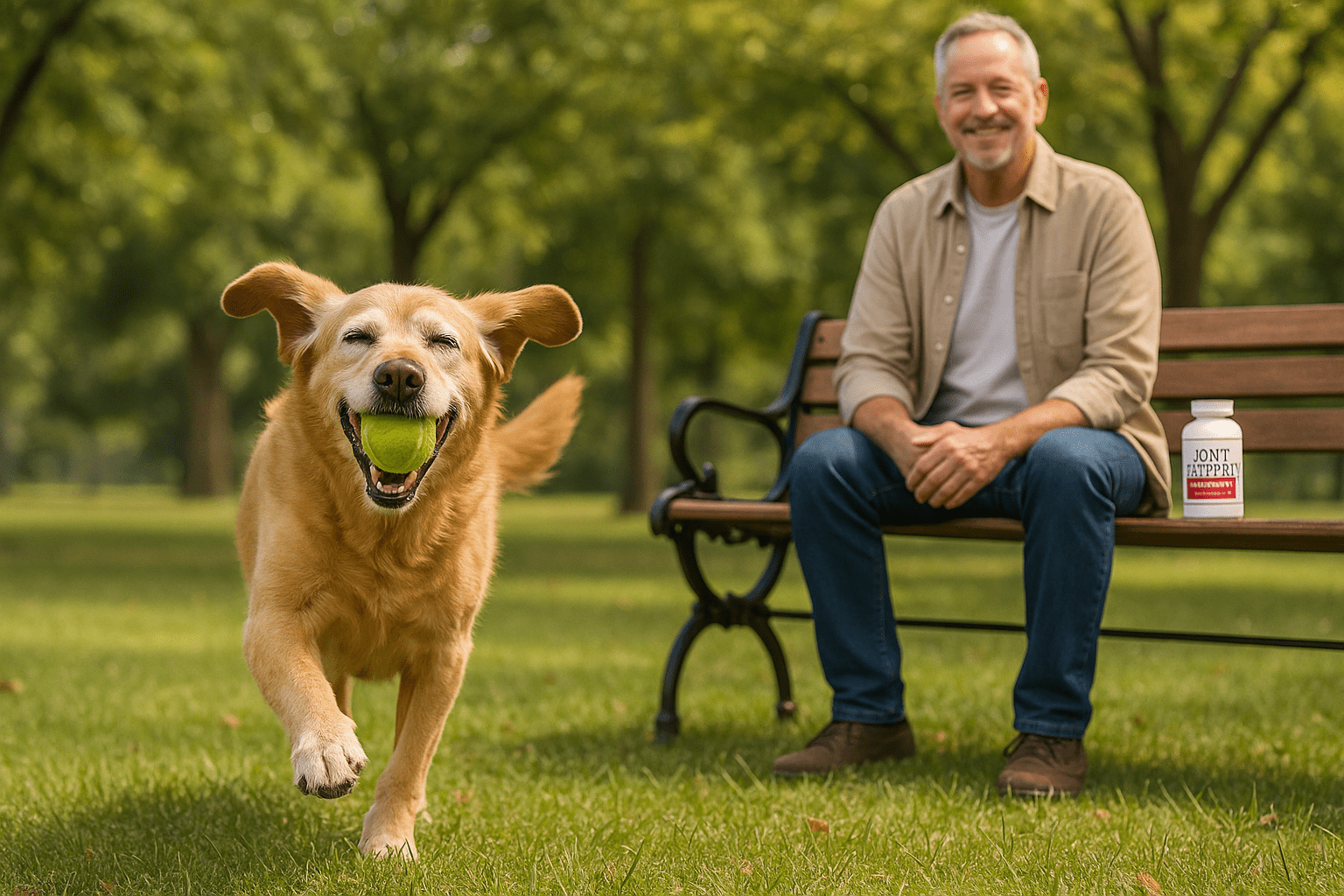
Watching your dog slow down with age is tough. Joints stiffen, movement becomes strained, and even simple activities like walking or playing seem harder. But there’s hope. Joint health can be supported with two well-researched supplements—glucosamine and chondroitin in dogs. These compounds are widely used to improve joint function, ease pain, and keep dogs mobile for longer.
Why Joint Health Declines with Age in Dogs
Just like humans, dogs experience wear and tear on their joints over time. This deterioration affects the cartilage that cushions the bones, resulting in stiffness, pain, and inflammation.
Large breeds and aging dogs are particularly prone to arthritis. Without intervention, the condition can severely affect their quality of life. That’s why maintaining joint health for dogs is essential—before pain and mobility issues take hold.
What Are Glucosamine and Chondroitin?
Natural Joint Builders: Glucosamine and chondroitin are naturally occurring compounds found in healthy cartilage—the flexible tissue that cushions joints and allows smooth, pain-free movement. Together, they help build, repair, and maintain joint tissue.
Glucosamine’s Role in Cartilage Repair: Glucosamine supports the production of glycosaminoglycans, essential for cartilage repair and maintenance. It also aids in forming joint fluid, tendons, and ligaments, helping keep joints strong and well-lubricated.
Chondroitin’s Role in Cushioning: Chondroitin helps cartilage retain moisture and elasticity, making it more resilient to stress and impact. This is vital for activities like walking, running, and jumping.
Why Supplementation is Necessary: As dogs grow older, their natural production of these compounds declines, which can lead to joint degeneration and discomfort. Supplementing their diet with glucosamine and chondroitin helps support healing and reduce pain.
How Glucosamine Helps Your Dog’s Joints
Cartilage Regeneration: Glucosamine acts as a building block for new cartilage. It helps repair tissues damaged by age or wear, promoting stronger, more flexible joints. Glucosamine promotes joint health in dogs and reduces the risk of osteoarthritis.
Anti-Inflammatory Support: In addition to rebuilding cartilage, glucosamine has mild anti-inflammatory properties. These help reduce joint swelling and improve comfort, especially in dogs with arthritis or injury.
Improved Mobility: With daily use, many dogs experience increased flexibility, reduced stiffness, and a noticeable improvement in how they move. Pet owners often observe better energy, less limping, and a renewed willingness to run, jump, and play, usually within four to six weeks of consistent supplementation.
The Benefits of Chondroitin in Joint Care
Shock Absorption and Elasticity: Chondroitin enhances the ability of cartilage to hold water, improving its shock-absorbing capacity. Well-hydrated cartilage is more flexible and less prone to damage.
Protecting Existing Cartilage: Chondroitin helps prevent cartilage breakdown by inhibiting enzymes that degrade joint tissue. This makes it especially valuable for dogs with chronic joint stress or osteoarthritis.
Complementary to Glucosamine: While glucosamine focuses on building new tissue, chondroitin helps preserve what’s already there. This makes the two supplements more effective when used together, offering both protection and repair for aging joints.
Why Joint Supplements Are a Smart Choice
Safe and Natural Support: Joint supplements are generally safe because they contain compounds already found in your dog’s body. Side effects are rare, especially when products are given according to dosage instructions.
Non-Prescription and Accessible: Most glucosamine and chondroitin products are available over the counter in chewable, liquid, or powder form, making it easy to add them to your dog’s routine.
Long-Term Use is Beneficial: These supplements are well-suited for daily, long-term use. They’re often recommended by veterinarians as the first step before introducing stronger medications like NSAIDs, which can carry risks with prolonged use.
Better Quality of Life: When joints are healthy, dogs are more mobile, engaged, and energetic. Supplements help maintain not just physical comfort, but also emotional well-being and social activity.
Recognizing the Signs of Joint Pain in Dogs
Early Warning Signs: Dogs don’t always show pain the same way humans do. Subtle changes—like hesitation before climbing stairs, or difficulty getting up after a nap—can be early signs of joint trouble.
Common Symptoms to Watch: Limping, favoring one leg, reluctance to jump, or a drop in playfulness may all signal discomfort. Some dogs may become irritable or withdrawn due to chronic pain.
When to Act: If your dog is showing these signs, it’s a good idea to talk to your vet and consider starting joint support supplements. Early intervention can help prevent further damage and ease symptoms quickly.
How Long Until You See Results?
Initial Loading Phase: Most joint supplements begin with a loading dose—typically given for four to six weeks—to allow the compounds to build up in your dog’s system. This jumpstarts the repair and protection process.
Maintenance Phase: After the loading phase, the dose is reduced to a maintenance level, which continues to support joint health and prevent regression.
Signs of Improvement: You may notice your dog moving with more ease, resting more comfortably, and regaining interest in daily walks and play. While results vary between dogs, most show noticeable changes within the first month or two of regular use.
Supporting Long-Term Joint Health in Dogs
Beyond Symptom Relief: Glucosamine and chondroitin are not just short-term fixes. They provide long-lasting benefits by reducing inflammation, improving joint fluid lubrication, and helping regenerate cartilage.
Slowing Disease Progression: In dogs with arthritis or degenerative joint conditions, these supplements can help slow the progression of the disease. This means less pain over time, fewer flare-ups, and better quality of life as your dog ages. A Lifelong Investment: Whether your dog is young and active, middle-aged, or a senior, maintaining joint health is a lifelong priority. Starting joint supplements early—even before visible problems occur—can be a wise preventative measure.

Final Thoughts on Joint Health in Dogs
Joint supplements can’t reverse aging, but they can help your dog enjoy a more active and comfortable life. From easing pain to restoring movement, glucosamine and chondroitin have become trusted tools in managing joint health. Their natural properties, low risk of side effects, and proven benefits make them a smart choice for dog owners who want to keep their pets moving with ease.
Conclusion
Supporting joint health for dogs is one of the most caring decisions you can make as a pet owner. Glucosamine and chondroitin offer a gentle, effective way to reduce pain and improve mobility. They support your dog’s body in doing what it was made to do—run, jump, play, and enjoy life. While no supplement can turn back the clock, it can make aging a lot more graceful. With regular use, you’ll likely see your dog become more active, comfortable, and engaged. Always consult your vet before adding any new supplement, and make joint health a daily priority for dogs.
Support joint health for dogs today by choosing a supplement with glucosamine and chondroitin. Give your pet the comfort and mobility they deserve—naturally and safely.
Glucosamine & Chondroitin For Dogs Frequently Asked Questions
1. At what age should I start giving joint supplements to my dog?
You can start as early as 1 year old in large breeds or when signs of joint stiffness appear.
2. Are glucosamine and chondroitin safe for all dogs?
Yes, they are generally safe. Always consult your vet, especially if your dog is on medication.
3. How long does it take for glucosamine and chondroitin to work?
Most dogs show improvement within 4–6 weeks of consistent use.
4. Can I give human glucosamine supplements to my dog?
No, always use supplements specifically formulated for dogs to avoid dosage or ingredient issues.
5. Do these supplements cure arthritis?
They don’t cure it, but they can significantly reduce symptoms and slow progression.