Dogs are more than pets—they’re family. So when they suffer from digestive issues, allergies, or low energy, it’s natural to look for safe, effective ways to help. One gentle and supportive solution is probiotics for dogs. While most people are familiar with probiotics for humans, many are unaware of the benefits these “good bacteria” offer …

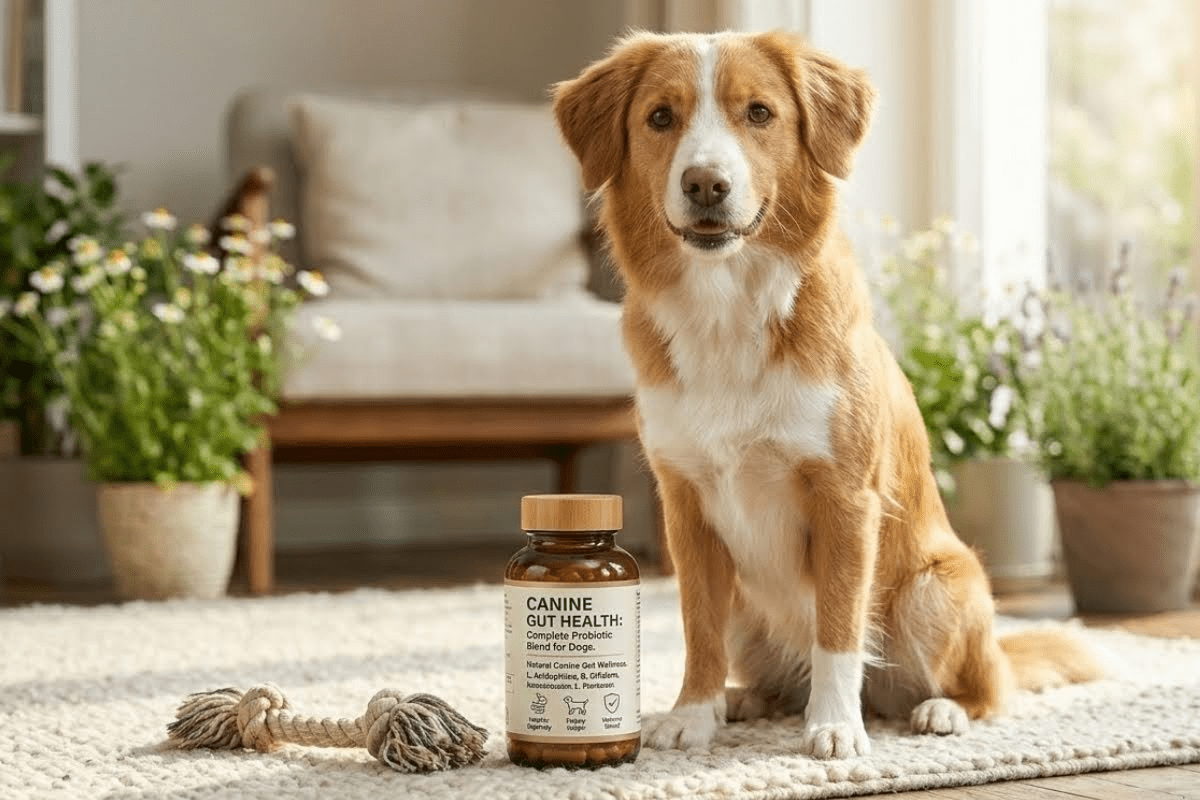
Dogs are more than pets—they’re family. So when they suffer from digestive issues, allergies, or low energy, it’s natural to look for safe, effective ways to help. One gentle and supportive solution is probiotics for dogs. While most people are familiar with probiotics for humans, many are unaware of the benefits these “good bacteria” offer to our furry companions.
Let’s explore how these natural supplements can keep your pup’s tummy happy and its health on track.
What Are Probiotics for Dogs?
Probiotics are live microorganisms that support the balance of good and bad bacteria in the gut. For dogs, they work much like they do for humans—by maintaining a healthy digestive system and supporting immune health. The gut is closely linked to overall well-being, so when it’s balanced, your dog feels better inside and out.
Why Gut Health Matters for Dogs
A dog’s digestive system isn’t just about processing food. It’s a key part of their immune system and mental health. An imbalance in gut bacteria can lead to digestive discomfort such as diarrhea or constipation, lower immunity, skin issues, and even changes in behavior. That’s where probiotics for dogs come in. They help restore the healthy bacteria your dog naturally needs.
Top Benefits of Probiotics for Canines
Adding probiotics to your dog’s daily routine can have noticeable benefits, even if they aren’t showing symptoms. Some benefits of probiotics for canines are below:
1. Supports Digestive Function
Probiotics help regulate digestion by breaking down food more efficiently and aiding nutrient absorption. They improve the balance of bacteria in the gut, which in turn supports smoother digestion and more regular bowel movements. For dogs who often have upset stomachs or sensitive digestion, probiotics can be a simple solution that restores comfort.
2. Relieves Diarrhea and Constipation
Probiotics are widely known for their ability to treat diarrhea, especially when it’s caused by antibiotics or sudden changes in diet. They can shorten the duration of loose stools and make bowel movements more consistent. On the other hand, if your dog struggles with constipation, probiotics can stimulate the natural flow of digestion and reduce discomfort. This makes them effective in managing both ends of the spectrum.
3. Aids Dogs with IBS or IBD
Dogs with Irritable Bowel Syndrome (IBS) or Inflammatory Bowel Disease (IBD) often experience chronic discomfort, bloating, and unpredictable bowel movements. Probiotics reduce inflammation in the intestines and help the body fight off harmful bacteria, creating a more stable gut environment. This results in fewer flare-ups and improved quality of life for dogs dealing with these conditions.
4. Boosts the Immune System
Nearly 70% of a dog’s immune system resides in the gut. Probiotics help strengthen the body’s natural defenses by supporting beneficial bacteria that ward off pathogens. They help the body recognize harmful invaders and respond more efficiently to infections. As a result, dogs on probiotics may fall sick less often and recover faster from illness.
5. Reduces Allergy Symptoms
Allergies—whether food-based or environmental—are often linked to gut health. Probiotics can help by stabilizing the intestinal lining and reducing the immune system’s overreaction to allergens. Dogs with recurring skin issues, itching, and ear infections may experience noticeable relief when given a consistent dose of probiotics.
6. Helps with Mood and Anxiety
The gut-brain connection is real—even for dogs. An unbalanced gut can affect mood, energy levels, and anxiety. Dogs under stress from changes in environment, travel, or loud noises may benefit from probiotics. A healthy digestive system can lead to better sleep, improved behavior, and reduced anxiety levels, making probiotics useful for emotional and mental health.
7. Maintains Healthy Weight and Appetite
Probiotics assist with maintaining a healthy metabolism and can help regulate your dog’s weight. Dogs who struggle with sudden weight changes, poor appetite, or overeating may see improvements in their feeding patterns. When digestion is functioning properly, the body absorbs nutrients more efficiently, which supports stable weight and better energy levels.
When Should You Consider Giving Probiotics?
There are specific times when adding probiotics to your dog’s routine can be particularly helpful. If your dog has recently finished a round of antibiotics, their natural gut bacteria may be unbalanced, making probiotics a great recovery support. Dogs who have been sick or are recovering from an infection may benefit as well, since probiotics can help restore gut strength and immunity.
When you’re transitioning your dog to a new diet, probiotics can smooth the adjustment and prevent stomach upset. Stressful situations such as moving to a new home, being boarded, or loud environments can also affect your dog’s digestion, so using probiotics during these times may help keep their gut in balance. Even if your dog experiences seasonal or food allergies, probiotics may ease those symptoms by strengthening the intestinal barrier.
Types of Probiotics for Dogs
Probiotics are available in a variety of forms, making it easy to find an option that fits your pet’s routine. Chewable tablets are popular and convenient, especially for dogs who enjoy treats. These often come flavored, making them easy to administer. Powder probiotics can be sprinkled directly onto your dog’s food, which works well for picky eaters or dogs on special diets.
Capsules are another option and can either be hidden in a treat or opened and mixed with meals. Some commercial dog foods also contain added probiotics, although these may not always be present in sufficient quantities. It’s best to choose products formulated specifically for dogs, as they contain strains that are proven to be effective and safe for canine use.
Are There Any Side Effects?
Probiotics are generally very safe for dogs when given in the proper dosage. However, giving too much or using an inappropriate product can lead to mild side effects. Some dogs may initially experience gas, loose stools, or mild nausea as their body adjusts to the supplement. These symptoms usually resolve within a few days.
In rare cases, an overgrowth of bacteria could lead to bloating or vomiting. It’s important to follow dosage instructions carefully and monitor your dog for any unusual reactions. Always consult your veterinarian before introducing probiotics, especially if your dog has existing medical conditions or is on other medications.
Talk to Your Vet First
Before introducing any supplement, speak to your veterinarian. They can help determine the right strain, dosage, and format based on your dog’s specific needs. More importantly, your vet can help uncover the reason behind your dog’s symptoms. A probiotic can support healing, but understanding the root cause of a gut imbalance is key to long-term health.
How Long Until You See Results?
Probiotics aren’t a quick fix, but you may notice improvements within a few days to a few weeks. Consistency is important—giving the supplement daily provides the best chance of long-term success. Look for signs such as firmer stools, reduced itching, or improved energy levels as positive signs your dog is responding well.
Natural Support for Long-Term Wellness

A daily dose of probiotics for pets isn’t just for digestive issues—it’s a smart step in supporting your pet’s immune health, energy, and overall comfort. Especially as dogs age, probiotics help them maintain a healthy lifestyle. They also promote better nutrient absorption, which plays a key role in long-term wellness. Plus, they can reduce the risk of recurring infections and inflammation by keeping the gut microbiome balanced.
Conclusion
Probiotics for dogs are a safe, natural, and beneficial way to improve your dog’s health. From easing digestive discomfort and supporting immunity to helping with anxiety and allergies, these supplements can be a powerful addition to your pet’s routine. While not every dog needs them, many benefit from their use—especially during times of stress, illness, or dietary changes. Always consult your vet, start with the right product, and be consistent. With proper use, probiotics can play an essential role in your dog’s long-term wellness and happiness.
Support your dog’s gut health with daily probiotics for canines. Talk to your vet and choose the right supplement to keep your pup feeling great naturally!
Probiotics For Dogs Frequently Asked Questions
1. Can I give my dog human probiotics?
No. Human probiotics may not be suitable for dogs. Canine-specific formulas contain strains designed for their digestive system.
2. How long should I give probiotics to my dog?
Some dogs may only need them for a short time, while others benefit from daily use. Your vet can advise on the right duration.
3. Will probiotics help my dog’s itchy skin?
If the itching is allergy-related, probiotics may reduce inflammation and ease symptoms over time.
4. Are probiotics safe for dogs with sensitive stomachs?
Yes, but start with a small dose and monitor your dog. Choose a product made for dogs to avoid any adverse effects.5. Can I give my dog probiotics while on antibiotics?
Absolutely. In fact, it’s recommended to protect healthy gut bacteria and prevent antibiotic-related digestive issues.