Acupuncture for dogs is a gentle and effective treatment that improves your pet’s health and comfort. It helps dogs with pain, chronic conditions, or recovery from injuries by stimulating specific points to trigger natural healing. Safe and non-invasive, it suits dogs of all ages. At Vitailix, each session meets your dog’s unique needs in a …

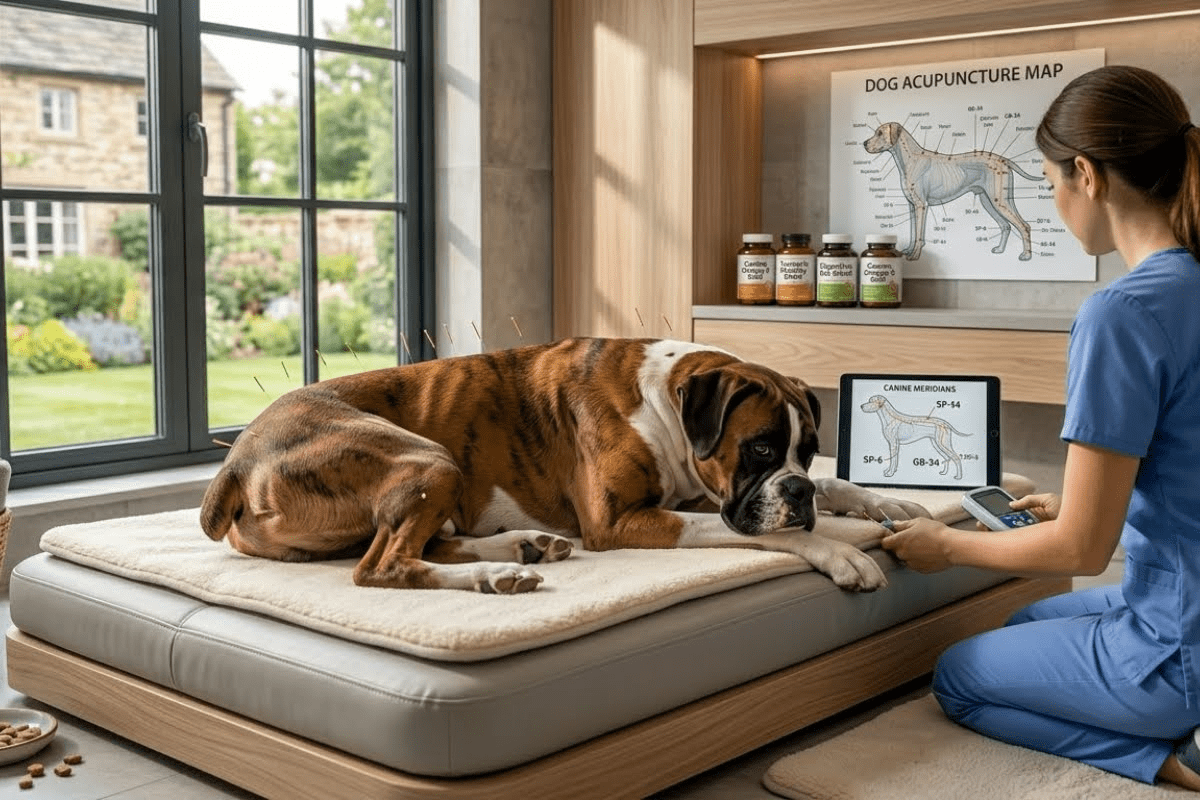
Acupuncture for dogs is a gentle and effective treatment that improves your pet’s health and comfort. It helps dogs with pain, chronic conditions, or recovery from injuries by stimulating specific points to trigger natural healing. Safe and non-invasive, it suits dogs of all ages. At Vitailix, each session meets your dog’s unique needs in a calm, relaxing environment.
Acupuncture can improve mobility, reduce inflammation, and support the immune system. Dogs with arthritis, hip dysplasia, or joint problems often experience significant relief. It also helps pets manage anxiety and stress, supporting a happier, healthier life, and it works well alongside conventional veterinary care. In this blog, you will learn how dog acupuncture supports health, eases pain, and improves overall well-being.
How Dog Acupuncture Works?
Acupuncture uses tiny, sterile needles inserted into specific points on a dog’s body. These points correspond to nerves, muscles, and organ systems. Stimulating these areas triggers natural healing mechanisms that reduce pain and improve overall health.
One of the primary ways acupuncture works is by releasing endorphins, which act as the body’s natural painkillers. This reduces discomfort and promotes relaxation. Another key mechanism is enhanced blood circulation. Needles improve blood flow to the targeted areas, which brings oxygen and nutrients to muscles and tissues.
This supports faster healing, reduces swelling, and helps maintain healthy tissues. Acupuncture also stimulates nerves, which can decrease pain signals sent to the brain. This allows dogs to regain flexibility and mobility, even after chronic injuries. Additionally, acupuncture strengthens the immune system, helping your pet fight off infections and maintain overall wellness.
Conditions That Benefit from Acupuncture For Dogs
Acupuncture for dogs can be helpful for a wide range of conditions. Chronic joint problems like arthritis and hip dysplasia respond well to regular sessions. Dogs often experience reduced stiffness and improved movement after a few treatments. Acupuncture is also effective for post-injury recovery. Pets recovering from fractures, muscle strains, or surgery can benefit from faster healing and reduced pain.
Digestive problems, including nausea, diarrhea, and stomach discomfort, may also improve with acupuncture. By targeting specific points, this therapy encourages normal digestive function. Pets that experience stress or anxiety can also benefit. Acupuncture helps calm nervous dogs, improving their behavior and overall quality of life. Senior dogs, who often face multiple age-related health issues, may find relief and increased energy through consistent treatments.
What Are the Benefits of Acupuncture For Dogs?
The benefits of acupuncture extend far beyond pain relief. By stimulating the body’s natural healing responses, this therapy can improve circulation, reduce inflammation, and enhance mobility. Dogs suffering from joint issues often regain the ability to stand, walk, and play more comfortably. Acupuncture can also help with behavioral problems. Stress and anxiety often decrease as pets experience the calming effects of treatment.
Additionally, acupuncture supports the immune system. Regular sessions strengthen the body’s natural defenses, which help prevent illness. Dogs recovering from injuries or surgeries experience faster recovery times, thanks to improved circulation and reduced pain. This therapy is gentle, safe, and can be combined with other treatments such as physical therapy or medications to improve overall outcomes.
Common Health Issues Treated
Dog Acupuncture addresses a variety of health concerns in dogs. Chronic pain and joint issues are among the most common. Arthritis, hip dysplasia, and general stiffness often improve with consistent therapy. Dogs recovering from surgery or trauma can also benefit. By reducing pain and improving circulation, acupuncture supports faster healing of muscles, joints, and soft tissues.
Neurological problems, such as intervertebral disc disease, respond well to acupuncture. The therapy helps reduce pain signals and promotes healthy nerve function. Digestive issues, including vomiting, nausea, and diarrhea, may also improve. Respiratory conditions, like asthma or kennel cough, benefit from improved circulation and oxygen flow.
Skin problems, including allergies and hot spots, may also respond positively due to enhanced immune function. Acupuncture provides a gentle solution for dogs with anxiety, stress, or other behavioral challenges. Older dogs often find relief from multiple age-related issues, improving their overall quality of life.
What to Expect During an Acupuncture Session For Dogs
Before any treatment, the veterinarian reviews your dog’s medical history and current health concerns. This helps identify the most effective acupuncture points. Ultra-fine, sterile needles are gently inserted into these points. Most dogs remain calm, and many even fall asleep during treatment.
Some pets may receive electroacupuncture, which applies a mild electrical current to the needles. This enhances pain relief, promotes circulation, and stimulates nerve function. During the session, the veterinarian monitors your dog closely to ensure comfort.
The treatment environment is quiet and calm, with minimal distractions. Each session typically lasts 20 to 30 minutes, depending on your dog’s condition and tolerance. After treatment, your pet’s response is recorded, and a follow-up plan is suggested. While some dogs show immediate improvement, multiple sessions may be required for optimal results.
Is Acupuncture For Dogs Painful?
Acupuncture is generally not painful for dogs. The needles are smaller than typical injection needles, and they are placed in areas with fewer nerve endings. Many dogs barely notice the needles and may even find the session relaxing.
Some dogs are more sensitive, and mild discomfort may occur briefly. Veterinarians minimize any pain by using the fewest needles necessary and adjusting their depth. Skilled practitioners ensure each pet is comfortable throughout the session. Overall, acupuncture is considered a gentle, low-risk therapy that fits well into a dog’s regular care routine.
Supporting Your Dog at Home
To get the most from acupuncture, pet owners can actively support their dog at home. Gentle walks, stretching, and low-impact exercises help maintain joint flexibility and strengthen muscles without causing strain. Providing a quiet, comfortable resting area and ensuring proper nutrition can further aid recovery.
Reducing stress in your dog’s environment and keeping a consistent routine helps them feel secure and relaxed. Following your veterinarian’s advice on exercises, supplements, and activity levels ensures that your dog continues to make steady progress between sessions. These simple daily steps enhance the effects of acupuncture and promote overall health.
Regular Acupuncture for Long-Term Benefits
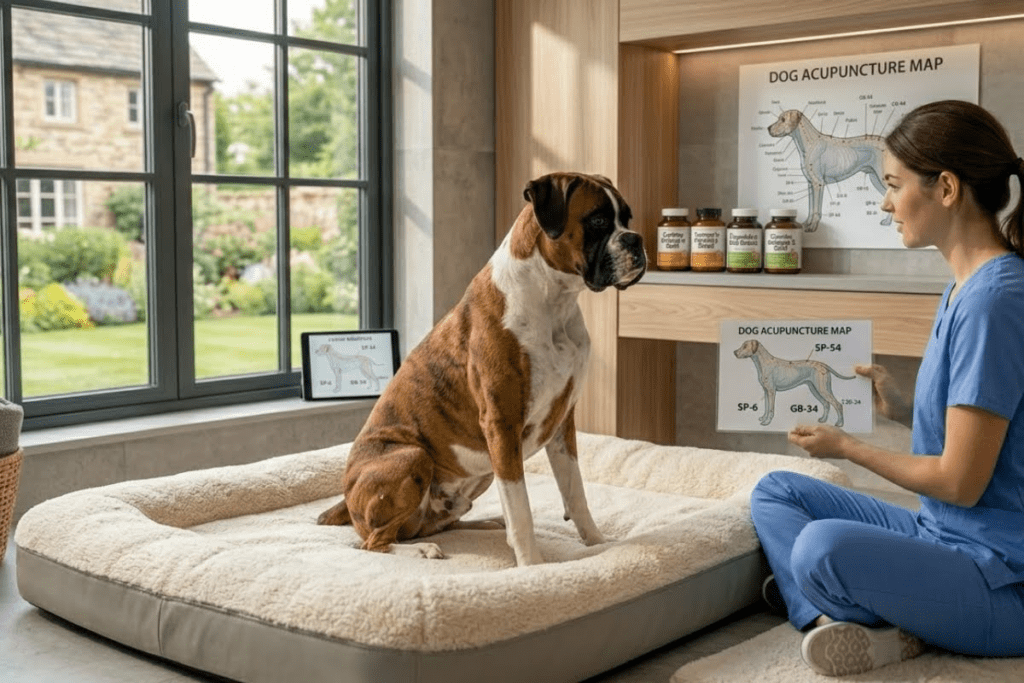
Consistent acupuncture sessions offer long-term benefits that go beyond temporary relief. Dogs with chronic conditions, such as arthritis, hip dysplasia, or joint stiffness, often experience lasting improvements in mobility and reduced discomfort. Senior dogs benefit from better energy, less stiffness, and a calmer temperament, helping them enjoy daily activities more comfortably.
Regular therapy also supports the immune system, improving your dog’s resilience against illness. Over time, pets receiving ongoing acupuncture show better flexibility, increased comfort, and higher overall well-being. Making acupuncture a routine part of your dog’s care can significantly enhance their quality of life and activity levels.
Conclusion
Dog acupuncture is a safe and effective therapy that helps relieve pain, improve mobility, and support overall health. It works naturally by stimulating healing responses, enhancing circulation, and promoting relaxation. Dogs with chronic conditions, injuries, digestive issues, anxiety, or age-related problems can benefit from regular sessions. By combining professional care with home support, such as gentle exercise and proper nutrition, your dog can enjoy a more active and comfortable life.
Investing in acupuncture for your dog not only reduces discomfort but also enhances their overall quality of life. If you want your furry friend to move freely, stay healthy, and feel happy every day, start their acupuncture journey today.
Give your dog natural pain relief and better mobility today; book an acupuncture session for dogs at Vitailix.
Dog Acupuncture Frequently Asked Questions
1. Does acupuncture for dogs really help with pain?
Yes, acupuncture for dogs helps reduce pain naturally by stimulating endorphins and improving blood flow. Many dogs experience noticeable relief after just a few sessions.
2. How many acupuncture sessions does my dog need?
The number of sessions varies by condition and your dog’s response. Some pets show improvement after one session, while chronic issues may require multiple treatments over weeks.
3. Is acupuncture safe for older pets?
Absolutely. Acupuncture is gentle and low-risk. Senior dogs often benefit greatly, experiencing better mobility, reduced stiffness, and improved overall comfort.
4. Can acupuncture help with behavioral or stress issues?
Yes. Acupuncture has a calming effect and can help dogs cope with anxiety, fear, and stress-related behaviors, improving their mood and daily life.
5. Should my dog rest after acupuncture?
Light rest is recommended, but most dogs can resume normal activities shortly after treatment. Avoid strenuous exercise immediately following sessions unless advised by your veterinarian.