
When it comes to your dog’s health, choosing the right kind of care is a major decision. With more pet owners exploring natural therapies, the debate of holistic vs traditional vet care is growing louder. But which approach is better for your dog’s long-term well-being? Let’s break it down clearly so you can make the …


When it comes to your dog’s health, choosing the right kind of care is a major decision. With more pet owners exploring natural therapies, the debate of holistic vs traditional vet care is growing louder. But which approach is better for your dog’s long-term well-being?
Let’s break it down clearly so you can make the best decision for your furry friend.
What Is Holistic Veterinary Medicine?
Holistic veterinary care focuses on treating the whole animal, not just the illness. This approach uses gentle, minimally invasive techniques that aim to support a dog’s body in healing itself.
Rather than immediately turning to medications or surgery, holistic veterinarians consider a dog’s full life picture—diet, lifestyle, environment, emotional health, and more. Treatment may include a mix of therapies like acupuncture, herbal supplements, massage, chiropractic care, and dietary changes. The goal? To find and treat the cause of the issue, not just manage the symptoms.
What Is Traditional Veterinary Medicine?
Traditional veterinary medicine follows a more clinical, diagnostic-based approach. It often involves physical exams, lab tests, X-rays, and other tools to diagnose a problem. After diagnosis, treatment typically includes medications like antibiotics or pain relievers and, if needed, surgery.
Most veterinarians today use this method, which has proven effective in emergency cases and infections that require immediate intervention.
Holistic vs Traditional Veterinary Care: Key Differences
Here’s where the comparison becomes clearer. The core difference lies in the treatment strategy and mindset.
| Feature | Holistic Care | Traditional Care |
| Focus | Whole-body, root-cause | Specific symptoms |
| Treatment | Natural remedies + alternative therapies | Medication + surgery |
| Diagnostic Tools | Observation, energy balance, behavior | Bloodwork, imaging, tests |
| Approach | Preventive and personalized | Reactive and general |
| Emergency Handling | Not preferred | Highly effective |
Holistic vets aim to avoid aggressive treatments unless necessary. Traditional vets often act fast to treat a diagnosed problem, sometimes without investigating long-term root causes.
Benefits of Holistic Veterinary Care
Holistic veterinary care focuses on treating the whole pet—body, mind, and spirit— rather than just addressing symptoms. It emphasizes natural remedies, lifestyle adjustments, and preventative care, often in combination with conventional methods.
1.Minimally Invasive Treatments
Holistic care typically avoids invasive procedures like surgery and heavy pharmaceuticals whenever possible. Instead, it may rely on gentle therapies such as acupuncture, massage, herbal medicine, chiropractic adjustments, or nutritional counseling. This low-impact approach helps minimize stress on your dog’s body while still encouraging healing and balance.
2.Focus on Prevention and Long-Term Wellness
A core principle of holistic care is to prevent illness before it starts. Practitioners often evaluate your dog’s lifestyle, diet, stress levels, and environment to identify and correct imbalances early. This proactive mindset can reduce the risk of chronic diseases and support long-term health and vitality.
3.Personalized Treatment Plans
Every dog is unique, and holistic veterinarians understand this. Treatment is never “one-size-fits-all.” Instead, your dog’s plan is tailored based on their breed, age, temperament, diet, medical history, and current lifestyle. This individualized care often results in more effective and compassionate healing.
4. Fewer Side Effects
Since holistic care emphasizes natural therapies—such as homeopathy, herbal supplements, and essential oils—your dog is less likely to experience adverse side effects compared to synthetic drugs. This makes it a gentler option for pets with sensitivities or chronic health issues.
5. Improved Overall Quality of Life
Holistic veterinary care often aims to enhance the dog’s total well-being, not just treat symptoms. Dogs undergoing holistic care may experience better digestion, energy levels, skin and coat condition, emotional balance, and even behavior. The goal is a healthier, happier life—not just fewer vet visits.
Pros of Traditional Veterinary Medicine
Traditional (or conventional) veterinary care uses modern science, diagnostics, and pharmaceuticals to diagnose and treat a wide range of conditions. It is especially valuable in emergency situations and for managing acute illnesses or injuries.
1.Fast, Effective Results in Urgent Situations
Conventional veterinary medicine excels in emergencies. If your dog is hit by a car, suffers a severe allergic reaction, or shows signs of organ failure, immediate intervention using advanced diagnostics, medication, or surgery can be lifesaving.
2. Backed by Scientific Research
Most traditional veterinary treatments and medications are supported by decades of scientific testing, clinical trials, and peer-reviewed research. This evidence-based approach gives pet owners and vets confidence in the safety and efficacy of the care being provided.
3. Widely Accessible and Convenient
Traditional veterinary clinics are easier to find, especially in suburban or urban areas. You can often access services like blood work, X-rays, vaccinations, and surgery with short notice, making it a practical choice for routine care and emergencies alike.
4. Advanced Diagnostic Tools for Accurate Assessment
With access to modern tools like ultrasounds, MRIs, blood panels, and digital X-rays, traditional vets can quickly and accurately diagnose your dog’s health issues. This precision allows for targeted treatment and better outcomes, especially in complex or hard-to-detect conditions.
5. Better Compatibility with Pet Insurance
Most pet insurance policies are designed around traditional veterinary treatments. That means conventional procedures, medications, and diagnostics are more likely to be fully or partially covered, reducing out-of-pocket costs for pet owners.
Holistic vs Traditional Vet Care: Which One Should You Choose?
This is the million-dollar question for many dog owners. The truth is, holistic vs traditional veterinary care doesn’t have to be an either/or decision. In many cases, both approaches can work hand-in-hand.
For example, traditional medicine can handle urgent care or surgery. Holistic care can then help support your dog’s recovery, reduce stress, and build long-term resilience. The best care plan may combine both methods based on your dog’s needs.
When to Consider Holistic Care

- Chronic Conditions
If your dog is dealing with long-term issues like arthritis, skin allergies, digestive problems, or anxiety, holistic care can offer gentle, supportive treatments that focus on long-term well-being rather than just symptom relief. - Minimizing Medication Use
You may want to reduce your dog’s reliance on pharmaceuticals, especially if you’re concerned about side effects or long-term impact. Holistic approaches such as acupuncture, herbal remedies, or dietary changes can provide relief with fewer risks. - Preference for Natural or Organic Options
If you value natural, chemical-free, or organic products in your own life, you might want the same for your dog. Holistic care emphasizes the use of high-quality, non-toxic solutions—from food and supplements to shampoos and flea treatments. - Lack of Response to Conventional Treatments
When traditional veterinary care hasn’t provided sufficient results or improvement, holistic therapies like chiropractic care, homeopathy, or massage therapy can serve as effective alternatives or complements to conventional treatment.
When Traditional Care is Essential
- Emergency Situations or Trauma
In critical cases—such as accidents, poisoning, heatstroke, or sudden collapse—conventional veterinary intervention is vital and often life-saving. Immediate access to diagnostic tools, IV fluids, and professional care is non-negotiable. - Surgical Procedures or Fractures
When your dog requires surgery for issues like tumors, torn ligaments, or broken bones, traditional veterinary medicine provides the necessary expertise, tools, and anesthesia to perform complex interventions safely. - Diagnosing Unclear Symptoms
If your dog is experiencing vague or puzzling symptoms—such as lethargy, unexplained weight loss, or intermittent vomiting—modern diagnostic methods like blood tests, imaging (X-rays, ultrasounds), or biopsies are crucial for accurate diagnosis. - Serious Infections Requiring Antibiotics
Infections caused by bacteria, such as UTIs, respiratory infections, or skin abscesses, often require antibiotics to prevent worsening or systemic illness. In these cases, delaying traditional care can put your dog’s health at risk.
Cost and Accessibility
Holistic care may be more expensive upfront and require multiple visits. It’s also less widely available than traditional clinics. But for long-term wellness and fewer recurring issues, many dog owners find the investment worthwhile.Traditional care is often more accessible, quicker to act, and usually covered by insurance. However, overuse of medications can lead to side effects or recurring symptoms.
Holistic vs Traditional Vet Care: Finding the Right Balance
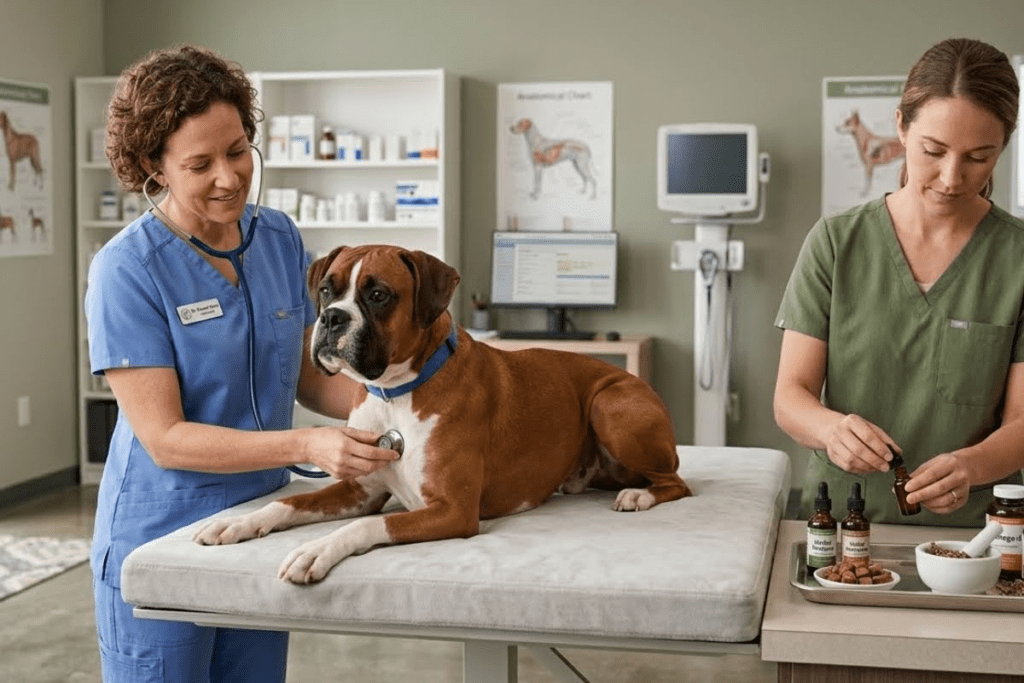
It’s important to work with a vet you trust. If you’re curious about holistic vs traditional veterinary care, schedule consultations with both types. Ask questions. Discuss your dog’s history. A good vet—whether holistic or traditional—will prioritize your dog’s health and comfort.You might be surprised at how well these two approaches can complement each other.
Final Thoughts
Choosing the right care is about understanding your dog’s unique needs. You don’t have to fully commit to one style. Many pet parents use holistic care for prevention and wellness, and traditional care when immediate intervention is needed.
Holistic vs traditional veterinary care is not a competition. It’s about choosing what works best for your pet—sometimes that means integrating both.
Conclusion
Your dog depends on you to make informed decisions about their health. Holistic and traditional veterinary care both have strengths and limitations. Holistic methods focus on whole-body wellness and prevention. Traditional care provides quick, effective treatment in emergencies or serious conditions. The smartest choice often combines both. What matters most is doing what’s best for your dog’s long-term health and happiness.
Want to explore holistic vs traditional veterinary care for your dog? Speak with local vets to understand what’s best for your pup’s health journey today.
Holistic vs. Traditional Veterinarian Care Frequently Asked Questions
1. Can I switch between holistic and traditional veterinarians?
Yes, many pet owners use both depending on their dog’s condition. Just ensure all health records are shared between vets.
2. Is holistic veterinary care safe for all dogs?
Most holistic treatments are gentle and safe, but always consult a certified holistic vet for your specific dog.
3. Do holistic vets prescribe medications?
Yes, if necessary. Holistic vets may use medications alongside alternative treatments when needed.
4. Are traditional vets against holistic methods?
Not always. Many traditional vets are open to alternative treatments, especially when used responsibly.5. How do I find a certified holistic vet?
Check with the American Holistic Veterinary Medical Association (AHVMA) or ask your local vet for referrals.