Every dog owner wishes to provide the best care for their pet. To care properly, understanding how your dog’s body works is important. One of the key systems that keeps your dog healthy is the Endocannabinoid System in dogs. This system, often called the ECS, is a complex cell-signaling network. It plays a crucial role …


Every dog owner wishes to provide the best care for their pet. To care properly, understanding how your dog’s body works is important. One of the key systems that keeps your dog healthy is the Endocannabinoid System in dogs.
This system, often called the ECS, is a complex cell-signaling network. It plays a crucial role in maintaining balance—known as homeostasis—within your dog’s body. Just like in humans, the ECS affects many important functions, including appetite, mood, sleep, immune response, and movement. Knowing about the Endocannabinoid System in Dogs helps you recognize how your dog stays healthy and what might happen if this system isn’t working properly.
How the Endocannabinoid System in Dogs Works
The Endocannabinoid System in Dogs is made up of three parts that work together to keep the body in balance:
1. Endocannabinoids
These are molecules your dog’s body produces naturally. They’re very similar to compounds found in cannabis plants, but your dog makes them on its own as needed. These molecules only activate when your dog’s body signals that something is out of balance.
2. Cannabinoid Receptors
Endocannabinoids connect with receptors located on cells all over your dog’s body. These receptors come in two main varieties:
- CB1 receptors are mostly present in the brain and central nervous system.
- CB2 receptors are primarily located in the immune system, as well as in organs and different body tissues.
When endocannabinoids bind to these receptors, they send chemical signals to adjust how cells behave. This allows the body to respond quickly to changes, like stress or injury.
3. Enzymes
After endocannabinoids complete their role, they are degraded by specific enzymes in the body. This keeps the system from being hyperactive by stopping the signals from going on forever.
Why Is the Endocannabinoid System Important for Dogs?
The Endocannabinoid System in Dogs helps regulate many vital functions simultaneously. For example, if your dog is stressed or hurt, the ECS helps manage pain, reduce inflammation, calm anxiety, and support healing. Here are some key roles the ECS plays in your dog’s health:
Appetite Regulation
The ECS influences hunger signals, helping your dog eat the right amount. This balance prevents overeating or loss of appetite, supporting a healthy weight and proper nutrition.
Mood and Behavior
It can help reduce anxiety or agitation, promoting calmness. By regulating mood, the ECS supports emotional stability and reduces behaviors linked to stress or fear.
Memory and Learning
The ECS affects brain function and memory, which is important for training. A healthy ECS can enhance your dog’s ability to learn commands and adapt to new environments.
Sleep Patterns
It helps control the sleep-wake cycle, contributing to restful sleep. Proper regulation means your dog can rest well, which is essential for overall health and energy levels.
Metabolism
The system regulates how energy is used and stored in the body. This ensures your dog’s cells receive the fuel they need while preventing excess fat accumulation.
Immune Response
It helps your dog fight infections and recover from illness. The ECS supports the body’s natural defenses by regulating immune activity and lowering inflammation.
Movement and Coordination
Balance and muscular control are functions of the ECS. This helps your dog maintain coordination and mobility, especially important as they age or recover from injury.
If this system isn’t functioning correctly, dogs might suffer from issues like poor appetite, restlessness, anxiety, or immune problems.
Signs Your Dog’s Endocannabinoid System Might Be Off
Pet owners can often notice when something’s wrong with their dog before a vet visit. Here are some warning signs that the Endocannabinoid System in Dogs might be struggling:
Sudden Changes in Appetite
If your dog is eating much more or less than usual, it could signal ECS imbalance. The ECS helps regulate hunger cues, so disruption may affect how your dog feels about food.
Difficulty Sleeping or Restlessness
Frequent pacing, waking at night, or an inability to settle can indicate ECS issues. Since the ECS helps control sleep cycles, a malfunction can lead to poor rest and irritability.
Unusual Anxiety or Aggression
Behavior shifts like nervous pacing or sudden growling may point to ECS disruption. The ECS helps balance mood and stress responses, so imbalances can heighten fear or agitation.
Skin Problems Like Itching or Inflammation
Chronic scratching, red spots, or dry skin can be signs of inflammation. Since the ECS also helps regulate immune responses, a poorly functioning system may lead to flare-ups.
Although there are numerous causes for these symptoms, the ECS is a major contributor. If you see these signs, it’s wise to consult your veterinarian to explore the cause.
Supporting the Endocannabinoid System in Your Dog
Maintaining a healthy Endocannabinoid System in Dogs begins with good daily care. Here are some simple ways to support it:
Balanced Nutrition
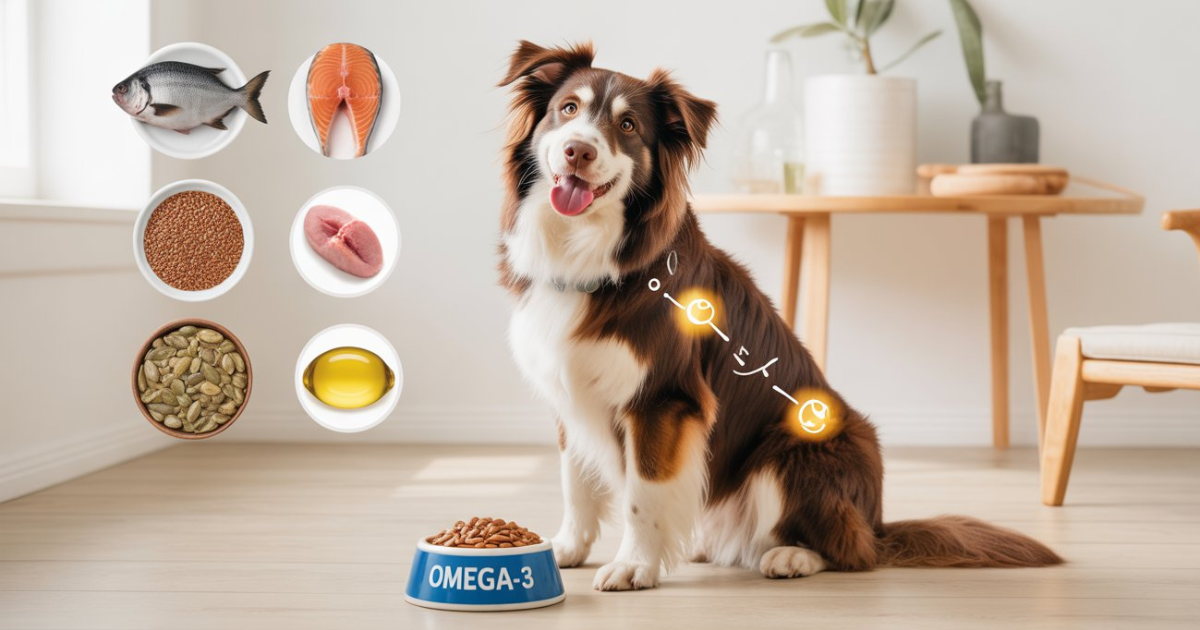
Feeding your dog high-quality food rich in nutrients supports all body systems, including the ECS. Omega-3 fatty acids, for example, have been shown to benefit ECS function.
Regular Exercise
Exercise boosts mood, improves metabolism, and supports healthy immune function, all of which relate to the ECS.
Reducing Stress
Stress affects ECS balance negatively. Providing a calm environment and plenty of positive interactions helps your dog stay relaxed.
Veterinary Care
Routine check-ups can catch early signs of problems affecting the ECS or other systems.
What Role Does CBD Play in Supporting the ECS?
Cannabidiol (CBD) is a naturally occurring substance extracted from hemp plants. Many pet owners are curious about CBD because it interacts with the ECS. Unlike endocannabinoids, CBD does not connect directly to cannabinoid receptors. Instead, it influences the ECS by encouraging the body to use its endocannabinoids more effectively.
Some studies suggest that CBD can help with pain relief, anxiety reduction, and inflammation control in dogs. However, CBD is not a panacea, and research is still being conducted. Important: Consult your veterinarian before administering any CBD products to your dog. Proper dosage and product quality matter a lot.
How Does the ECS React When Your Dog Faces Illness or Injury?
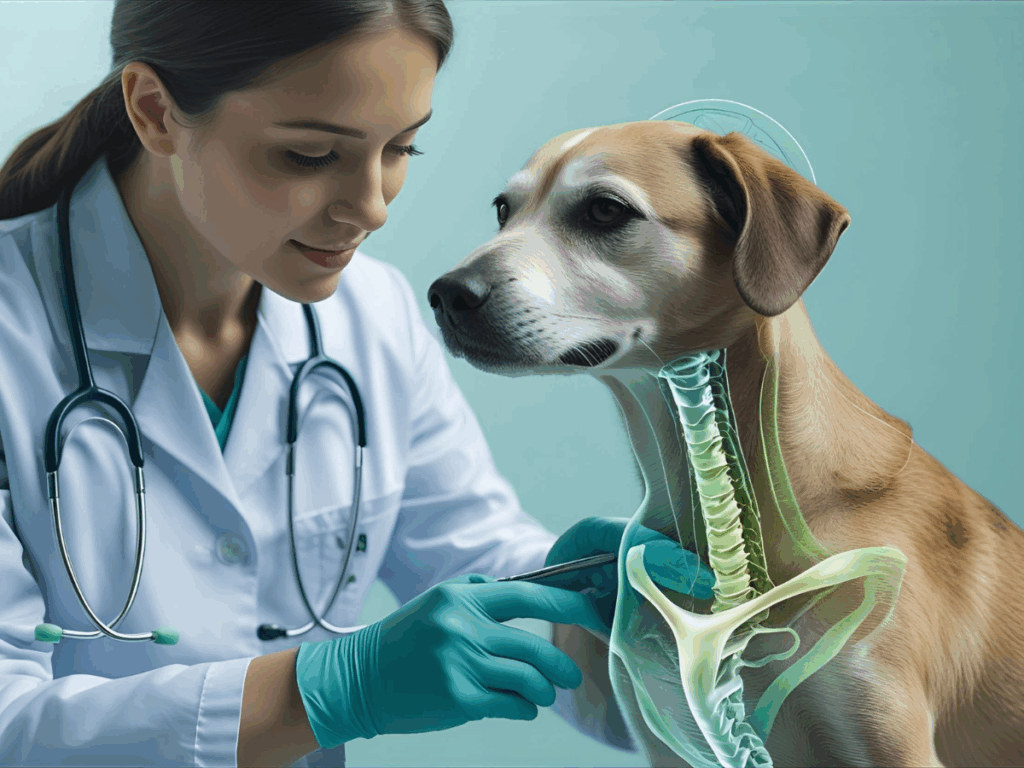
The Endocannabinoid System in Dogs acts like an internal regulator. When your dog faces stress, infection, or injury, the ECS senses these changes and sends signals to help the body respond effectively.
For example:
- If your dog is injured, the ECS can help reduce inflammation and manage pain.
- When anxious, it helps regulate the nervous system to calm behavior.
- If an infection occurs, it assists the immune system in fighting it off.
Once the threat passes, the ECS signals enzymes to break down the active molecules, returning the body to normal balance.
Why Should Pet Owners Pay Attention to the ECS?
The Endocannabinoid System in Dogs quietly supports your dog’s health every day. Understanding its importance helps pet owners recognize early warning signs and seek help when needed.
When the ECS is healthy, dogs feel better, heal faster, and live happier lives. Supporting this system also means being aware of factors that might disrupt it, like poor diet, stress, or illness. By working with your vet and providing proper care, you can help your dog’s ECS function at its best.
Conclusion
The Endocannabinoid System in Dogs is a vital part of your pet’s health. It controls many essential functions, including appetite, mood, sleep, and immune response. When working correctly, it keeps your dog balanced and resilient to stress and illness.
Pet owners should keep an eye out for signs that the ECS may be off, such as changes in behavior or health. Supporting this system with good nutrition, exercise, and veterinary guidance helps your dog stay happy and healthy.
If you’re curious about supplements like CBD, always consult a vet first to ensure safety. Knowing how the Endocannabinoid System in Dogs works puts you in a better position to care for your dog’s overall well-being.
Endocannabinoid System in Dogs Frequently Asked Questions
1. What exactly is the Endocannabinoid System in Dogs?
It’s a natural system in dogs that helps regulate key functions like mood, appetite, and immune response through chemical signals.
2. Can the ECS help my dog with anxiety or pain?
Yes. The ECS helps reduce pain and anxiety by regulating the activity of the brain and nervous system.
3. How can I support my dog’s ECS naturally?
Provide balanced food, regular exercise, a stress-free environment, and routine vet care.
4. Is it OK to use CBD to help dogs’ ECS?
CBD can be helpful, but only use pet-safe products, and to determine the proper dosage, speak with your veterinarian first.5. When should I worry about my dog’s ECS function?
If your dog shows appetite changes, anxiety, restlessness, or mobility issues, speak with your vet to check the ECS and overall health.