When a pet gets hurt or sick, it can be very hard to watch them struggle. They may limp, seem weak, or not want to move much. As pet owners, we want to help them feel better fast. That’s where animal rehabilitation comes in. This type of care helps pets heal their injuries, regain strength, …

When a pet gets hurt or sick, it can be very hard to watch them struggle. They may limp, seem weak, or not want to move much. As pet owners, we want to help them feel better fast. That’s where animal rehabilitation comes in. This type of care helps pets heal their injuries, regain strength, and live happier lives. Animal rehab is not just for big injuries; it can also help pets with arthritis, weight problems, or age-related issues. It gives your pet the best chance to move without pain and enjoy daily life again. With the right help, even older pets can walk, run, and play more comfortably.
This guide will explain exactly what pet recovery therapy is, how it works, and why it’s so important. You’ll also learn about the treatments used and how you can support your pet’s recovery at home.
What Is Animal Rehabilitation?
Rehabilitation therapy for pets is a special kind of care designed to help them get better after injuries, surgeries, or illnesses. It focuses on helping animals move well again and live without pain. Unlike just resting or giving medicine, rehab uses exercise, therapy, and hands-on treatments. These methods help rebuild muscles, ease pain, and improve how joints work.
Think of it as physical therapy but for animals. Rehab professionals work with vets to make plans just for your pet. These plans include exercises and treatments based on your pet’s condition. Each step is gentle and safe. The goal is to help pets recover as quickly and comfortably as possible.
Why Do Injured Pets Need Rehabilitation?
When pets get hurt, their bodies protect the injured part by avoiding movement. This helps stop more damage, but can cause other problems. For example, muscles shrink when not used, joints get stiff, and pets might lose balance or confidence. If these problems are not treated, they can last a long time.
Animal rehabilitation prevents this by encouraging safe movement early on. It helps pets rebuild their strength while protecting healing tissues. Rehab also controls pain and swelling. This allows pets to move more naturally and feel better sooner. Many pets recover faster and have less pain when they get rehab care.
The Step-by-Step Process of Animal Rehabilitation
Rehabilitation follows a clear process. Each step helps your pet heal safely and fully.
1. Initial Assessment
The rehab team starts by examining your pet. They look at how well your pet moves, where the pain is, and any muscle loss. They may also review medical records and X-rays. This gives a clear picture of what your pet needs.
2. Setting Goals
After the exam, the team sets simple goals with you. Goals might be helping your dog walk without limping or letting your cat jump onto a chair again. These goals guide the therapy and track progress.
3. Designing a Treatment Plan
Next, they create a detailed plan that fits your pet’s condition. The plan uses therapies like exercises, massage, or water therapy. Each session has specific activities to help your pet’s muscles, joints, and nerves heal.
4. Therapy Sessions
Your pet visits the rehab center for guided sessions. Therapists help your pet do exercises safely and use tools like underwater treadmills or laser machines. Therapists watch your pet closely to avoid pain or injury.
5. Home Care
Rehab isn’t just at the clinic. You get instructions to do exercises at home. These can be simple stretches or walks. Doing these regularly helps your pet heal faster and stay strong between sessions.
Common Therapies in Animal Rehabilitation
Rehabilitation uses many methods. Here are the most common treatments your pet might receive.
Physical Therapy
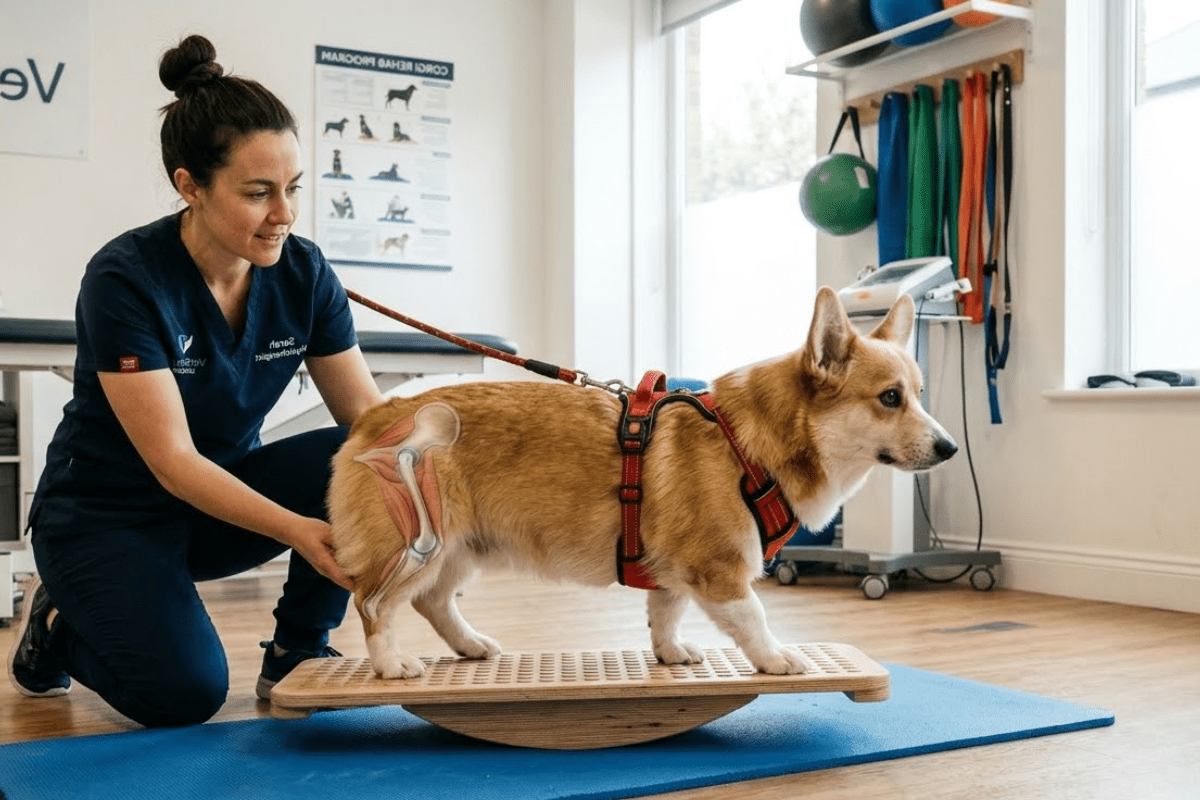
This involves exercises that improve strength and movement. Your pet may practice walking on uneven surfaces, balance boards, or gentle stretches. These exercises help rebuild muscles and keep joints flexible. For example, sit-to-stand exercises help dogs strengthen their hips and legs after surgery.
Hydrotherapy
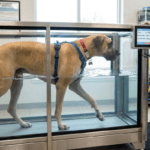
Water helps pets exercise without pressure on sore joints. Underwater treadmills and swimming are popular treatments. The water supports your pet’s weight while providing resistance. This combination builds muscle and improves heart health without pain.
Manual Therapy
Therapists use their hands to massage muscles and move joints gently. This improves blood flow, relaxes tight muscles, and reduces pain. Pets often enjoy these sessions because they feel like a soothing massage.
Cold Laser Therapy
This therapy uses special low-level laser light to help cells heal faster. It reduces inflammation and pain. The treatment is quick and painless, usually lasting 5 to 15 minutes.
Acupuncture
Tiny needles are placed in specific spots on the body. This can help reduce pain and improve nerve function. Acupuncture works well for chronic pain and some neurological problems.
Assistive Devices
Braces, splints, or special boots may be used to protect injured limbs. They give support and prevent further injury during healing.
Benefits of Animal Rehabilitation
Rehabilitation offers many benefits that improve a pet’s recovery and quality of life.
Faster Recovery
Rehab therapies help pets heal more quickly by increasing blood flow to injured areas. This brings oxygen and nutrients to muscles and tissues that need to be repaired. With regular rehab sessions, many pets get back on their feet much faster than with rest alone. Faster recovery also means less time spent in pain or on medication.
Pain Relief
Techniques like massage, acupuncture, cold laser therapy, and ultrasound help ease pain without needing high doses of medicine. These treatments calm sore muscles, reduce swelling, and help the body release natural pain-fighting chemicals. This makes pets more comfortable and willing to move around again.
Stronger Muscles
When a pet is injured, it often stops using the affected limb. This leads to weak or shrunken muscles. Rehab exercises focus on slowly building those muscles back. Over time, the pet gains strength, balance, and control. This is important not just for healing but also for preventing falls or further injuries.
Better Mobility
Rehab helps stiff joints move more freely. Gentle stretches, balance work, and controlled walking improve flexibility. Pets begin walking straighter, standing stronger, and even climbing stairs again. Better movement also means they can return to their daily routines, like playing fetch or using the litter box without trouble.
Prevents Future Problems
Rehab isn’t just about recovery, it’s also about prevention. By building strength, improving posture, and teaching safe movement, it lowers the chance of re-injury. Pets learn how to move without putting too much strain on weak areas. This reduces the risk of falls, joint damage, or muscle strain later.
Improves Mental Health
Pain, boredom, and limited movement can make pets feel down. Some may become scared, restless, or even aggressive. Rehab sessions give pets a sense of routine, care, and progress. The one-on-one time with therapists and the physical activity help boost their mood and lower stress. A happier pet often eats better, sleeps better, and heals better, too.
All these benefits lead to pets living more active and joyful lives.
With improved strength, comfort, and confidence, pets are free to enjoy life again. They can play, walk, cuddle, and explore without being held back by pain or weakness. Rehabilitation gives them the tools to heal fully and return to the life they love.
When Should You Start Animal Rehabilitation?
The best time to start rehab is as soon as your vet says it’s safe. Early rehab stops muscle loss and joint stiffness before they become serious. For example, pets often start rehab a few days or weeks after surgery. This helps them return to normal faster.
But rehab isn’t just for new injuries. Pets with long-term issues like arthritis or spinal problems can also benefit. Rehab helps manage pain and keep them active. If you notice your pet limping, stiff, or not moving like before, ask your vet if rehab could help.
Supporting Your Pet’s Recovery at Home
Your care at home is very important. You help your pet stay on track and build strength between clinic visits.
Try to keep your pet active with gentle walks or play. Follow any home exercises your rehab team gives you. Make your home safe by putting rugs on slippery floors and blocking stairs if needed.
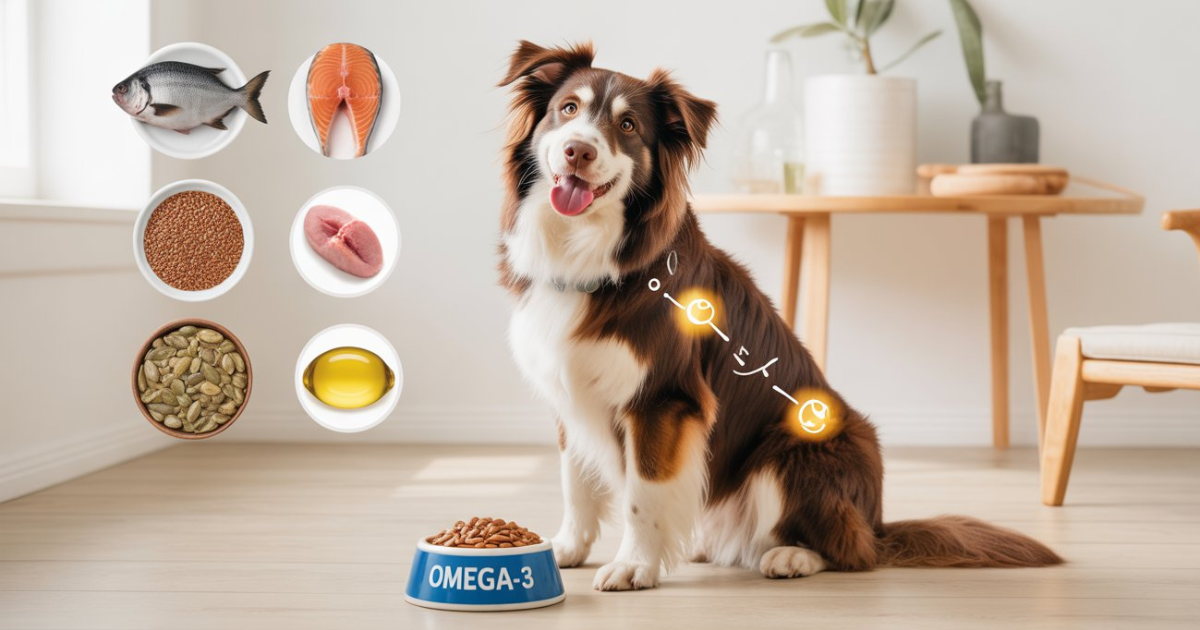
Nutrition is also key. Ask your vet if your pet needs special food or supplements for joints and muscles. A comfortable bed and quiet space help your pet rest and heal.
Watching Your Pet’s Progress
Rehab is a journey, and watching your pet improve is exciting. You’ll notice small changes over time. Maybe your dog starts walking with less limp, or your cat jumps more easily.
It’s important to keep communicating with your rehab team. If your pet seems worse or is not improving, tell them. They may adjust the plan or try different therapies.
Celebrate every win, no matter how small. Each step forward means your pet is getting stronger and happier.
Why Choose Vitailix for Pet Recovery and Rehab Care?
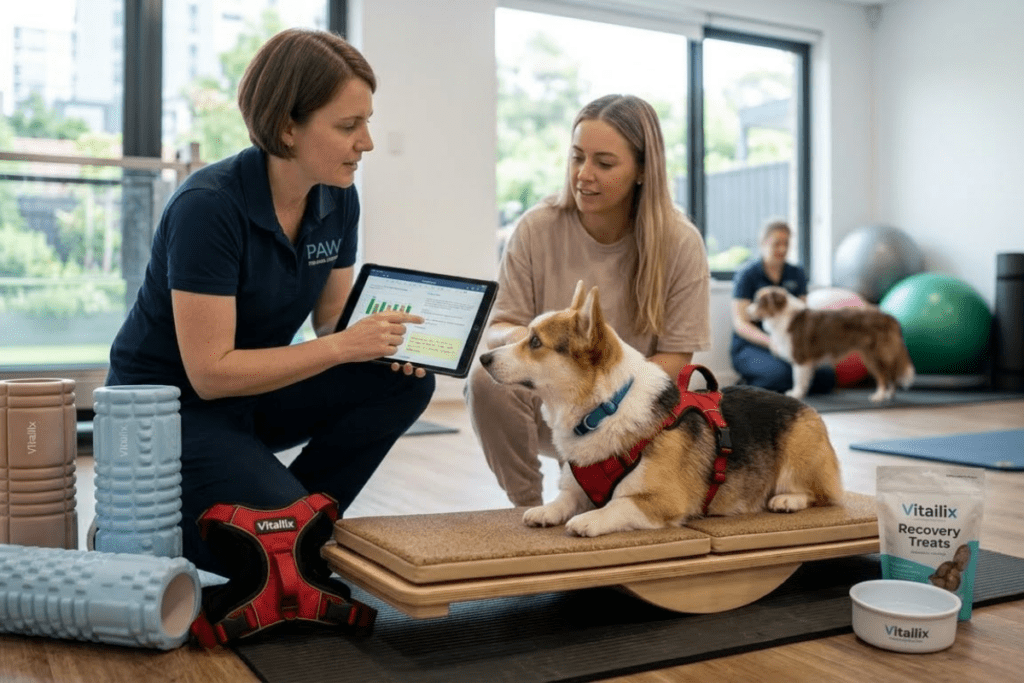
At Vitailix, we treat your pet like family. Our skilled team uses the latest rehab methods and tools designed for animals. We work closely with vets to create plans just for your pet’s needs.
Our center has underwater treadmills, laser therapy, and other pet-safe equipment. We also teach you how to help at home with easy exercises and tips.
We believe every pet deserves a chance to heal well and enjoy life again. That’s why we stay patient, kind, and committed throughout the rehab journey.
Final Thoughts
Animal rehabilitation gives injured pets a real chance to heal and thrive. It uses proven therapies to ease pain, build strength, and restore movement. With expert help and your care at home, pets recover faster and enjoy a better life.
If your pet is struggling with an injury or illness, don’t wait. Canine and feline rehab could be the key to their comfort and happiness.
Call to Action
Is your pet showing signs of pain or weakness? Don’t wait to get help. Contact Vitailix today to schedule an animal rehabilitation assessment. Our caring team will create a safe, effective plan just for your furry friend. Give your pet the chance to heal, feel strong, and live happily again. Book your appointment now and see the difference rehab can make!
Animal Rehabilitation for Injured Pets Frequently Asked Questions
Will rehab hurt my pet?
No. Rehab is designed to be gentle. Therapists adjust everything to keep your pet comfortable.
How long does rehab take?
Most pets need 6 to 10 weeks, but serious injuries may take longer.
Can I do rehab at home only?
Home care is important, but clinic sessions speed up healing and ensure safety.
Is rehab expensive?
Costs vary, but many find it worth the investment for better recovery.
Can rehab help older pets?
Yes. Rehab improves mobility and reduces pain in senior pets, too.